Kaichiku Teiryujo @ Former Takashima Dai-7 Elementary School
Starting from demolition, building a local circulation system where memory and salvaged material both find their way back
How do you pass down memory from a school slated for demolition? In 2025, the demolition was decided for the former Takashima Dai-7 Elementary School, next to the Takashimadaira housing complex. The school opened in 1979, closed in 2007, and had sat unused for 18 years — and people gathered to spend one last stretch of time together in the building. “It really is lonely, isn't it,” a graduate murmured, picking an old educational-goals notice off the wall. Kaichiku Teiryujo hands over materials, pries up flooring, stays overnight in the closed school, and makes work there — a record of one response to a disappearing place. It reframes demolition not as an ending, but as the point where materials and memory begin to be carried forward into the community.
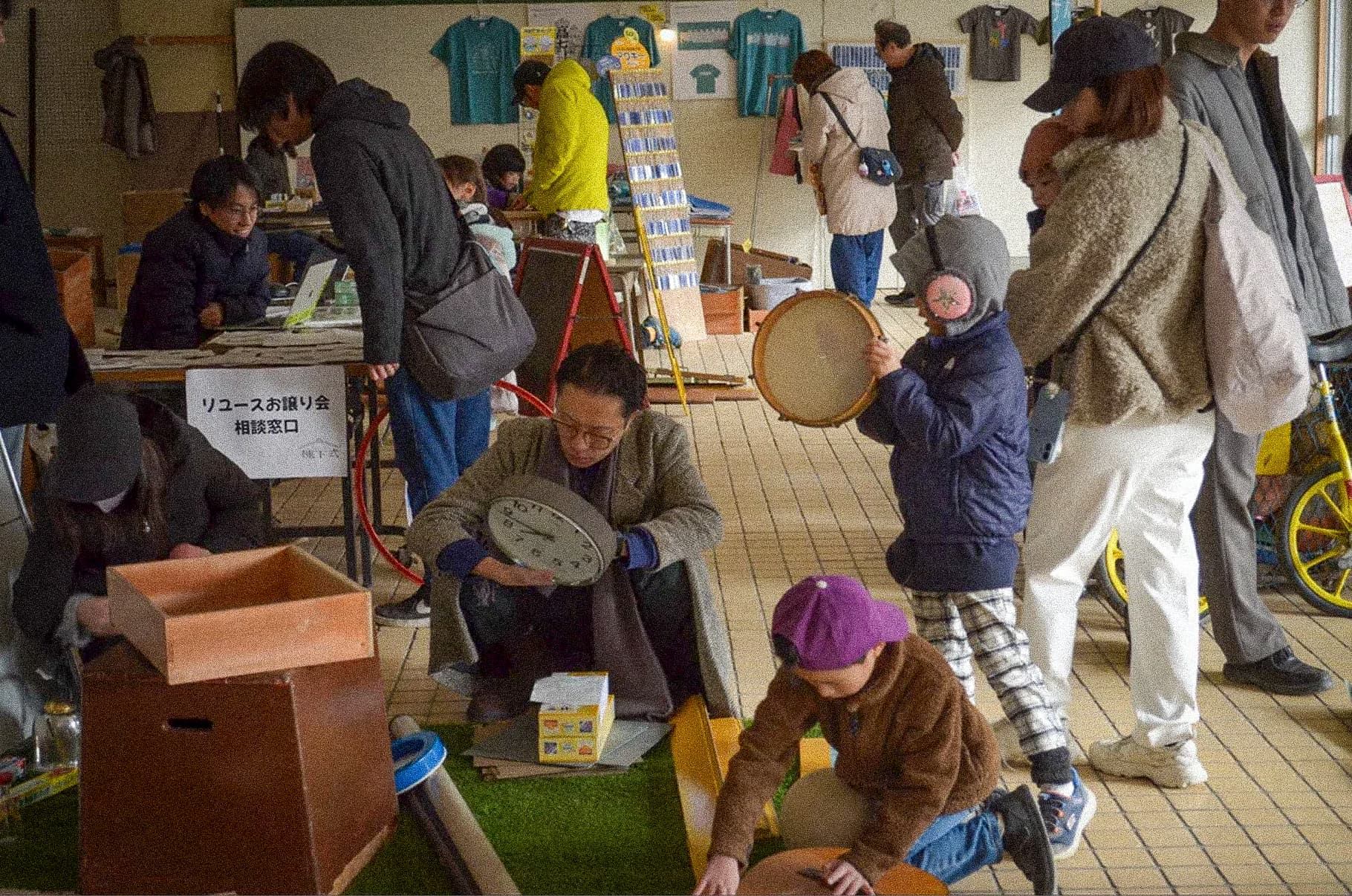
FIG.1
I didn’t want to see the demolition as “the end”
In August 2025, it was decided that the former Takashima Seventh Elementary School, located in a corner of the Takashimadaira Housing Complex , would be demolished. The school, which opened in 1979 and closed in 2007, had stood unused for 18 years and was scheduled to be demolished next fiscal year as part of urban planning for the area.
ASIBA, the Takashimadaira Community Development Promotion Division of Itabashi Ward, and ReLink did not want to view this demolition as “the end.”They sought to pass on the materials and the memories they hold to the local community, and to open up the demolition process itself so that many people could participate. They named this concept “Demolition Stop” and devised a plan to carry out the demolition in a festival-like manner.
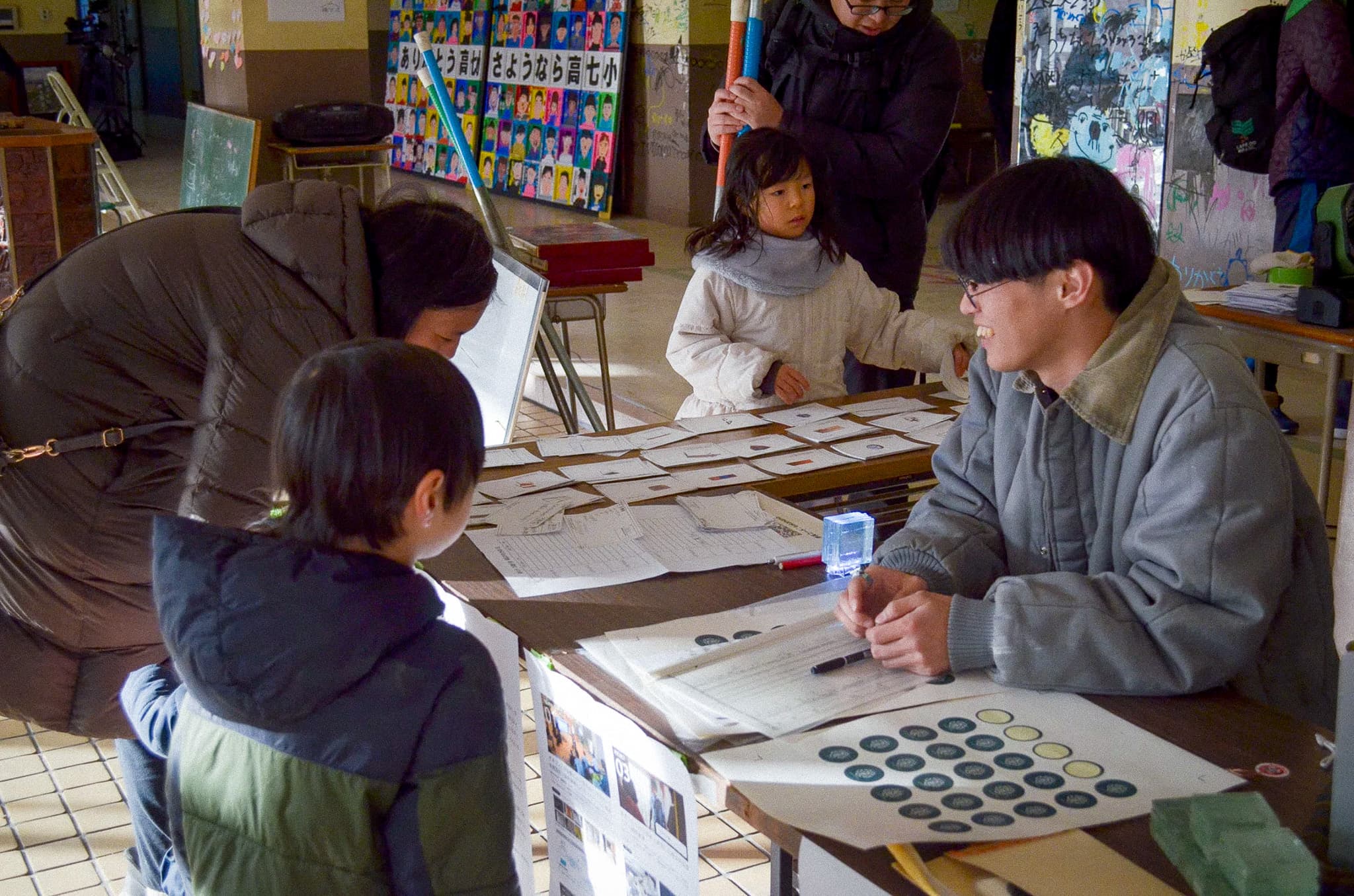
FIG.2
Yuzuru
First, they held a total of four “demolition ceremonies.” At the second one (in July), the residents themselves dismantled the stair railings.At the third event (October), people of all ages came together to sketch ideas for reusing the building materials and furnishings. At the fourth event (December), we held a “giveaway” to hand over the materials and furnishings to local residents.
“A teacher here told me I was good at drawing, and that’s why I went on to Musashino Art University.“I’m taking this chair from the art room home for my daughter,” said one mother. “I’m going to turn it into a pudding cup. I’ll treasure it as a memento of Seventh Elementary School,” said a woman from the neighborhood who had been gazing at the school building from her balcony all this time. “I’d been looking at it, thinking, ‘The school’s still there.’ It really is sad, isn’t it?” A graduate from Showa 62 picked up a poster listing the school’s educational goals.
Objects serve as catalysts, connecting people of different generations and backgrounds who would not normally interact. When a place faces demolition, these objects take on the role of narrating collective memories.
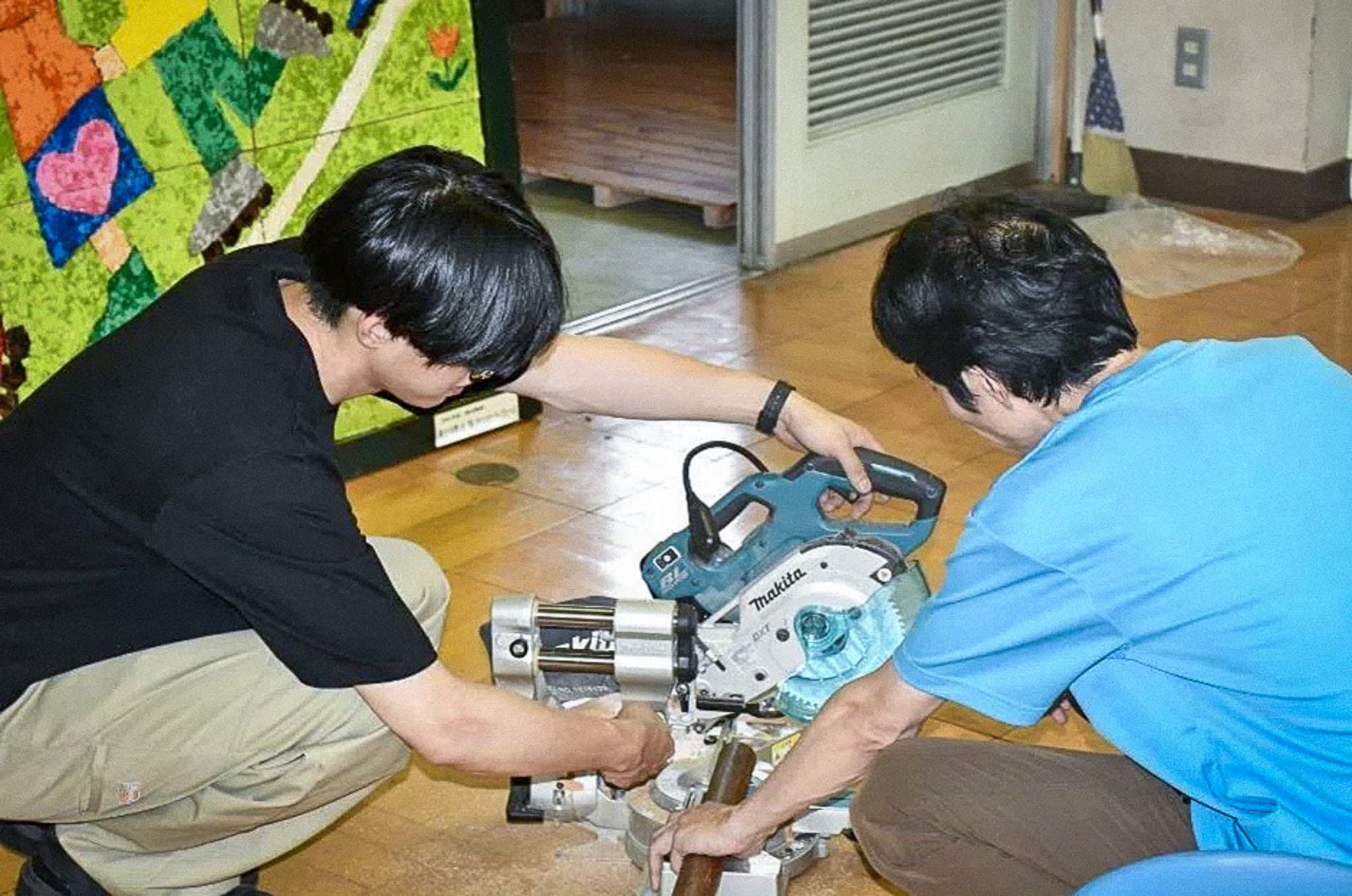
FIG.3
FIG.4
Dismantling
On February 13, more than 10 people—including local residents and artists—gathered for the “Peel-Peel Workshop” to physically dismantle the school building’s flooring. The workshop was led by Mr. Yamusa, a craftsman specializing in manual dismantling—a tradition dating back to the Meiji era.Starting with how to hold tools and proper posture, participants learned to apply force precisely after understanding the structure of the joints. This is a technique called “ike-tori ,” which involves recovering materials without damaging them. Rather than the destructive demolition typically imagined, the process involved delicate movements, as if carefully “unraveling” the materials.
Once the floor was stripped away, another floor appeared beneath it—a cross-section of time layered upon time. As they worked, the graduates began sharing their memories of those days.A forestry expert shared information on the species and provenance of the wood used. The very act of dismantling a familiar building took on a “festival-like” character—a dialogue with one’s own memories and an exchange fostered through collaborative work.
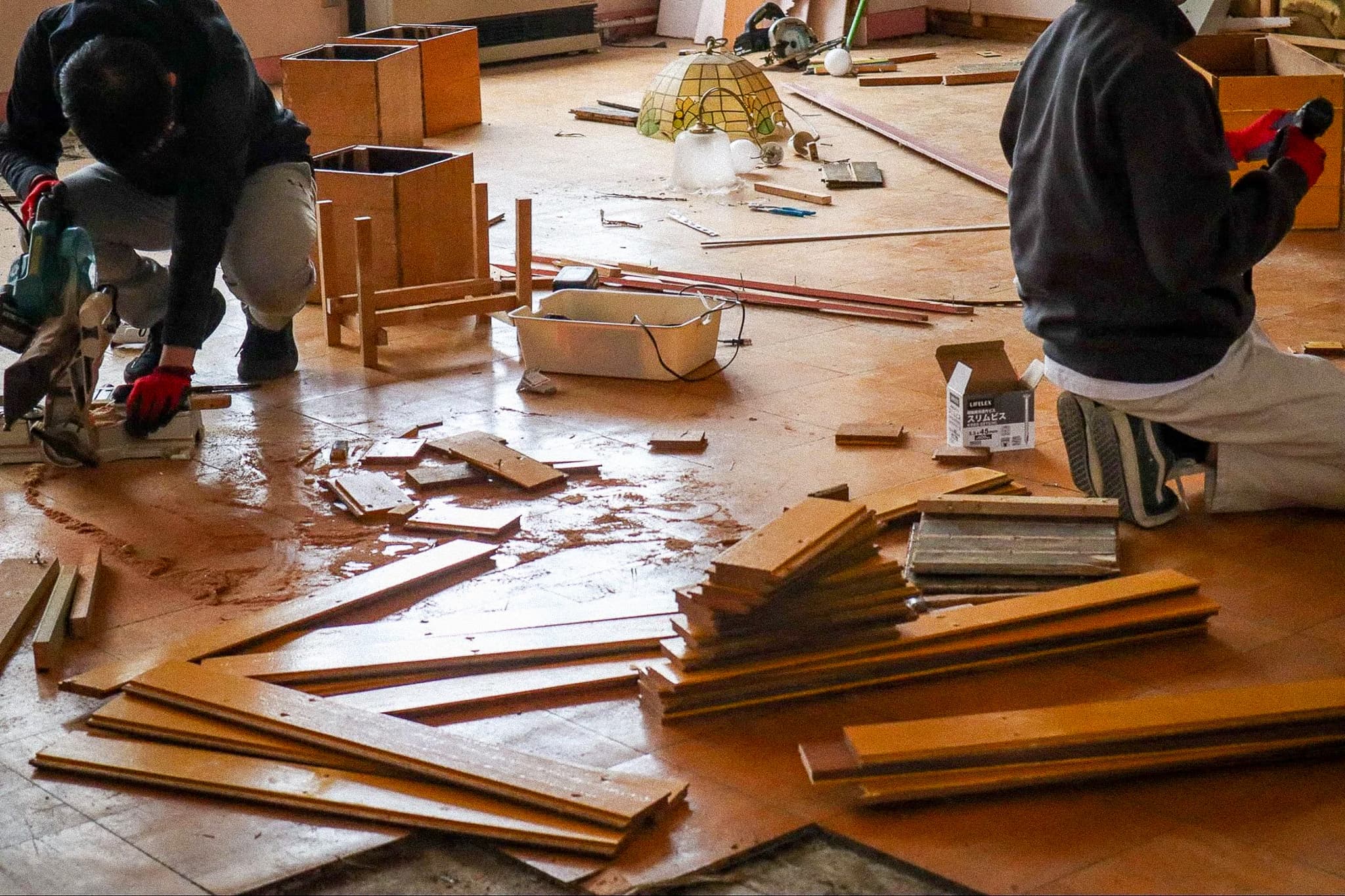
FIG.5
Staying Overnight
On March 1 and 2, ten artist groups gathered at the abandoned school to hold a two-day, one-night “Abandoned School Art Night.”
Spaces that were filled with people during the day take on a different character at night. You can see all the way to the end of the hallway, light from outside streams in through the classroom windows, and the writing on the blackboard glows in the darkness. Details that went unnoticed when the building was in use only become visible once people have left. The artists walked around freely, sat down, and explored the space.
Since the Art Night, many artists have repeatedly visited the school building and continued creating their works until the very end. Staying overnight in an abandoned school means forming a temporary coexistence with a place that is fading away. It means sharing time with the building before it disappears—and with the time remaining until it does.
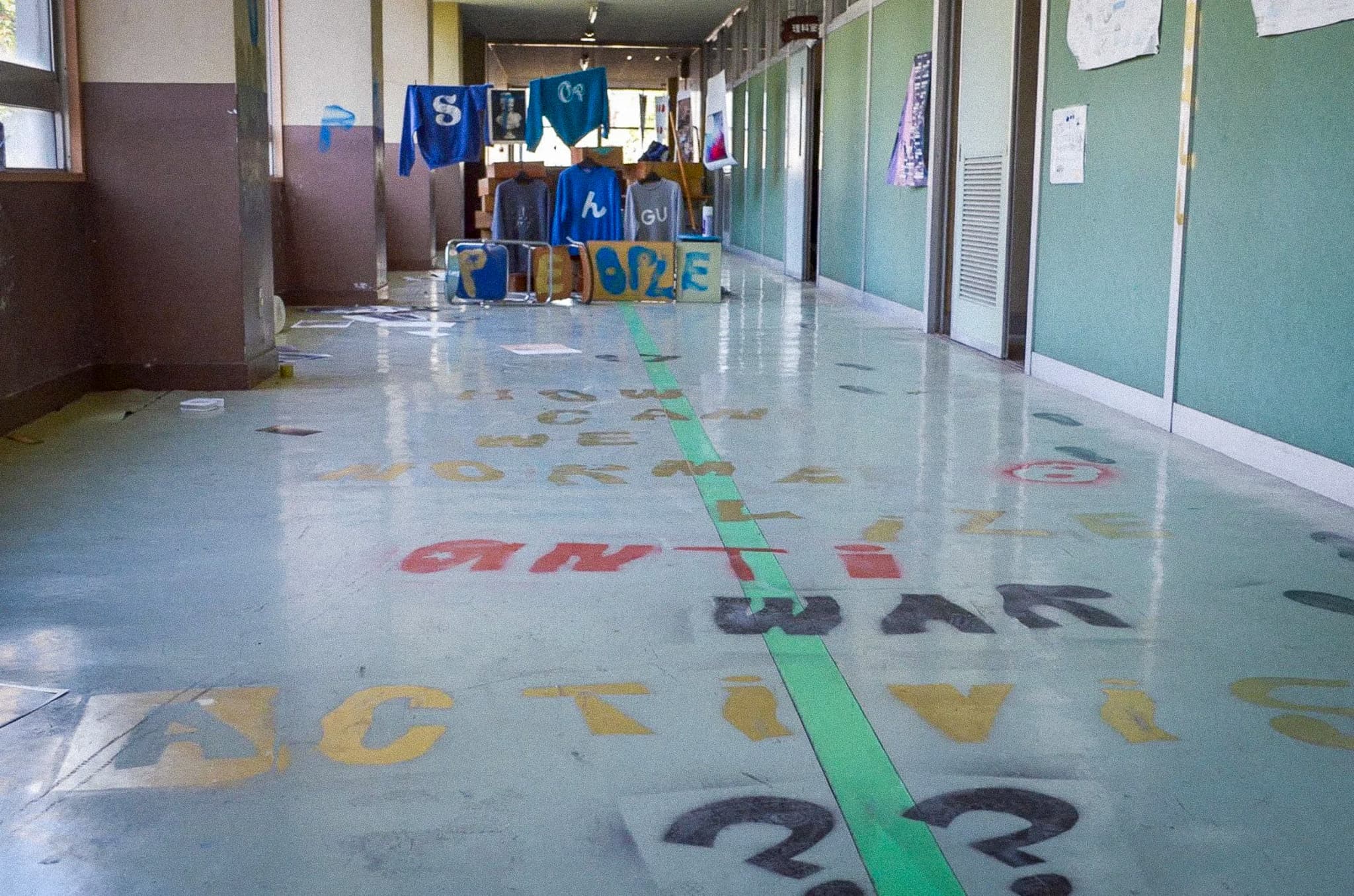
FIG.6
A Response to a Vanishing Place
At the grand finale on March 14, 14 works were exhibited.
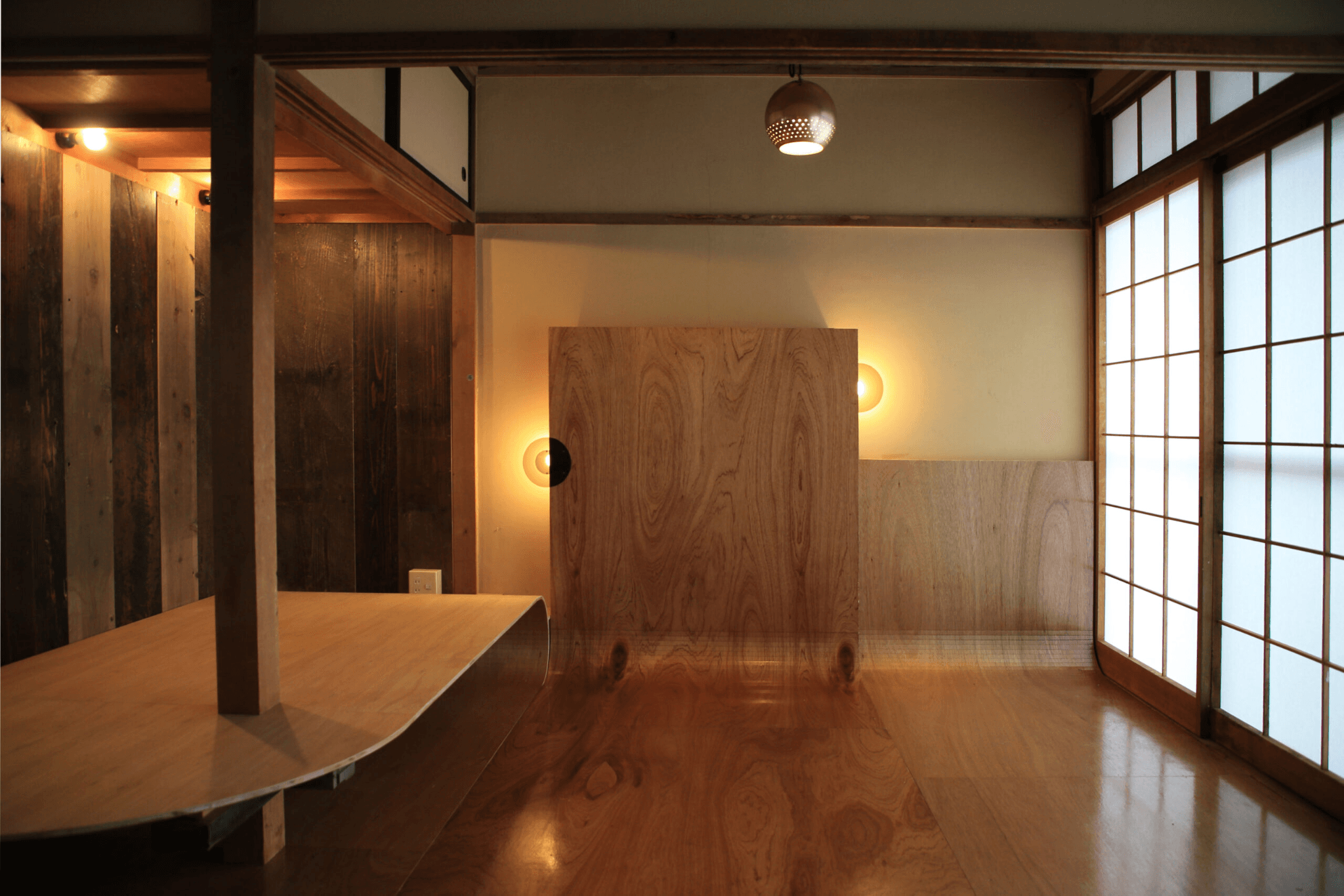
Marcy performed a “funeral makeup” ritual in one of the classrooms. Teiro reconfigured nameplates and signs collected throughout the school onto the surface of a bench.Morioka used the stained-glass panels from the cafeteria chandelier and flooring from the classrooms to express the legacy of Takashichi Elementary School as it transitions from the past to the future. The Witch of Freedom drew a magical circle for a séance on the floor and sang the school song in unison with the participants.Honda and Nihei, who are also the organizers, attach price tags to and sell furniture and decorative items created through a process of excavating and lightly refining discarded materials—a process they call “salvage.” By deliberately assigning value through the external metric of money, they reexamine the value of the unused school building itself.
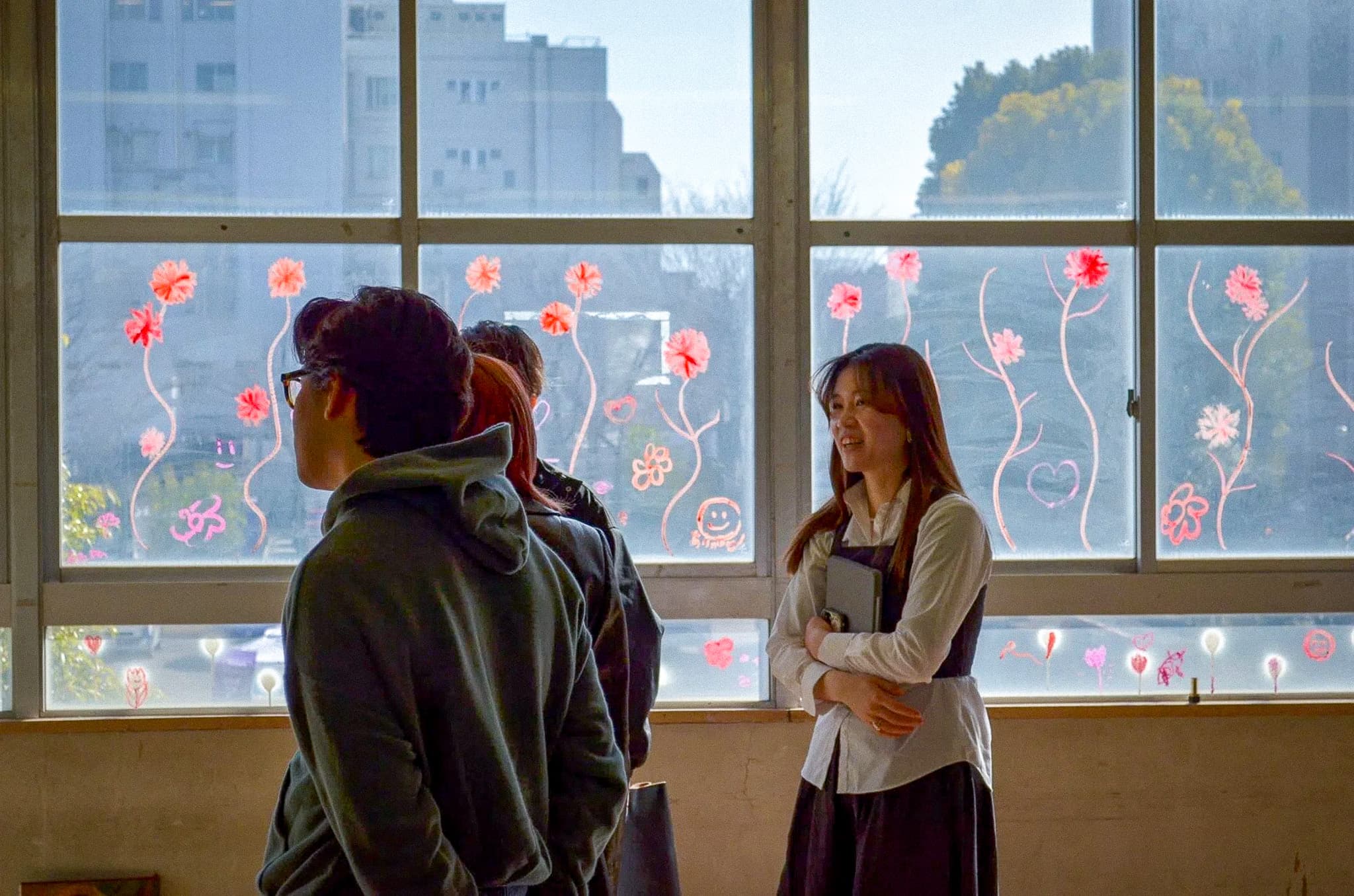
FIG.7
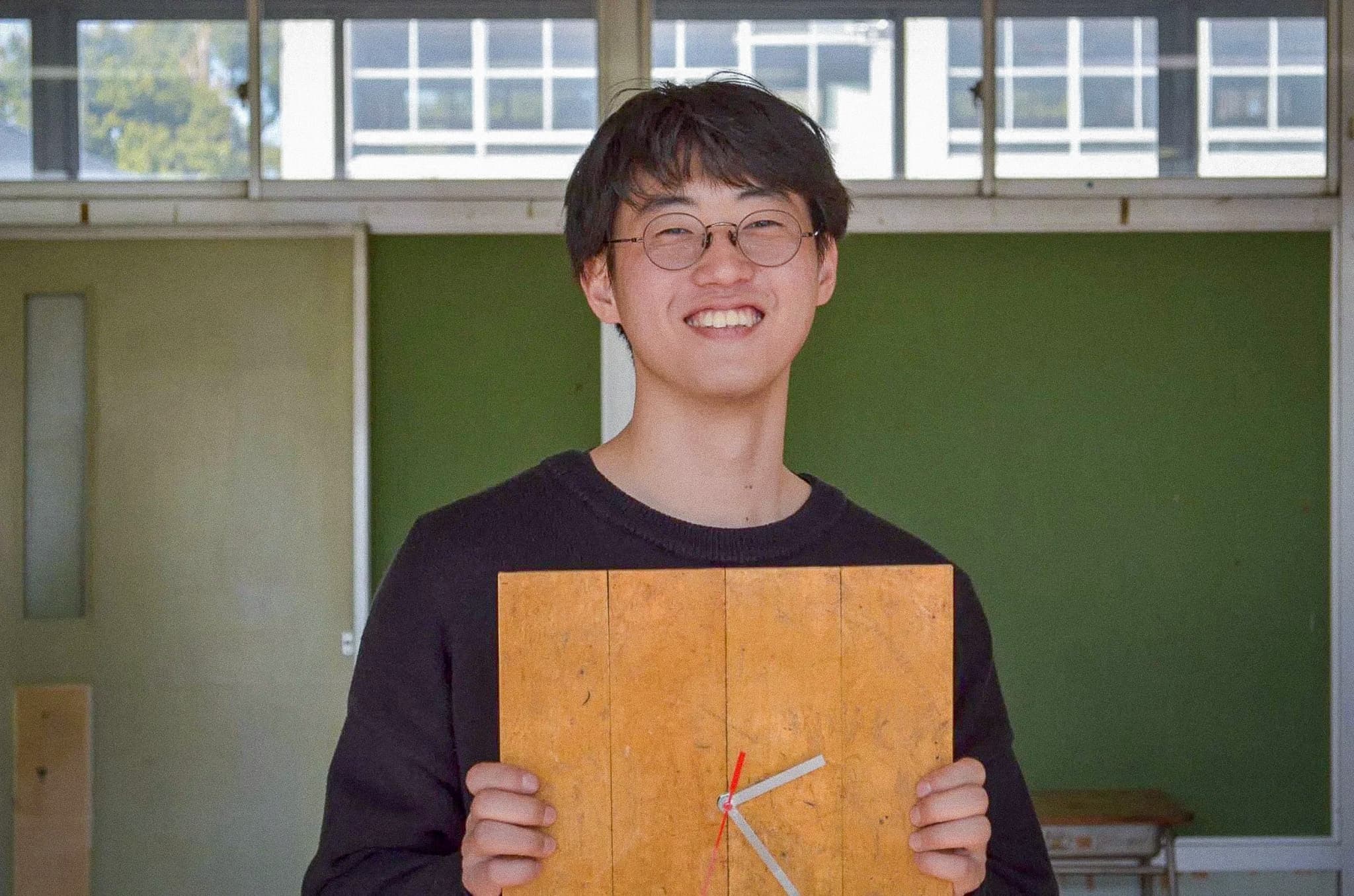
FIG.8
The Kaichiku Stop Project—along with the artists who have joined in support—consists of people who look squarely at the real objects, spaces, and people right before their eyes, continuing to offer small acts of resistance amid an overwhelmingly vast tide of change.Overturning the logic of society is no easy task, but if everyone simply surrenders to the system, too much will be swept away. A response to places that are fading away. There lies an undeniable reality, preserving the memory that objects and people once spent time there. We honor that memory and pass it on to the next generation.
The value of an object is not determined at the moment of its creation. Value is reborn the instant someone seeks to form a connection with it. The materials from this school building are now marking different times in their respective locations.
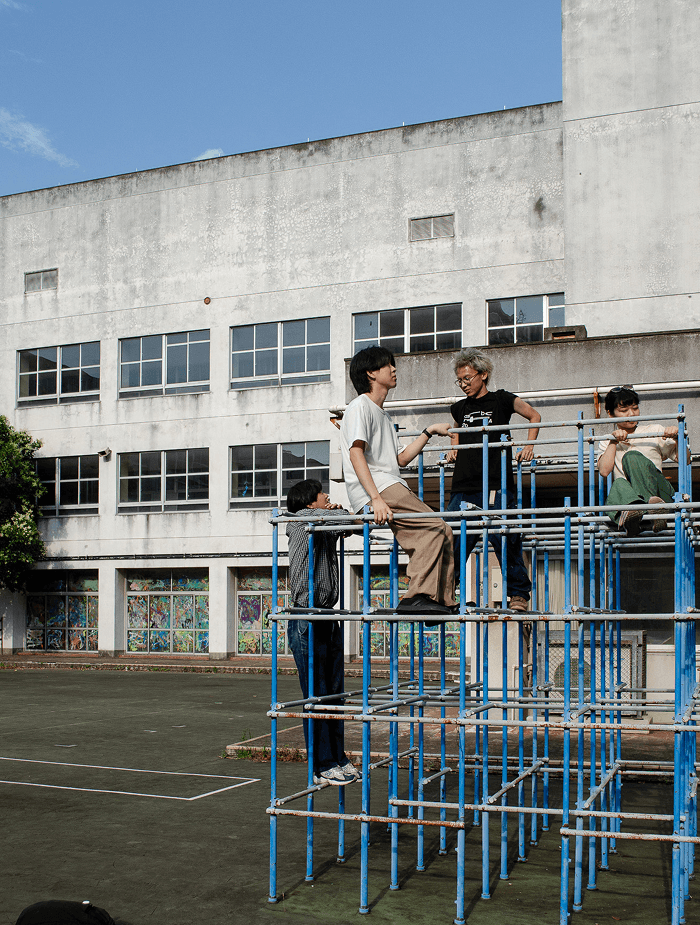
FIG.9
Program Overview
Demolition Ceremony
- 2nd Topping-Out Ceremony (July 5, 2025) | “Handrail Dismantling Workshop,” an archive of memories using the “Camera of Memories,” and hands-on furniture-making experiences, among other activities
- 3rd Topping-Out Ceremony (October 19, 2025) | Workshop to solicit completely new ideas for utilizing the school building’s materials and furnishings
- 4th Topping-Out Ceremony (December 13, 2025) | “Handover Event” to pass the school building’s materials and furnishings on to new owners
Phase 1: Demolition Stop
- Peel-and-Go Workshop (February 13, 2026) | Experience dismantling school building materials
- Closed School Art Night (March 1–2, 2026) | Kickoff for artists’ residency projects
- Grand Finale (March 14, 2026) | A farewell ceremony with Takashichi Elementary School
Phase 2: Demolition Stop
- Practical Demolition Program (June 13, 2026)
- Artist Residency (June 15–26, 2026)
- Demolition Stop: Final Run (July 5, 2026) | Art Exhibition, Repair Workshop, and Discussion with Government Officials
Phase 1: Exhibited Works
- Marcy, “The Final Disguise”
- Kaion Masuda, “Excerpt from ‘ASIBA as Seen by a Witch #04: Something I Want to Build in Takashimadaira’”
- Kaion Masuda, “‘Thank You for 47 Years, Takashichi Elementary School’”
- Kaion Masuda, “The School Song, in the Margin of the Door”
- El, the Witch of Freedom: “Magic Circle for Summoning Spirits”
- Hikaru Morioka: “Passage of Time”
- Otoha Takahashi, “A Classroom Scene Inside a Box”
- Takumi Yoshida, “How Can We Normalize Anti-War Activism”
- Hide Hayashi, “Datz Life!”
- Eisuke Honda, “The Clock Connecting the Moments of Takashichi Elementary School” (¥7,000)
- Eisuke Honda, “The Seedling Trays of Takashimadaira”
- Yuta Nihei, “Salvaged Accessories” (¥500)
- Yuta Nihei, “Salvaged Light”
- Teiro, “Memories of Yesterday”
RELATED WORKS
RELATED TEXTS
Producer / Director
ANNOUNCEMENT
2026.10.21.

ASIBA rebrands as a "Creative Ecosystem for Practice and Research"
ASIBA Rebranding 2026
ANNOUNCEMENT
2026.10.21.
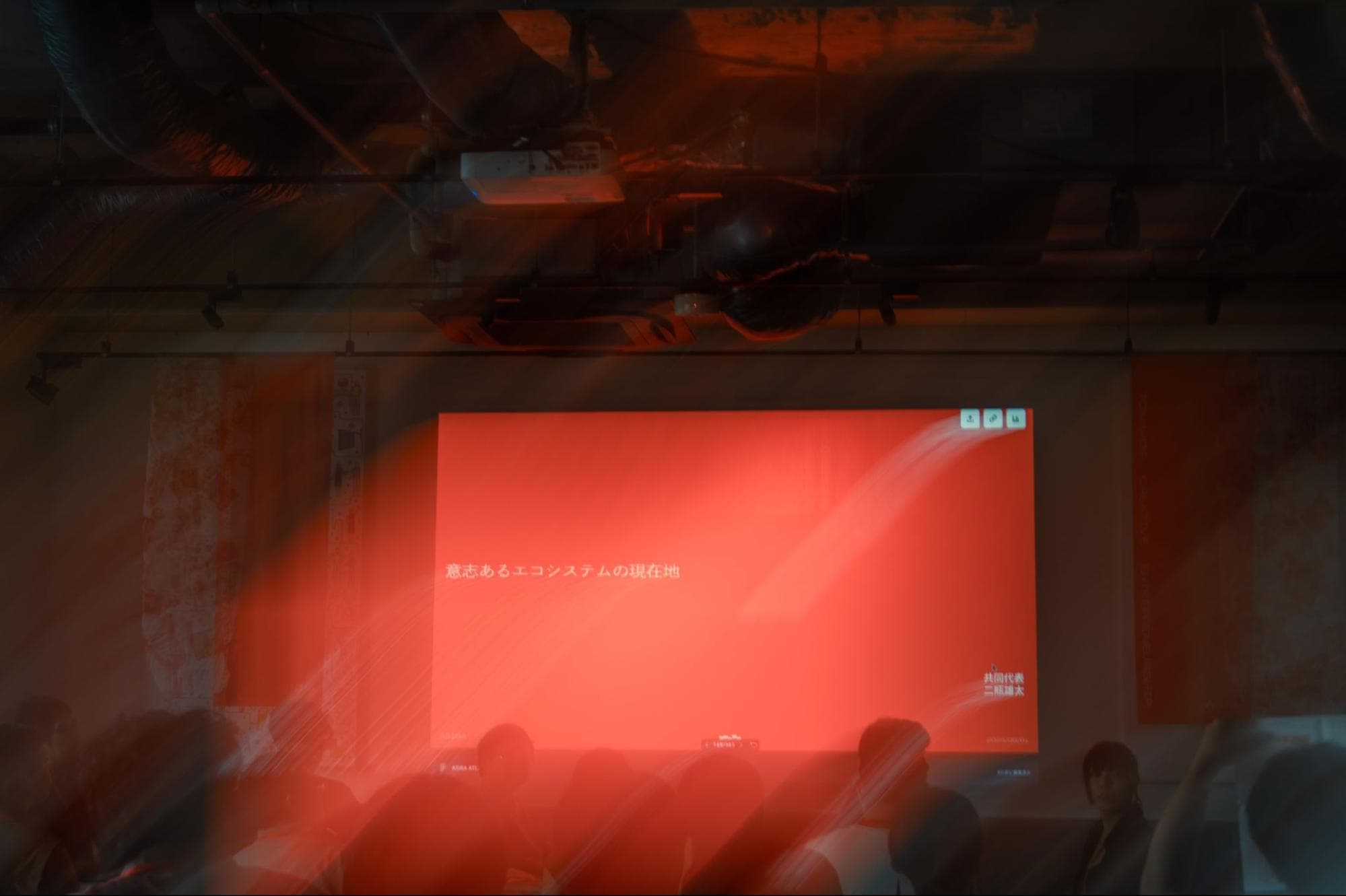
Where the Willful Ecosystem Stands Today: Three Years Since Incubation
ASIBA ATLAS 2026 Report #1
REPORT STATEMENT
2026.10.20.

Turning Demolition into a Beginning, Not an End — Announcing Kaichiku Teiryujo @ Takashimadaira Round 2
Kaichiku Teiryujo Round 2 Announced
ANNOUNCEMENT
2026.06.09.
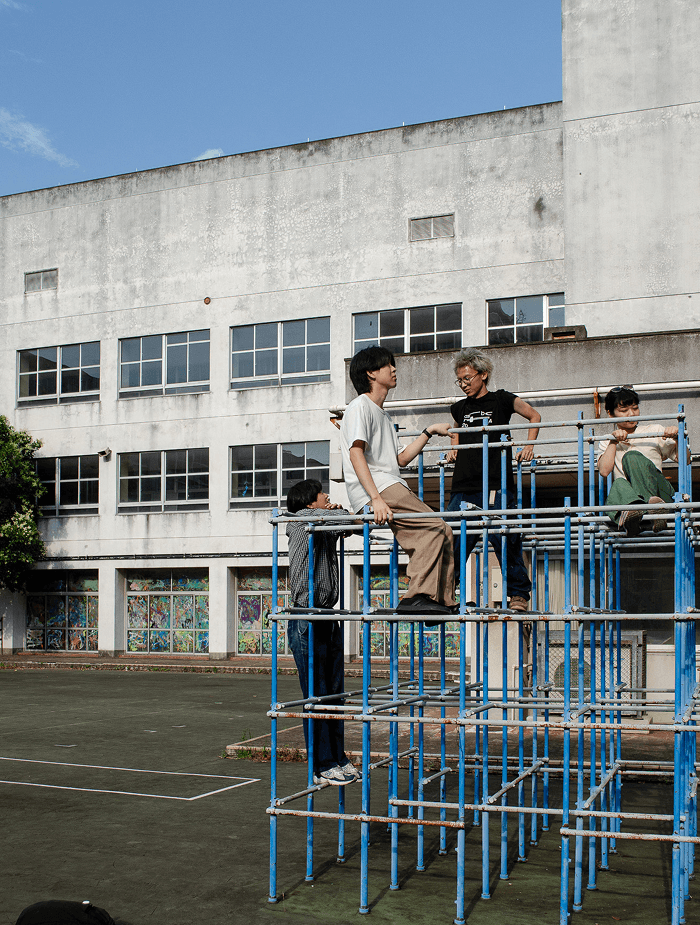
Connecting Memories of a School Awaiting Demolition Through Art — Kaichiku Teiryujo @ Takashima Seventh Elementary School
Kaichiku Teiryujo: The Finale
REPORT
2026.03.30.
Weaving a Neighborhood's Character from Waste Materials — Itabashi City Takashimadaira Urban Planning Division × ReLink × ASIBA
Public Partner Dialogue #1
DIALOGUE
2026.03.30.
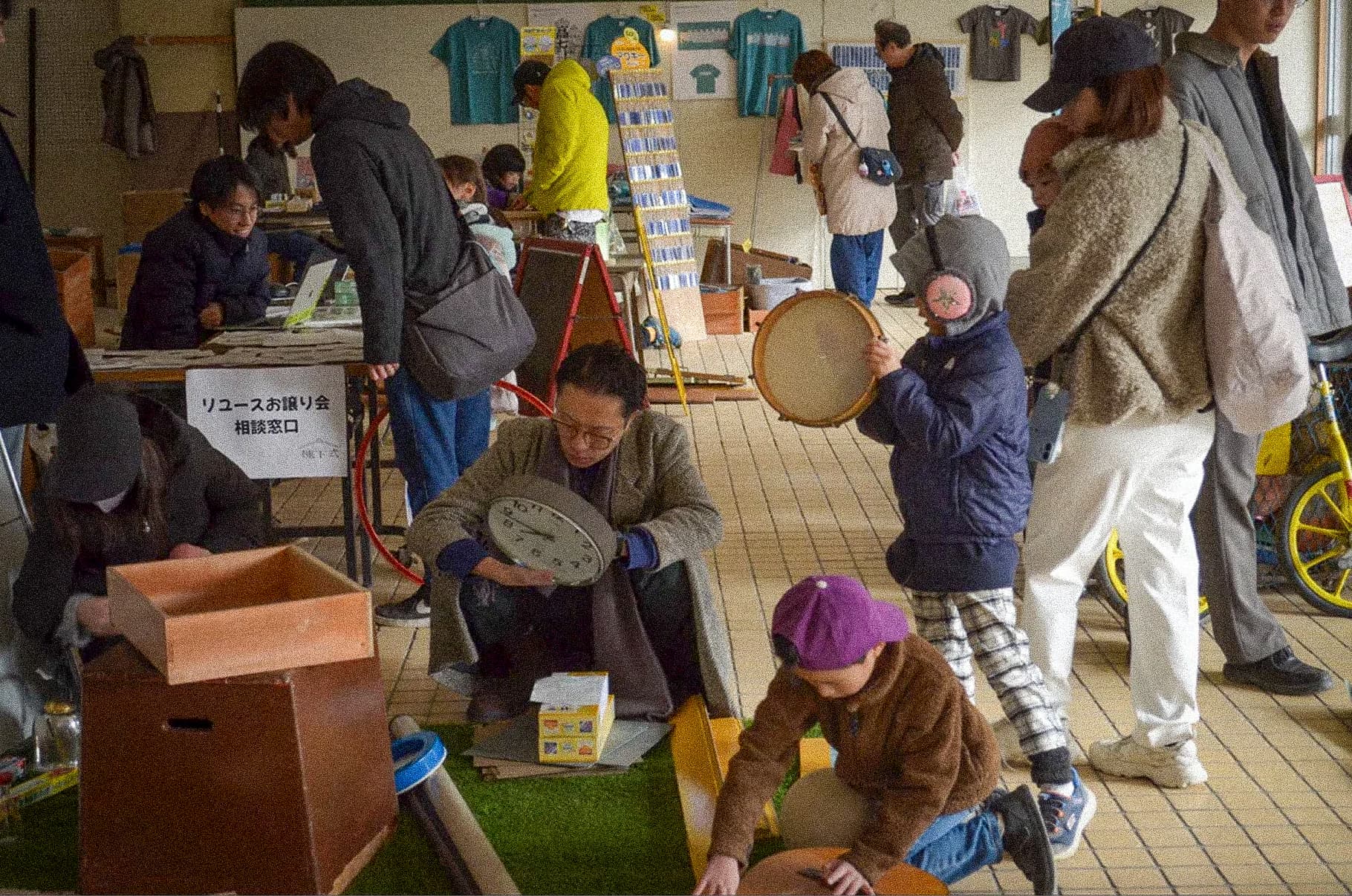
Passing on Memories: The 4th Foundation Laying Ceremony of the Old Takashima Seventh Elementary School
Kaichiku Teiryujo Report #2
2026.01.07.

Memories Residing in an Elementary School Facing Demolition - The Fourth Phase of the Takashima Seventh Elementary School Farewell Ceremony
Kaichiku Teiryujo Report #3
2026.01.25.
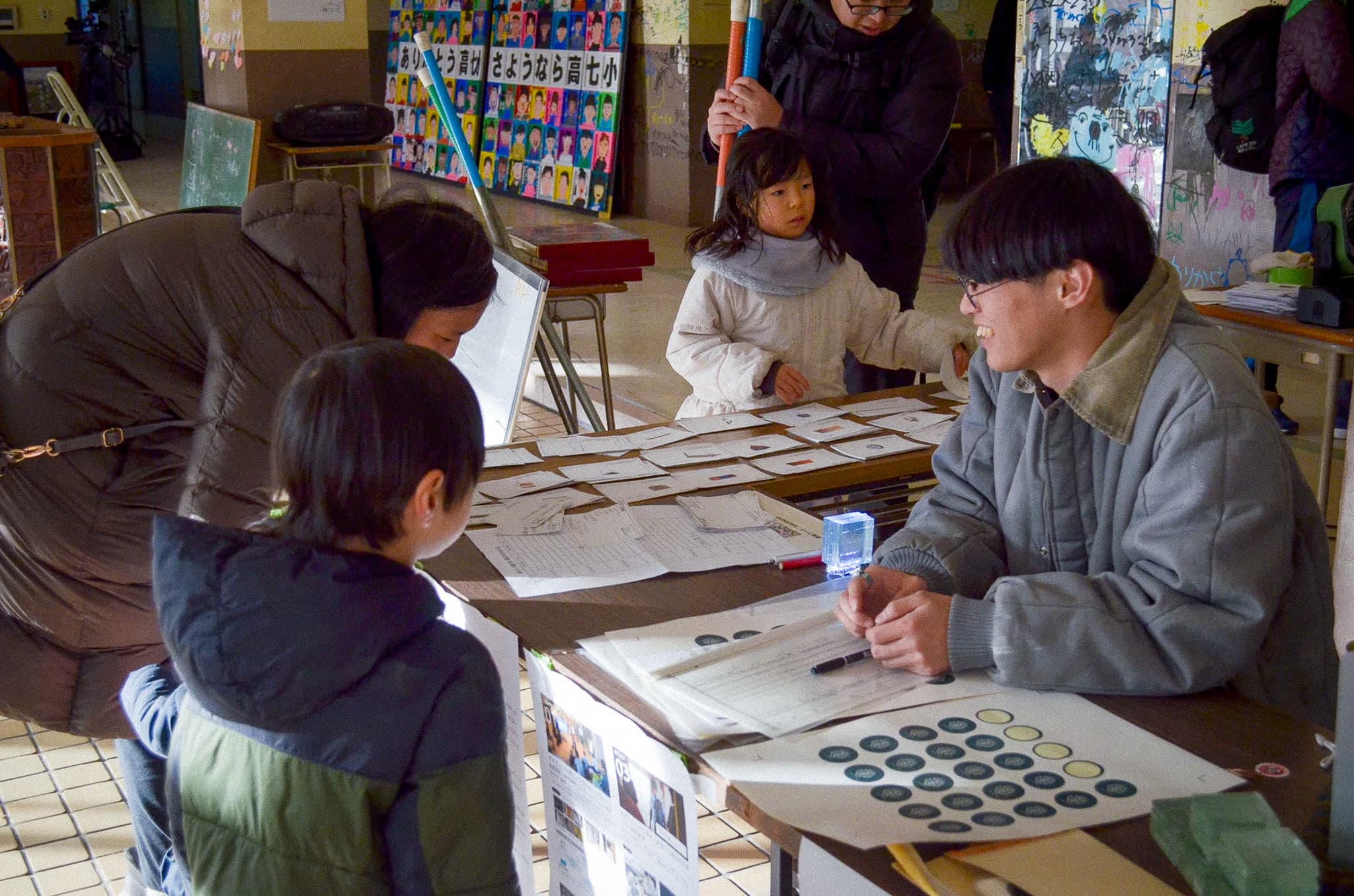
Workshop on Utilizing Demolition Materials at Former Takashima Seventh Elementary School
Kaichiku Teiryujo Event Report #1
2025.10.31.
Itabashi Ward, ReLink, and ASIBA Collaborate to Launch the Takashimadaira Upcycle Project!
Kaichiku Teiryujo Launch Announcement
2025.08.19.
CREDIT
inhouse
collaborator
League Player
external