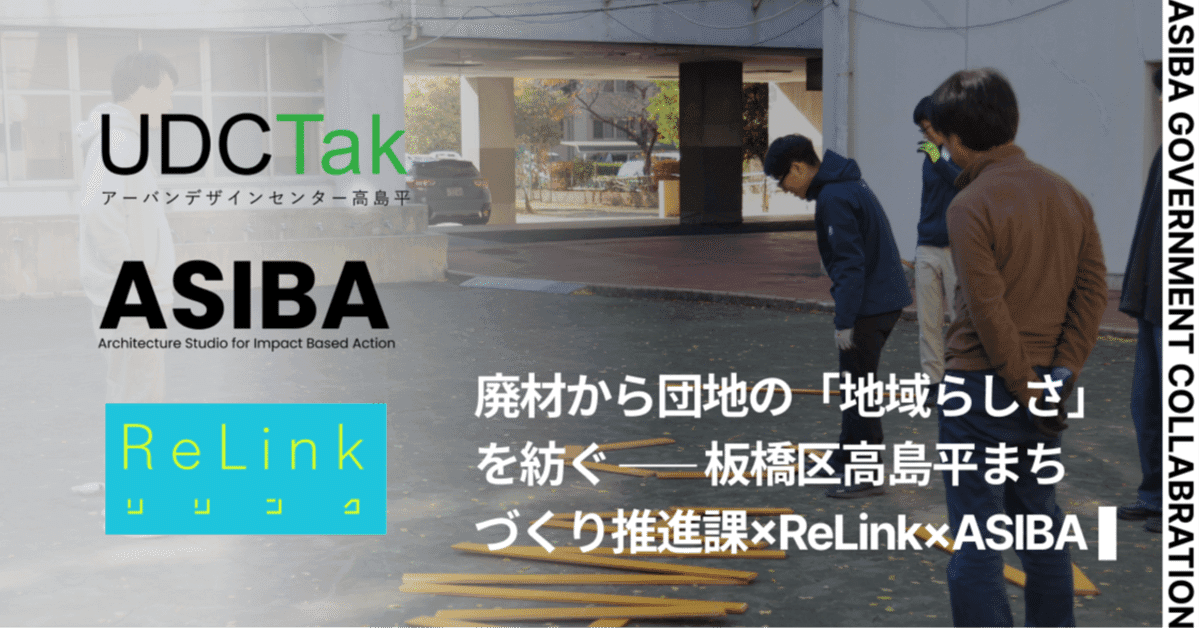
Kaichiku Teiryujo Launch Announcement
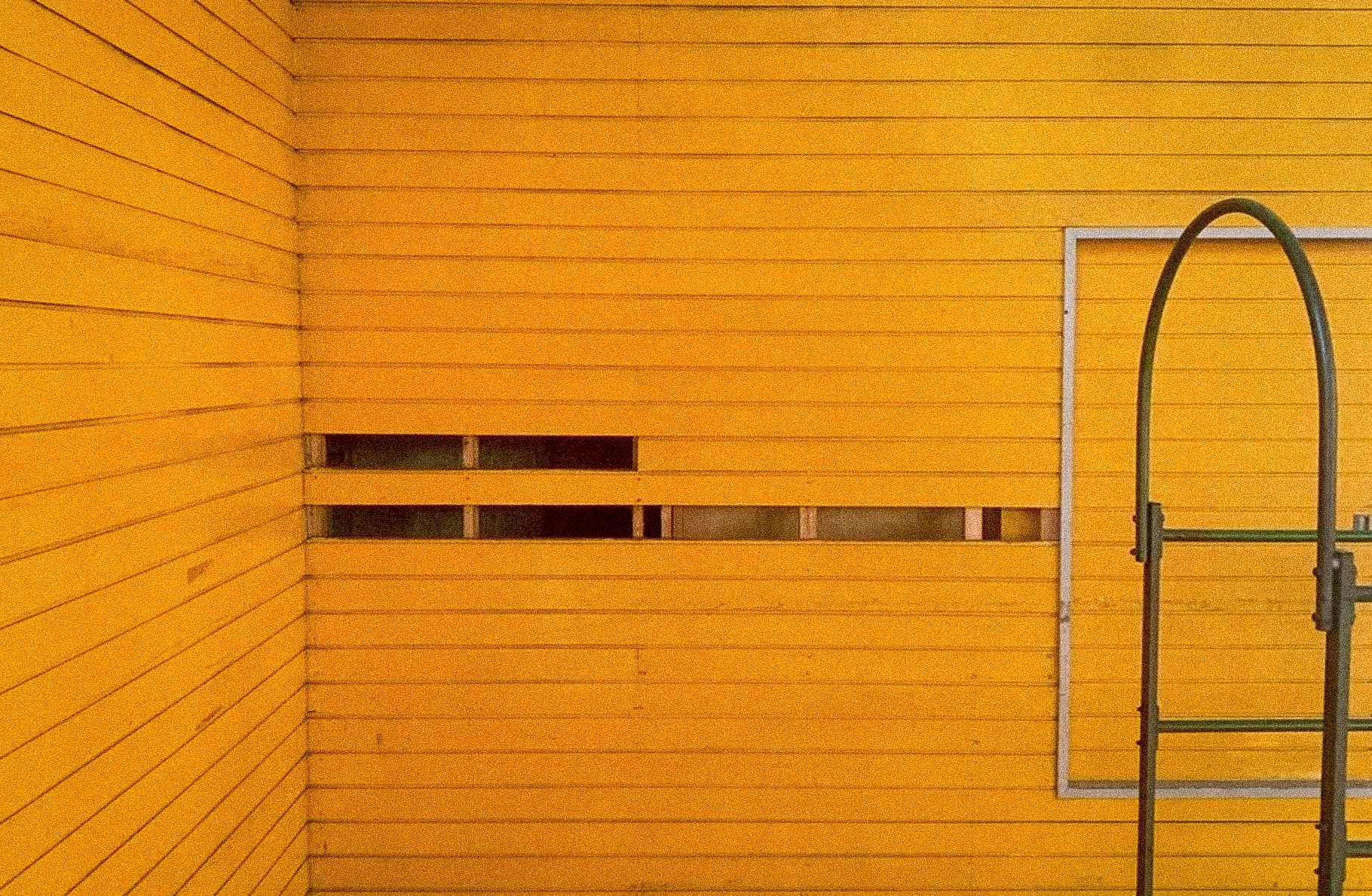
FIG.1
ASIBA, a general incorporated association, is launching the Takashimadaira Upcycling Project in collaboration with the Takashimadaira Community Development Promotion Division of Itabashi Ward and ReLink LLC (ASIBA PROJECT LABEL).Starting with the reuse and upcycling of scrap materials from Takashima Seventh Elementary School—which is scheduled for demolition next year—this project aims to establish a community-based recycling system throughout the entire Takashima-dai housing complex, foster a culture of reuse, and build a community centered on reuse.
The Takashimadaira Housing Complex was completed in 1972, more than 50 years ago. As the residents have aged, the buildings have also deteriorated, and some public and community facilities no longer meet current needs.
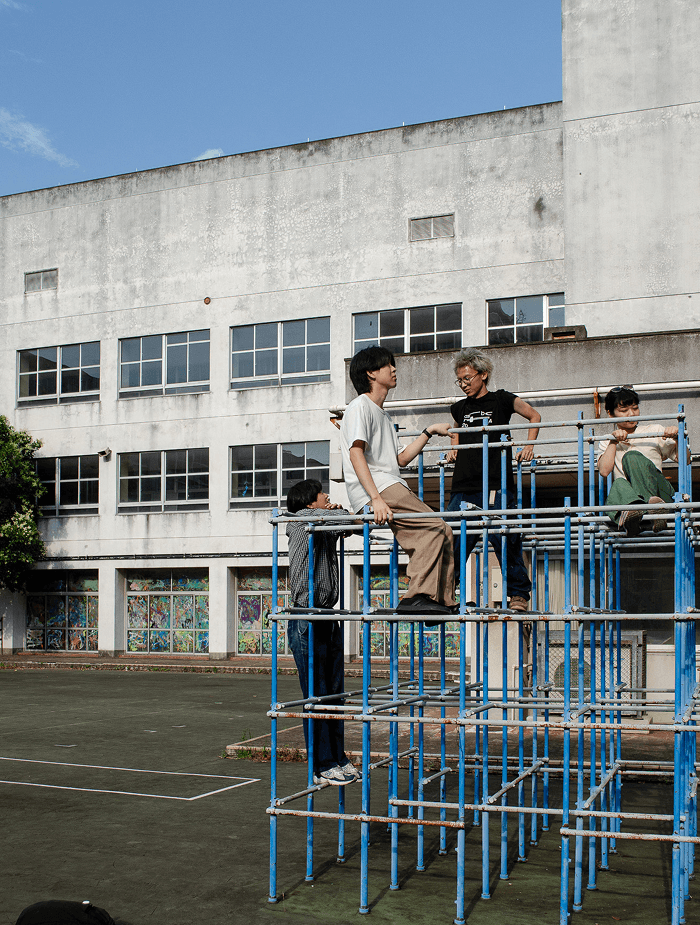
Takashimadaira Seventh Elementary School (Takashichi Elementary), located directly across from Takashimadaira Station on the Toei Mita Line, opened in 1979 as the seventh elementary school in the Takashimadaira area. However, it closed in 2007 and was merged with Takashimadaira Second Elementary School.Although plans for its future use remained undecided for a long time, a project is now underway to develop the site into UR Urban Development Corporation rental housing—with daily-life amenities located on the lower floors—and a plaza for community activities. This project will serve as the starting point for a series of redevelopment projects in this aging neighborhood.
On the other hand, since this chain-reaction redevelopment will require residents to move, a large volume of waste is expected to be generated. Furthermore, the streetscape that has remained unchanged for 50 years will undergo significant changes. Additionally, as the population ages, the importance of local communities—especially in the event of illness or disaster—is growing.In response to these challenges, this project aims to foster a culture of reuse within the community, pass on memories and history to new buildings through the reuse of construction materials, and build community bonds both within and outside the housing complex through these reuse efforts.
ReLink LLC and ASIBA, a general incorporated association, are implementing an upcycling project in collaboration with Itabashi Ward to foster a culture of local recycling that reduces environmental impact.Furthermore, using the demolition as a starting point to reflect on “the past 50 years” of Takashimadaira, we will work together with local residents to envision, create, and share what “the next 50 years” will look like.
In this project, keeping in mind the differences from conventional upcycling initiatives, we will cherish the following three points as our core values.
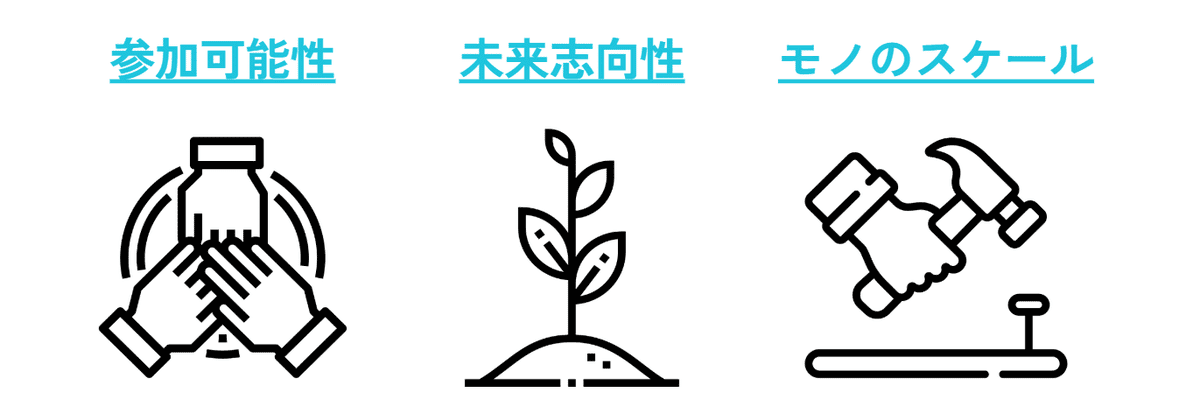
FIG.2
1. Accessibility: Rather than simply increasing the upcycling rate
of building materials, we prioritize opening up the upcycling process to encourage participation from as many people as possible.
2. Future-Oriented:
Traditional “building-closing ceremonies” and demolition festivals were events to mourn the past and reflect on the present. This project connects the past to the future through upcycling, creating an opportunity to envision the future of Takashimadaira.
3. The Scale of Objects: Conventional
community-building workshops required a bird’s-eye view of the entire neighborhood, which often made it difficult to foster dialogue. By focusing on the scale of individual objects, this project makes it easier for residents to see the neighborhood’s future as something that directly concerns them and creates a space for dialogue.
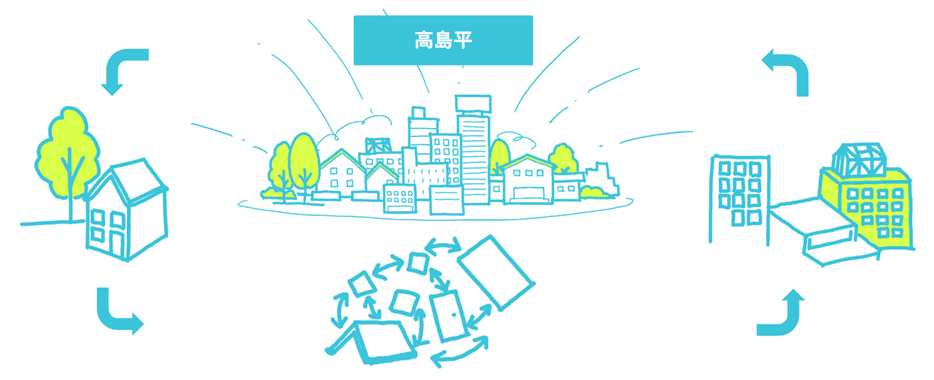
FIG.3
Starting with Takashichi Elementary School, this project aims to create a local circular system that will eventually expand to the entire Takashimadaira housing complex. We will develop a concrete model that goes beyond mere material circulation: one in which local memories are passed down through objects, fostering community among residents while also contributing to reduced environmental impact.
Takashichi Elementary School will hold several “Building Demolition Ceremonies” throughout this school year, culminating in a grand finale at the end of the year. The two ceremonies held so far have attracted large numbers of participants, including alumni, local residents, and children.As part of this project, we held a workshop during the second “Tate-shita-shiki” event on July 5 to serve as an entry point for raising interest in upcycling. Moving forward, at the remaining “Tate-shita-shiki” events scheduled through the end of the school year—as well as at the grand finale—we will work with participants to dismantle the elementary school’s structural components and archive memories associated with the building.
We will use materials dismantled during events such as the building dismantling ceremonies to create fixtures and furniture.We will invite those interested in our creation program to begin by making fixtures for local events, as well as planters and furniture for community spaces, and gradually upgrade the projects we create. Starting with the dismantling process, we will create a space that connects Takashimadaira’s “past 50 years” with its “next 50 years.”
As a citizen-participatory upcycling initiative for aging public facilities, this project is unique and challenging compared to conventional upcycling or reuse projects. We are focusing on the unique potential of the Takashimadaira housing complex and believe this is a project that can only be realized here.
From the perspective of the traditional circular economy, systems and services for material circulation have been conceived to integrate, manage, and distribute waste generated from all regions.On the other hand, as researchers in building demolition and reuse (project members are currently enrolled in doctoral programs at the University of Tokyo and Meiji University), we are concerned that circular economy initiatives may actually reinforce existing socioeconomic systems.
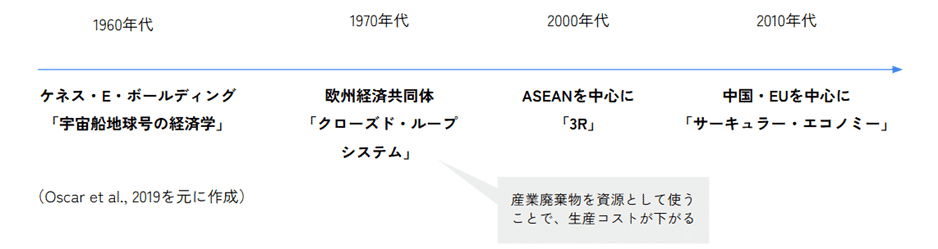
FIG.4
For example, looking at the historical context in which the concept of the “circular economy” emerged, it originated in the 1970s as a methodology for resource conservation and production efficiency—a response to calls from the manufacturing sector amid concerns over resource depletion. There was virtually no consideration of fundamental questions such as what commodities should fundamentally be, or how production, labor, and consumption should be structured.Furthermore, the “Circular Transition Indicator” (WBCSD)—one of the key metrics for the circular economy—is, at its core, a mechanism designed to optimize reuse rates within a production model based on mass production and mass consumption. Its objective is to increase the proportion of renewable resources and products relative to non-renewable ones.
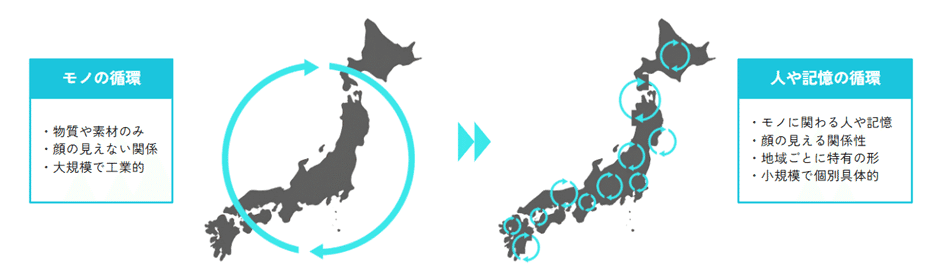
FIG.5
We aim to create a form of circularity that is smaller in scale and rooted in the local community, rather than the large-scale, industrial circular systems of the past. This is a form of circularity that values the people who have been involved with objects and the memories associated with them, and that operates within face-to-face relationships—a uniquely optimized model tailored to each specific region. The Takashimadaira Housing Complex serves as the first pilot site for this approach, and this project is the initiative to realize it.
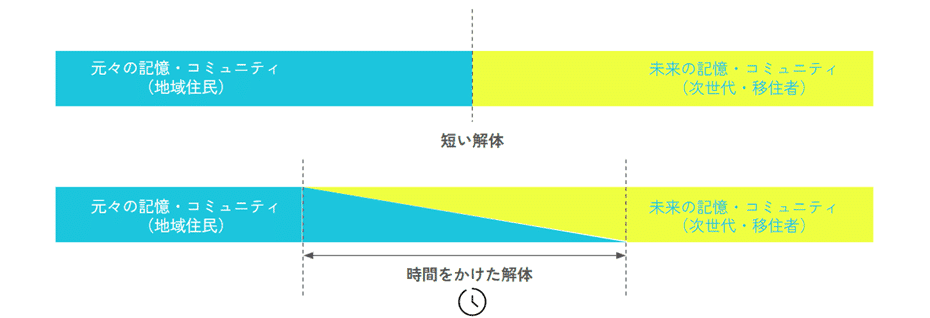
FIG.6
The biggest challenge in reusing used building materials is that demolition is often decided abruptly and carried out quickly, resulting in a mismatch with opportunities for reuse.The demolition of public buildings, such as Takashichi Elementary School, is planned over a longer period of time compared to typical demolition projects. This extra time allows original relationships to remain intact and enables local residents, the next generation, and newcomers to discuss the town’s future together—perhaps serving a role similar to that of an “engawa” (traditional Japanese veranda) in the urban context.
While a revitalized local landscape can attract younger generations, for long-time residents, it often signifies a loss of their hometown.By incorporating upcycling and reuse into the demolition—a process that pays respects to the past—we can foster community development that preserves existing connections and create a starting point where the stories of the local community are passed on to the new town through these objects.Precisely because Takashimadaira has a strong community that has endured for 50 years—and because its survival is a key challenge during redevelopment—the significance and impact of this initiative should be substantial.
Prior to the launch of the upcycling project, we held a “Handrail Demolition Workshop” and a “Memory Archive” session for the general public—primarily alumni—at the second topping-out ceremony on July 5. We also organized a campus tour and a hands-on crafting workshop for individuals interested in upcycling.
Handrail Dismantling Workshop: As a dismantling workshop designed to be accessible to the general public, we took apart a staircase handrail. Removing the screws proved unexpectedly difficult, and a loud cheer erupted when the handrail was successfully removed.
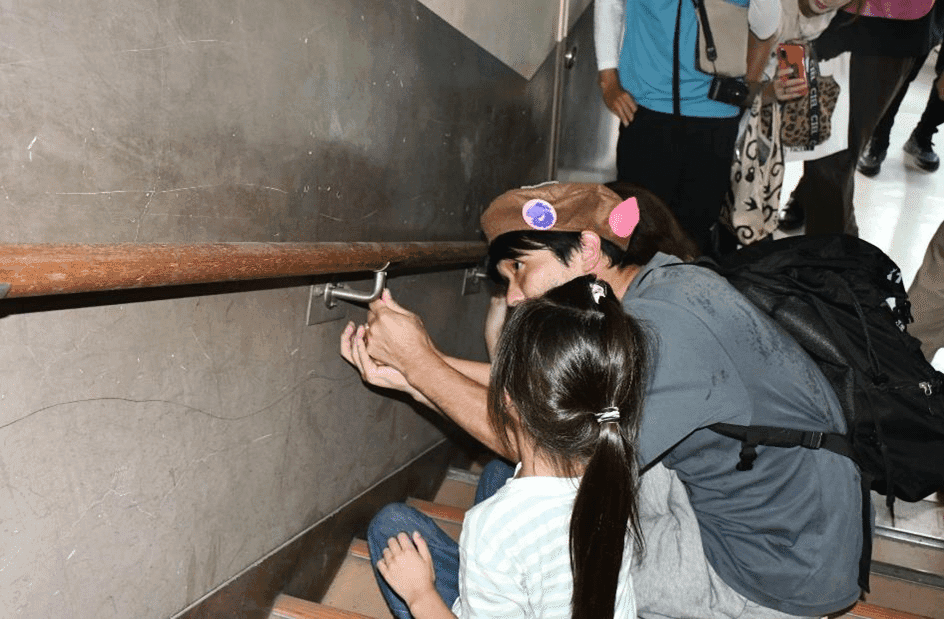
FIG.7
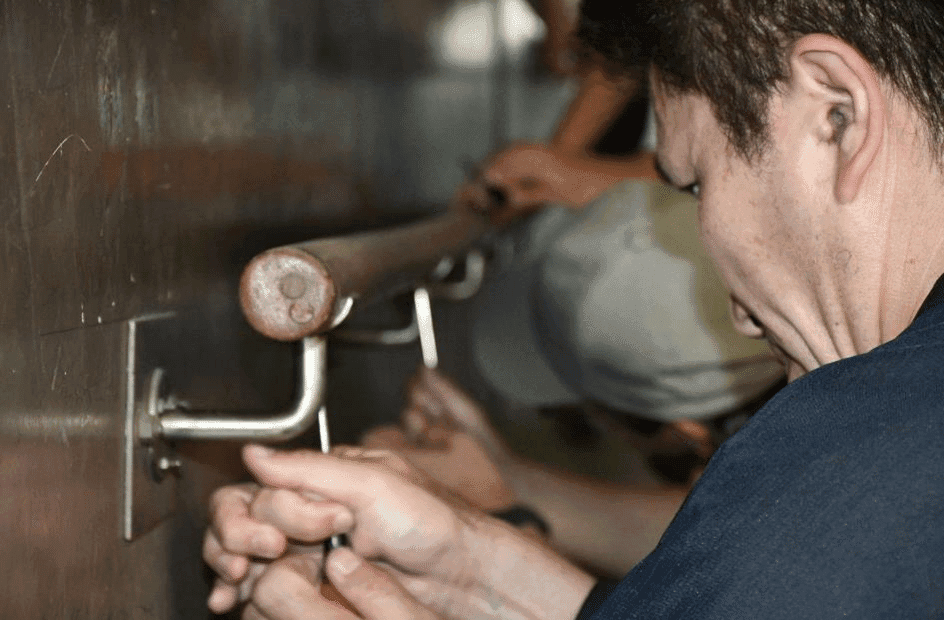
FIG.8
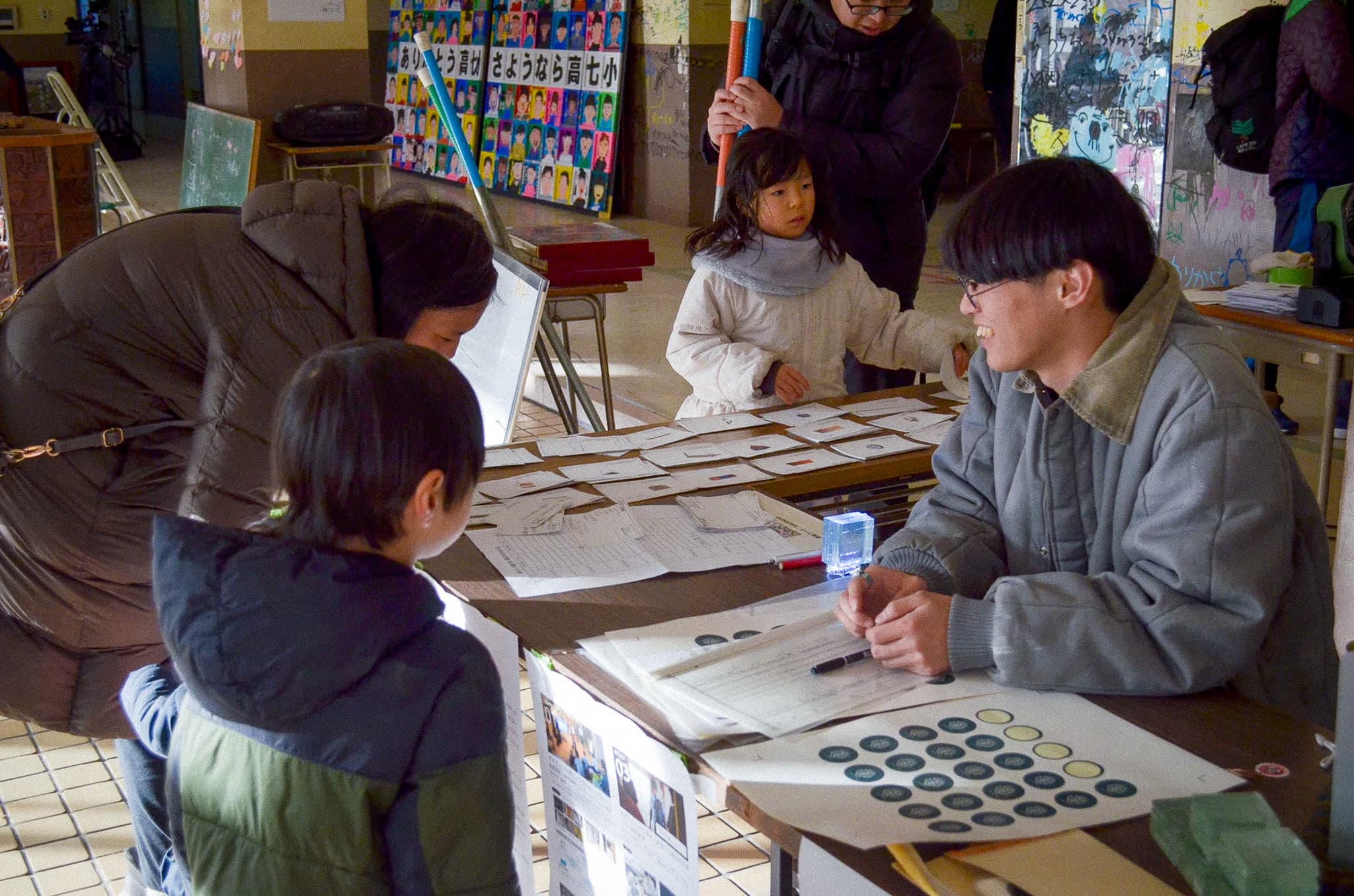
Archive of Memories: Using the “Memory Camera” co-developed by ASIBA, we collected memories from around the school.The “Memory Camera” is a web app that allows users to take photos of memorable places or objects (such as blackboards, stairs, doorknobs, and bulletin boards) and record a 30-second message on the spot—sharing memories or a message for the next person who will use them. On the day of the event, we collected a total of 30 memories, which we will use as reference material for future projects.
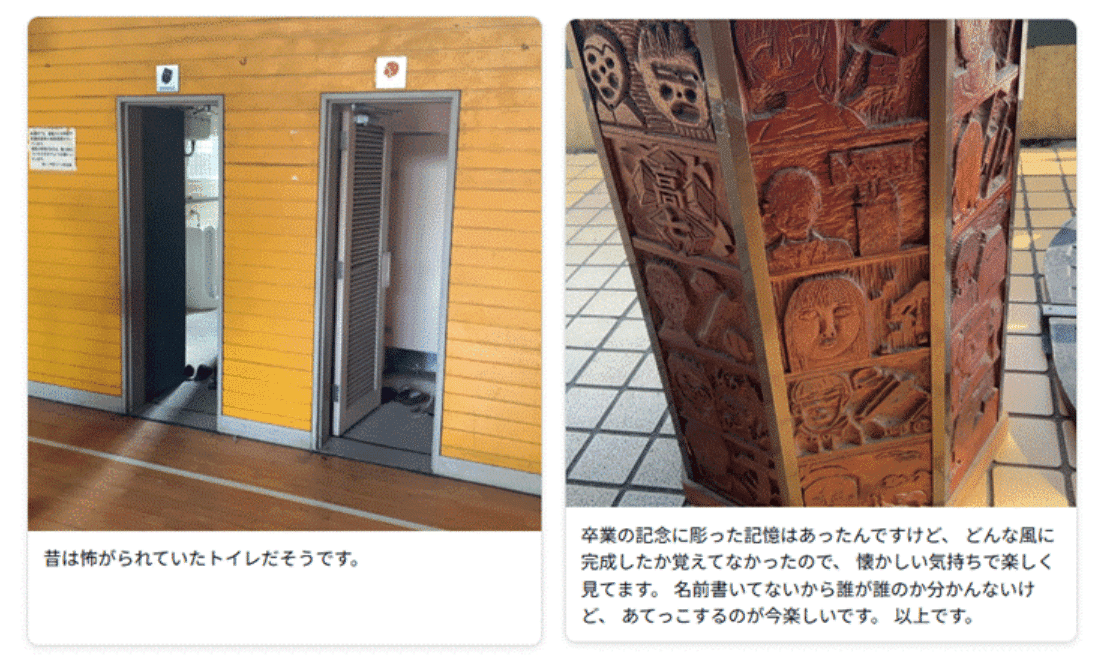
FIG.9
School Tour: Following an explanation of the upcycling
project, we toured the school grounds to identify materials that could be upcycled.
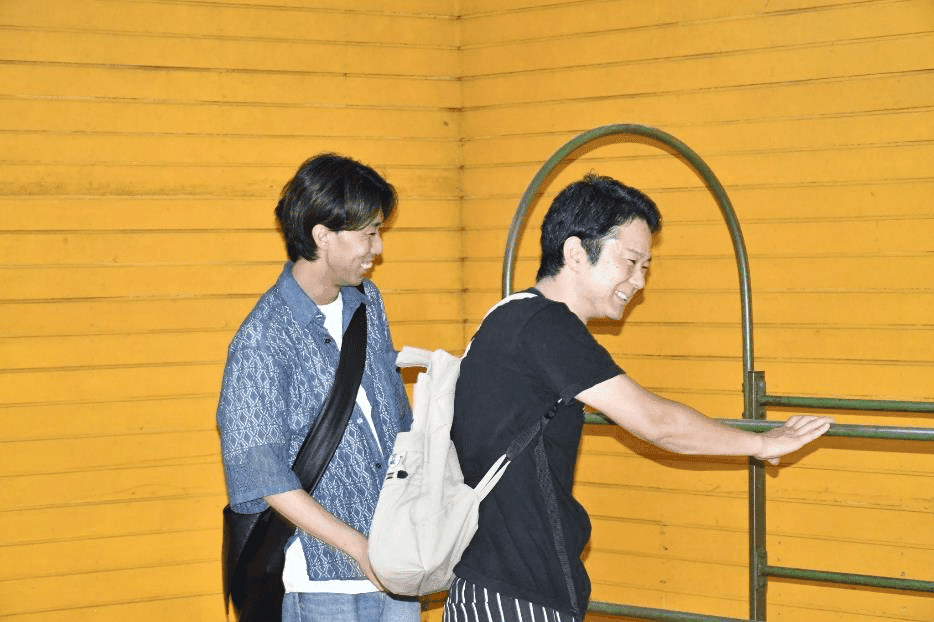
FIG.10
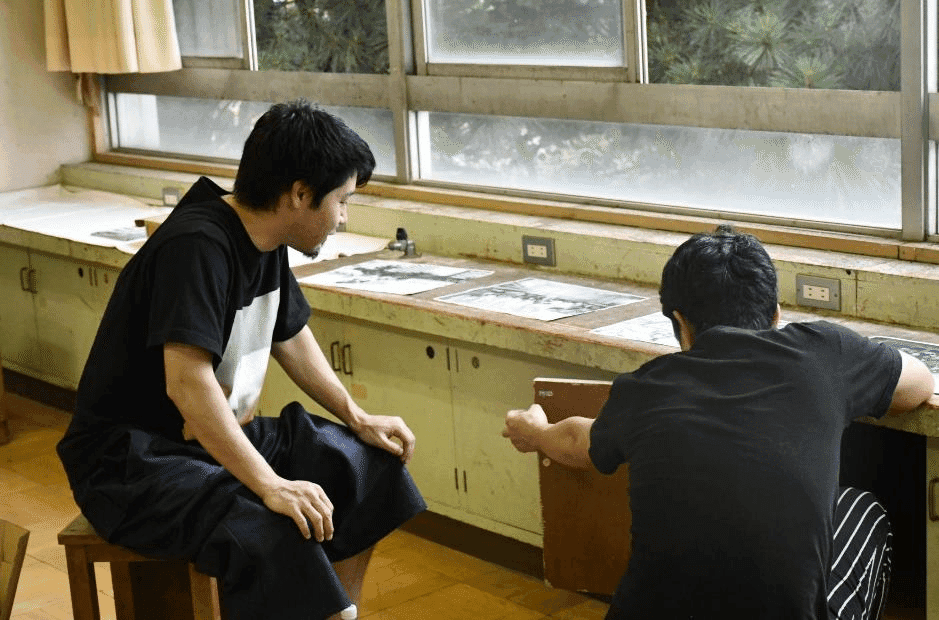
FIG.11
Creation Workshop: We transported the handrails—which we had dismantled
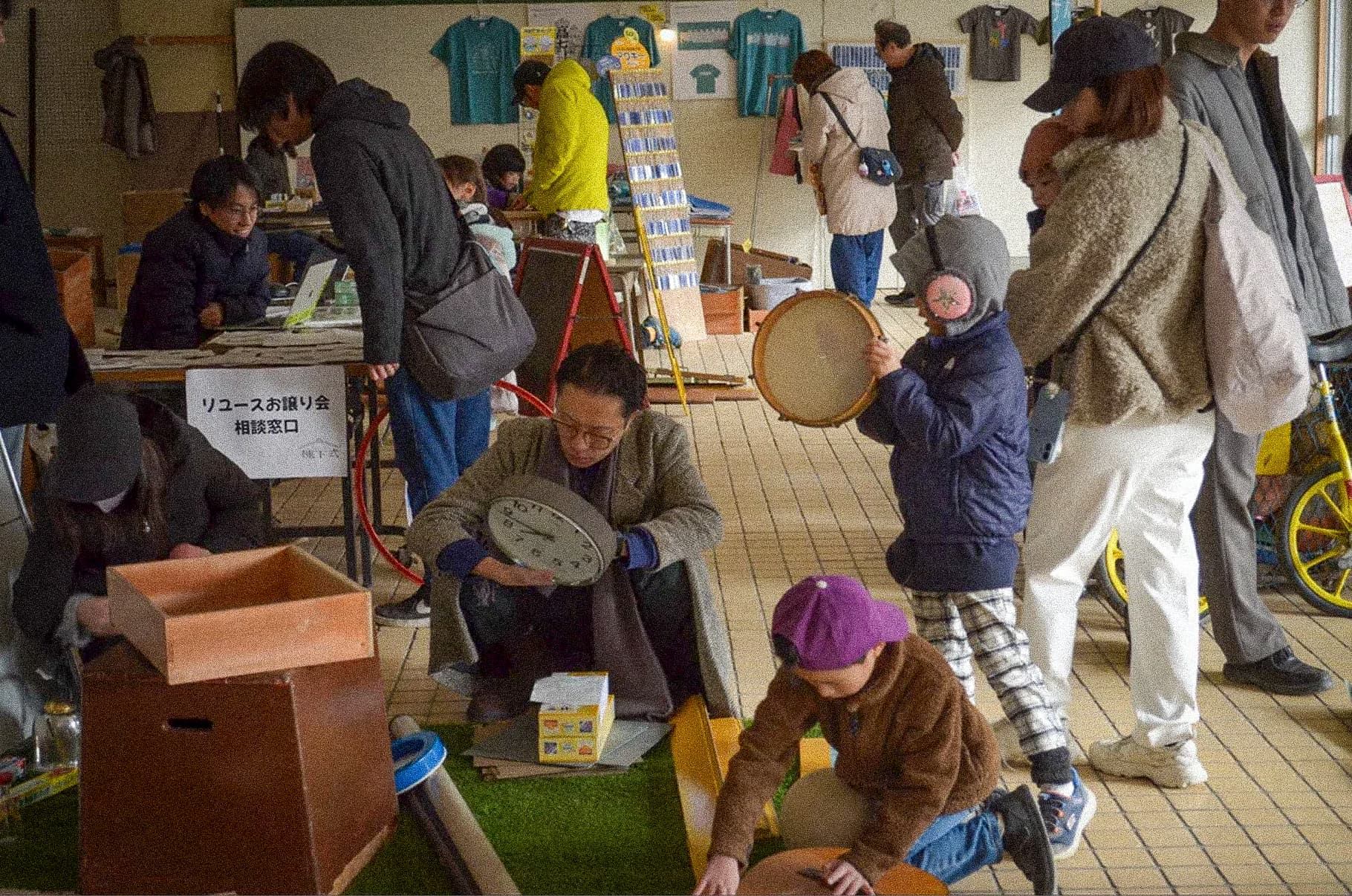
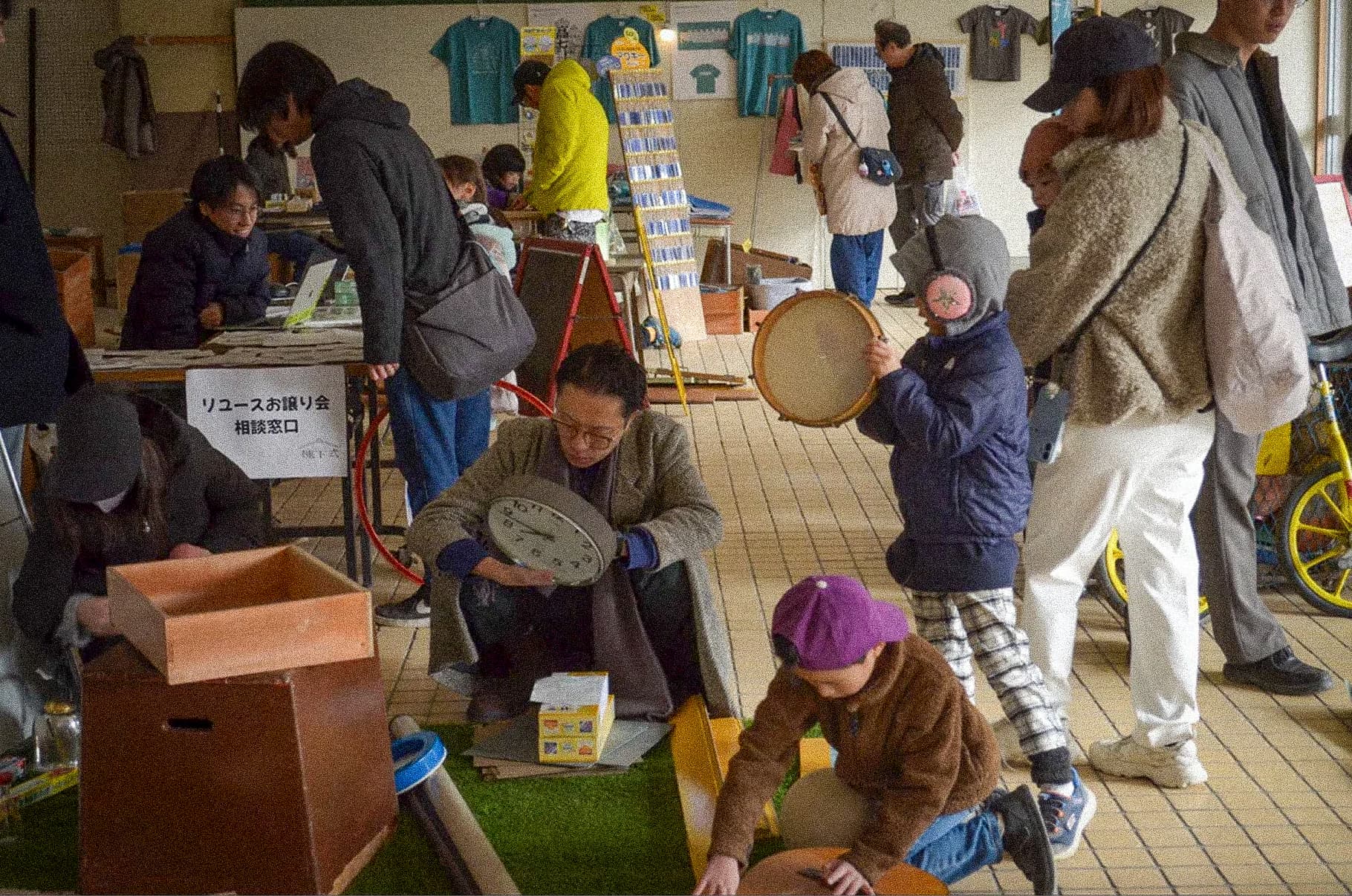
together with our alumni—to the art room, where participants used the available materials to create whatever they desired. While we produced items such as pen holders and nameplates, we also identified some challenges associated with participatory creation.
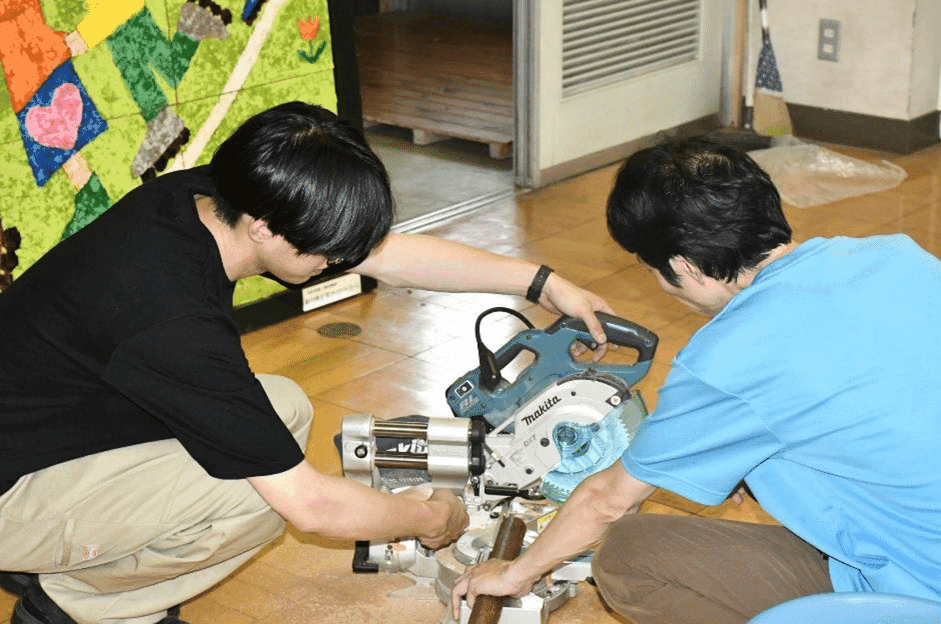
FIG.12
Currently, public facilities and infrastructure built during Japan’s period of rapid economic growth are deteriorating in many regions across the country. We believe that upcycling public facilities with citizen participation—as we are implementing at Takashichi Elementary School and the Takashimadaira Housing Complex—can serve as an effective solution for such communities. We will move forward with this project with a view toward systematizing the program, disseminating information, and expanding it to other areas.
Moving forward, based on the insights and lessons learned from the second building-demolition ceremony, we will proceed with planning a demolition workshop leading up to the grand finale at Takashichi Elementary School, as well as the Upcycle Lab. We will also disseminate information about the project via our website and other channels, aiming to engage more people in the processes of demolition, reuse, and upcycling.From here in Takashimadaira, we will realize our vision of preserving the town’s memories, building community through reuse, and fostering a local resource cycle.
ReLink LLC operates in the fields of architectural design, trading, and event planning and management, guided by the vision of “creating a culture that reconnects demolition materials and realizing a sustainable future.”Building on the launch of a web service in 2023 that allows users to search for used building material retailers nationwide, we are putting the principles of a sustainable society into practice through business development in trading and logistics—including the sale of reused items such as office flooring and glass—as well as regional collaboration projects involving multi-layered design (including policy frameworks) in partnership with companies, local governments, and residents, and through the design and production of spaces and products.
ASIBA is a hands-on incubation studio and nonprofit community organization dedicated to bringing the ideas of young professionals in the creative fields (architecture, design, art, etc.) to society.Through various phase-specific programs—such as the ASIBA Creative Challenge, ASIBA Creative Incubation Program, ASIBA Project Label, and ASIBA STUDIO—we are committed to nurturing “creative entrepreneurs.”Furthermore, going beyond simply nurturing young talent, ASIBA itself conducts design research, program design, and business development to create an environment where creative challenges are fairly recognized, thereby sparking a wave of social change from the creative sector. Ultimately, we aim to restore trust in creation as a cultural value and realize a society where everyone can pursue their potential without giving up.
Workshop on Utilizing Demolition Materials at Former Takashima Seventh Elementary School
Kaichiku Teiryujo Event Report #1
2025.10.31.