ASIBA Creative Incubation Program 3rd
Balancing ‘making what you want to make’ with ‘growing it into a business in society’
A four-month mentorship program for young players in the creative field. In this third cohort, around twelve teams took part. In an era when it has become difficult to simply make the things you genuinely want to make, the program aims to help projects born from each participant's own internal motivation reach realization and business viability — free from social expectations or existing frameworks. Participants advanced their projects through collaboration with mentors close to them in age and field, and with a range of corporate and government partners, including intensive discussions at a retreat and a final exhibition, “Demo Week,” where they presented their results. The next generation of makers takes on the challenge of both “making what they want to make” and “growing it into a business in society.”

FIG.1 © Tamao Nishiyama
Toward Creative Action with Passion
From April to August 2025, we launched the third session of the ASIBA Creative Incubation Program. Targeting young professionals aged 30 and under working in creative fields—including not only architecture but also design, art, urban development, and product design—the program attracted approximately 12 teams.Following a three-month mentorship program, the culminating event—a two-week hands-on festival called “DEMO WEEK”—saw participants simultaneously carry out projects at real-world sites across Japan.
Society is undergoing such profound upheaval that the turmoil of the pandemic seems like a distant memory. In an era where even adults are unsure of what the “right answer” is, young people in the fields of architecture, design, and art may feel—or be told—that their work and activities are merely “pie-in-the-sky ideas tolerated only because they’re students,” forcing them to give up on what they truly want to create.However, ideas born from a desire to “do” or “create” need not be quietly tucked away as mere portfolio pieces, nor do they need to be abandoned. It is absolutely possible for such creations to engage companies, local governments, and society at large; to inspire people; and to take tangible form in the world.The third term embodies this conviction in the theme “Towards Creative Action with Passion” and was designed as a program to nurture creative entrepreneurs through “the back-and-forth between independent inquiry and practice.”
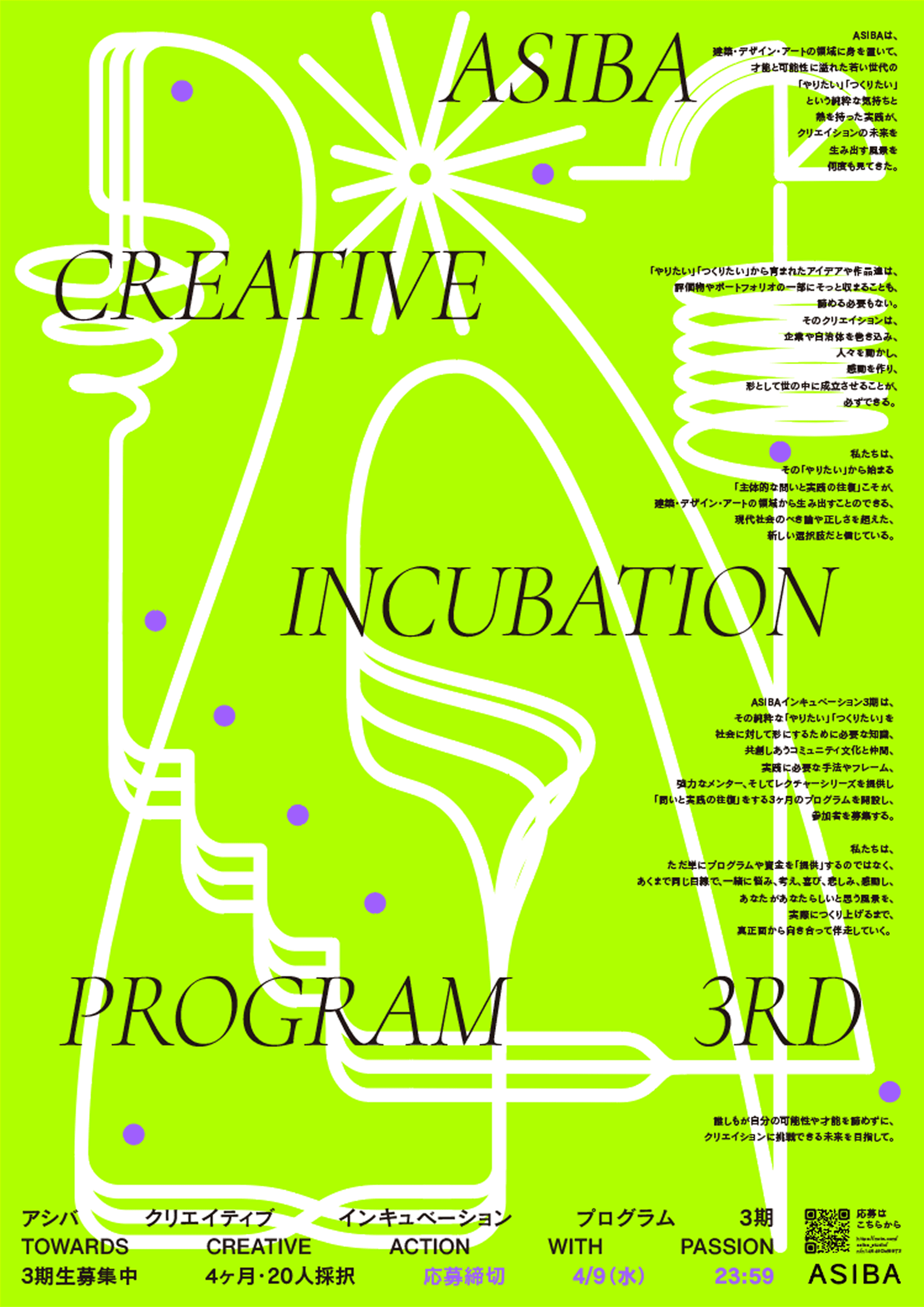
FIG.2
Seven Core Values
In the third term, the seven core values cherished by the program were clearly articulated. These values serve as the guiding philosophy for the program’s overall design, as well as practical guidelines that participants internalize over the course of three months.
- N=1: Uncovering a Sense of Ownership—The source of creation lies not in society’s “shoulds,” but in a sense of ownership born from one’s own observational skills and intrinsic motivation.
- Players: A Community Where Everyone Is a Player—There is no provider/beneficiary/observer hierarchy; everyone exchanges inspiration as active participants.
- Team: Moving Forward as a Team—We prioritize teamwork and aim for goals that could never be achieved alone.
- Compass: Self-reflection and discovering your own compass—Rather than relying on evaluation criteria set by others, evaluate yourself and engage in continuous self-renewal.
- Action: Get your hands and feet moving—By moving not just your mind but also your hands and body, and by going out into the city and the field, you create a feedback loop between yourself and society.
- Cycle: The cycle of questioning and practice—unique creations emerge by formulating your own questions and repeatedly putting them into practice.
- Co-voyaging: Mentoring and Guidance—Absorbing the experience of seasoned practitioners and all the knowledge necessary for creation from others.
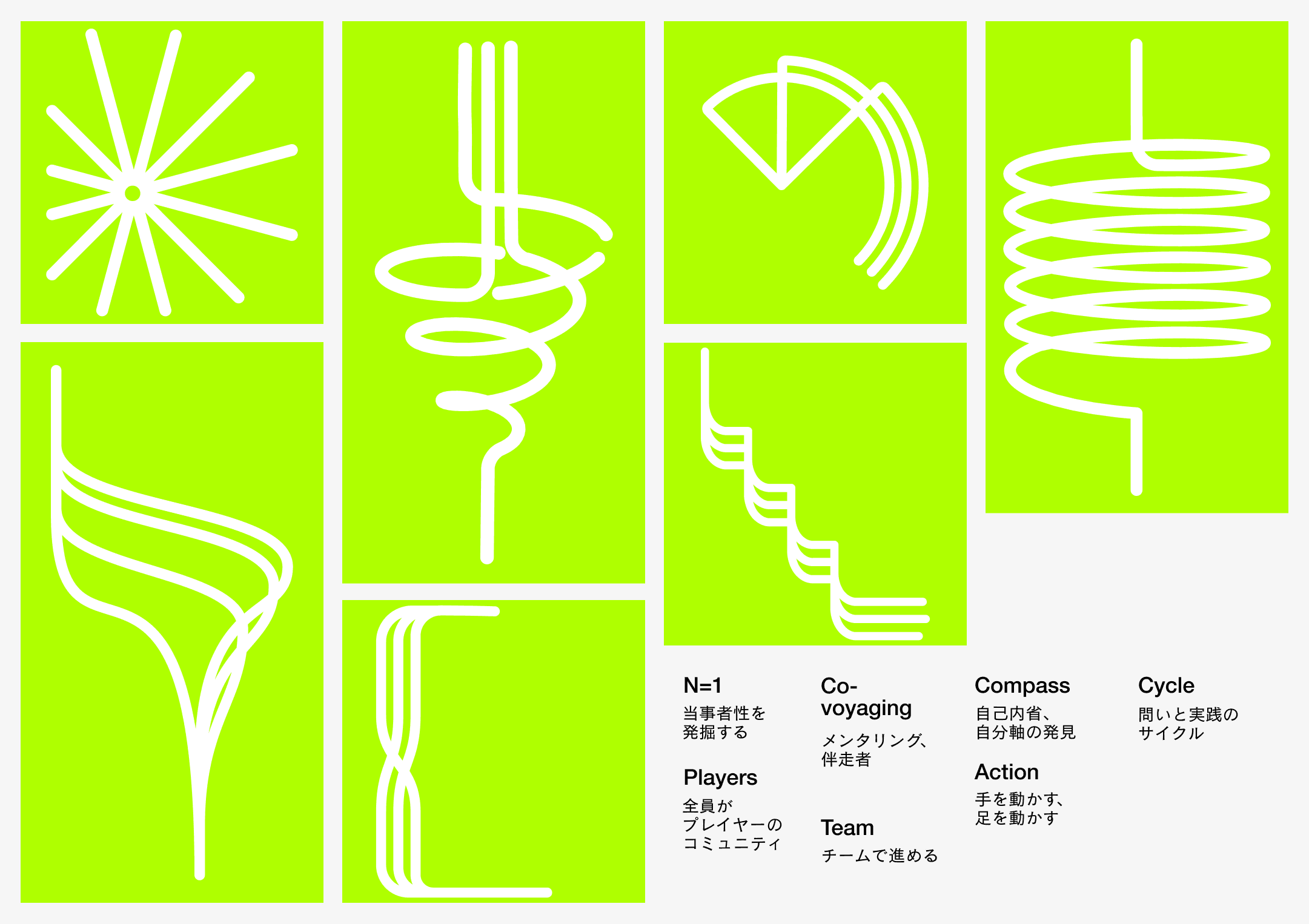
FIG.3
The Journey from Questions to Action
Comprising 7 sessions and a culminating DEMO WEEK
- April 19: Surveying the Landscape | Kickoff. Aligning Perspectives with Fellow Participants
- April 19–28: Tracing the Source, Heading for the Opposite Shore | First Half Retreat (2 nights, 3 days). Preparing to Set Sail Through Lectures and Workshops
- May 10: Creating a Vortex | Pilot Plan. How to develop a plan for validating your proposal
- May 24–25: Setting Sail | Mid-Program Retreat (1 night, 2 days). Matching with pilot sites and partners
- June 7: Row the Boat | Hypothesis Testing and Funding Plan. Support for Securing Funding
- June 21: Erecting the Pillars | Organizing Lessons Learned Through Hypothesis Testing. Building Up Step by Step
- July 5: Raising the Flag | Next Cycle. The Next Steps Toward a Leap Forward
- DEMO WEEK July 18–August 3 | Simultaneous, hands-on festivals held across Japan
In addition to incorporating two retreats—one in the first half and one midway through—into the program design, ASIBA’s new base, “Kameido Garage,” was used as a session venue starting partway through the program.Kameido Garage—a vacant building slated for demolition that was being used on a temporary basis—embodied ASIBA’s philosophy of “nesting in the city” and served as a daily hub for participants to create and experiment.
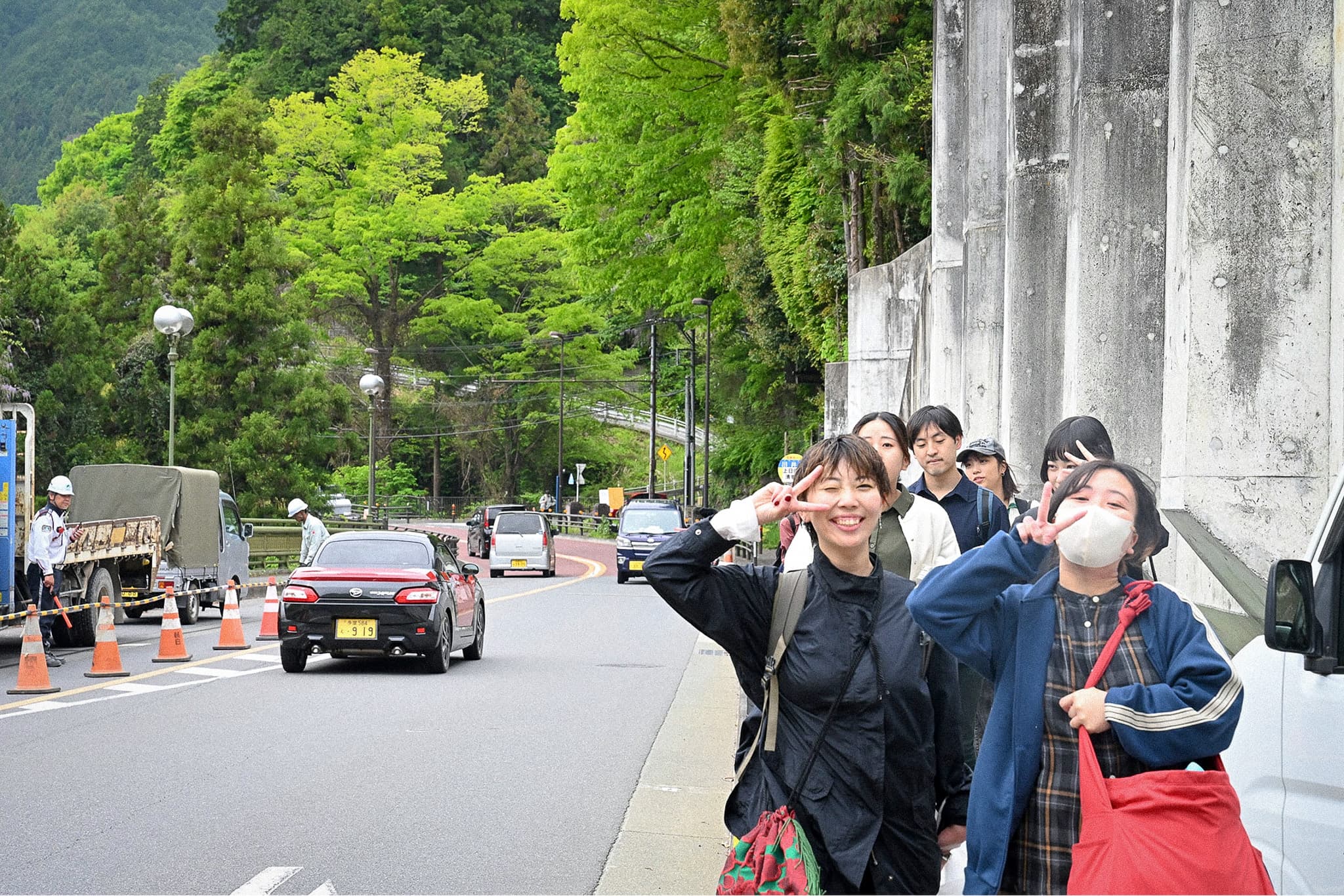
FIG.4
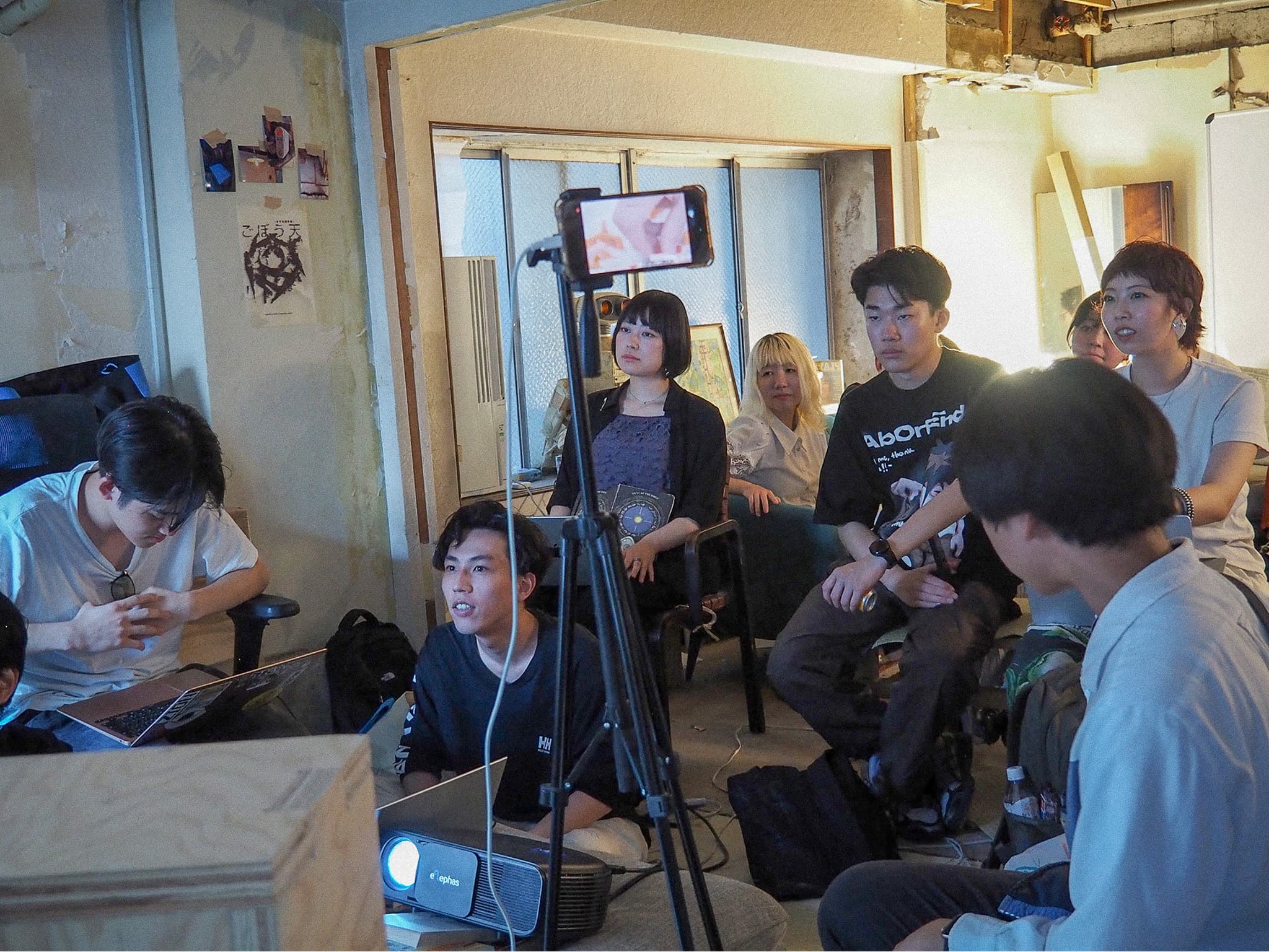
FIG.5
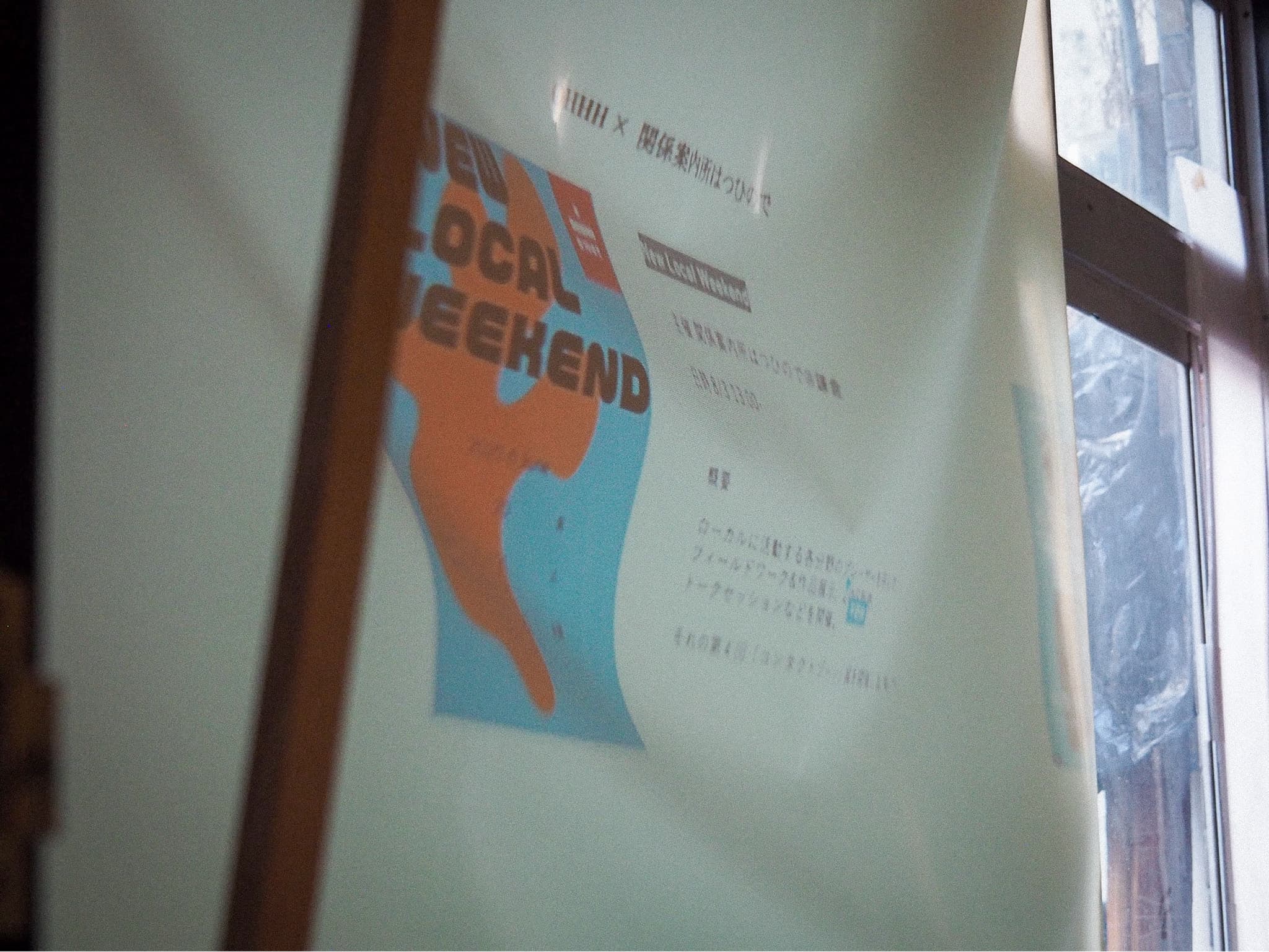
FIG.6
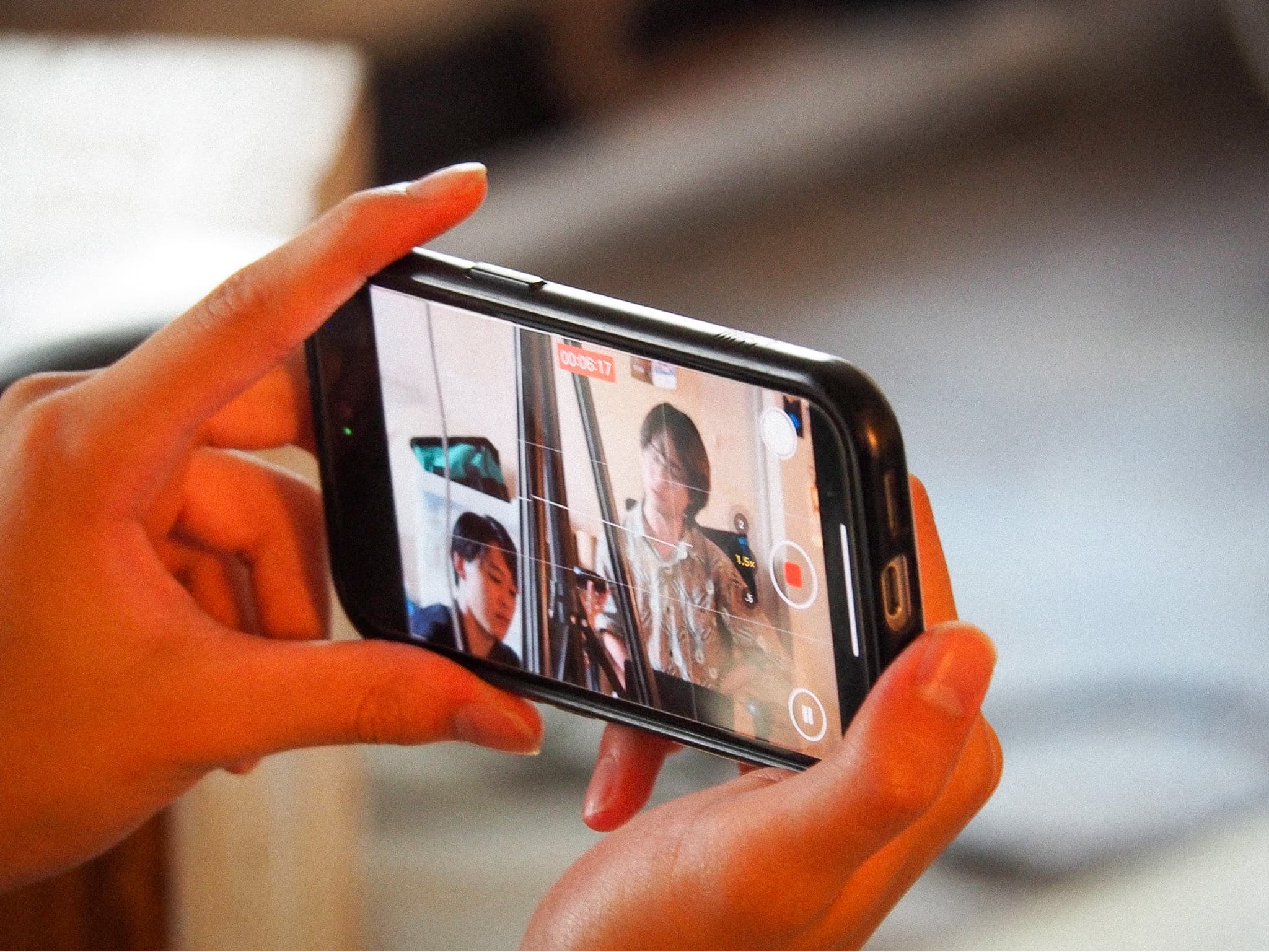
FIG.7
11 Projects
- faatto (Naoki Sakagawa, Kengo Sugiyama)
- yomiyomi (Reika Nakamura, Motosuke Tsukushiba, Shuta Matsuo, Rina Tomita, Momoko Higashihara)
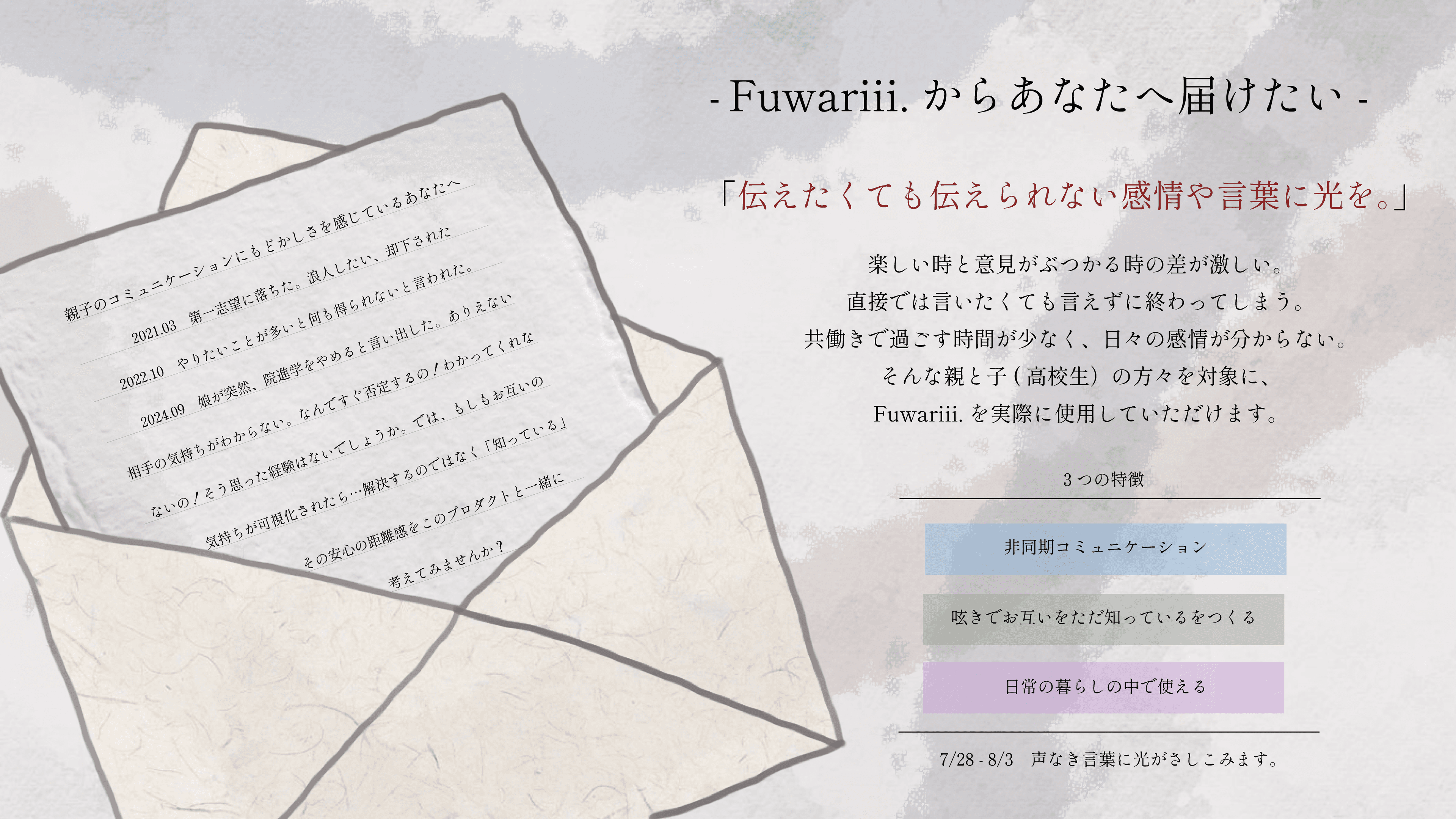
- Fuwariii. (Aiko Hirano)
- OHHH (Hirano Hisashi)
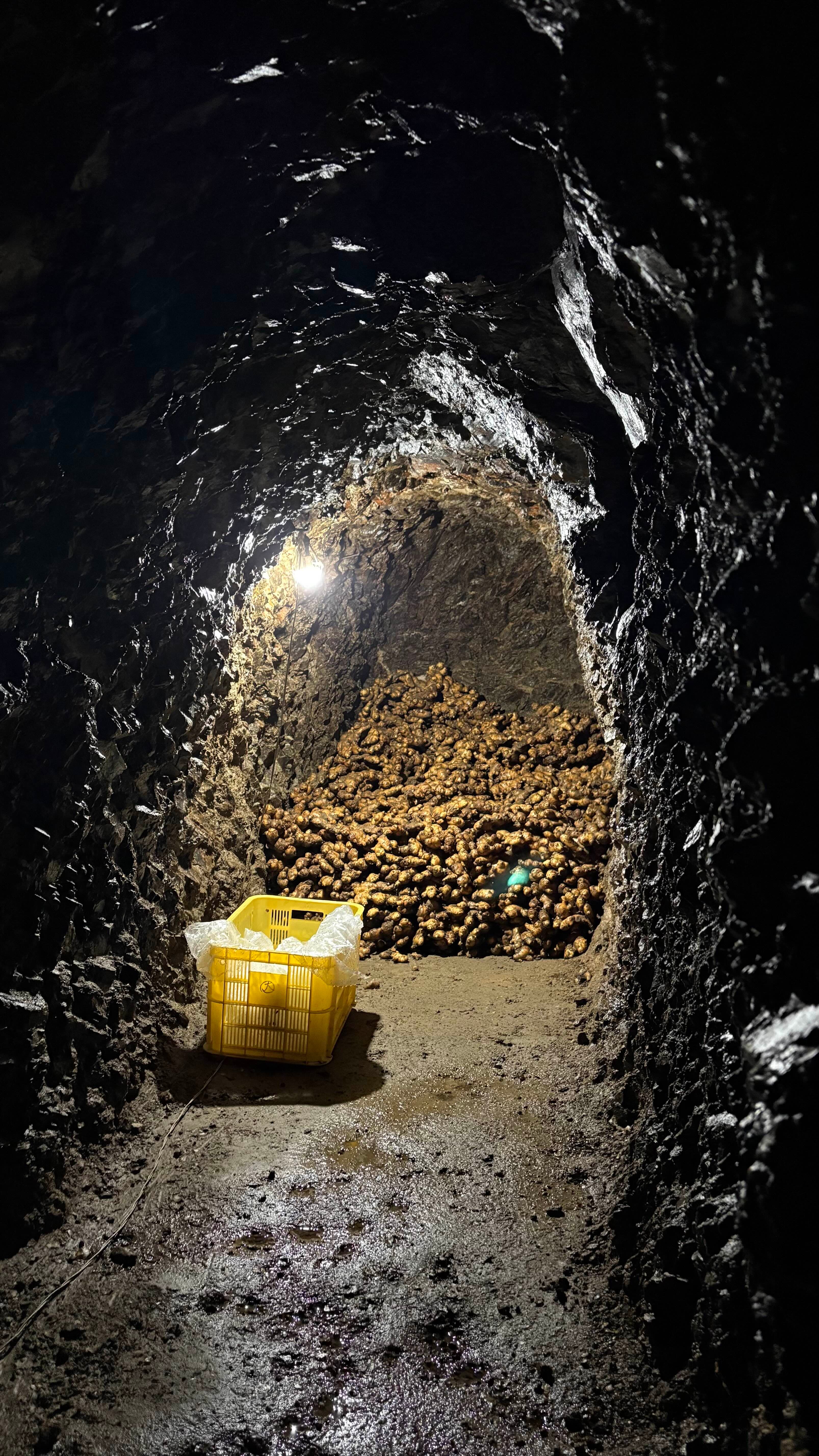
- Fuudo "Fuudo" (Masato Gota)
- “Wo” (Fumi Sano)
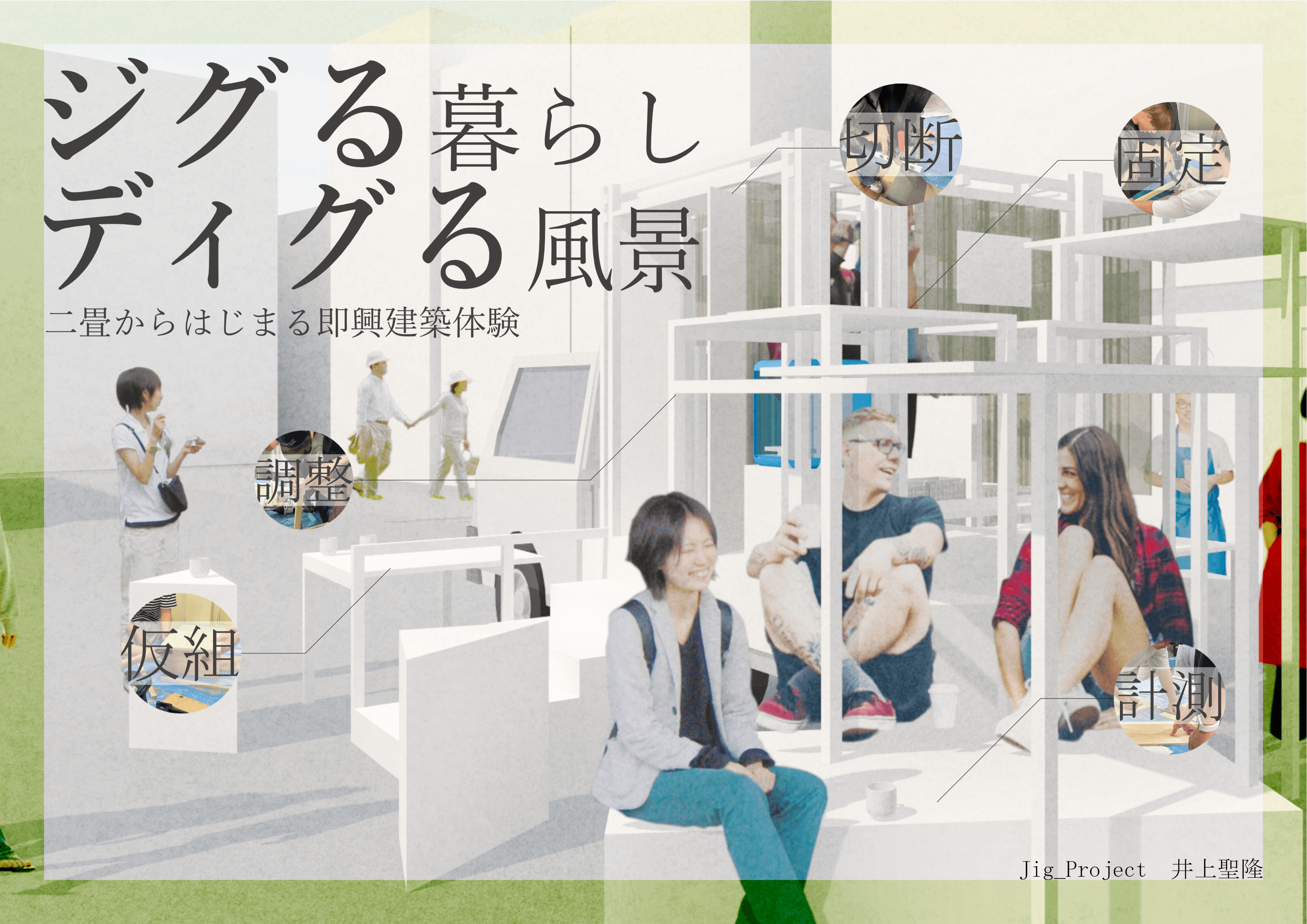
- Jig_Project (Seitaka Inoue)
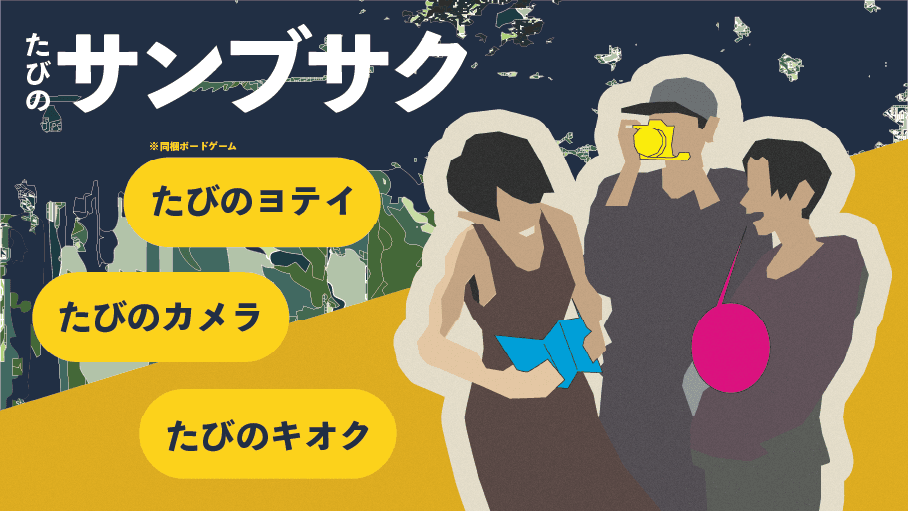
- Tabi no Sambusaku (Takahiro Mori)
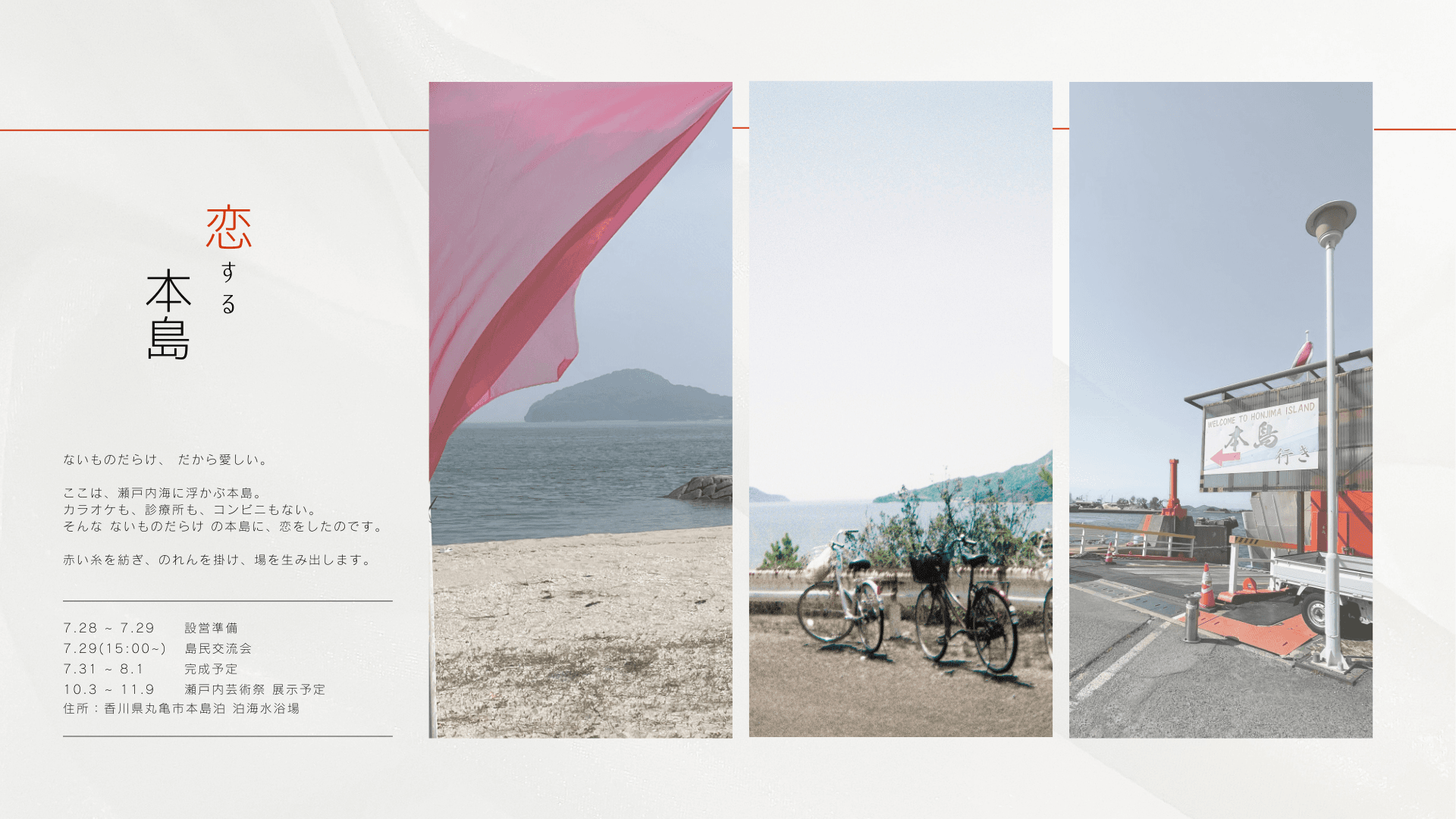
- The Motoshima in Love Project (Ayano Yoshikawa)
- Maki Competition (Yasumasa Masabayashi)
- The Enchanted Music of the Celestial Sphere (El, the Witch of Freedom; Kosuke Shimizu)
- utsuRe (Rin Inagaki, Mayu Sugiyama)
Together with Pioneers of Our Generation
We invited fellow artists and entrepreneurs of our own generation to serve as mentors and guest lecturers. This allowed us not only to receive advice from a similar perspective but also to explore new possibilities for support—such as working with peers at a similar stage in their business journeys and fostering a closer emotional connection—that differed from the second-term program.
Mentors: Artists and entrepreneurs
of the same generation. Members of the mentor group provided support
- Rintaro Nakajo
- Haruka Okumura
- Gen Noda
- Aiyumi Yamamoto
Guest Instructors
: Artists and entrepreneurs of the same generation. Responsible for delivering lectures
- Gakki
- Yu Kato
- Yu Yamaji
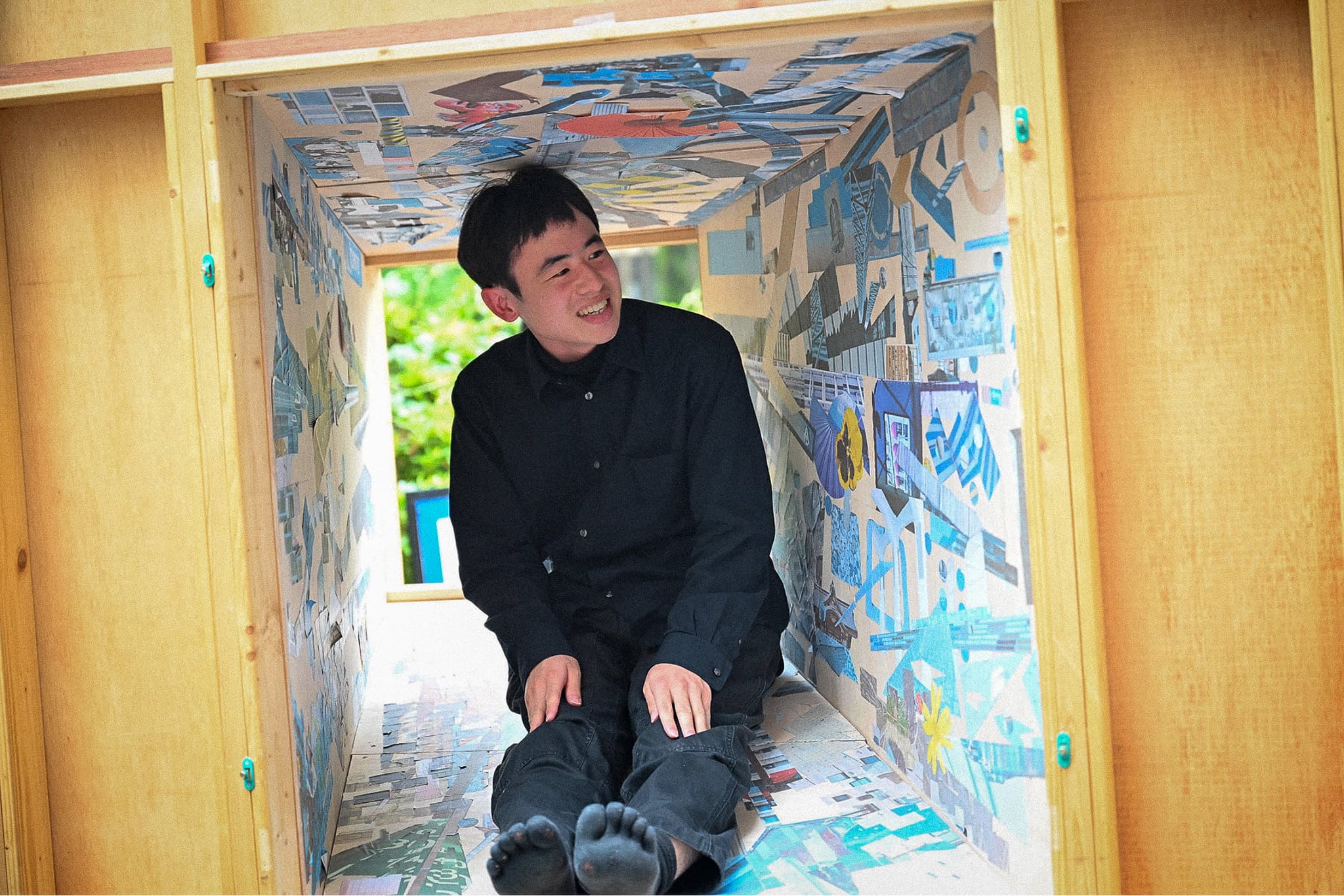
FIG.8
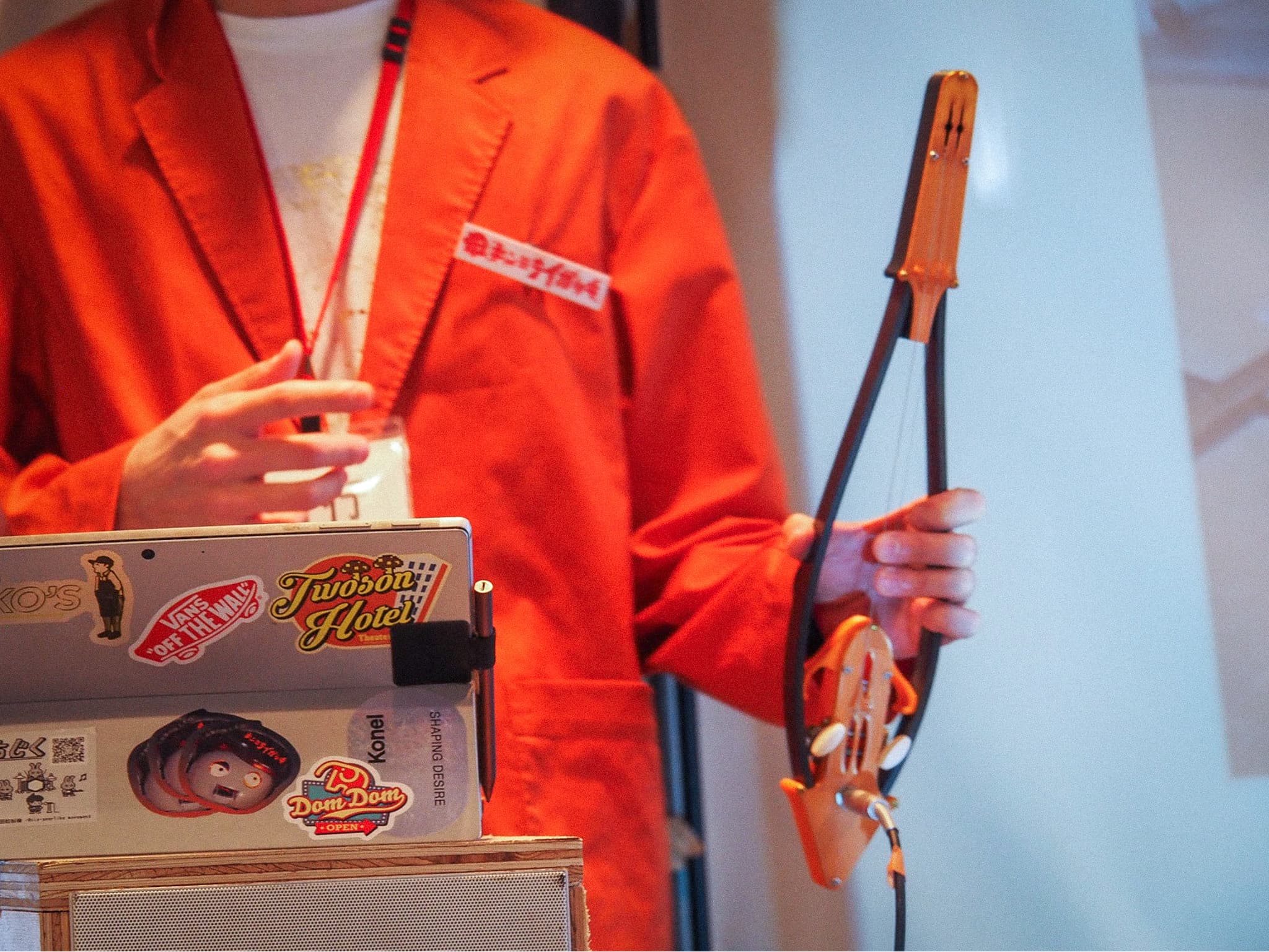
FIG.9
Hands-On Festival, DEMO WEEK: “Sculpting Our Contours — Beyond the Tug-of-War Between ‘Self’ and ‘Society’”
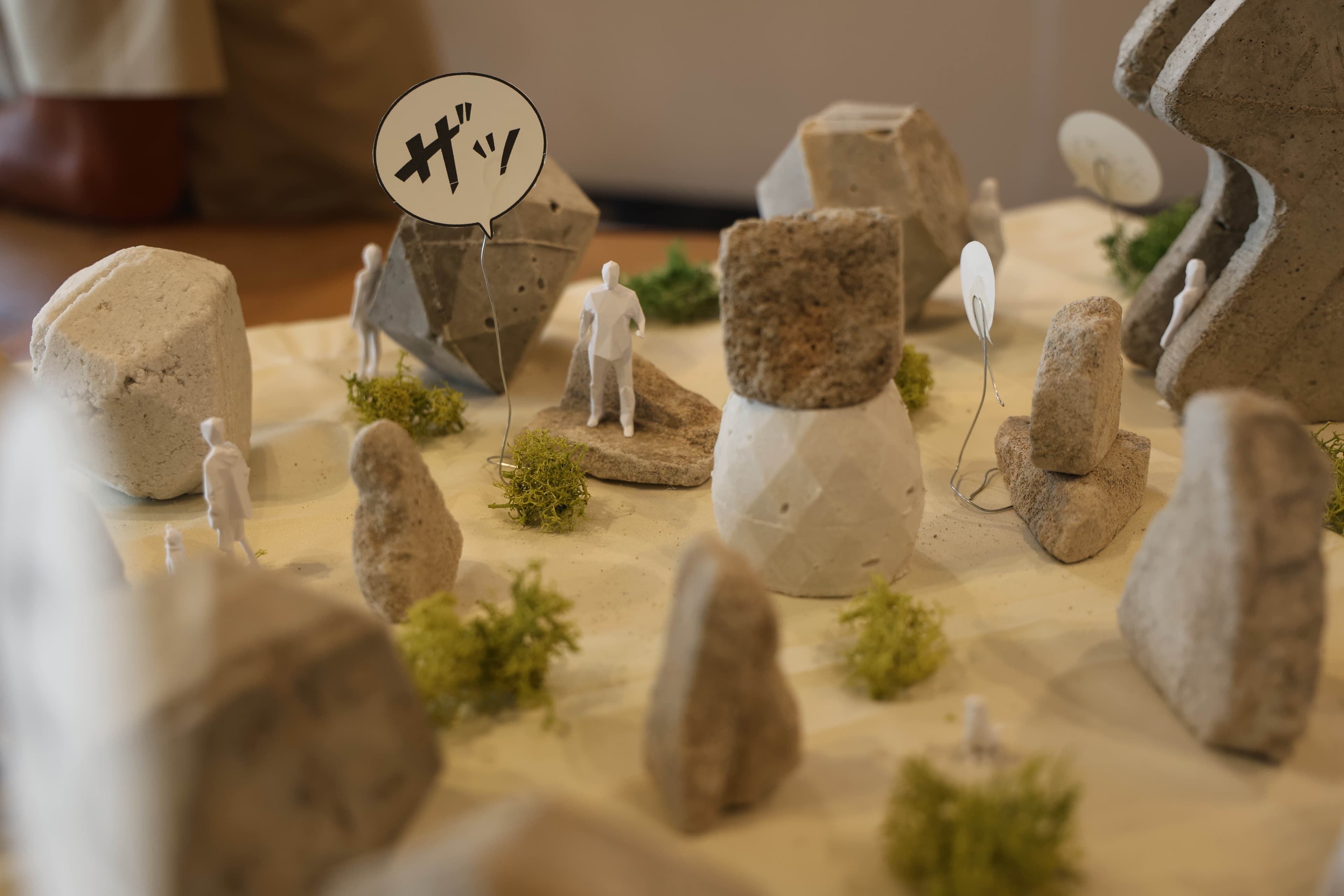
The culmination of the three-month program was not a one-day pitch event, but rather a two-week hands-on festival called “DEMO WEEK.”The theme was “Sculpting Our Contours — Beyond the Tug-of-War Between ‘Self’ and ‘Society.’” It was positioned as a venue for “pilot experiments” aimed at finding ways to connect creative practices—which begin with personal questions—to society, without either conforming to societal expectations or remaining self-contained as artworks.
Twelve creative entrepreneurs simultaneously launched their projects across real-world locations and virtual spaces throughout Japan, including Tokyo (Asagaya, Akabane, Yushima, Shimokitazawa, and Kameido), Mie (Toba), Kagawa, and Kochi.
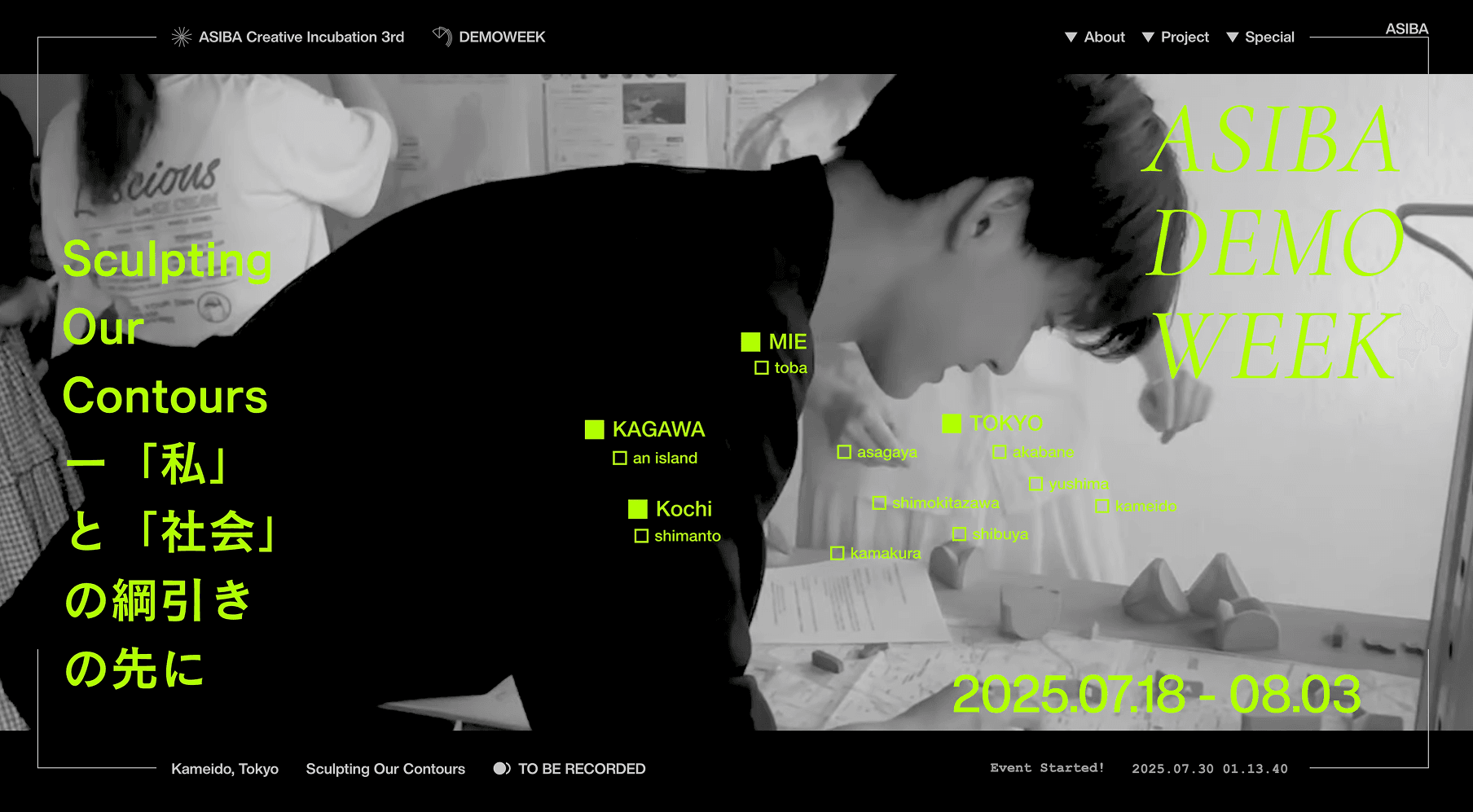
FIG.10
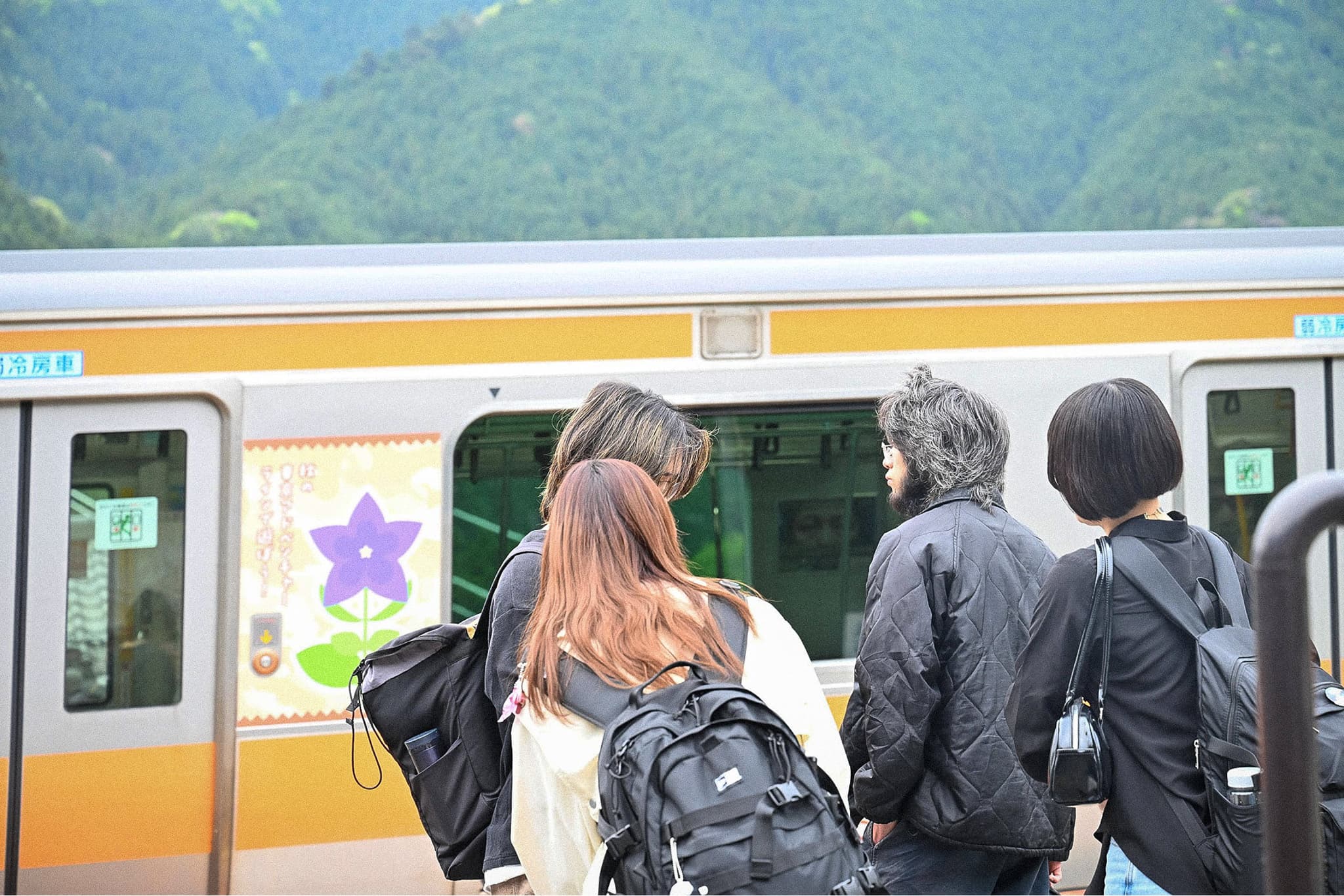
FIG.11
RELATED WORKS
 Incubation 3rdCreative Incubation 3rd
OHHH
CREATIVE-WORK EXHIBITION
Oh Hirano
 Incubation 3rdCreative Incubation 3rd
Fuwariii.
CREATIVE-WORK
Kiko Hirano
 Incubation 3rdCreative Incubation 3rd
Koisuru Honjima Project
CREATIVE-WORK
Ayano Yoshikawa
 Incubation 3rdCreative Incubation 3rd
Fuudo
CREATIVE-WORK
Masato Goda
 Incubation 3rdCreative Incubation 3rd
Jig_Project
CREATIVE-WORK EXHIBITION
Kiyotaka Inoue
 Incubation 3rdCreative Incubation 3rd
Tabi no Sanbusaku
CREATIVE-WORK
Takahiro Mori
 Incubation 3rdCreative Incubation 3rd
utsuRe
CREATIVE-WORK
Rin Inagaki, Mayu Sugiyama
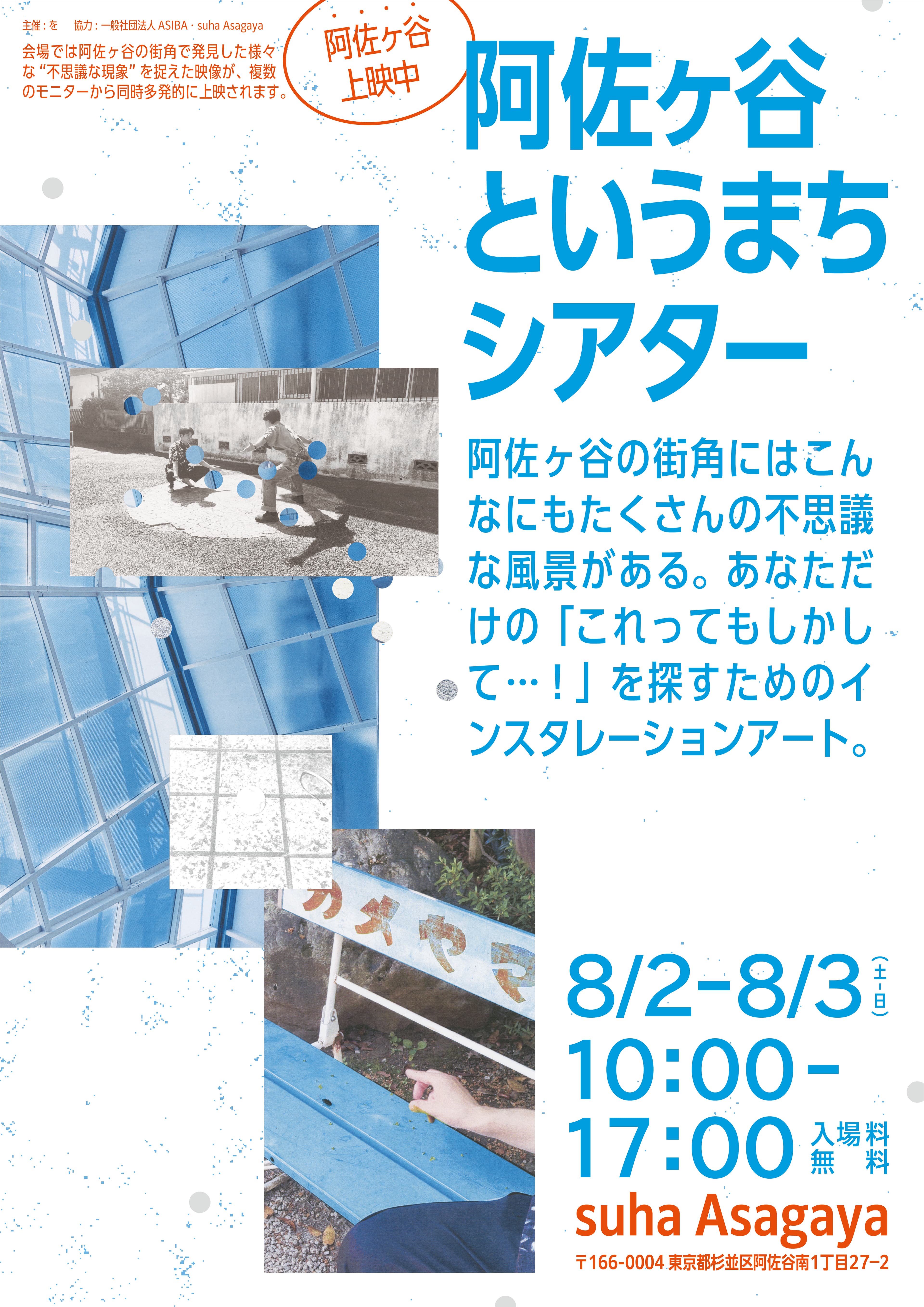 Incubation 3rdCreative Incubation 3rd
“wo”
CREATIVE-WORK EXHIBITION
Fushi Sano
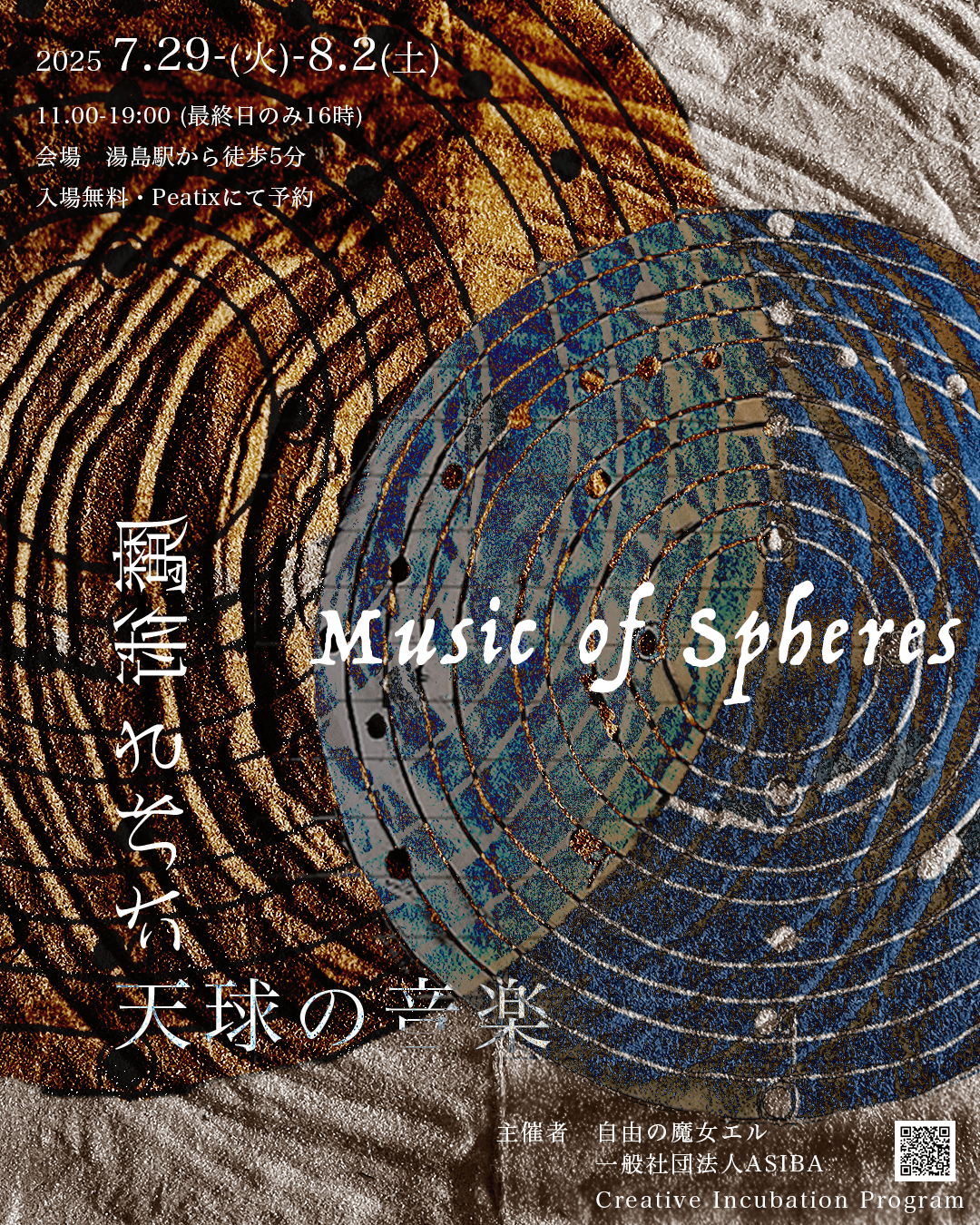 Incubation 3rdCreative Incubation 3rd
The Enchanted Music of the Celestial Spheres
CREATIVE-WORK
EL, Kosuke Shimizu
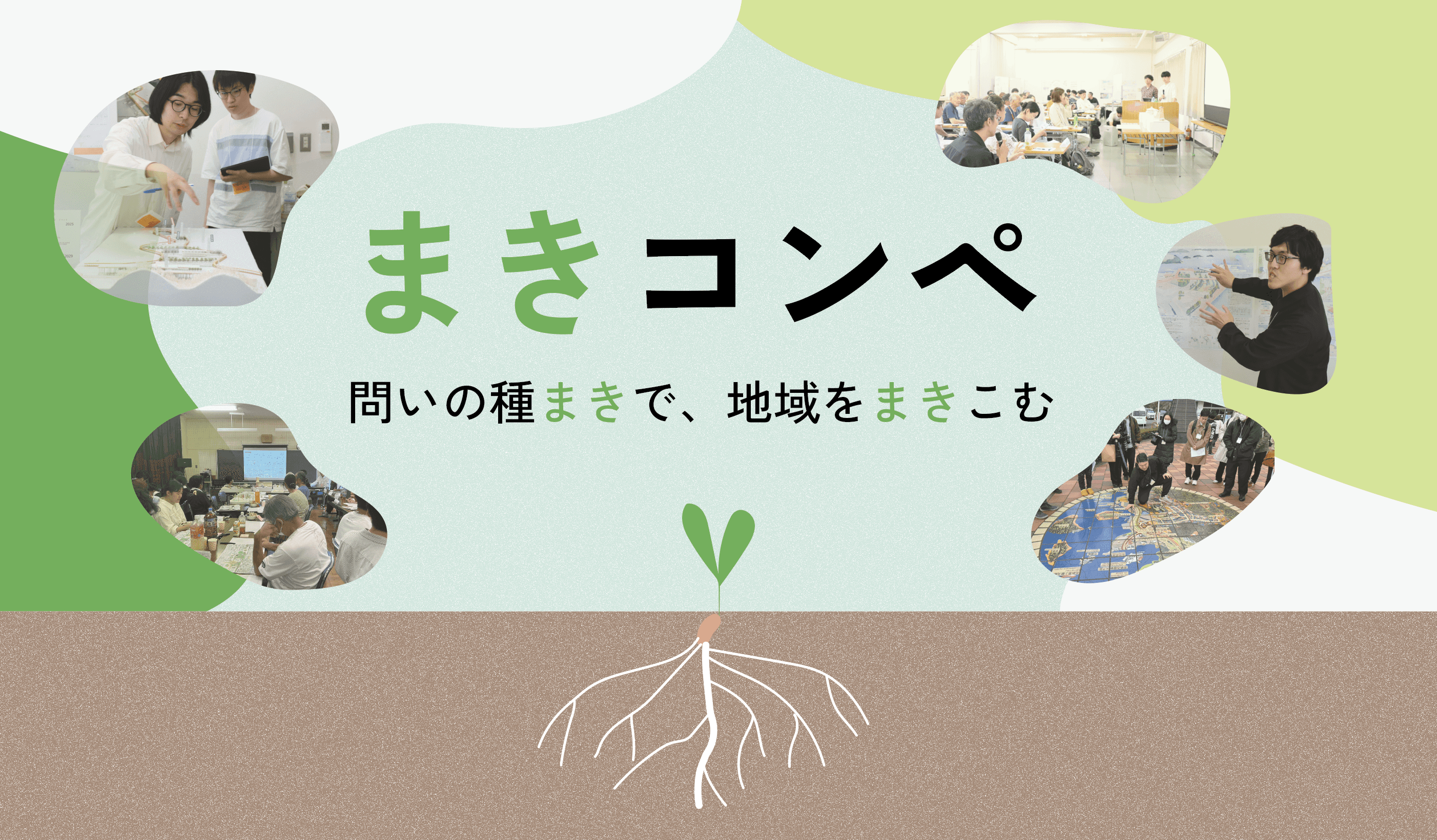 Incubation 3rdCreative Incubation 3rd
Makicompe
COMPETITION
Taisei Shobayashi
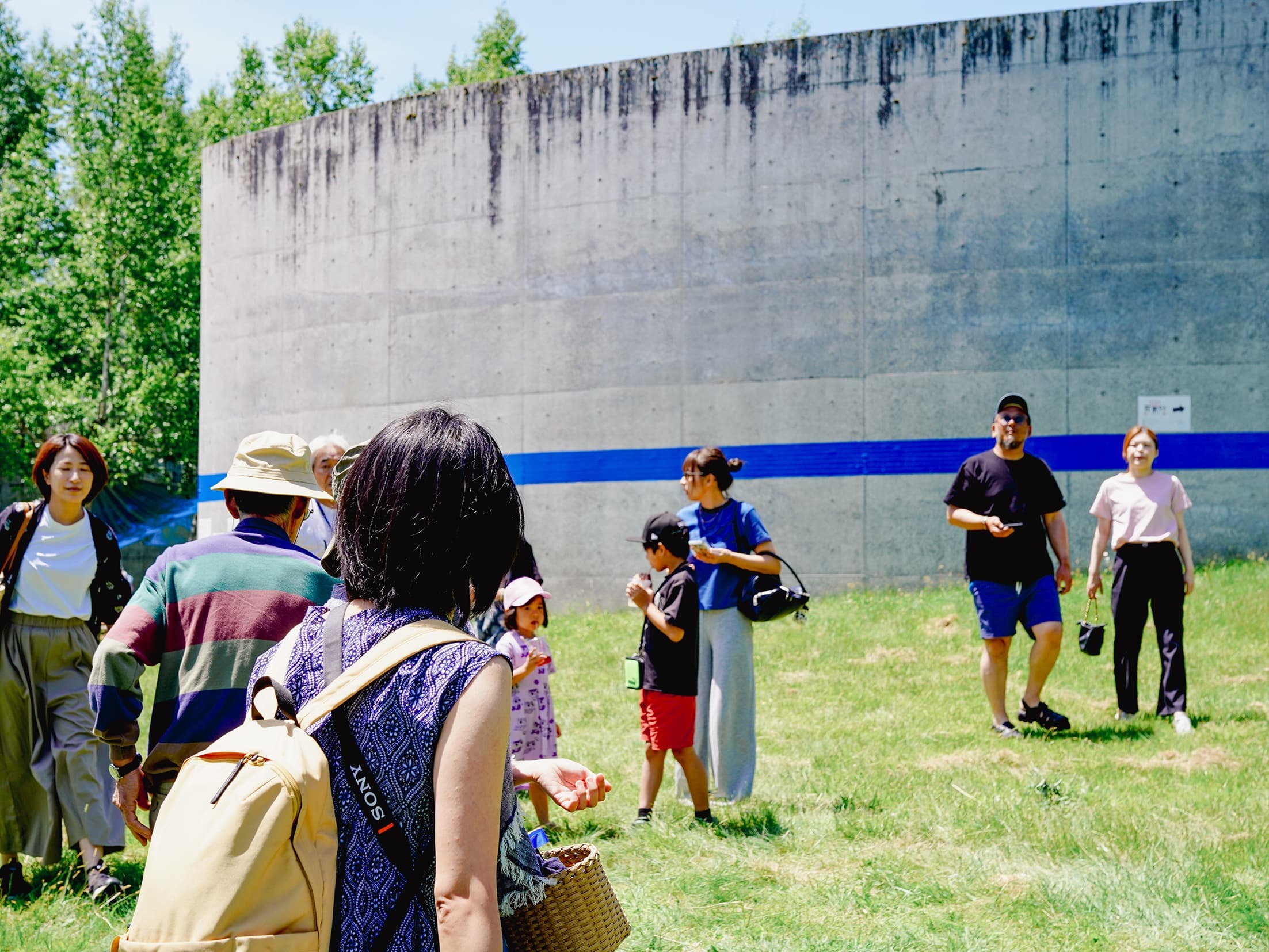 Incubation 3rdCreative Incubation 3rd
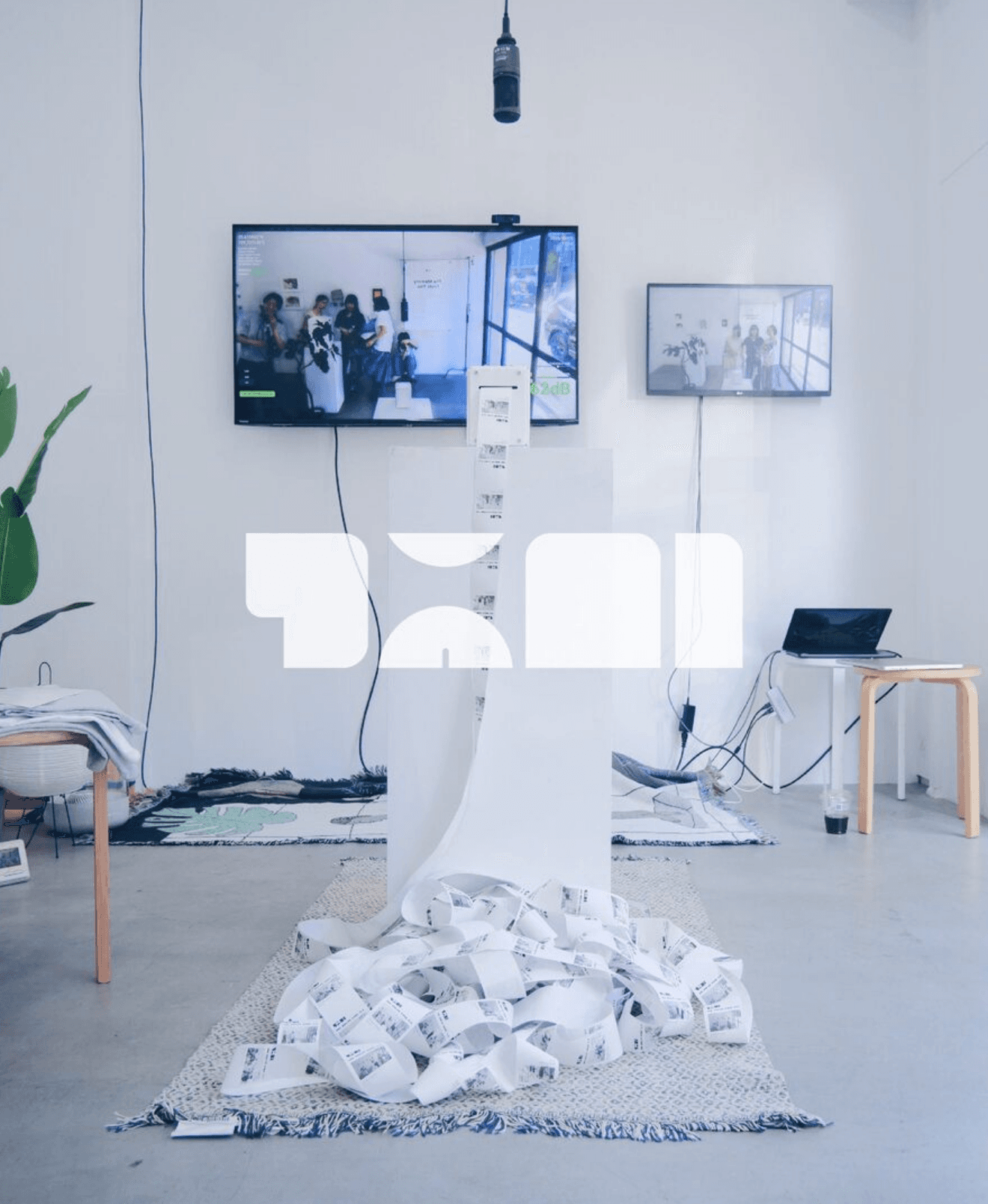
faatto
CREATIVE-WORK
Naoki Sakegawa, Kengo Sugiyama
 Incubation 3rdCreative Incubation 3rd
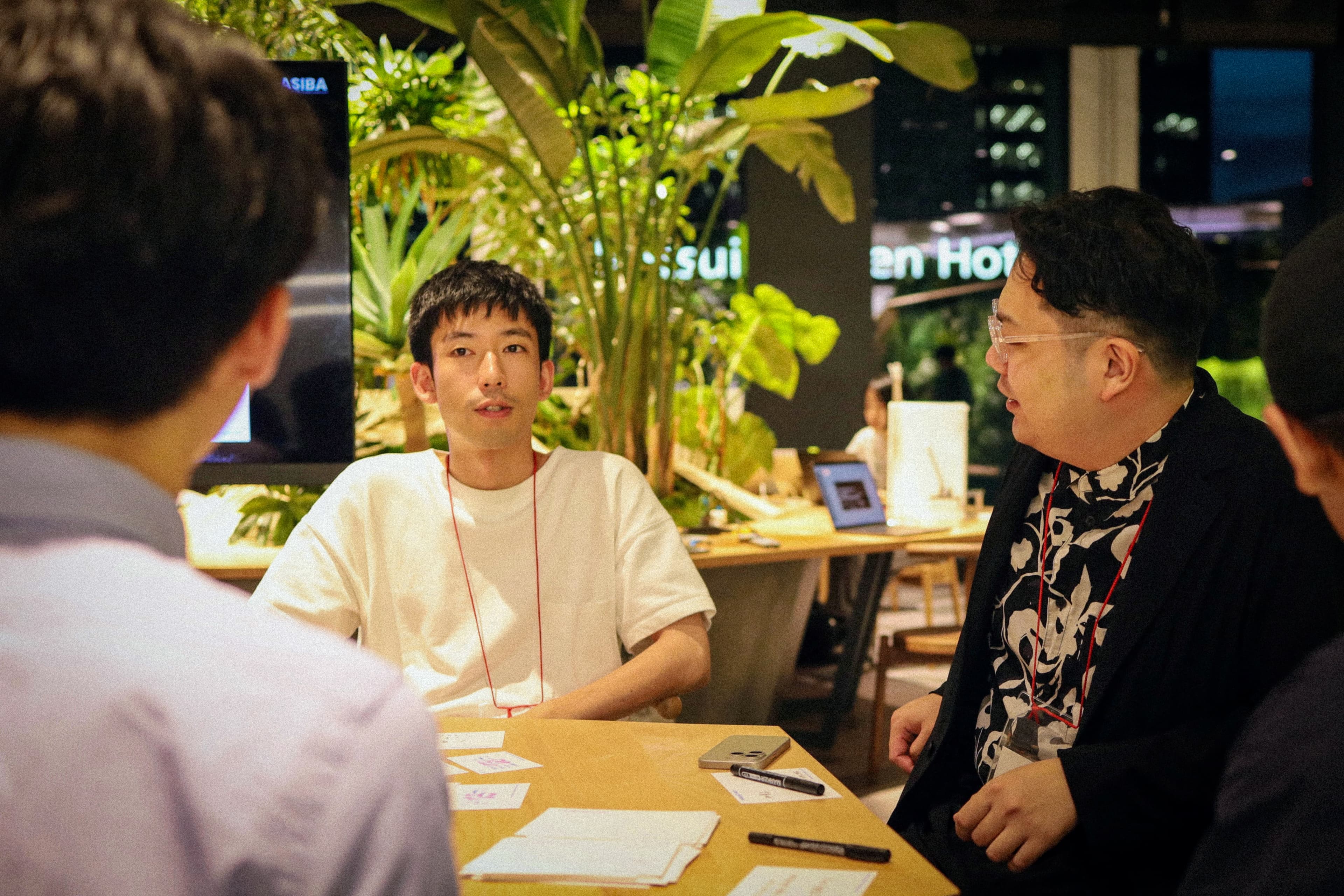
yomiyomi
CREATIVE-WORK
Rena Nakamura, Motoaki Tsukeshiba, Shuta Matuso +2 more
ASIBA ATLAS #3
WORKSHOP TALK

Towards Creative Entrepreneurship
TALK
RELATED TEXTS
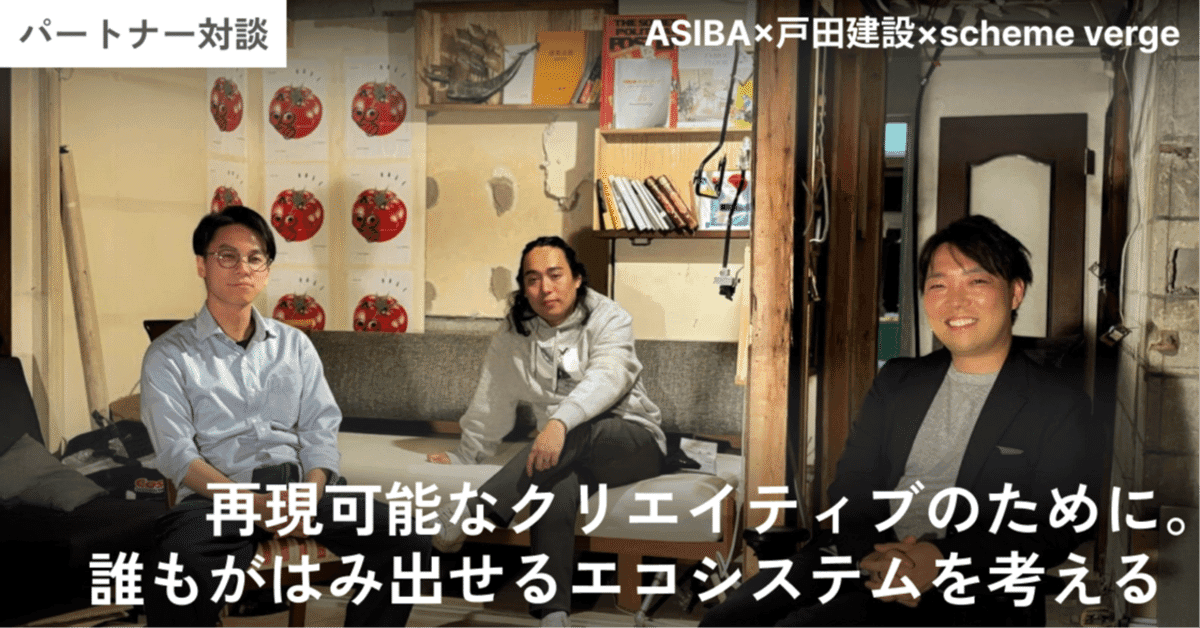
Toward Reproducible Creativity: Building an Ecosystem Where Anyone Can Step Outside the Lines — Toda Corporation × scheme verge × ASIBA
Partner Dialogue #4
DIALOGUE
2026.04.08.
Exploring the Relationship Between Architecture and Graphics: Designer Tatsumi Sone
INC-3rd Term Secretariat Interview #4
INTERVIEW
2025.10.15.
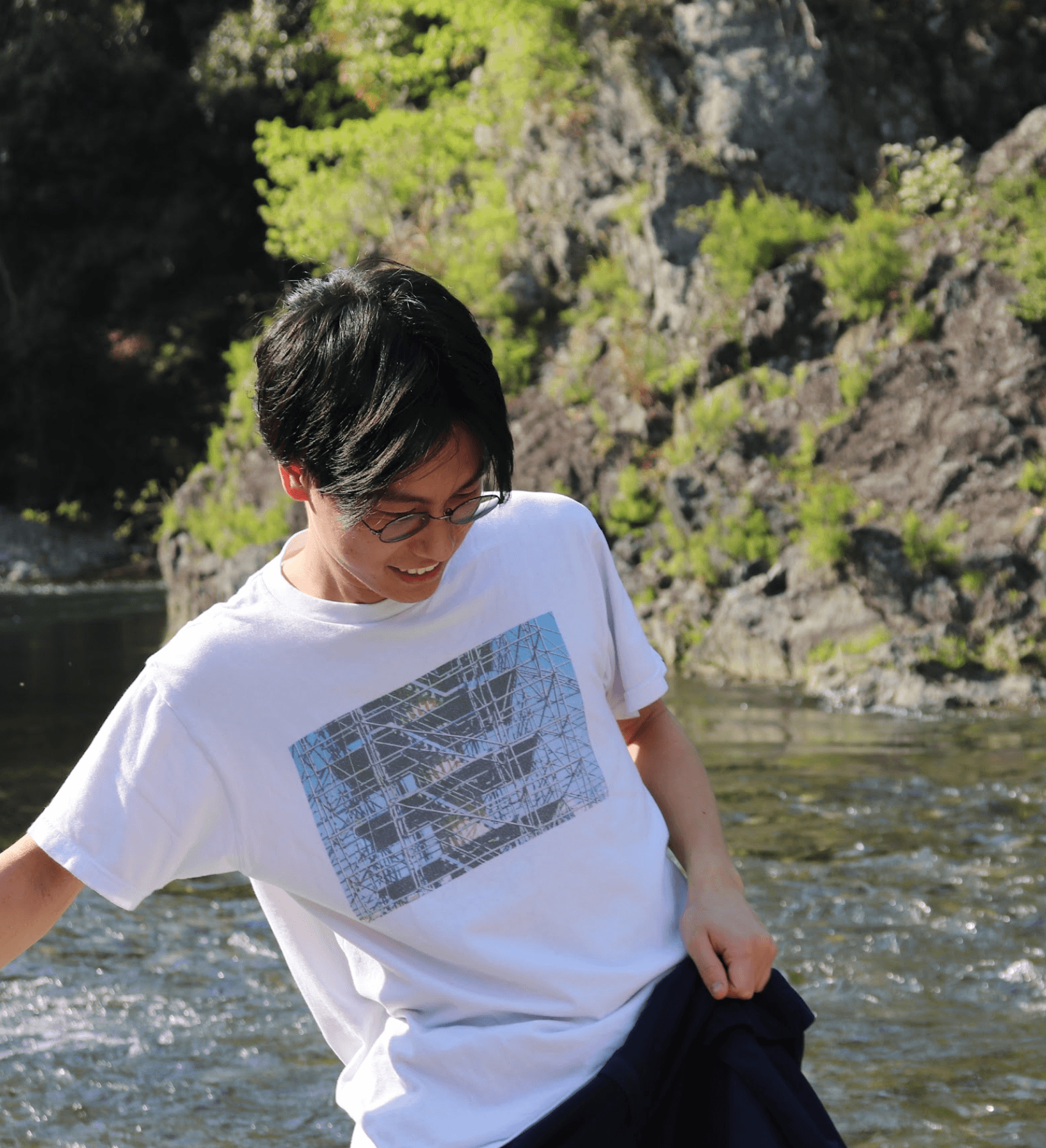
【Secretariat Interview #3】 Society Decides Correctness, Beauty is Personal | Representative Director Yuta Nihei | ASIBA
INC-3rd Term Secretariat Interview #3
INTERVIEW
2025.10.15.
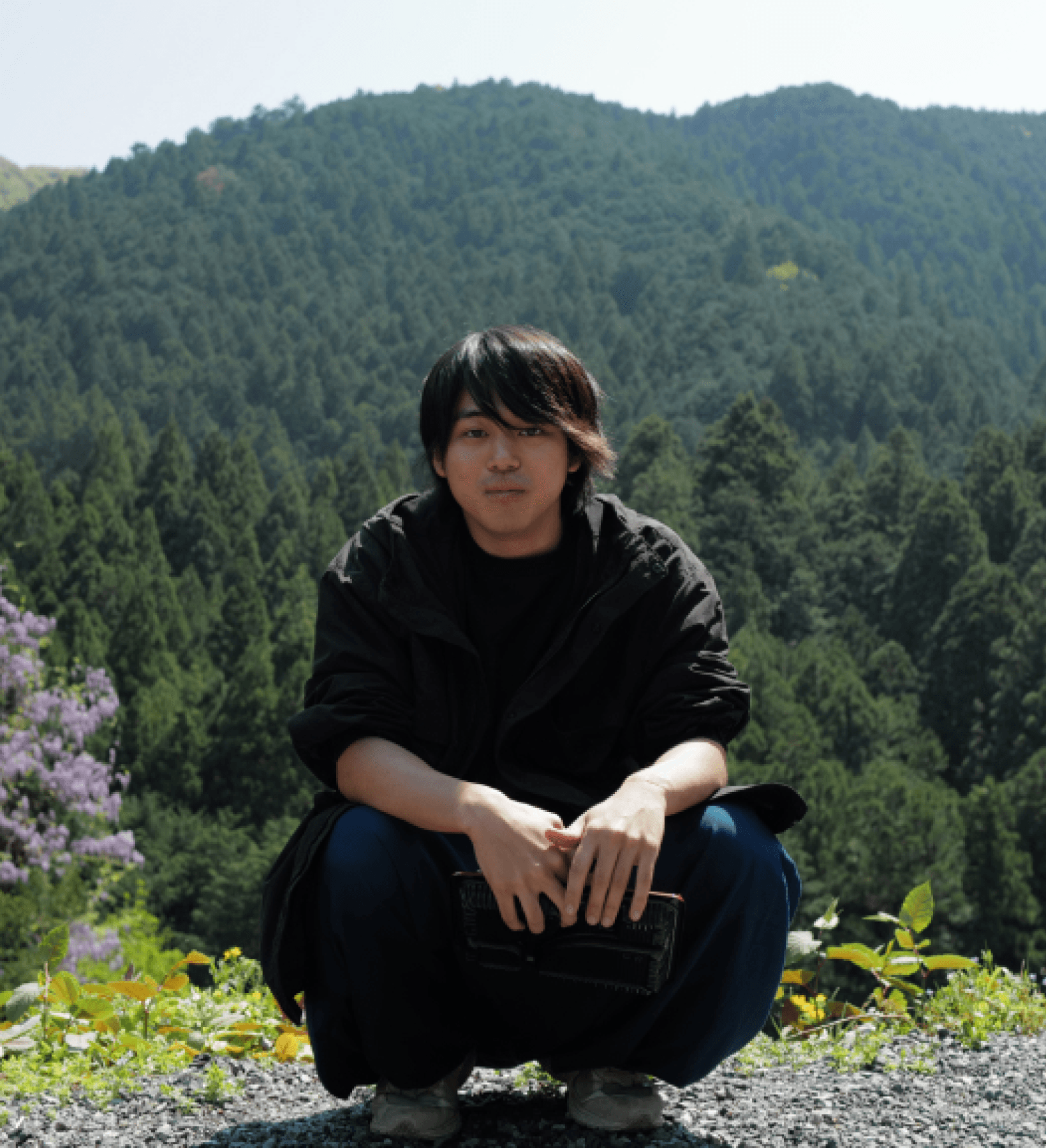
Office Interview #2: Intelligence to Trust People, Courage to Clash | Co-Representative Masaki Morihara | ASIBA
INC-3rd Term Secretariat Interview #2
INTERVIEW
2025.10.15.
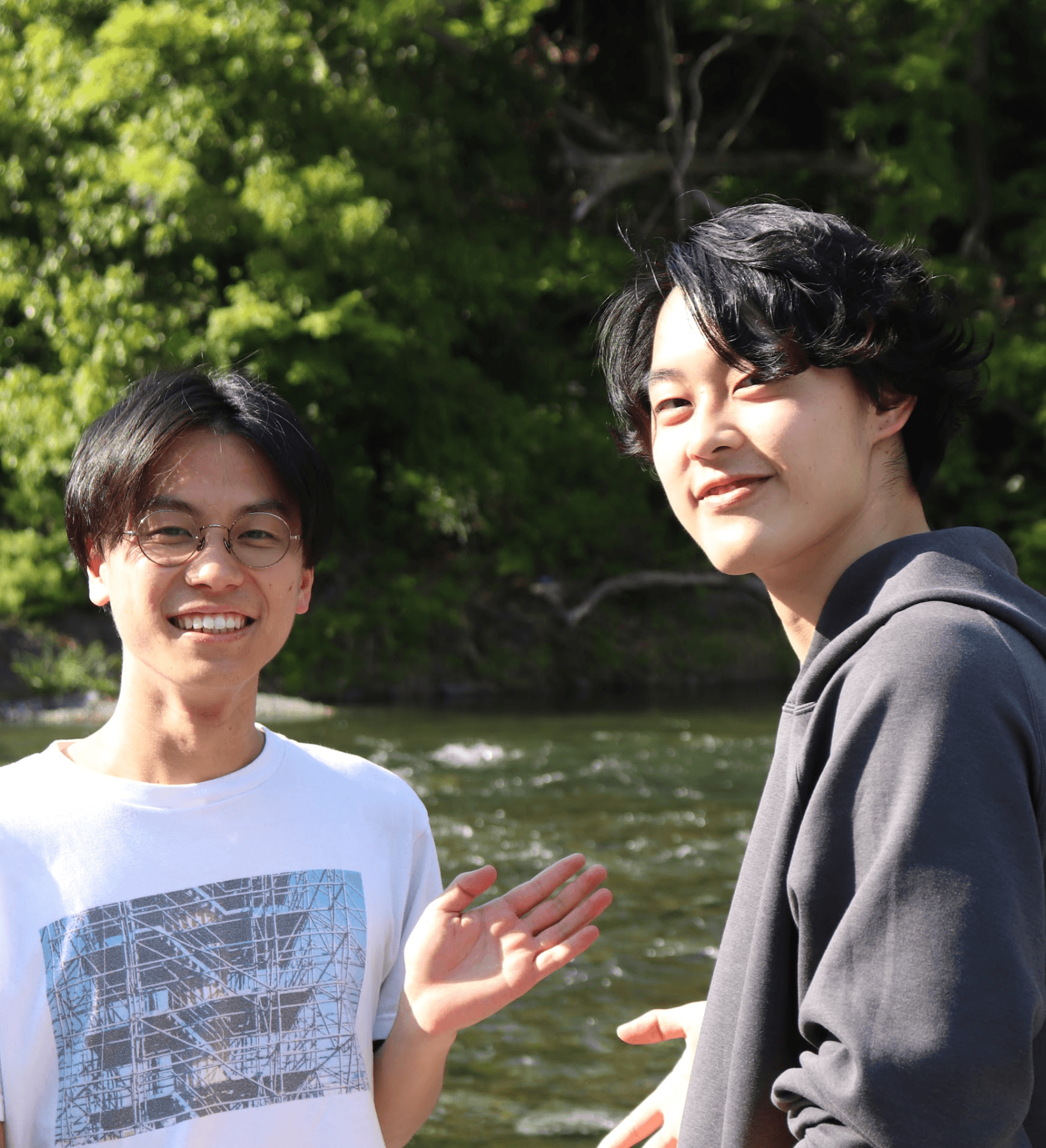
Interview with Secretariat #1: Embedding Non-Directive Questions | Content Team Director Motoki Usui | ASIBA
INC-3rd Term Secretariat Interview #1
INTERVIEW
2025.10.15.

[ASIBA Class Report] Day 7 'Raising the Flag' | ASIBA
INC-3rd Term Class Report #7
REPORT
2025.10.04.

[ASIBA Class Report] Day 6 'Raising the Pillars' | ASIBA
INC-3rd Term Class Report #6
REPORT
2025.08.06.

[ASIBA Class Report] Day 5 'Rowing the Boat' | ASIBA
INC-3rd Term Class Report #5
REPORT
2025.06.22.

[ASIBA Class Report] Day 4: Setting Sail
INC-3rd Term Class Report #4
REPORT
2025.06.21.

[ASIBA Class Report] Day 3 'Creating Whirlpools' | ASIBA
INC-3rd Term Class Report #3
REPORT
2025.06.20.
CREDIT
inhouse
collaborator
INC Player
external
sponsor