Tokyo Futurescape Studio Event Report #2
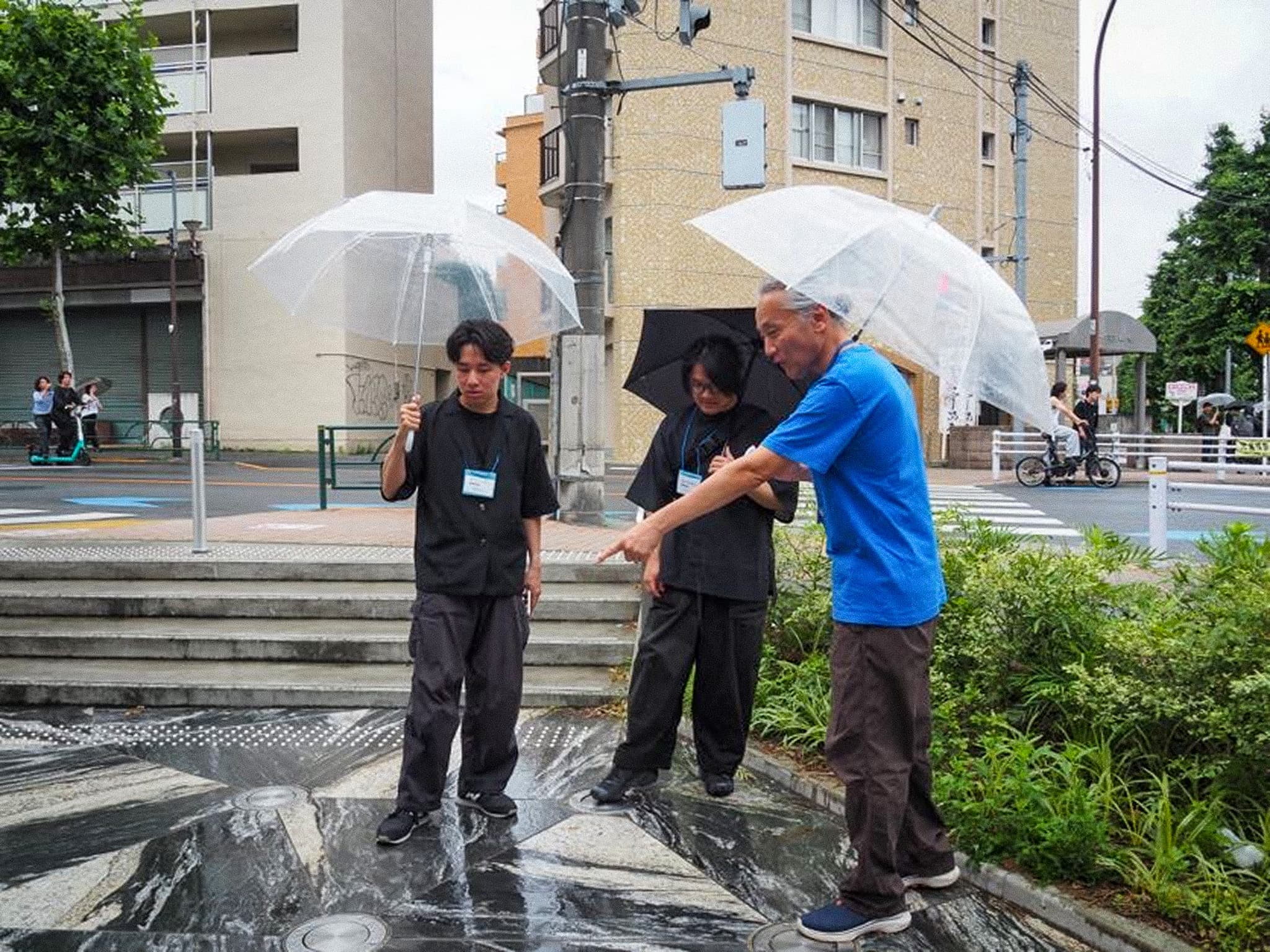
FIG.1
On Saturday, June 14, from 2:00 p.m. to 6:00 p.m., we held a workshop on Suido Road in the Sasahata-Hatsu area of Shibuya Ward—with the cooperation of Sasahata-Hatsu Machi Lab—to create a community radio station for the year 2040, using AI as a catalyst.
This event is the second installment of the “Tokyo Futurescape Studio” series, which explores and envisions the landscape of Tokyo 50 and 100 years from now.
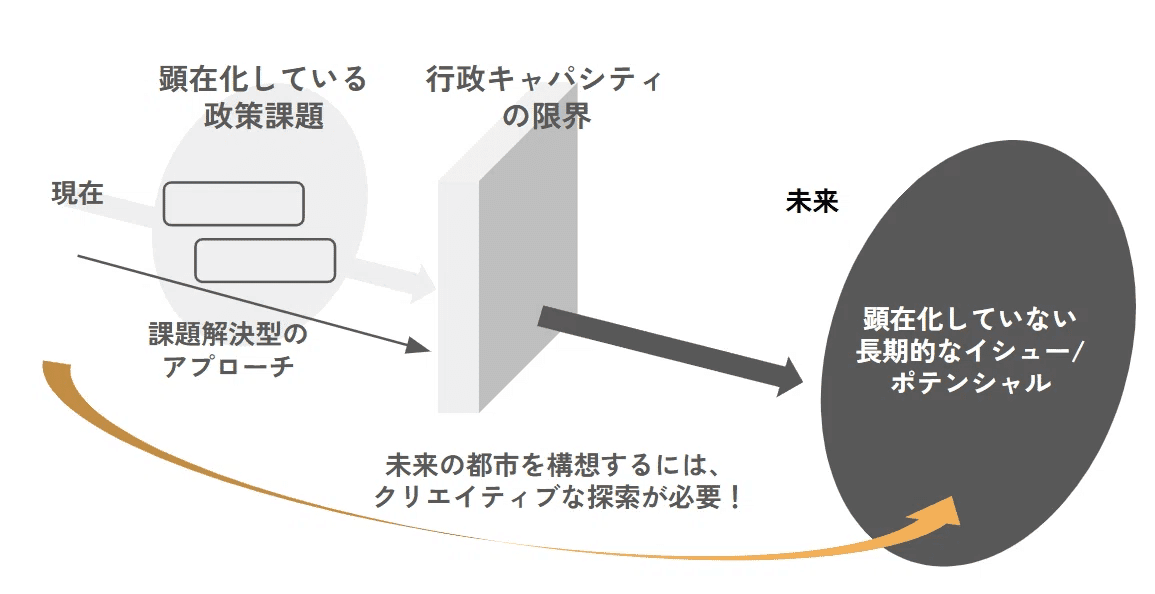
FIG.2
We place greater value on discoveries made through a bricolage-like process of exploring local possibilities—rather than on problem-solving itself—and on the “projects” based on those discoveries.At ASIBA, we position this series as an experiment to lay the groundwork for “projects”—as defined by Ezio Manzini, a leading figure in social innovation and design research—which involve reexamining existing situations, envisioning a desirable future, and bringing about concrete changes to achieve it.
In this installment, based on the question of whether AI can be utilized as a methodology to shift from a problem-solving approach to one driven by insights into the future, we explored whether technologies—including AI—could serve as a new medium for connecting diverse voices within the very process of envisioning the city’s future.
The target area is the corridor along Suido Road in northern Shibuya Ward. This area is known as the “Sasahatahatsu” area—a name derived from the initials of the Sasazuka, Hatagaya, and Hatsudai stations on the parallel Keio Line—and is managed by the “Sasahatahatsu Machi Lab.”With the cooperation of the Machi Lab team, we were able to hold a workshop on this occasion.
Composed of Shibuya City, Keio Electric Railway Co., Ltd., the Shibuya Future Design General Incorporated Association, and Tokyu Land Corporation, it is an organization dedicated to making the “Sasahatahatsu” area—surrounding Sasazuka, Hatagaya, and Hatsudai Stations on the Keio Line—a more attractive neighborhood.With the goal of improving the quality of life in the area, the group works toward creating a community with “places” and “people” that inspire engagement. (https://www.sasahatahatsu.jp/)
Memories, traces, and ways of life etched into a place may be invisible, but they breathe life into the neighborhood as a tangible reality.The Sasahatahatsu area (Sasazuka, Hatagaya, and Hatsudai), where this workshop is being held, is no exception. Along Suido Road, which runs east to west, everyday emotions and memories—unrecorded on maps or in statistics—have taken root and shaped the local landscape.However, these “unheard voices” tend to fall through the cracks of urban planning and development frameworks, which are premised on efficiency and economic rationality. To capture these often-overlooked voices and envision the future of our town, we have chosen community radio as our medium.
Community radio is a form of broadcasting in which residents themselves take the lead as creators, accumulating small anecdotes and local voices. It has the unique quality of one voice calling out to another, fostering connections within the community. Furthermore, radio is a medium that has been cherished across generations, including by older adults, making it an inclusive platform accessible to everyone.
In this workshop, we aimed to use AI as a catalyst for human creativity to collect subjective information—such as memories and emotions—that had previously been difficult to capture, and to weave these elements together while envisioning the future of Suido Road.
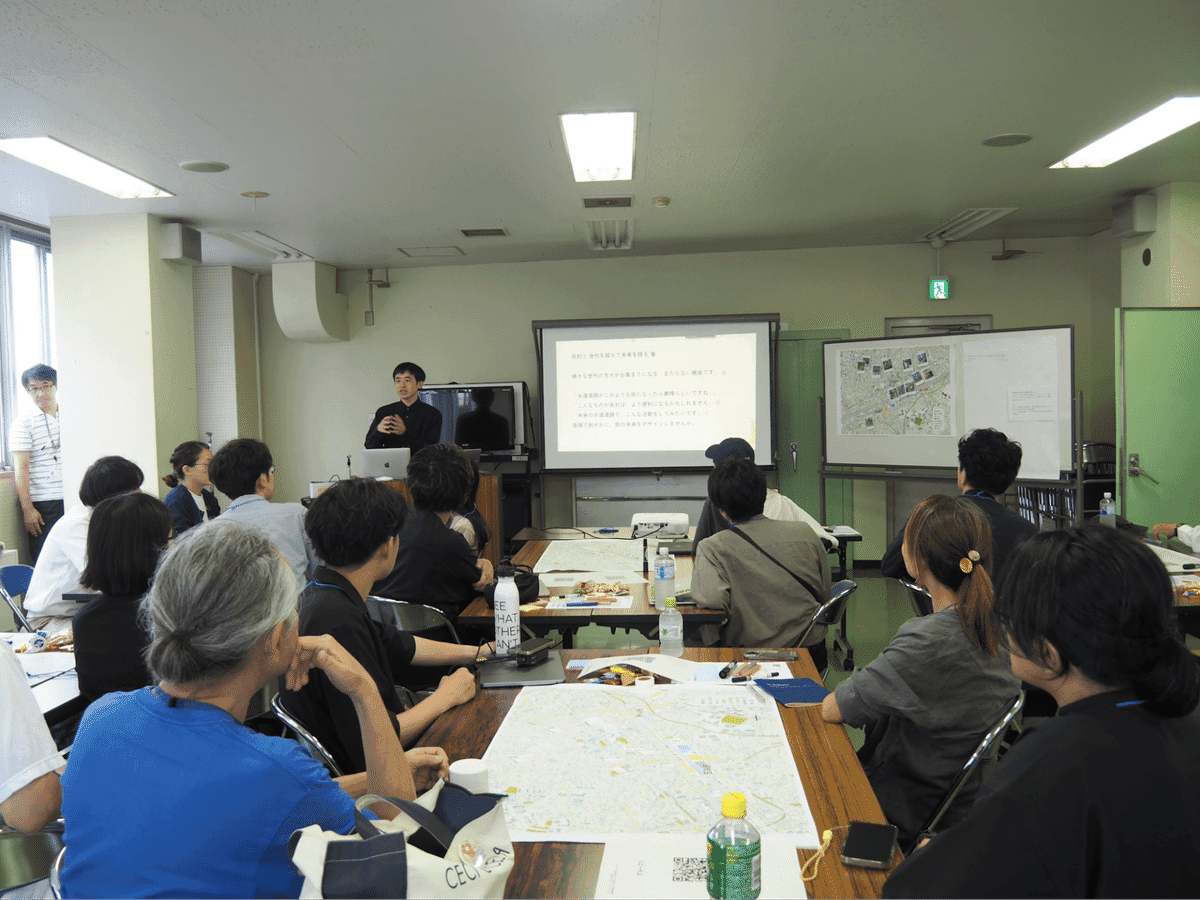
FIG.3
What is community radio? It is a radio station operated with the goal of enabling local residents to proactively share information.It is positioned as a medium for directly sharing community-based lifestyle information and local activities. Its institutional framework was particularly strengthened following the end of analog television broadcasting, leading to its widespread adoption nationwide. It serves to document and disseminate events and activities unique to the region, playing a role in continuously bringing to light the realities of the community and the voices of its residents.
We welcomed Rintaro Nakajo, a graduate student at the University of Tokyo, as a collaborator and designed a workshop that uses AI as a catalyst to draw out human creativity.
Rintaro Nakajo (Ph.D. candidate, Graduate School of Interdisciplinary Information Studies, University of Tokyo) Engages in research and social implementation of media design aimed at facilitating communication. Major works include “Ecodentity Walk” (co-produced), a workshop piece that explores non-human-centered perspectives on the environment from the viewpoints of other species. https://chujo.me
You can read an interview with Mr. Nakajo below, in which he discusses the background and objectives of this project, as well as the role AI can play in drawing out human creativity.
How can technology, including AI, contribute to the realization of citizen-driven and inclusive urban development? Taking this overarching question as our starting point, we identified the following two challenges:
We designed an experience that connects memory and the future through three stages: collecting memories of the city as it is today → imagining the future in 2040 → presenting findings on community radio.
① Individual Memory Collection: Participants stroll through the town, each collecting their own memories of Suido Road as it is today. They then share insights gained during the walk based on the memories they’ve collected.
② Imagining Suido Road in 2040: While envisioning the future of the town, participants read a radio script generated by AI and collaboratively edit and refine it within their groups.
③ Community Radio Broadcast: Participants took on the role of DJs to present the completed radio script to one another.
For this event, we developed two new AI tools.
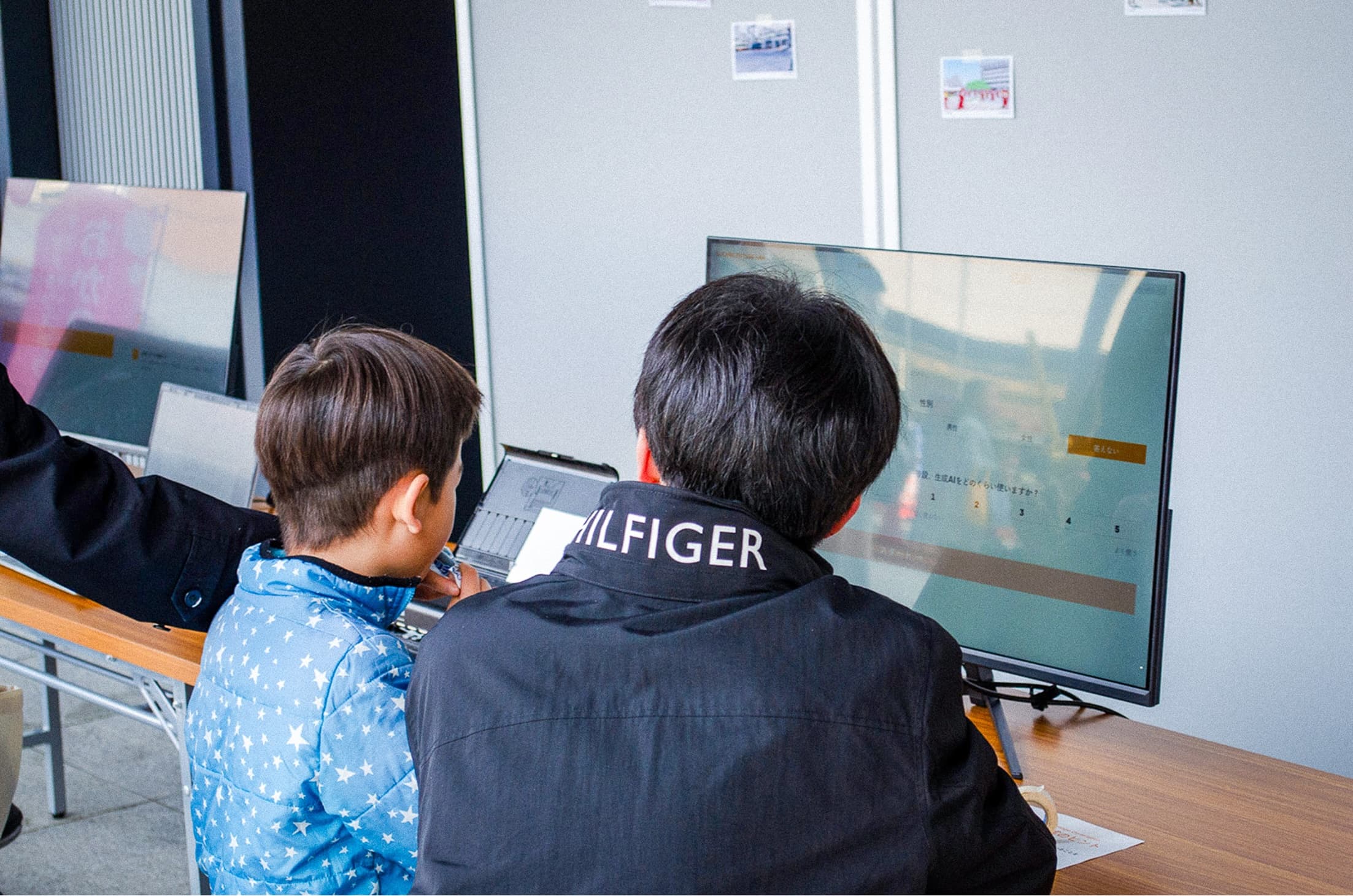
The Memory Camera is an application that automatically records 30 seconds of audio after taking a photo and saves the photo and audio as a set. On the day of the event, participants walked together, discussing their favorite spots and moments in the neighborhood while capturing them as records.
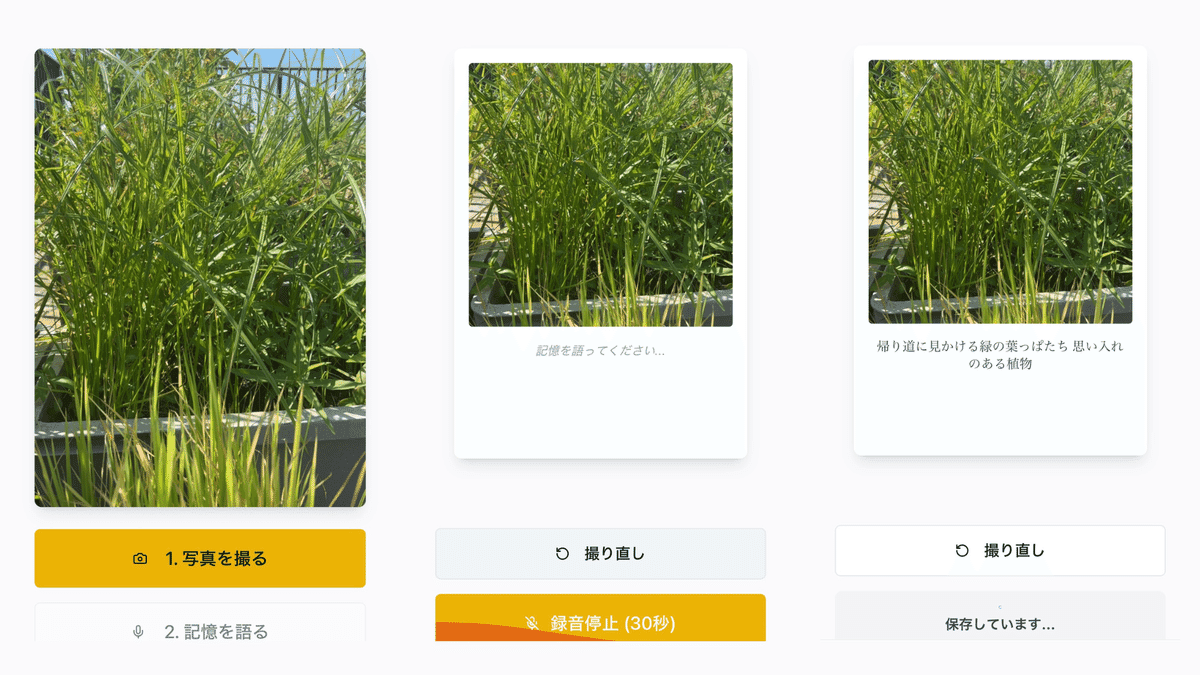
FIG.4
The “Radio Script Generation AI” is a system where AI generates a draft script—similar to a real radio program—based on a theme and photos taken during the walking tour.Participants take on the role of DJs, choose a name, and join the program. The theme is the question, “How can we make this town more [blank] by 2040?” You can feed the AI a wide variety of options for [blank]—such as “abundant with greenery,” “safe for walking,” or “a place where people of all generations gather”—and have it generate a script based on your selection.
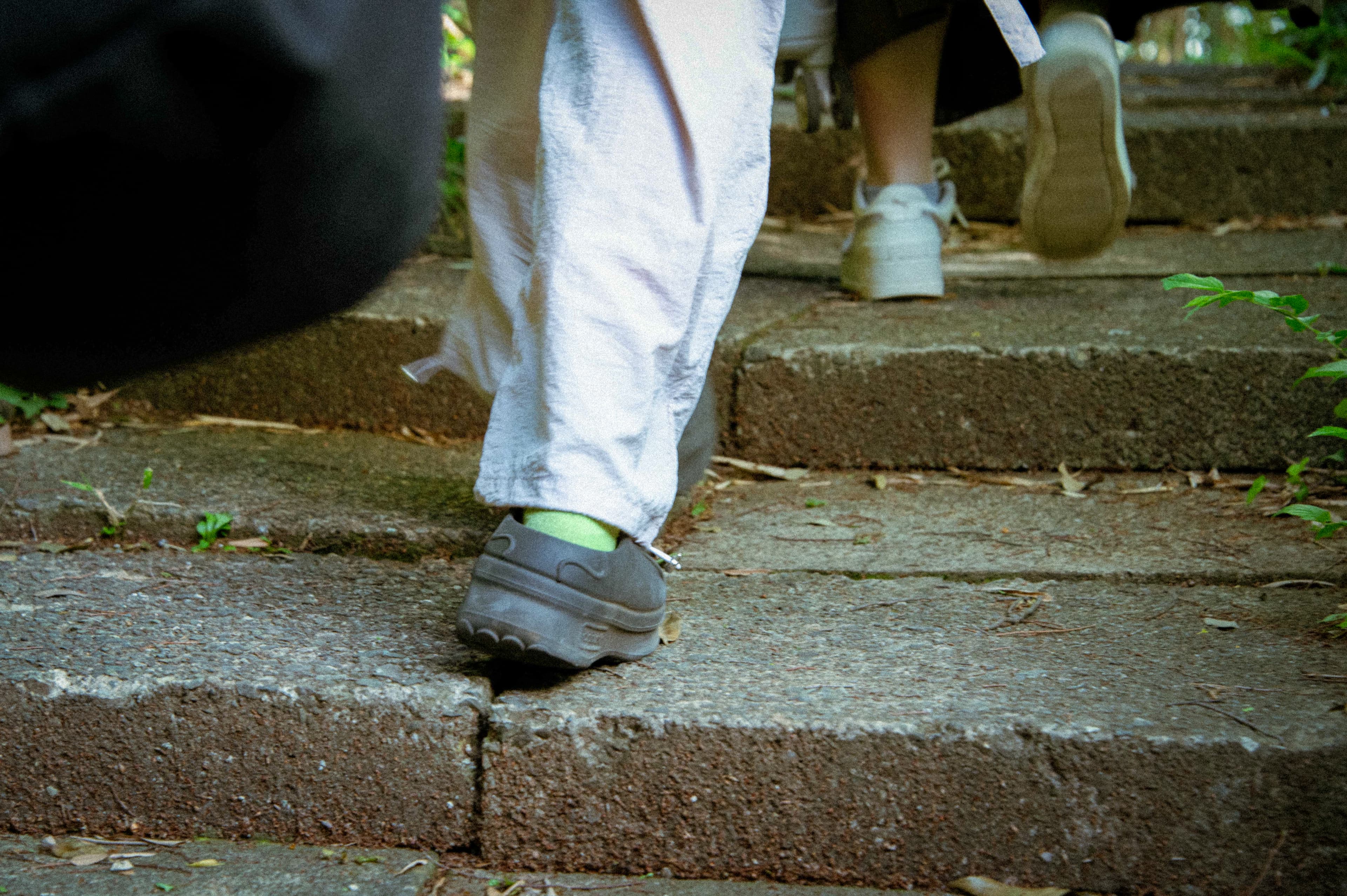
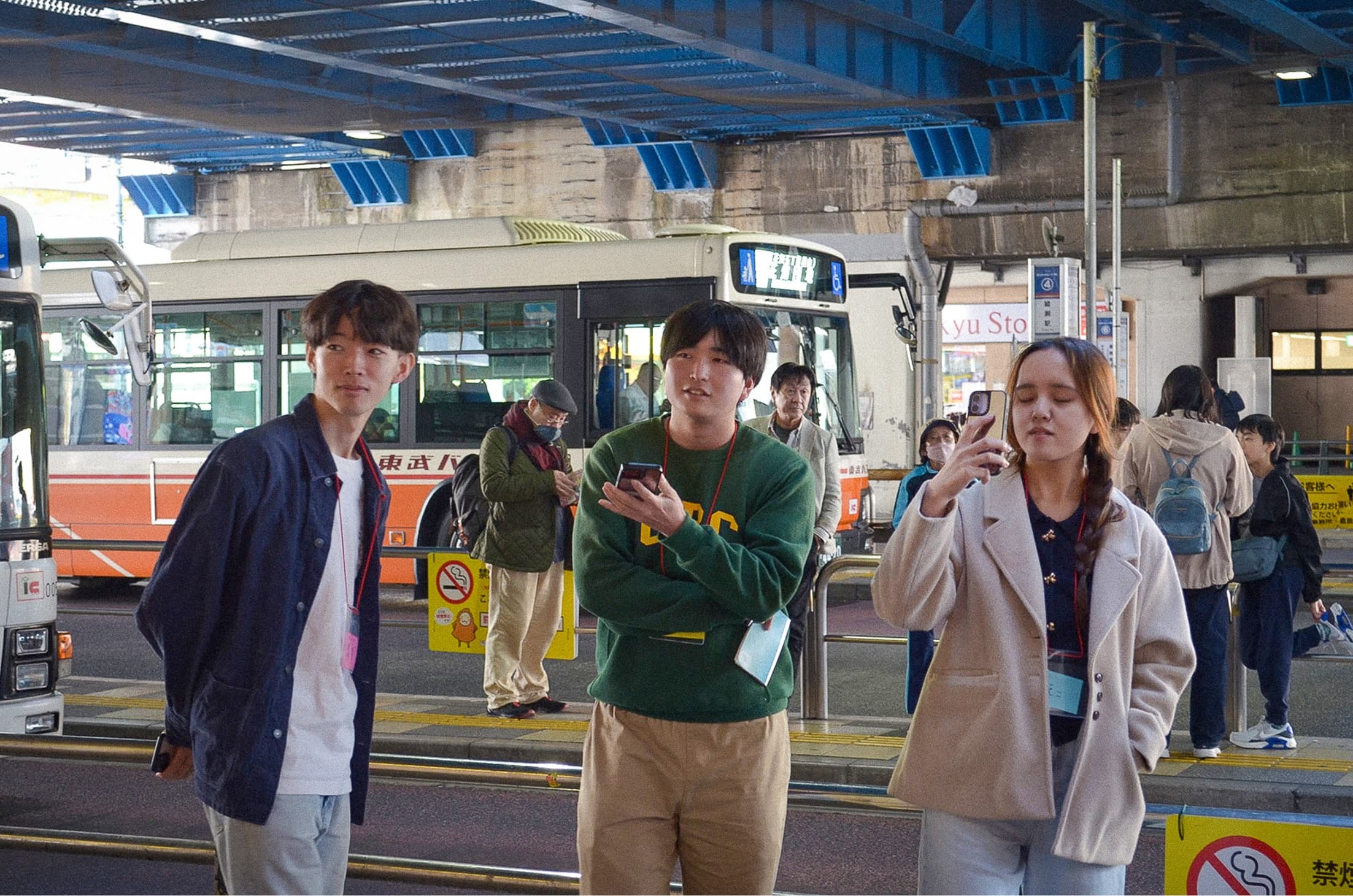
First, participants split into two groups—one for the Sasazuka area and one for the Hatagaya area—and went on a walking tour. Each person used a “memory camera” to collect their own memories of Suido Road.
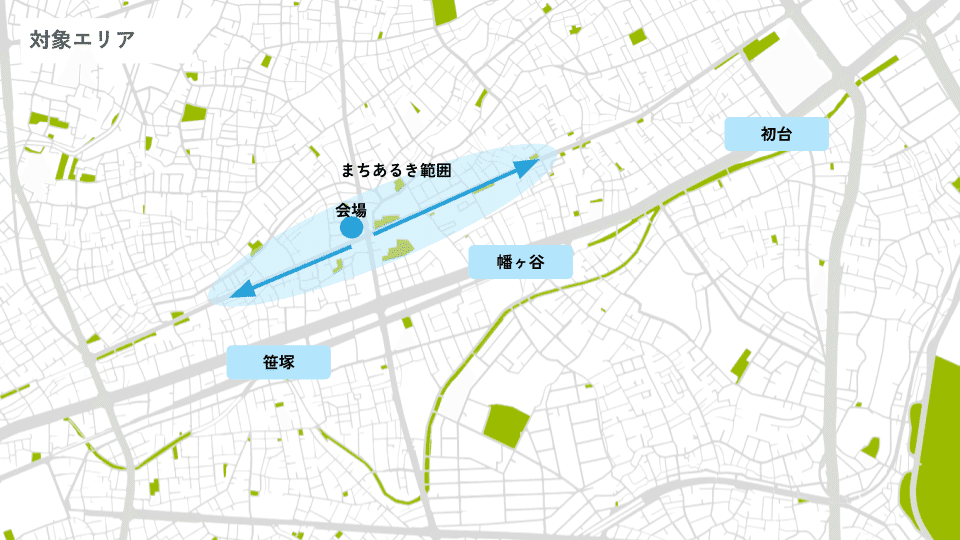
FIG.5
By sharing stories about favorite spots in the neighborhood they’d always noticed but often overlooked, as well as memories from their daily lives, while taking in scenery they usually miss, participants gained new perspectives by listening to each other’s memories.
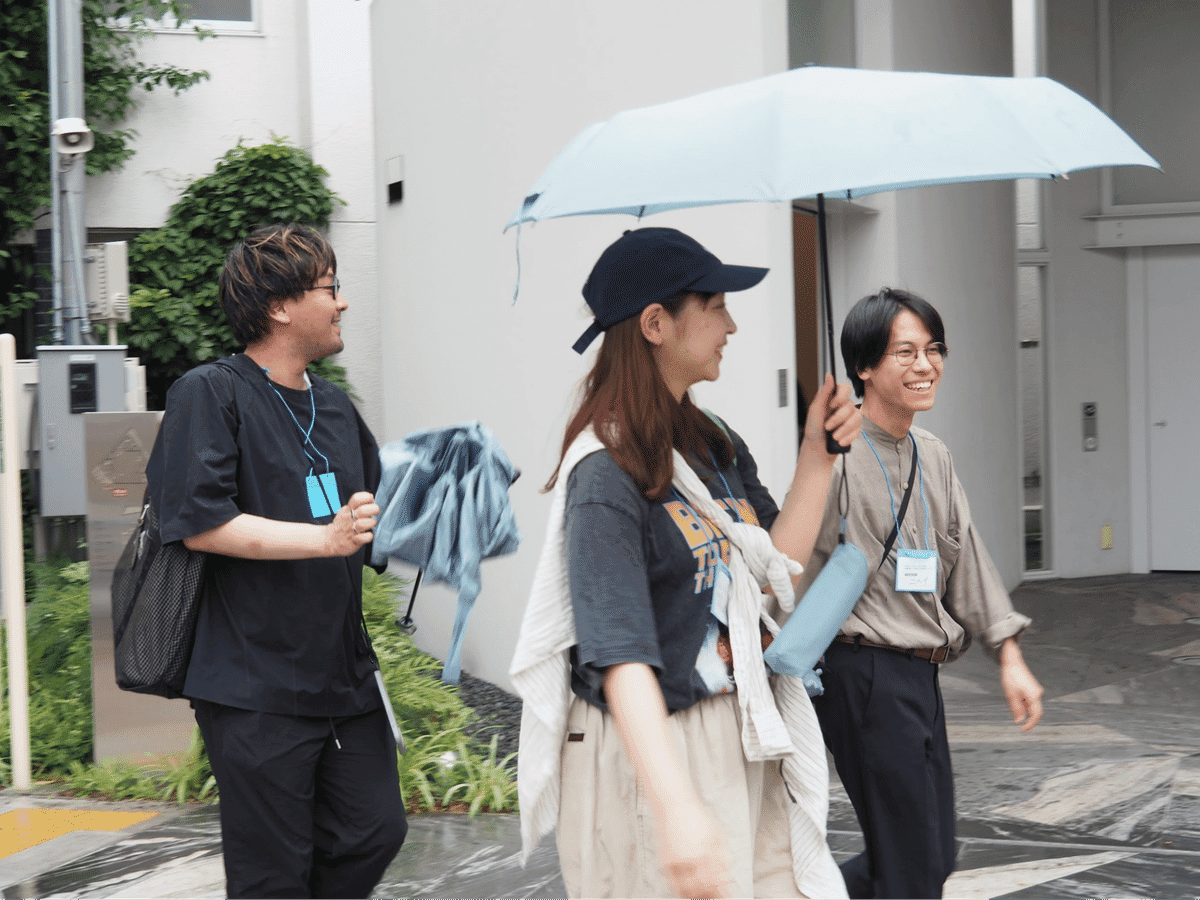
FIG.6
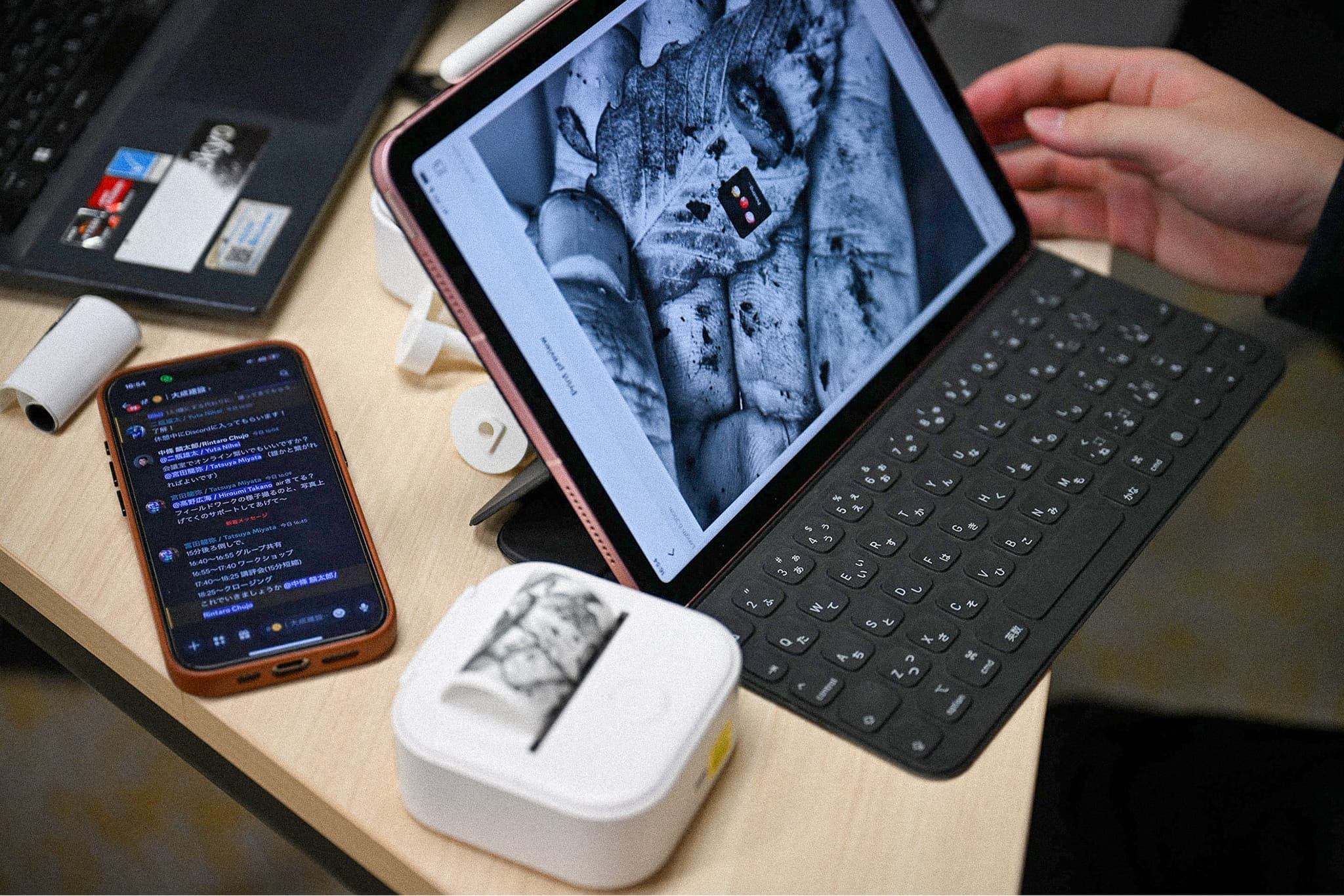
The collected memories were printed on sticky-note-sized pieces of paper, each featuring a combination of a photo and a transcript of the audio recording. We then placed these notes on a map to create a visual representation of our journey. Within our teams, we put our observations from each location into words and shared the insights we gained during the walk.
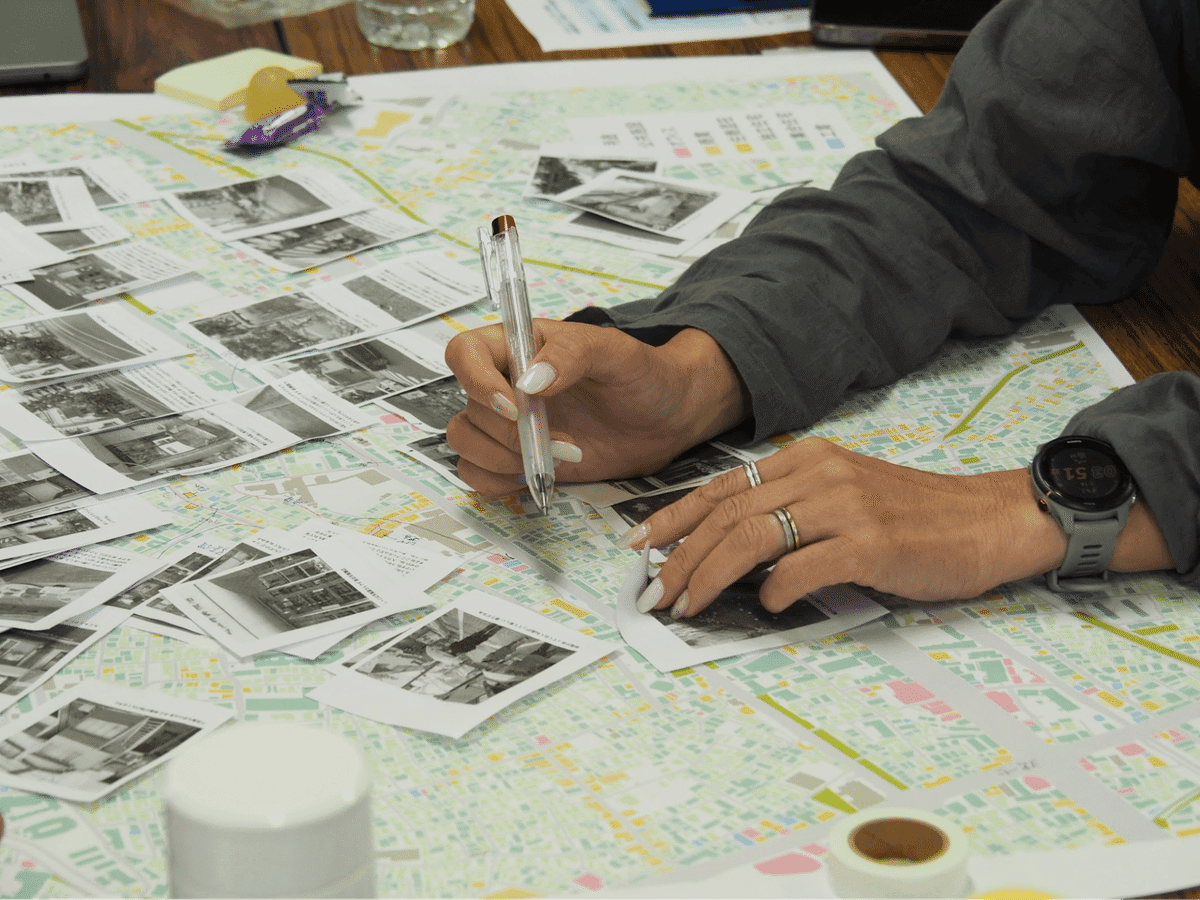
FIG.7
What we collected were personal narratives deeply rooted in the neighborhood, such as “I smelled something delicious when I turned the corner here” and “There used to be [X] here.” From there, by exploring the countless layers of memory embedded in the neighborhood and re-examining the Sasahatahatsu area as a whole, we were able to uncover the neighborhood’s unique character and essence.
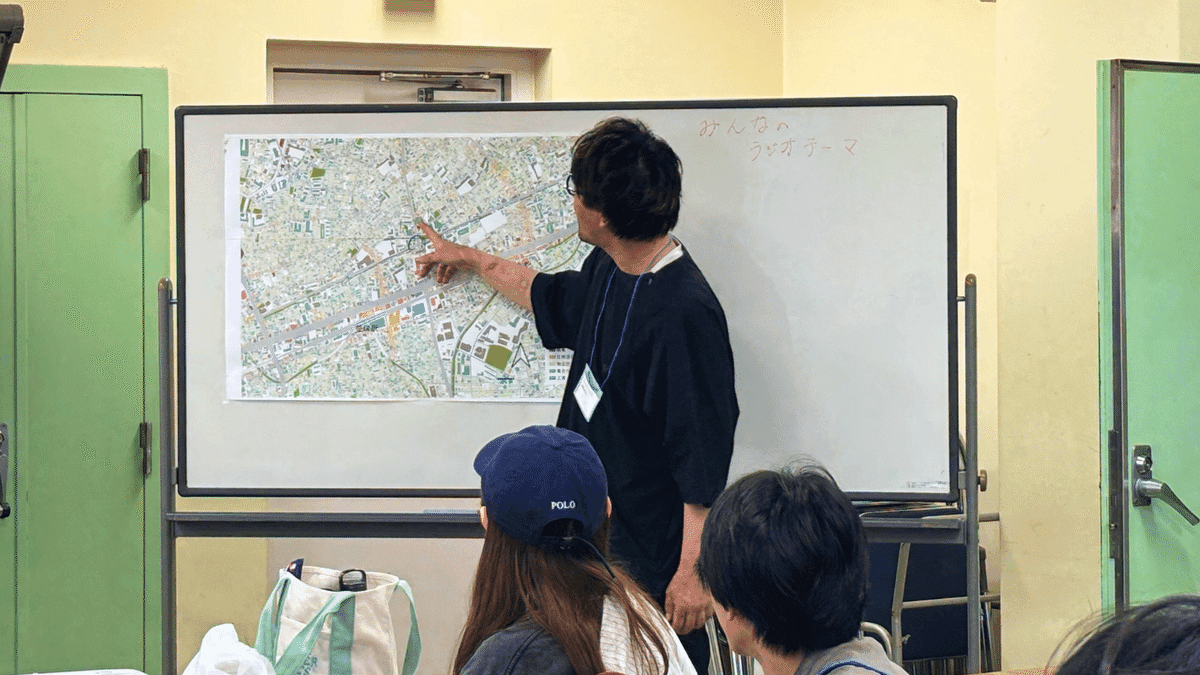
FIG.8
Next, each group discussed the question, “How can we make this town more [X] by 2040?” based on the photos taken and insights gained during the walk, and established themes for their community radio programs. The year 2040 is said to mark a critical turning point when Japan’s social structure will reach a major milestone.Since three major changes—demographic shifts, the limits of social infrastructure, and shifting values—will occur simultaneously, it is crucial to start thinking now about how to ensure a sustainable, high-quality life for future generations. With this in mind, each group was asked to decide on a radio theme. Themes that emerged included “A Town Where You Can Express Your Individuality” and “A Town You Can Cultivate Yourself.”
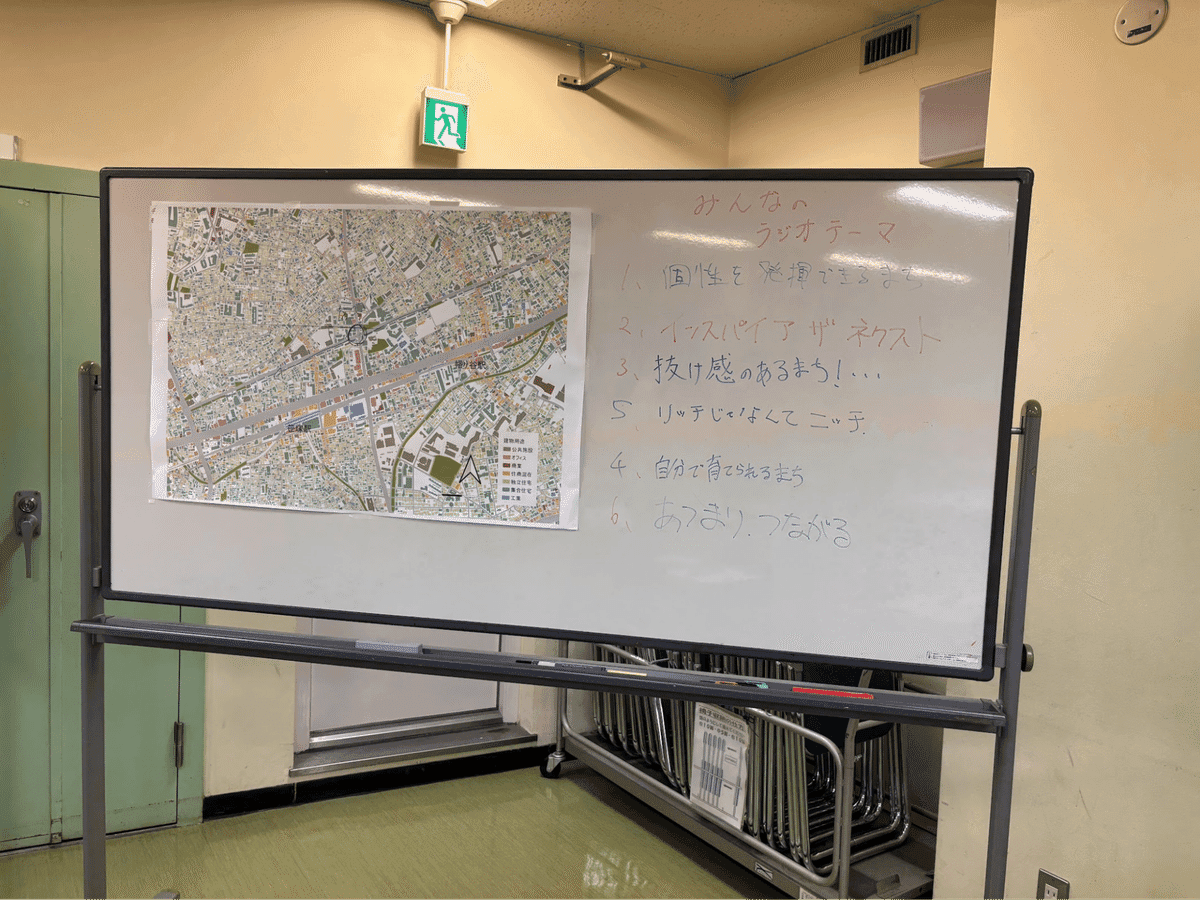
FIG.9
Afterward, we entered the themes into an AI system to generate radio scripts. The scripts generated by the AI are merely starting points. Participants refine these scripts, weaving in their own words and deepening their ideas.The AI’s output serves as a catalyst for imagining the future in 2040 and expanding on ideas, ultimately helping participants create original radio programs that reflect “their own voices.”
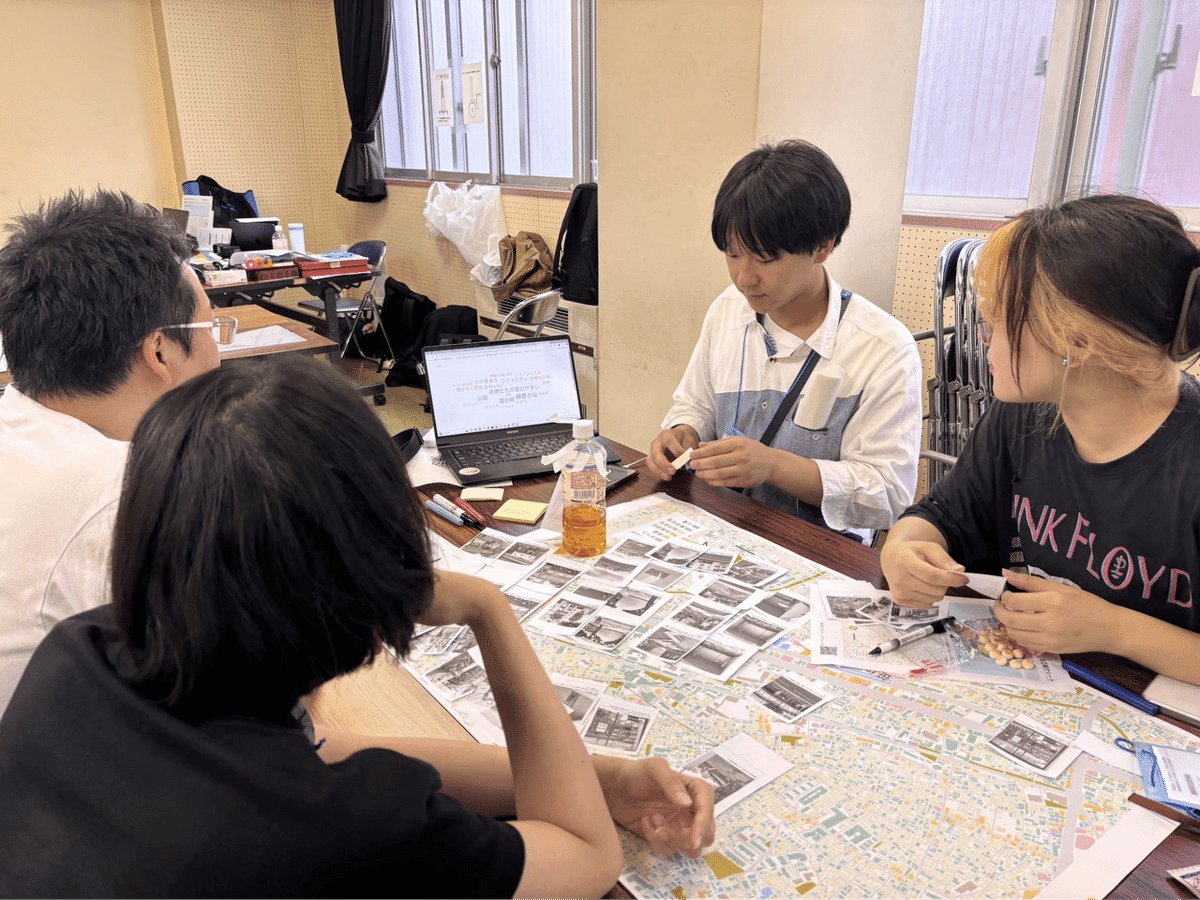
FIG.10
Based on the completed radio scripts, participants took on the roles of radio DJs and held a community radio presentation.
Excerpt from the Community Radio Broadcast DJ: Hello, everyone! Today, from Suido Road in Shibuya Ward in the year 2040, we’re going to talk about “Suido Road: A Street You Can Grow Yourself.” While I do miss the laid-back atmosphere of the past, it feels like both people and plants are now freely spreading their roots here. Now, as our special guests today, we’re connecting with Ms. Sasahata and Ms. Hatsudai by phone! Welcome to both of you! First, we’ve received a message from the future from Ms. Sasahata. Ms. Sasahata, could you please read it for us? Sasahata: Today, at a “co-growing spot” on Suido Road, I joined some passersby in an experience where we “imprinted” the “flowers we wanted to care for” onto the soil and grew them together. It’s not like the compartmentalized flower beds of the past—anyone who walks by can leave their thoughts and wishes in the soil.Before you know it, those little thoughts connect, and all year round, all kinds of flowers sprout “spontaneously across the whole neighborhood” and grow together. Wow, it feels like both I and nature are evolving together—I thought, what an incredibly fascinating era we’re living in! DJ: That’s great—so flower beds aren’t like those old-school radio calisthenics routines anymore! Actually, I’ve seen those photos of Suidou Road from around 2025, too. The bricks were just scattered haphazardly, and residents were asking, “What are these bricks for?” Plus, the “Community Garden” was left completely unfinished and abandoned. The current setup, where anyone can connect with the soil and plants anytime, is wonderful, isn’t it?
As part of the performance, the participant playing the DJ proceeded under the premise that they were “calling a representative from the Shibuya Ward Office’s Future Urban Development Division to ask questions.” For example,
DJ: “And now, to wrap things up, we’re connecting via phone with a representative from the Shibuya Ward Office’s Future Urban Development Division! I have a question based on today’s discussion. With summers becoming increasingly harsh for both people and plants due to extreme heat and abnormal weather, how does the ward plan to support the spaces and greening along Suido Road moving forward?”
They acted out asking the question as if they were on a radio show.Since they received real-time responses from a representative of the Shibuya Ward Office—who was actually present at the venue as part of the Sasahata Hatsu Machi Lab—participants were able to deepen their discussion not just by imagining scenarios, but by being mindful of real-world administrative perspectives and constraints. This allowed them to create a highly immersive radio program where “their own voices” intersected with real-world challenges.
A total of 21 people participated in this workshop, including 9 students (both undergraduates and graduate students), 9 local residents (including members of neighborhood associations and ward council members), and 3 representatives from the Sasahatahatsu Machi Lab. People of different generations and backgrounds gathered in one place to think about the future of the town through AI radio.In a post-event survey, all participants rated the experience as “very good” or “good,” resulting in a 100% satisfaction rate. We also received a variety of perspectives on how people view and experience the town.
・While some expressed a desire to “increase public spaces where people can connect!”, the AI radio script helped participants realize that there are also people who do not wish to connect. ・Although the number of young people is growing and housing demand is rising, buildings are aging, and it is a concern that renovations are not progressing quickly enough. ・I hope this place will become a space where we can see a rich quality of life, with visible community connections in whatever form they take.
Through this workshop, we learned that the process of creating community radio using AI as a human catalyst has the power to mediate the town’s memories. By bringing together individual subjective information, diverse visions of the future emerged, and the discussion shifted from solving problems to exploring future possibilities. We felt that this approach could serve as an effective mechanism for citizens to link their own voices to their vision of the future city.
Moving forward, we plan to recreate the subjective information—such as memories and sensibilities of the city—captured by the “Memory Camera” within a digital twin and utilize it to validate urban development scenarios. While conventional digital twins have supported urban management and disaster prevention based on physical and functional data, they cannot fully capture people’s experiences, emotions, and cultural backgrounds.The “Intersubjective Digital Twin” we envision collects and reconstructs this “other layer” of the city—such as the narratives of older adults, memories of childhood playgrounds, and everyday conversations—providing clues that allow us to connect with the memories and emotions of others.
This digital twin goes beyond mere visualization; it functions as an interface that provides clues to connect with the memories and emotions of others, evoking empathy and imagination among citizens. It possesses a narrative structure that links the past, present, and future, and can be described as another “medium of memory” for the city.We believe that such urban media installations transcend the frameworks of urban planning and spatial design to serve as a foundation for envisioning a more inclusive and human-centered city.
In this way, they evoke empathy and imagination among citizens and function as the city’s “medium of memory,” possessing a narrative structure that connects the past, present, and future. Ultimately, we aim to create a new public sphere where every resident can participate as a “city storyteller.” To this end, we will further develop AI-powered workshop methodologies and take on the challenge of implementing local initiatives in collaboration with municipal governments.
We would like to express our sincere gratitude to everyone who participated.
Date and Time: Saturday, June 14, 2:00 PM – 6:00 PM Location: Area along Suido Road Meeting Point: Sasazuka Community Center (3-1-9 Sasazuka, Shibuya-ku) Organizer: ASIBA (General Incorporated Association) In cooperation with: Sasahata Hatsu Machi Lab
Credit
Related Works
2025.06.08.