Memory Camera
A participatory workshop building a community radio station along the Suido-doro corridor
In recent years, a wave of redevelopment has been sweeping through towns on the outskirts of Tokyo. One reason bar streets and arcades, filled with people's memories, keep being replaced by high-rises generated almost automatically from a per-square-meter price may be that we have never found a way to quantify emotional value. Aiming to build a digital twin made up of residents' subjective accounts, this project ran a participatory workshop along Suido-doro, the road running east-west through Sasazuka, Hatagaya, and Hatsudai in Shibuya Ward, collecting memories of the town and re-editing them into an inclusive medium: radio. The team developed a “memory camera” app that automatically records 30 seconds of audio at the same moment a photo is taken, designed to capture residents' personal narratives together with the place. Using the fragments of memory gathered this way, an AI generates a rough draft of a community radio script set in 2040 — though the AI's output is only ever a starting point, and participants discuss it, adding to and revising the script. In the end, by performing the radio show themselves, participants imagined both the town and themselves in 2040.
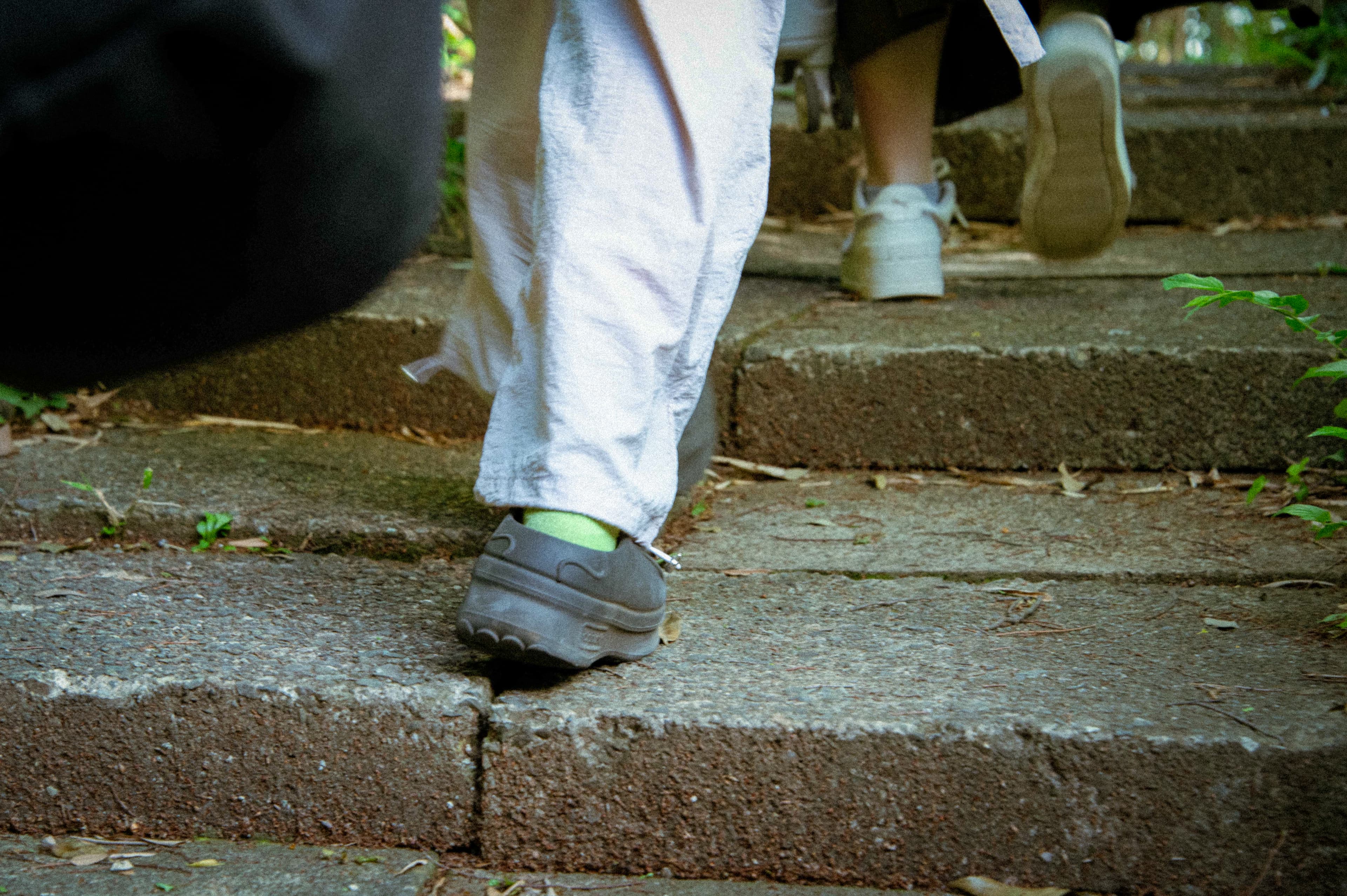
FIG.1 © Tamao Nishiyama
Cities and Subjectivity
“That spot under the trees is so peaceful,” “There used to be a factory there”—the more information like this we have, the more we can enjoy the city.In the sense that the cityscape accumulates information that connects “my” subjectivity with “your” subjectivity, it can be said to possess intersubjectivity. If we can transform that intersubjectivity into information and imbue it with value, the way cities are built will change.
The area along Suido Road, where we held the workshop (hereinafter “WS”), is characterized by a straight road along which a waterway was laid to serve as an alternative to the Tamagawa Aqueduct back when the Yodobashi Water Purification Plant was located at Shinjuku’s West Exit.Located just 200 meters from the Koshu Kaido—the main artery of western Tokyo—Suido Road, with its single lane in each direction and dotted with mid-rise buildings, restaurants, and specialty shops, maintains a pleasant scale. The Toei public housing complexes lining the south side of Suido Road are scheduled for reconstruction over the next several decades.As the neighborhood undergoes transformation, the goal of this community development workshop was to further amplify the voices of residents.
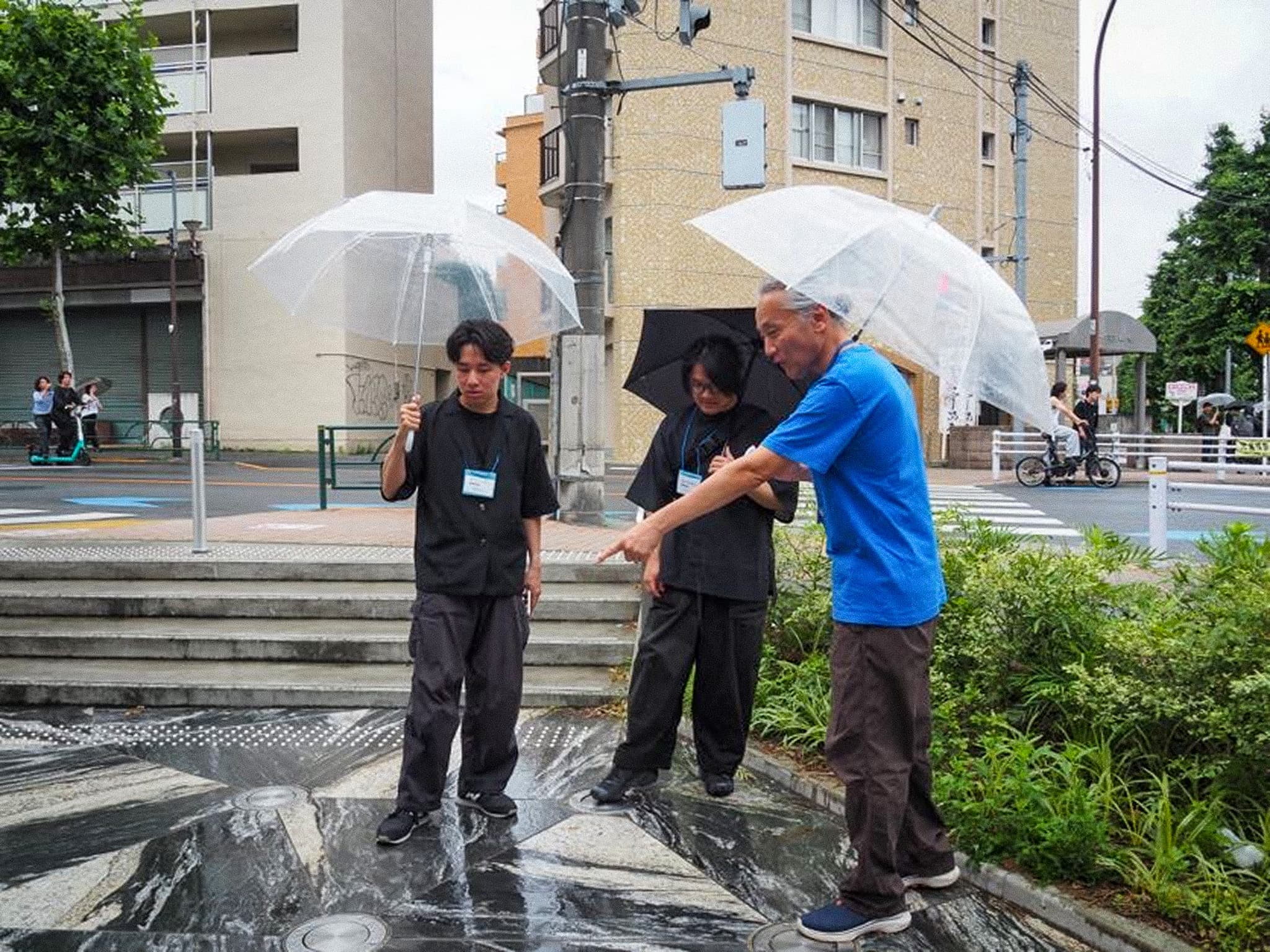
FIG.2
Using the “Memory Camera”
Ten local residents, eight college students from outside the area, and three staff members from the Sasahata Hatsu Machi Lab participated in the workshop. Using the web app “Memory Camera,” developed specifically for this workshop, they collected 302 accounts—totaling 14,003 characters—that were unique to the area and linked to location data and photographs. These were printed onto sticky-note-sized pieces of paper using a handheld printer and arranged on a map. Participants discussed each location, and the sense of “in-between”—which had not been articulated until then—gradually came into focus. Walking, taking photos, arranging them—these physical actions created a space that drew out the narratives.
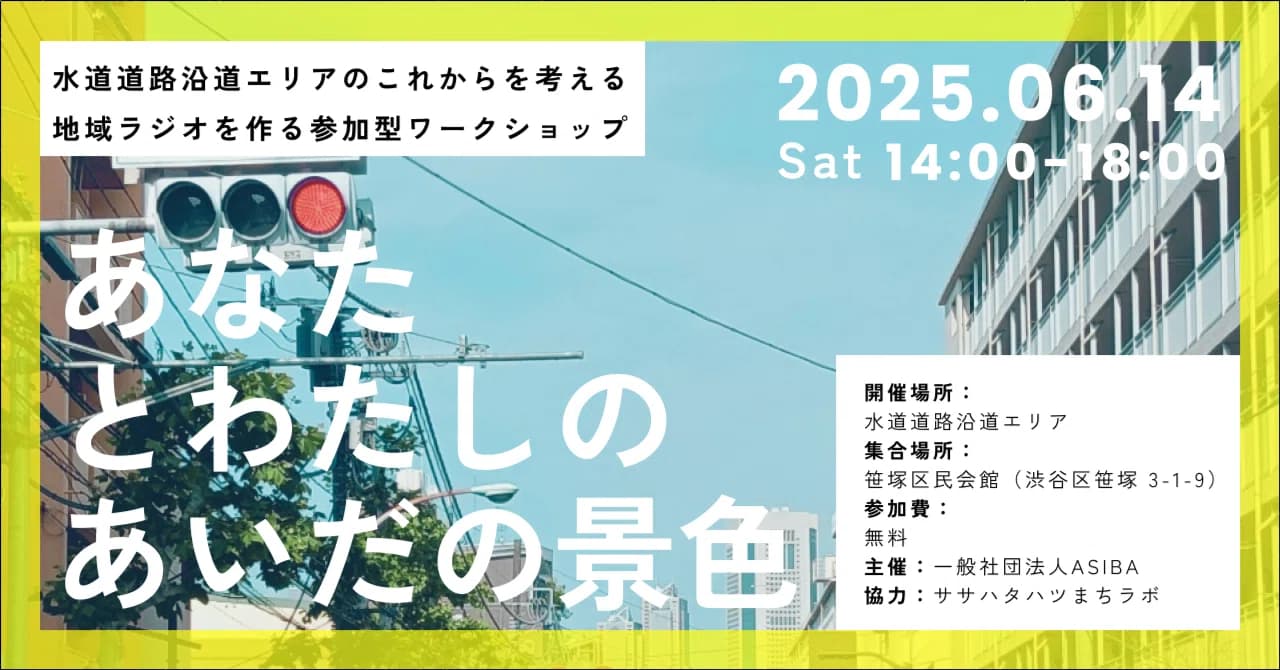
FIG.3
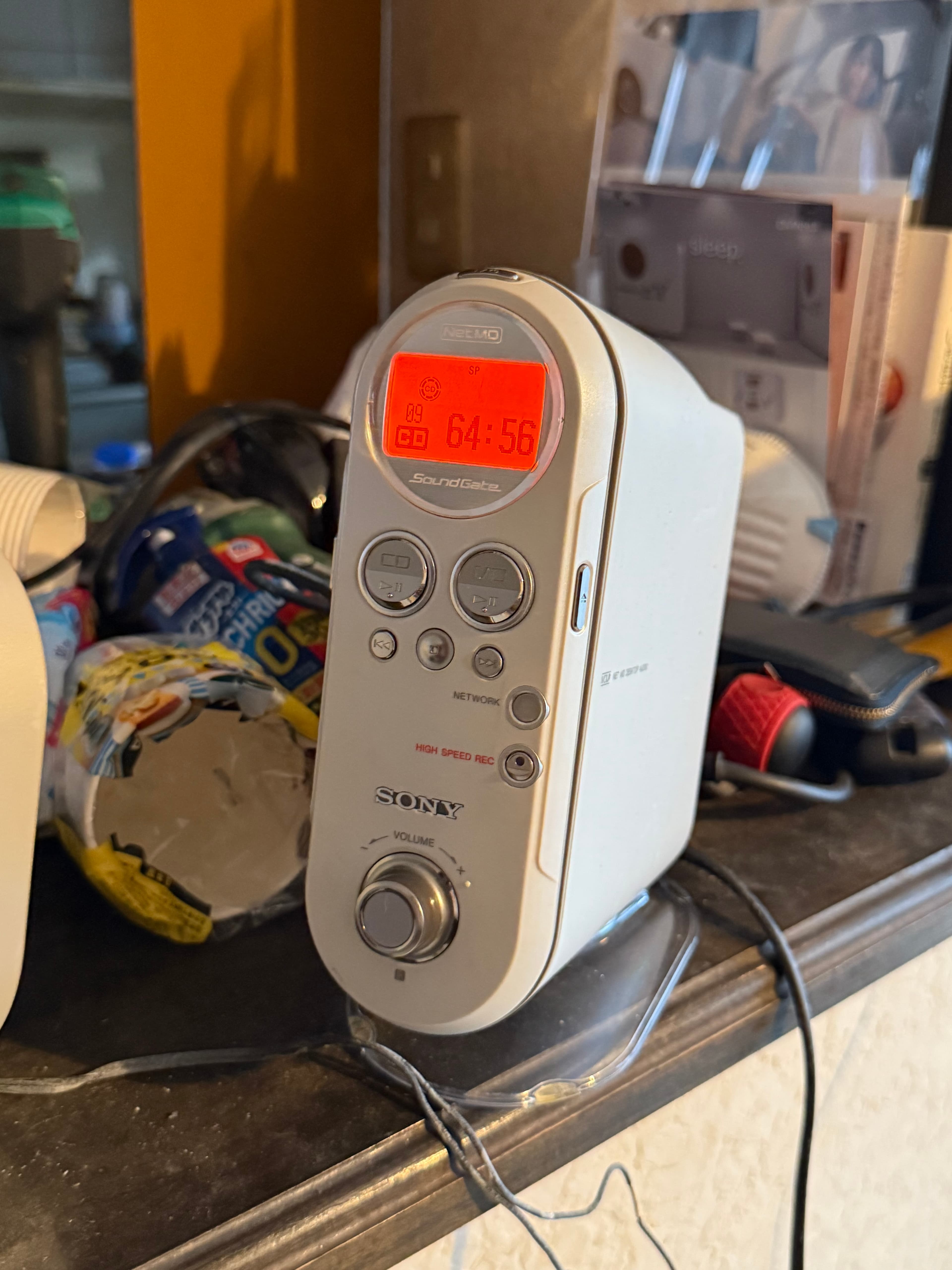
In the next phase, generative AI used the collected narratives to create a rough draft of a radio script. Participants entered themes in response to the question, “How can we make this town more [insert adjective] by 2040?” While reading aloud the generated script, participants revised the content and added their own ideas.The radio program featured both optimistic and pessimistic characters regarding the changes in the city of the future. Furthermore, an improvisation segment was incorporated toward the end. When it came time to take on the role of a DJ and present the radio program, participants strayed significantly from the script and began speaking as if they were living in the city of 2040.
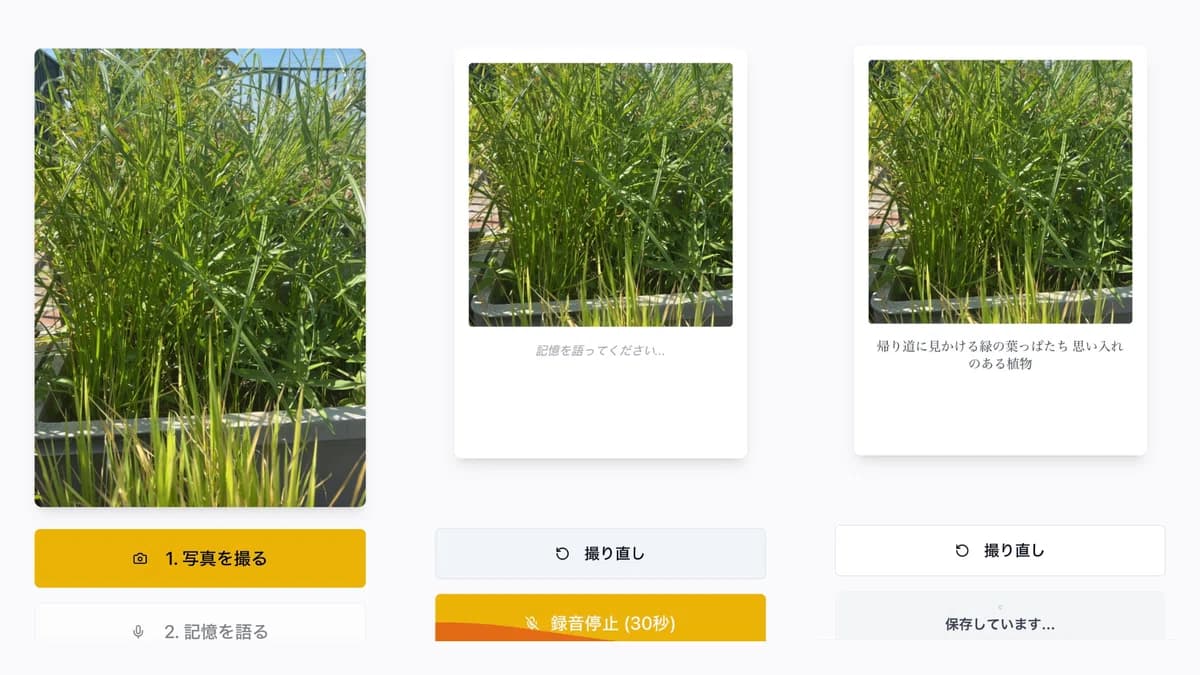
FIG.4
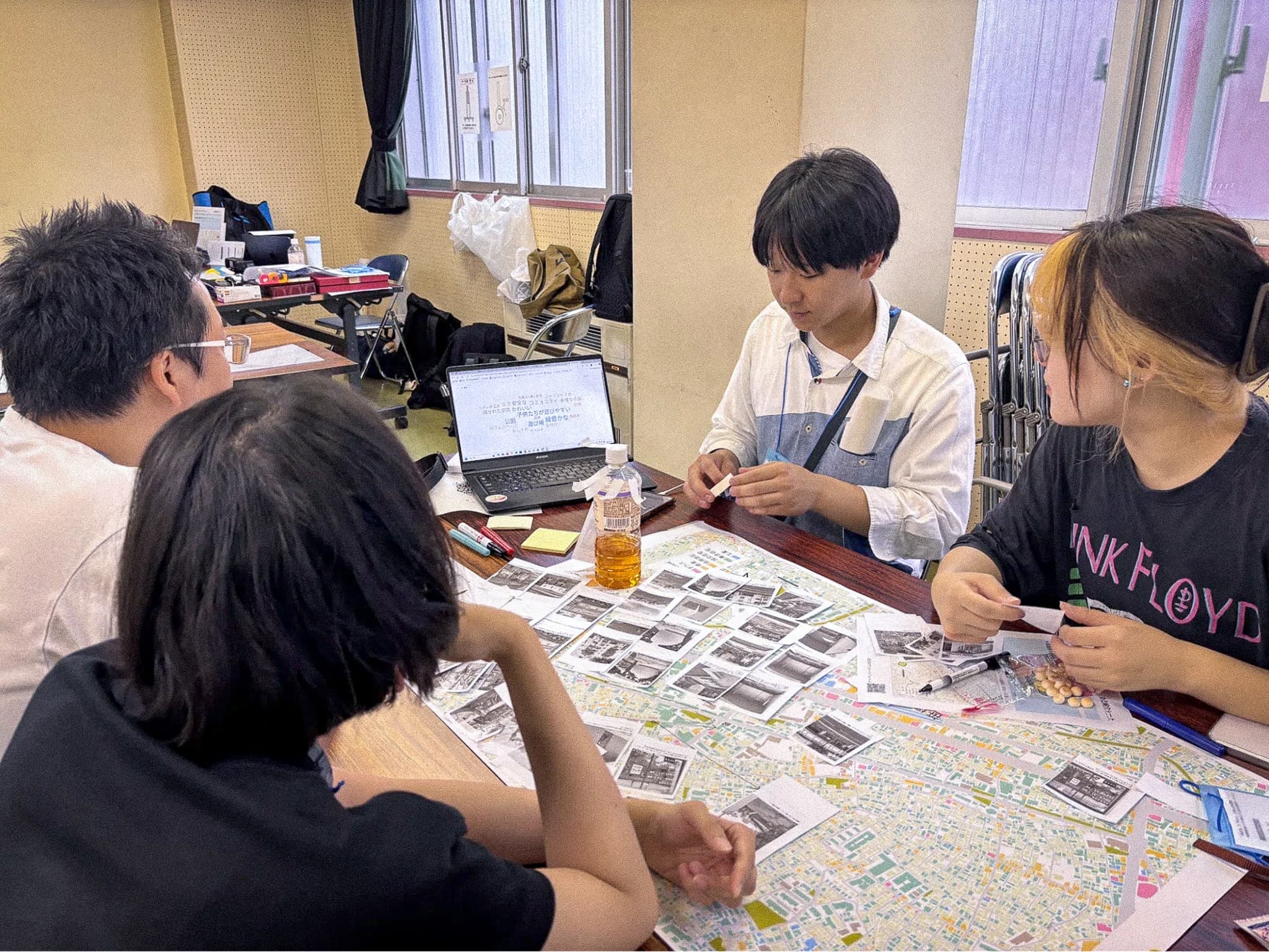
FIG.5
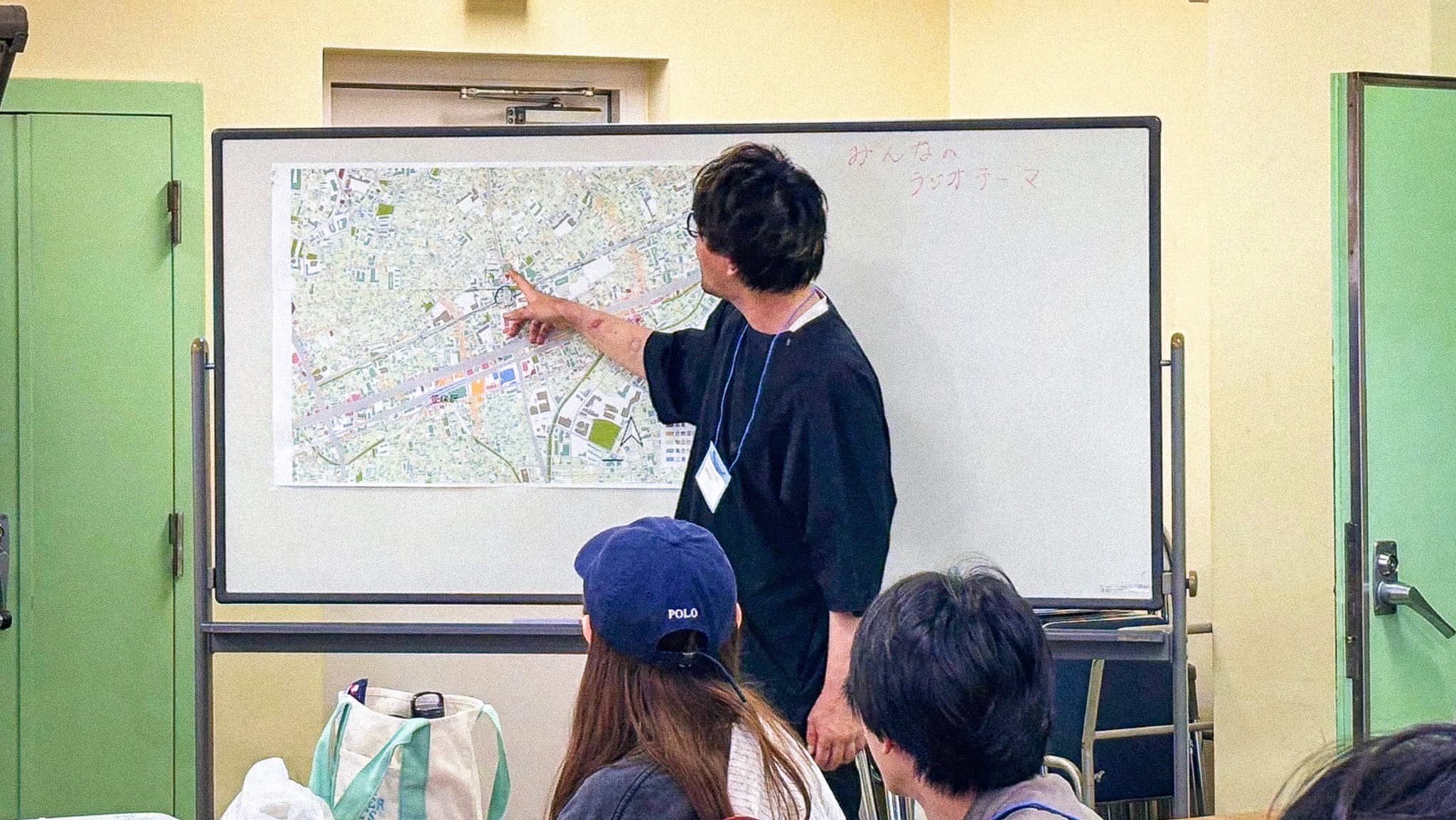
FIG.6
Catalyst and Archive
Collaborator Rintaro Nakajo explains the design intent of the workshop as follows: “Rather than generative AI providing the answers, it is used as a catalyst to draw out human creativity.” The workshop was an attempt to explore the nature of interfaces that draw out human creativity regarding the city.
This workshop was also utilized in the “U35 Practical Ideas Competition for the ANKYO Shopping District,” organized by Maki Competition. To help competition participants unfamiliar with the area, local residents were asked to use the “Camera of Memories” to create a beta version of the 3D web archive “ANKYO ST. ARCHIVE.”It is an interface where photographs and narrative logs appear superimposed on the street’s topography. This effort to reveal the intersubjectivity of the city through technology has only just begun.
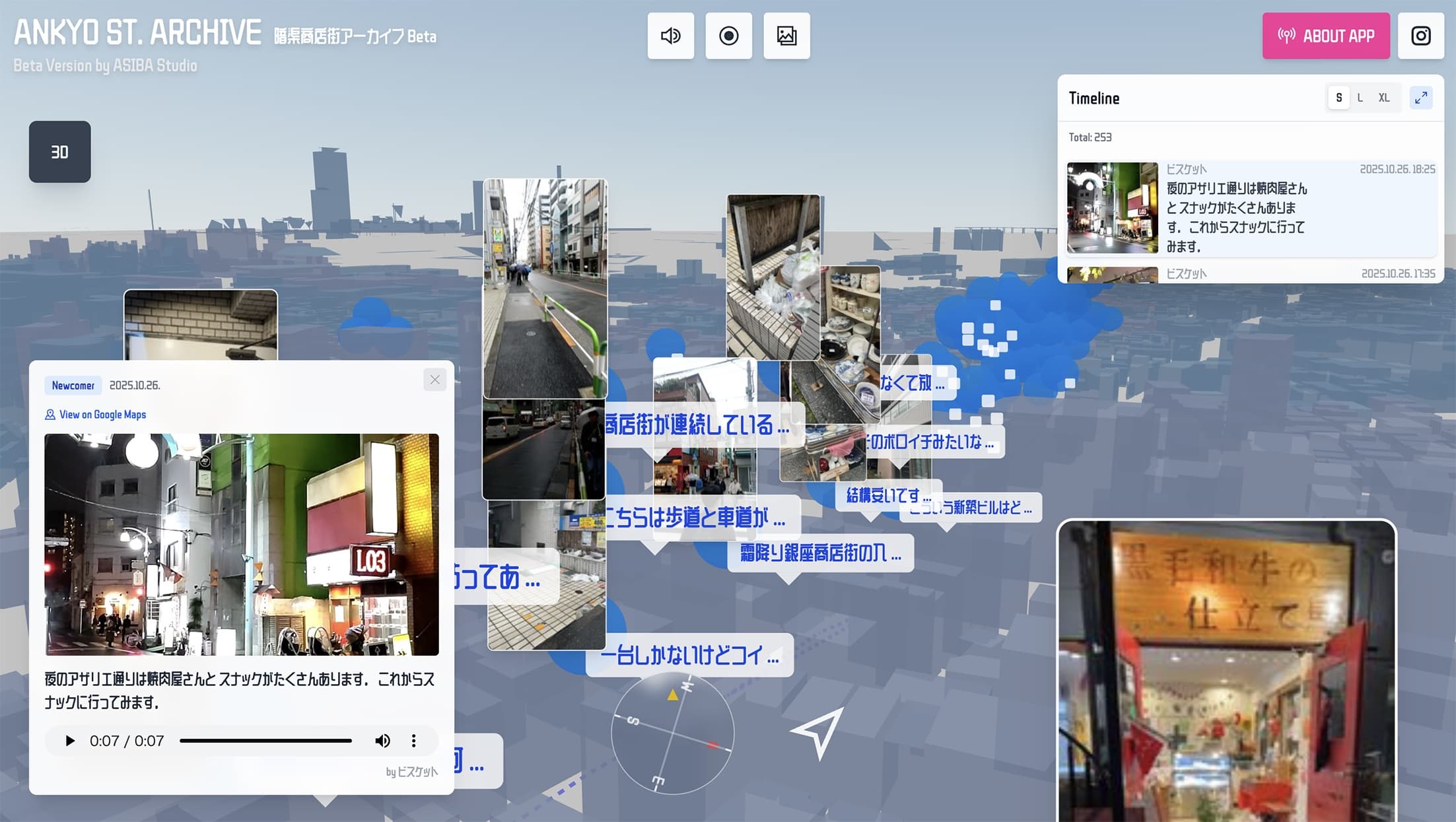
FIG.7
RELATED TEXTS
CREDIT
inhouse
collaborator
external