INC-2nd Class Report #5-2

FIG.1
ASIBA, a general incorporated association, plans and operates short-term, hands-on incubation programs and one-day workshops for students in the fields of architecture and urban planning. We are creating an environment where architecture students can take ownership of their projects and bring their own proposals to life, thereby expanding the possibilities of architecture and urban planning.
This article is Part 2 of the mid-program retreat report. Please be sure to read Part 1 first.
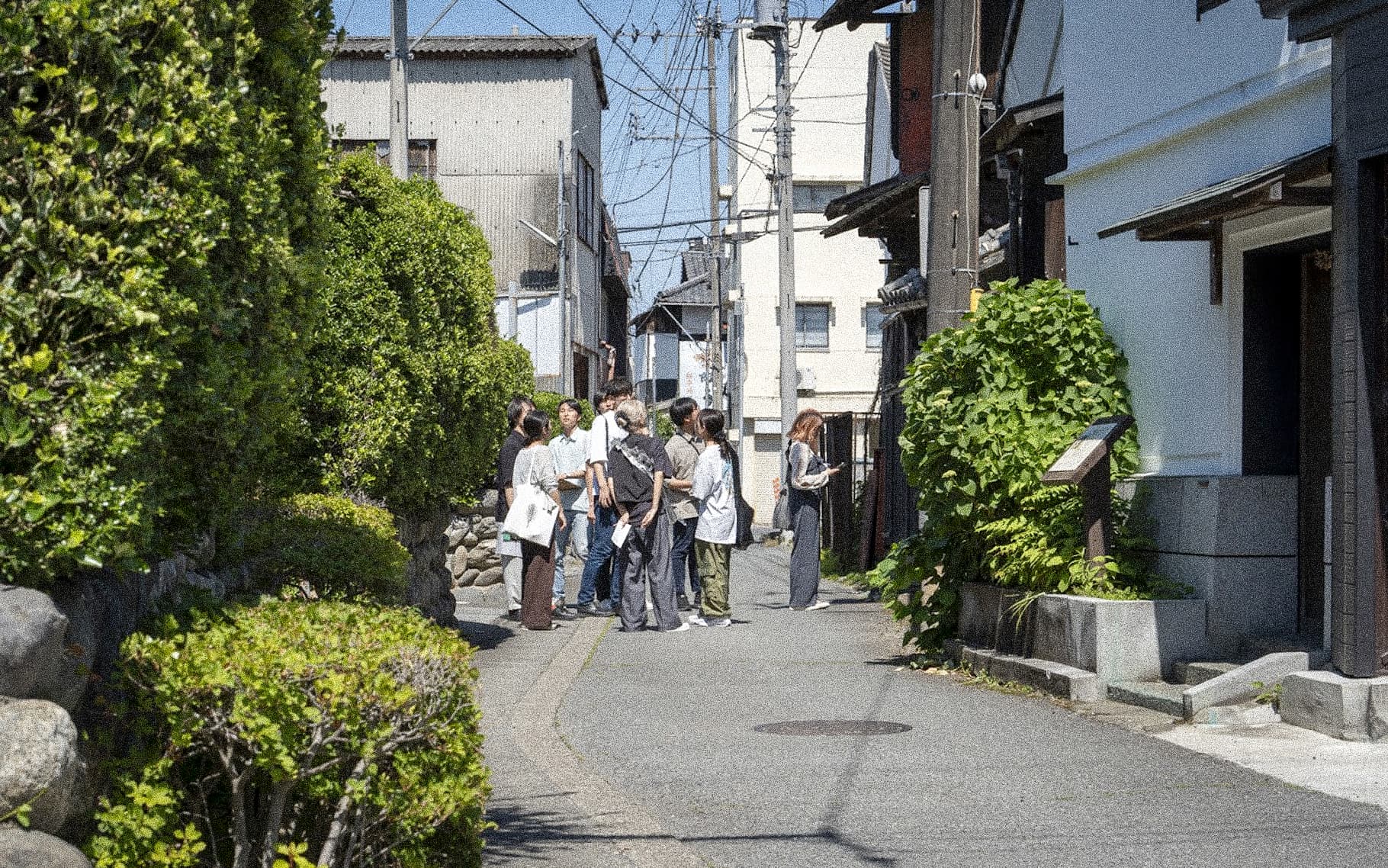
For Week 5 of the program, we held an interim retreat in Ogawa Town with the cooperation of Takenaka Corporation. During this retreat, we spent a significant amount of time working at the “NESTo” coworking space, located in a historic stone warehouse.The soothing scent of wood and the open-beam ceiling and roof soothed our spirits, creating the perfect environment for reflecting on ourselves and connecting with our peers.The “NESTo” stone warehouse coworking lobby opened on May 10 of this year as a members-only coworking space and has become a community hub used by many people, from local residents to remote workers. Ogawa Town, which we reached after a little over an hour by train from Tokyo, was a wonderful town overflowing with the kindness of its people and the beauty of nature. Thank you very much for your cooperation.
Following the workshop presentations on the morning of the second day, the mid-term pitch took place in the afternoon. During the mid-term pitch, participants were asked to convey their philosophy and vision to everyone within a limited time of three minutes.Specifically, participants pitched on why they are undertaking this initiative, what kind of love is present within it, what problems they are currently facing, what they aim to achieve in the future, how they plan to tackle these challenges, as well as their team composition, schedule, activity location, and methods of operation.
In addition to our own pitches, we incorporated another important aspect into these interim pitches: evaluating and critiquing others’ presentations. The evaluation criteria were as follows:
Strength of Passion: Were you moved by the presentation? Did you sense the presenter’s passion? Did you resonate with their vision?
Level of Detail: Was the passion backed by evidence? Were interviews, case studies, or prototypes conducted to make the proposal persuasive?
Sense of Ownership: Did you sense a determination to achieve the vision no matter what? Is there more that could be done?
Offering feedback to others requires a high level of critical thinking regarding the “project plan” or “pitch.” Critiquing others simultaneously reveals the depth of your own current thinking. Furthermore, listening to others’ pitches leads to self-reflection for the listener as well.Furthermore, constructive criticism received from peers can serve as an invaluable guide for refining your own project and pitch.
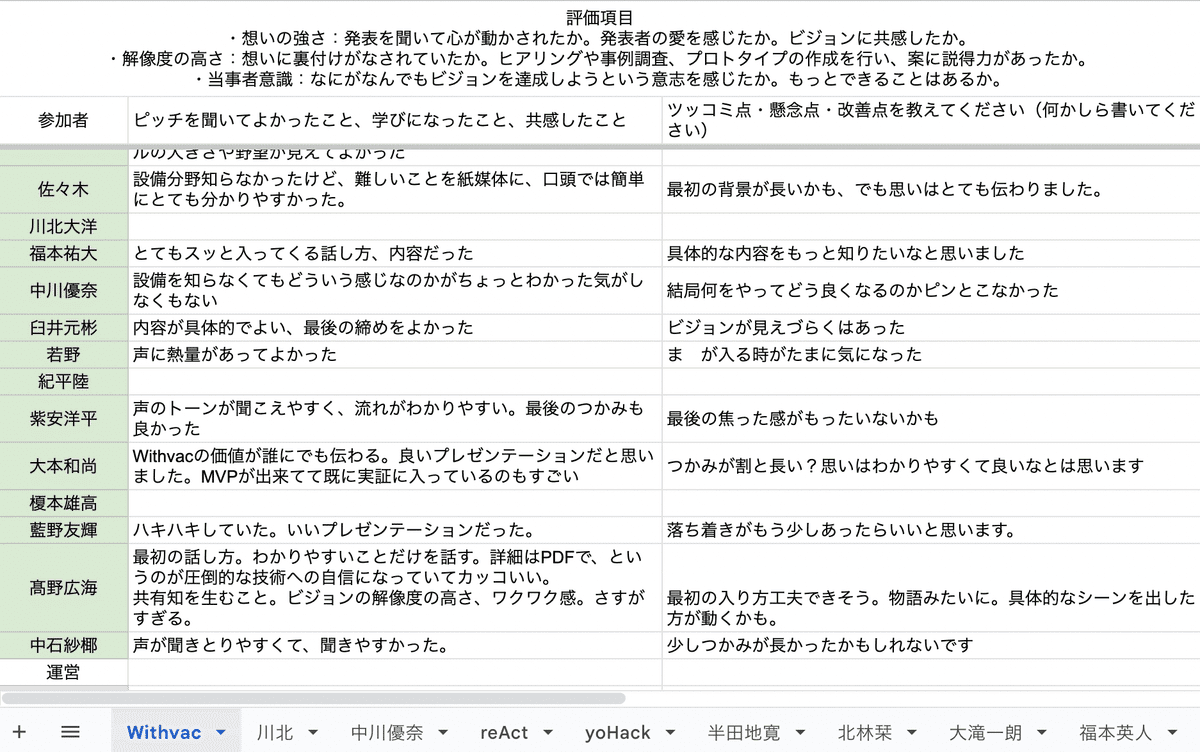
FIG.2
Since the homework was assigned two weeks ago, we’ve seen many groups of mentees gathering to practice. They’ve fostered a wonderful relationship where everyone pushes each other to improve, and everyone has made the best possible preparations for this pitch. Also, on the first night of the retreat, each dorm held a pitch competition and consultation session.We spent the entire night sharing our thoughts and ideas with one another.
When the pitches actually began, the venue was packed. Each participant’s passion resonated deeply with the audience, creating a fantastic atmosphere filled with enthusiasm. Their core philosophies, driving forces, and the “why” behind their projects were all clearly expressed in their pitches.It was a fantastic mid-retreat pitch session that left us eagerly anticipating the final pitches and everyone’s future achievements.
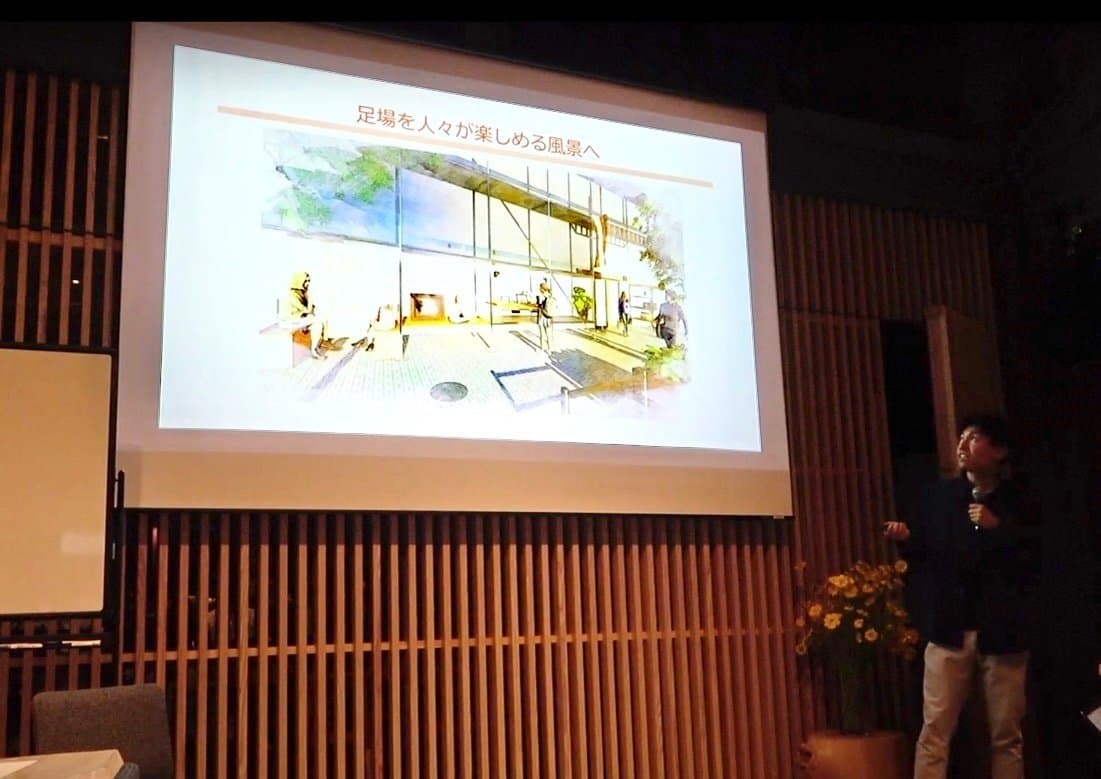
FIG.3
Sharing our thoughts in front of the entire group. At this mid-program retreat—the halfway point of our 12-week incubation program—I feel like we were all able to establish a common starting point together.Building on these pitches, we need to reflect on ourselves while also moving forward to quickly create as many prototypes as possible. Submitting prototypes is next week’s assignment; prototyping and hypothesis testing are our perpetual challenges—and they will become our strengths.
Through this retreat, we’ve taken the first step toward bringing our individual visions to life. We’ll continue to shape our ideas, implement them in society as quickly as possible, receive feedback from society, re-examine our approach, and make further improvements—and we’ll keep doing this. This is what ASIBA is all about. This is how we’ll refine our projects and make them a reality.
In the next step, we will conduct actual hypothesis testing based on our prototypes and gain practical experience. The insights we gain from this real-world fieldwork at this stage will significantly influence the future direction of our projects. ASIBA’s second incubation cycle has now entered its second half, and we pledge to shift into high gear from here on out and keep running toward the realization of the “society we’ve envisioned.”
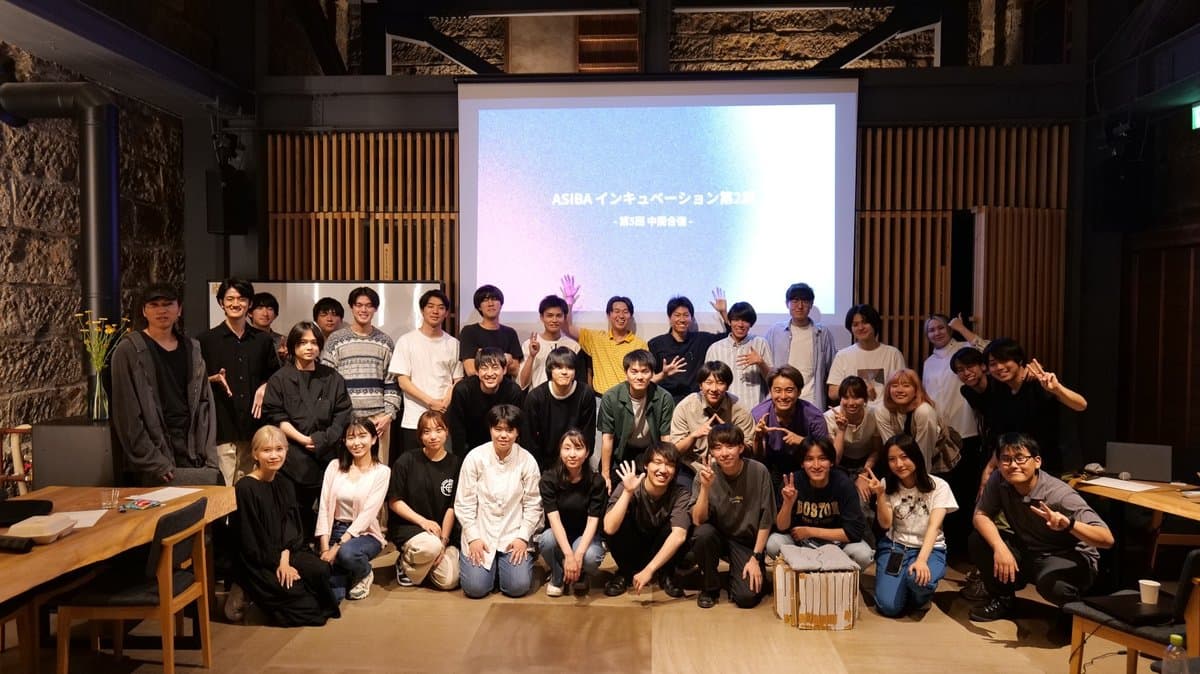
FIG.4
INC-2nd Class Report #2
REPORT
2024.05.02.