INC-2nd Class Report #2

FIG.1
ASIBA, a general incorporated association, plans and operates short-term, hands-on incubation programs and one-day workshops for students in the fields of architecture and urban planning. We are creating an environment where architecture students can take ownership of their projects and bring their own proposals to life, thereby expanding the possibilities of the architecture and urban planning fields.
The second week of the program was held at the goodoffice Shimbashi (Hori Building) with the cooperation of Takenaka Corporation.
At the start of the program, the purpose and vision of the incubation program were shared once again. “To ensure proposals don’t remain mere proposals. To enable participants to take that first step toward implementation.” With this message etched in their minds, the group’s morale soared as they resolved to push through the three-month program together with their peers. To achieve this, it is true that what matters most—more than these biweekly sessions focused on input—are the individual efforts made outside of program hours: rushing around to gather feedback and bringing their ideas to life. We emphasized that we want participants to place the highest priority on taking action themselves, putting their ideas into practice, and repeatedly testing them.
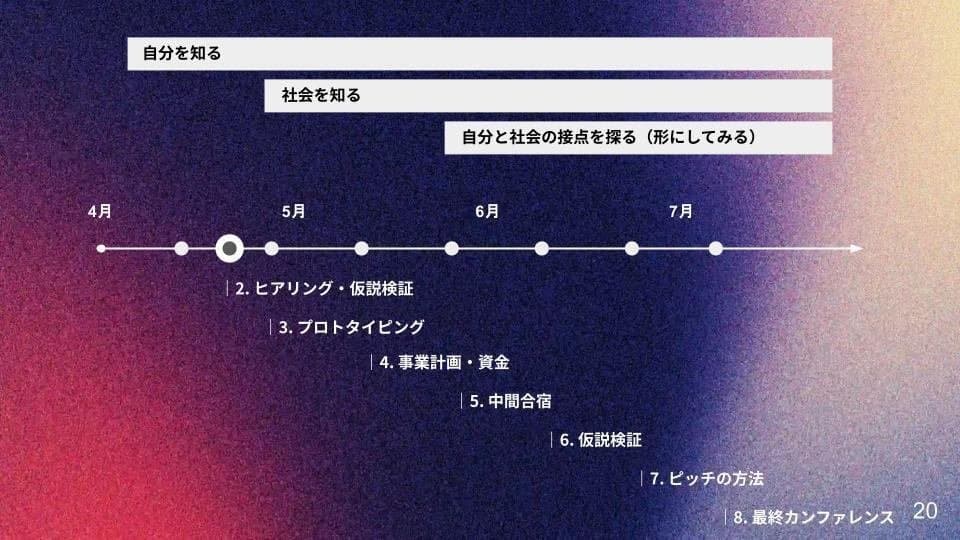
FIG.2
Next, a lecture was given by Mr. Takayuki Aoki, founder of SORABITO, Inc. Mr. Aoki grew up as the eldest son of a construction company owner and, inspired by the Great East Japan Earthquake, decided to start a business in the construction equipment distribution sector. He founded SORABITO, Inc. in 2014 and, with the mission of “Creating Tomorrows Around the World,” is working to solve challenges in the construction industry.
Mr. Aoki spoke on two main topics: the “adventures” he has experienced throughout his life and his strategic approach to business planning. He explained that he has enjoyed trying things on his own since childhood, and that becoming the protagonist of his own story—which he equates with entrepreneurship—has always been his ideal.He emphasized that the key points in entrepreneurship are valuing encounters and increasing the number of like-minded people; thoroughly testing hypotheses through trial and error; and maintaining the resolve to see things through to the very end. True to his words, Mr. Aoki has run a company that travels across the country visiting rental companies and construction sites to identify challenges and continuously solve the problems faced by the customers right in front of him. Mr. Aoki’s passion, his attitude, and above all, his wonderful personality—which never makes enemies—must have been a great source of inspiration for the participants in this program.
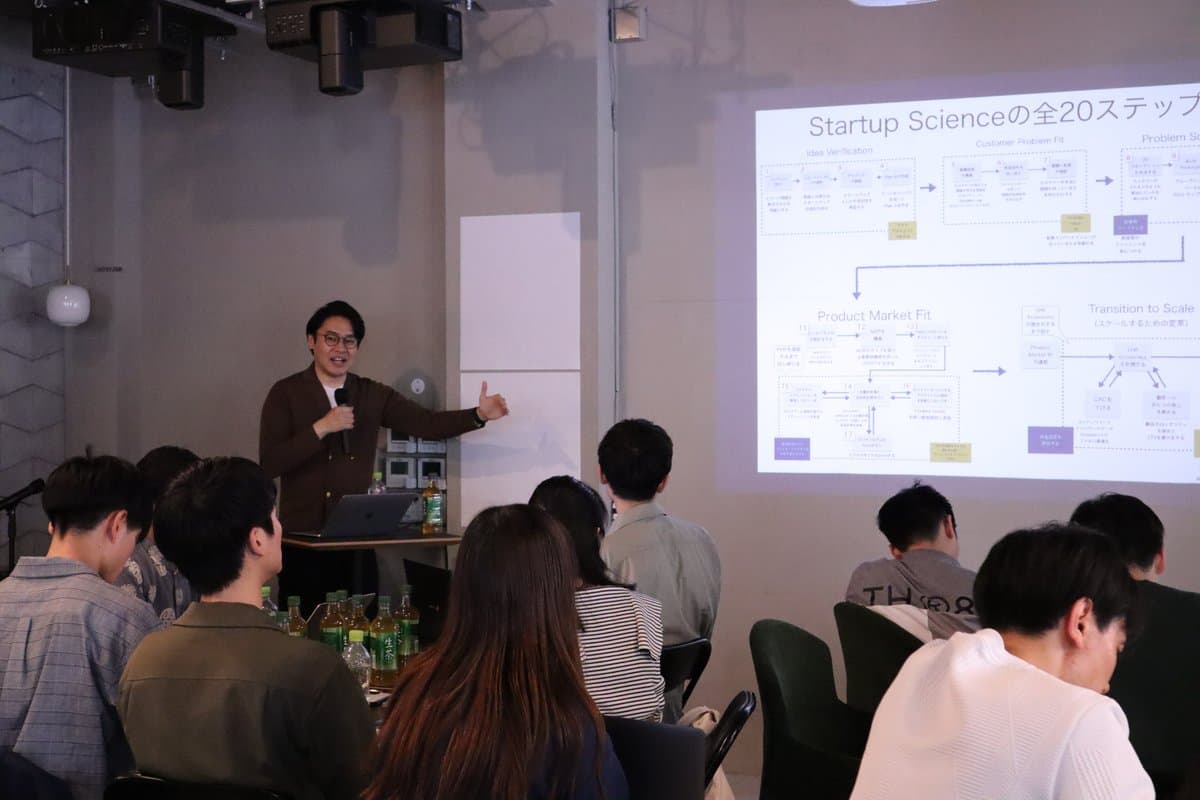
FIG.3
To share progress on assignments up to last week, time was set aside for each group to discuss two topics: “Scheduling interviews” and “Thinking about the first step.”During the challenge-sharing session, each participant shared the progress of their detailed background research—based on the 5W1H framework—and their interviews with users and experts regarding their respective themes. Moving forward, participants will be required to conduct further interviews and analysis, design methods for hypothesis testing, and create small prototypes.
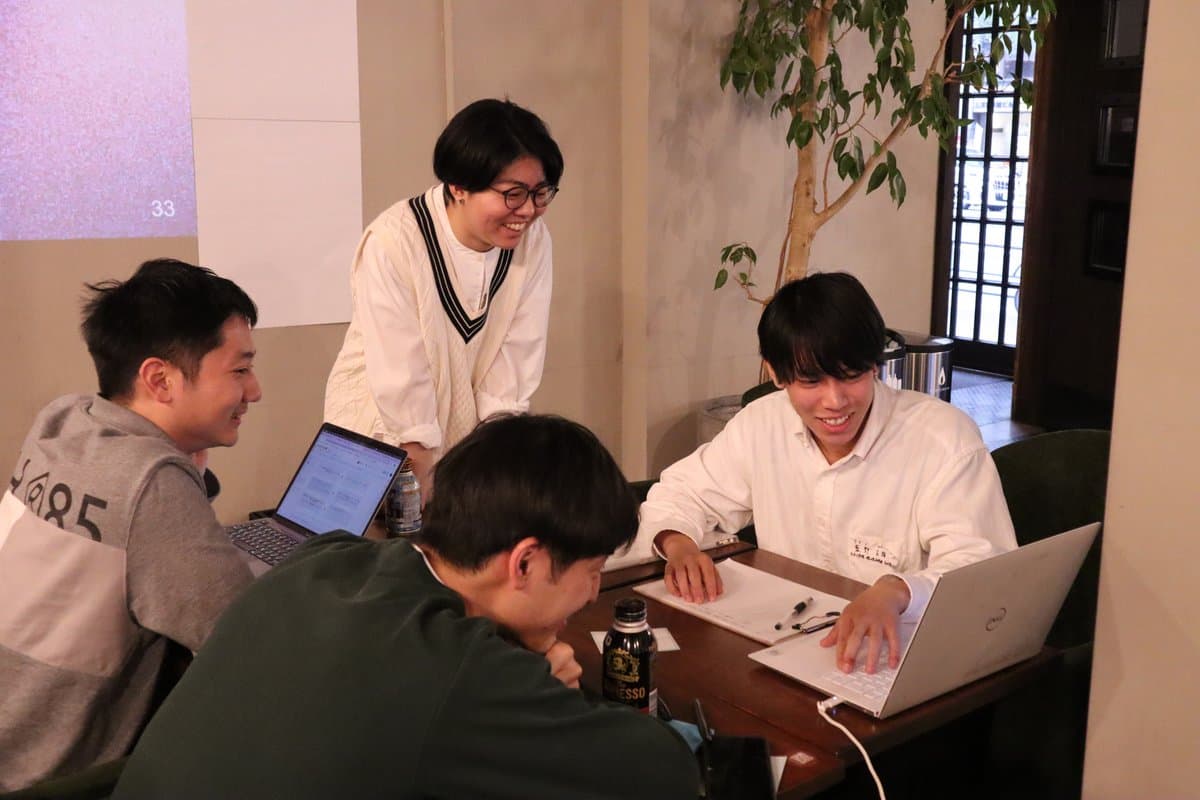
FIG.4
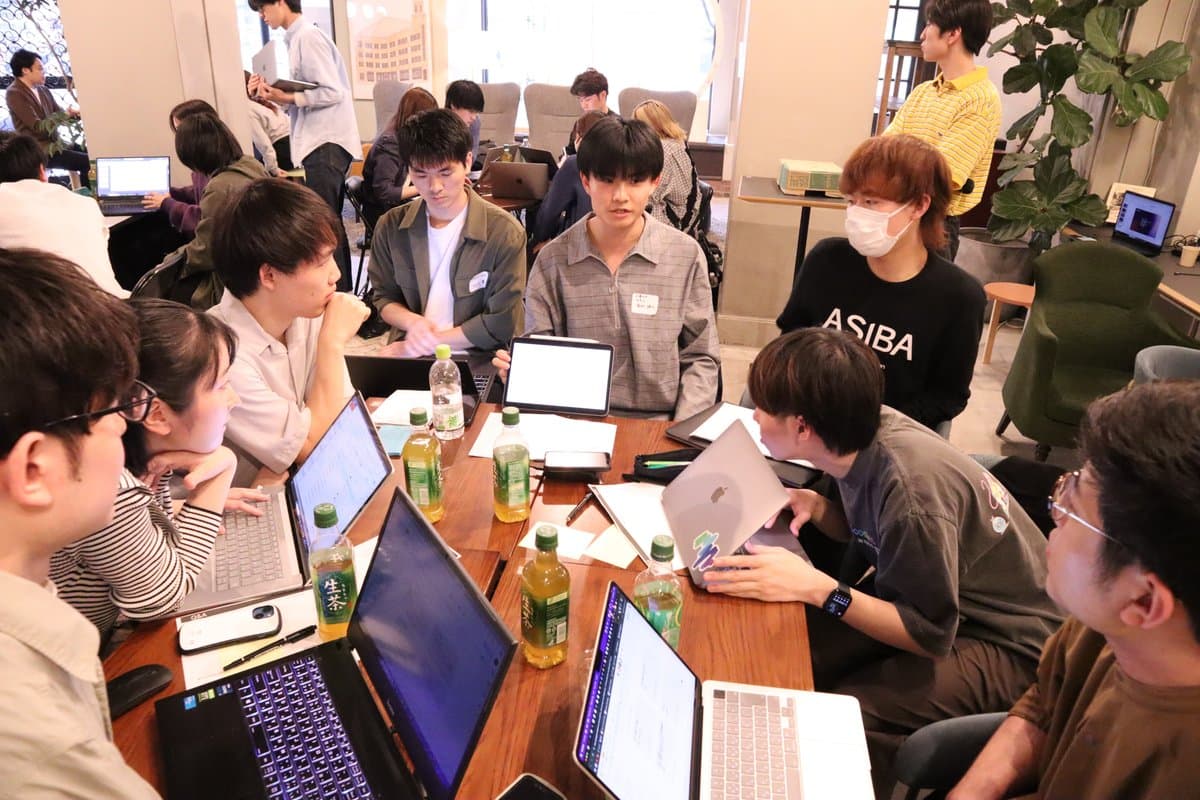
FIG.5
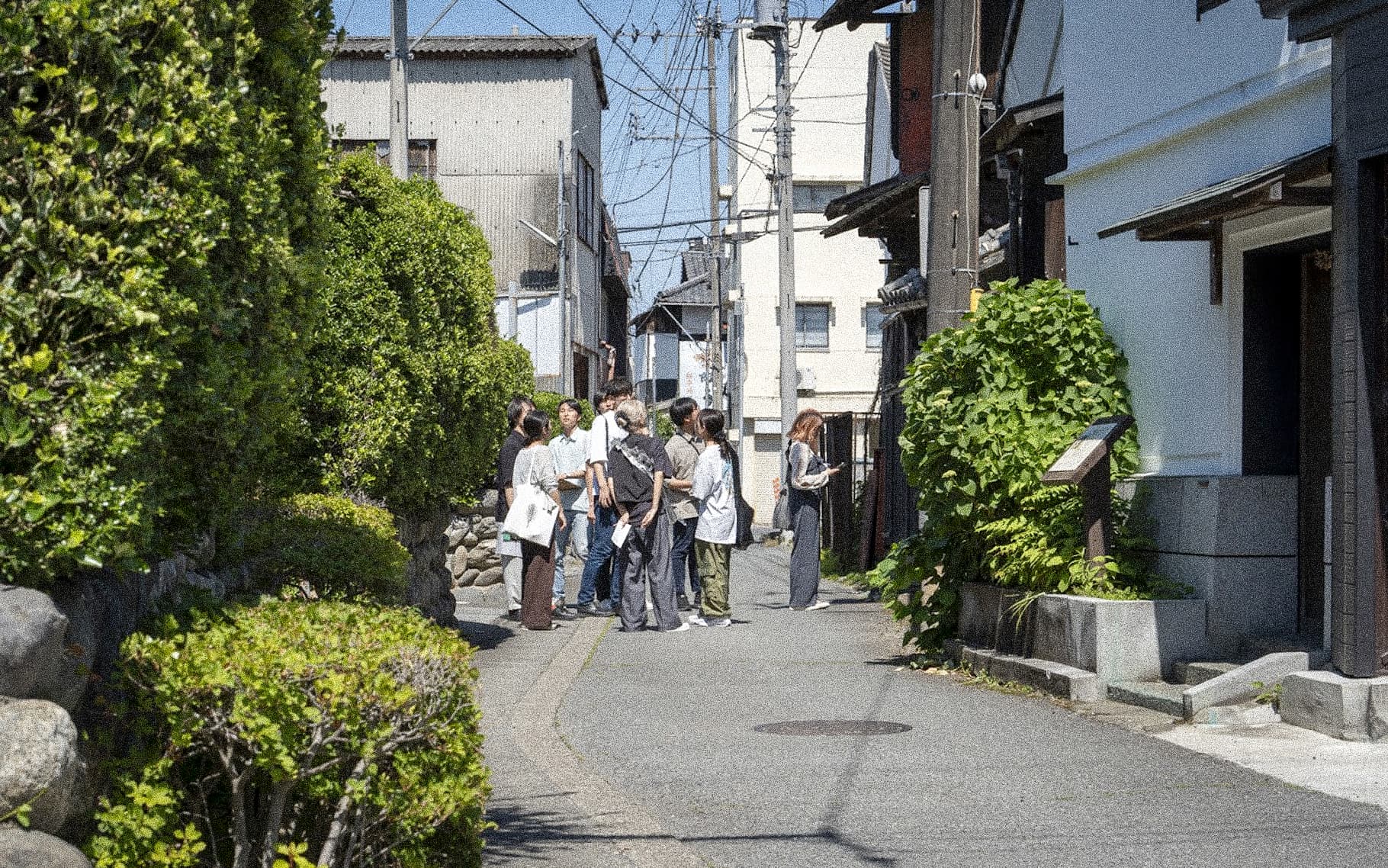
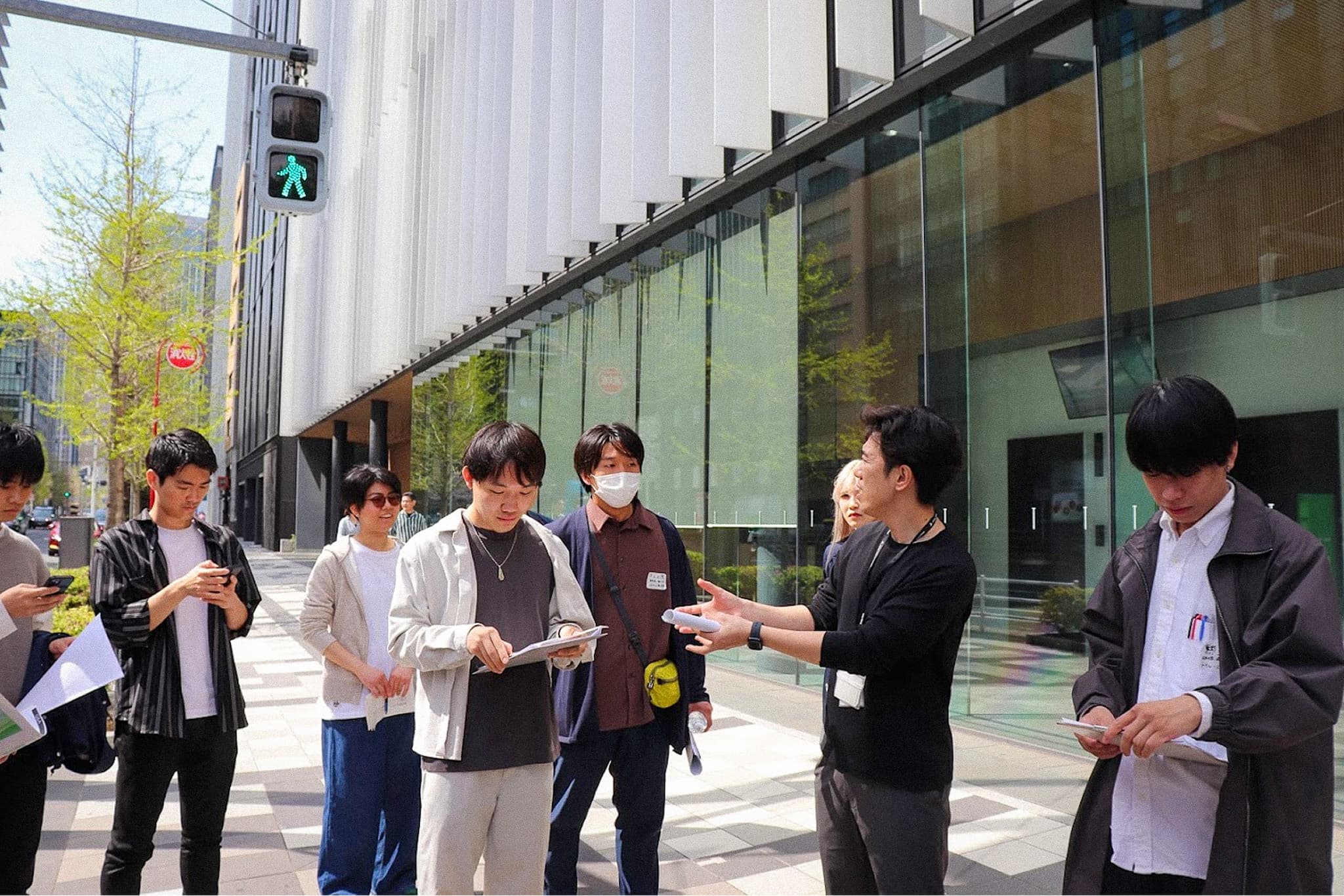
After the program concluded, courtesy of Takenaka Corporation, we were given a guided tour of the interior of the Hori Building, which served as the venue for this event.The Hori Building, a renowned architectural landmark built 90 years ago, is part of Takenaka Corporation’s legacy utilization initiative—a project that adapts the building to modern uses while preserving its historical value. I was deeply impressed by how the project successfully balances the building’s aesthetic qualities as a cultural asset with the resolution of structural and facilities-related challenges.Furthermore, the rooftop of the Hori Building featured a lush, green, and incredibly comfortable space—one you would never expect to find right in the heart of Tokyo.
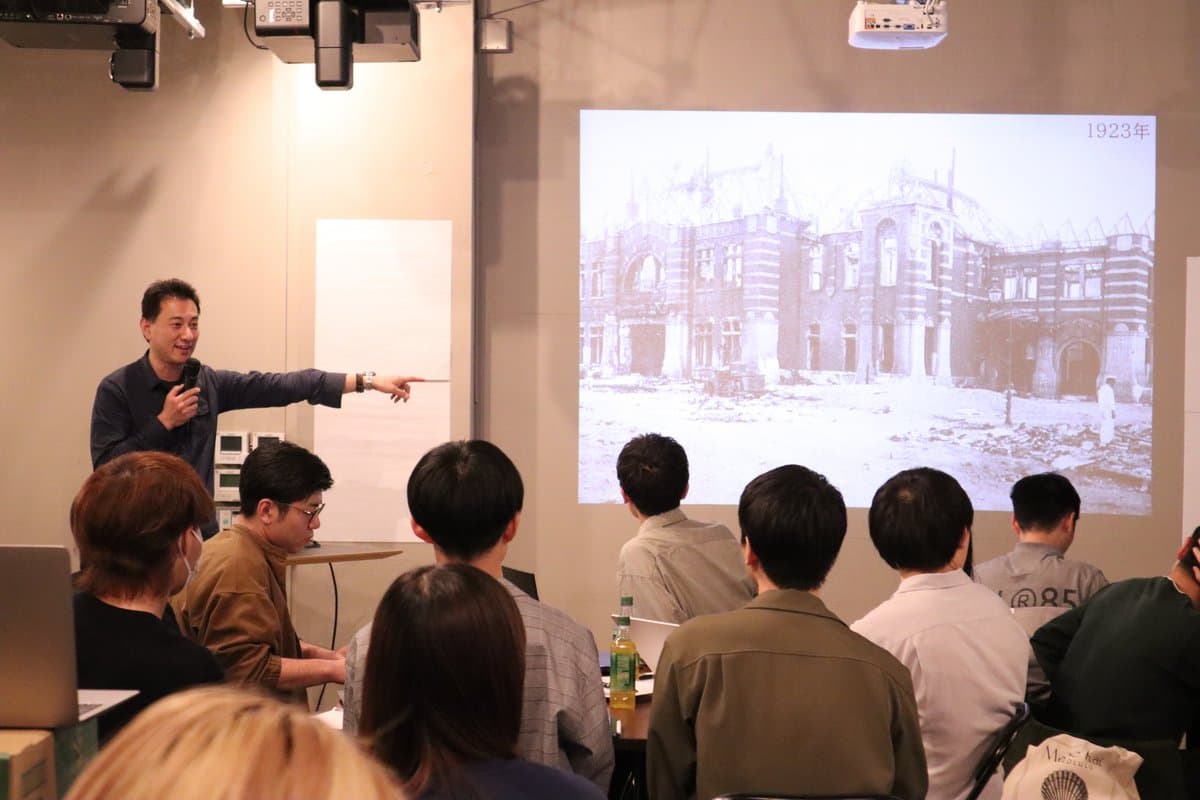
FIG.6
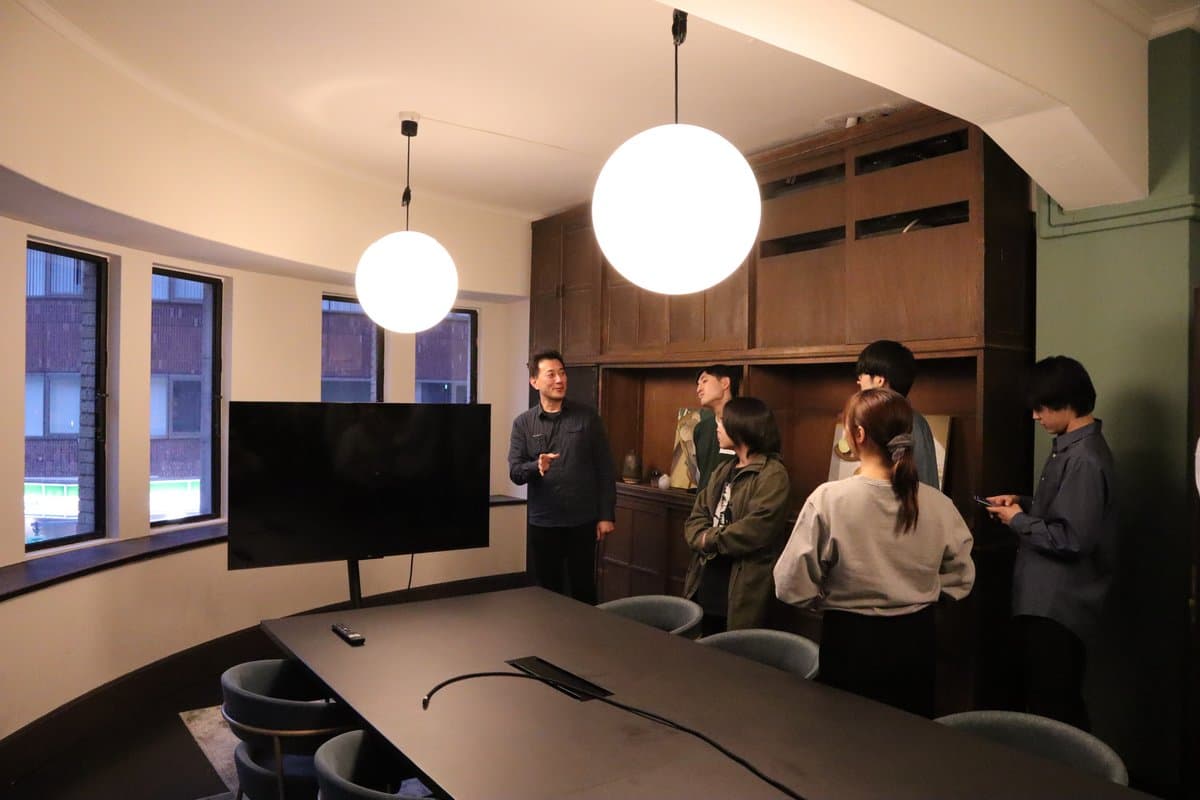
FIG.7
Credit
Related Works
2024.04.20.