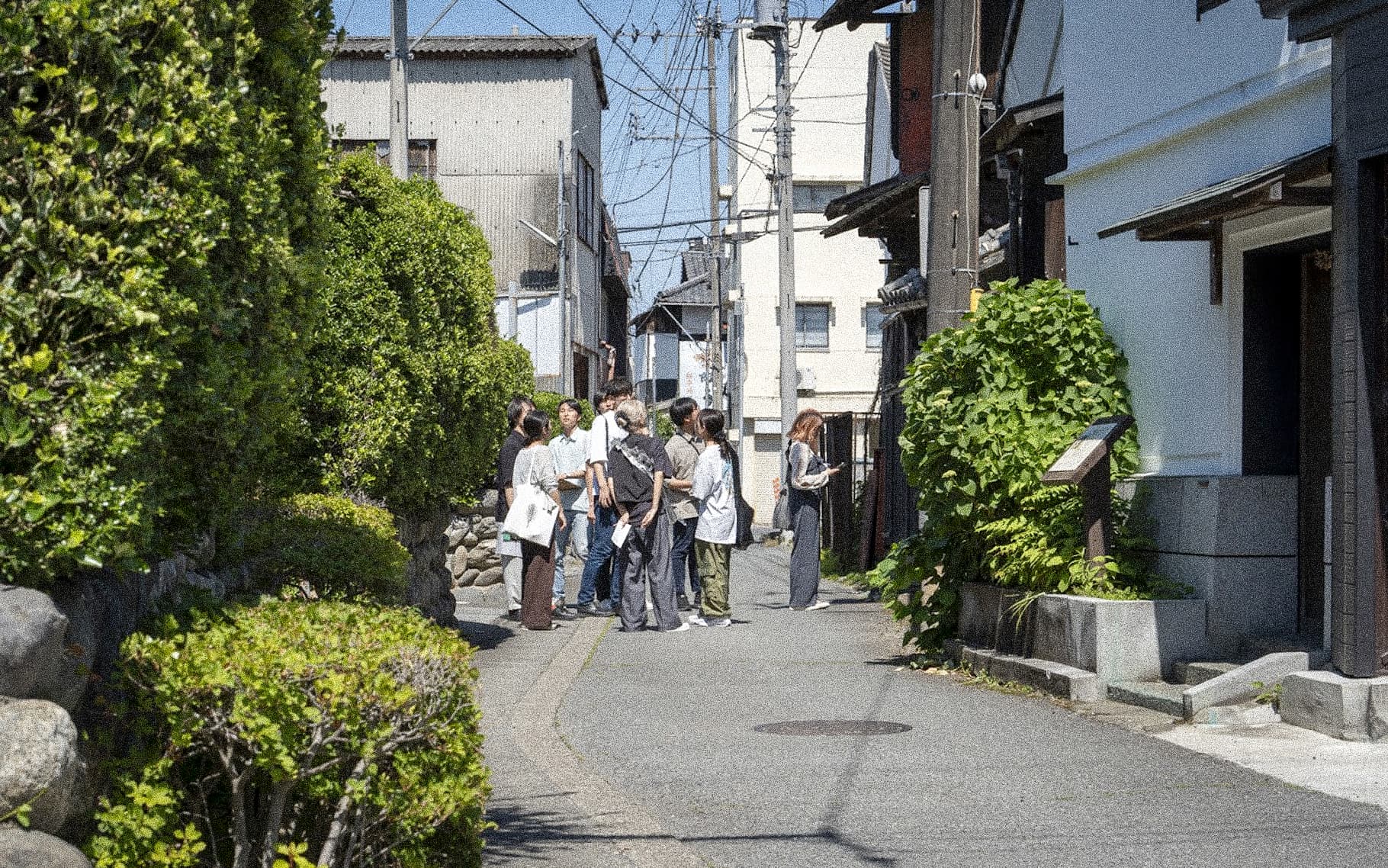
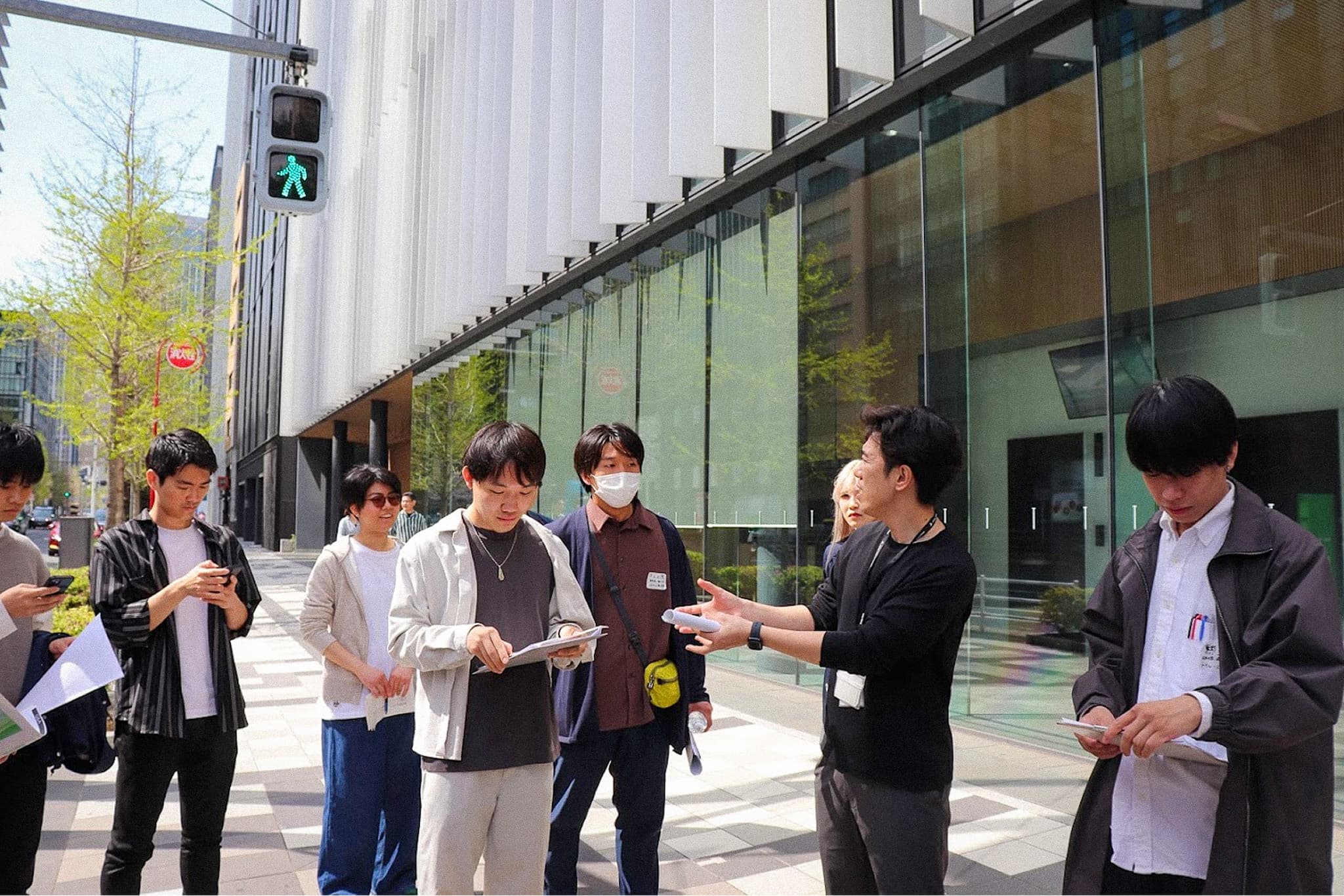
INC-2nd Class Report #4

FIG.1
The ASIBA General Incorporated Association plans and operates short-term, hands-on incubation programs and one-day workshops for students in the fields of architecture and urban planning. We aim to create an environment where architecture students can take ownership of their projects and bring their own proposals to life, thereby expanding the possibilities of architecture and urban planning.
The program for Week 4 was held at TOKYO NODE LAB with the cooperation of Mr. Motoya of TOKYO NODE LAB.Thank you very much for your cooperation! TOKYO NODE LAB is a cutting-edge research and development hub located in Tokyo. At the forefront of technology and innovation, experts from various fields gather here to initiate and advance a wide range of projects, including AI, cybersecurity, and integrated smart city solutions.
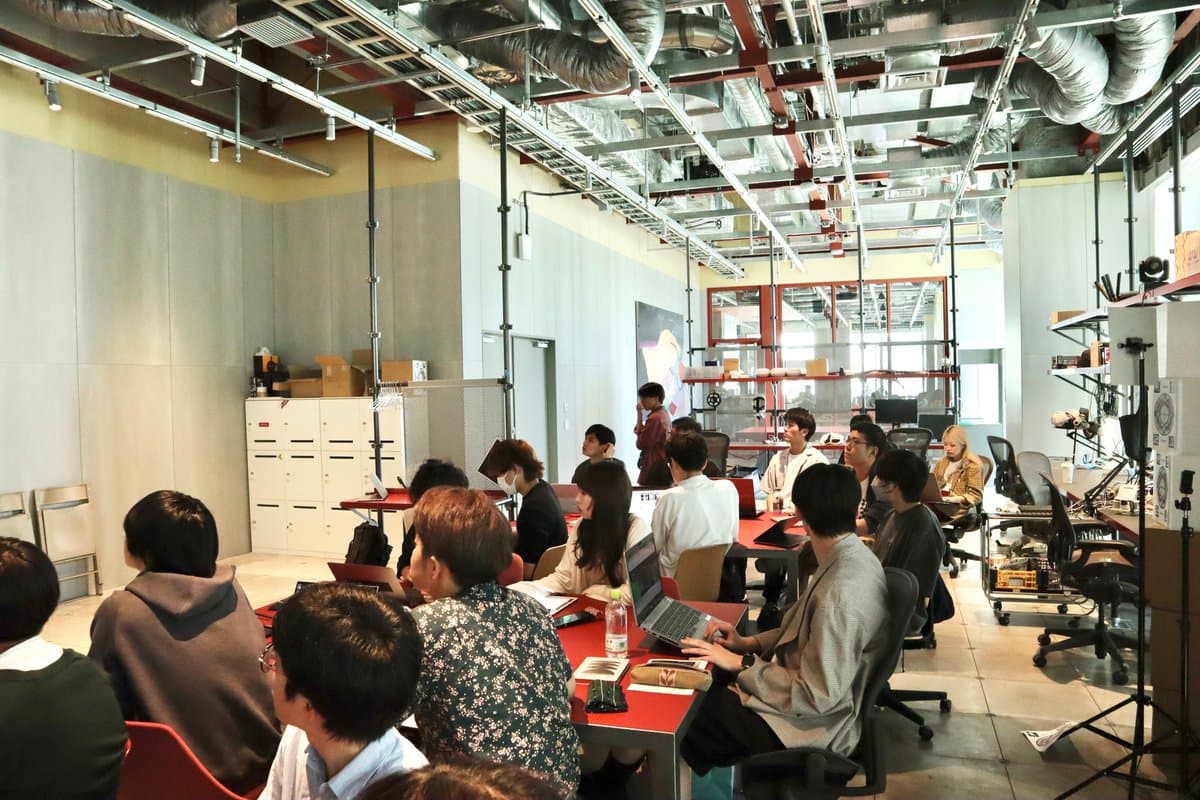
FIG.2
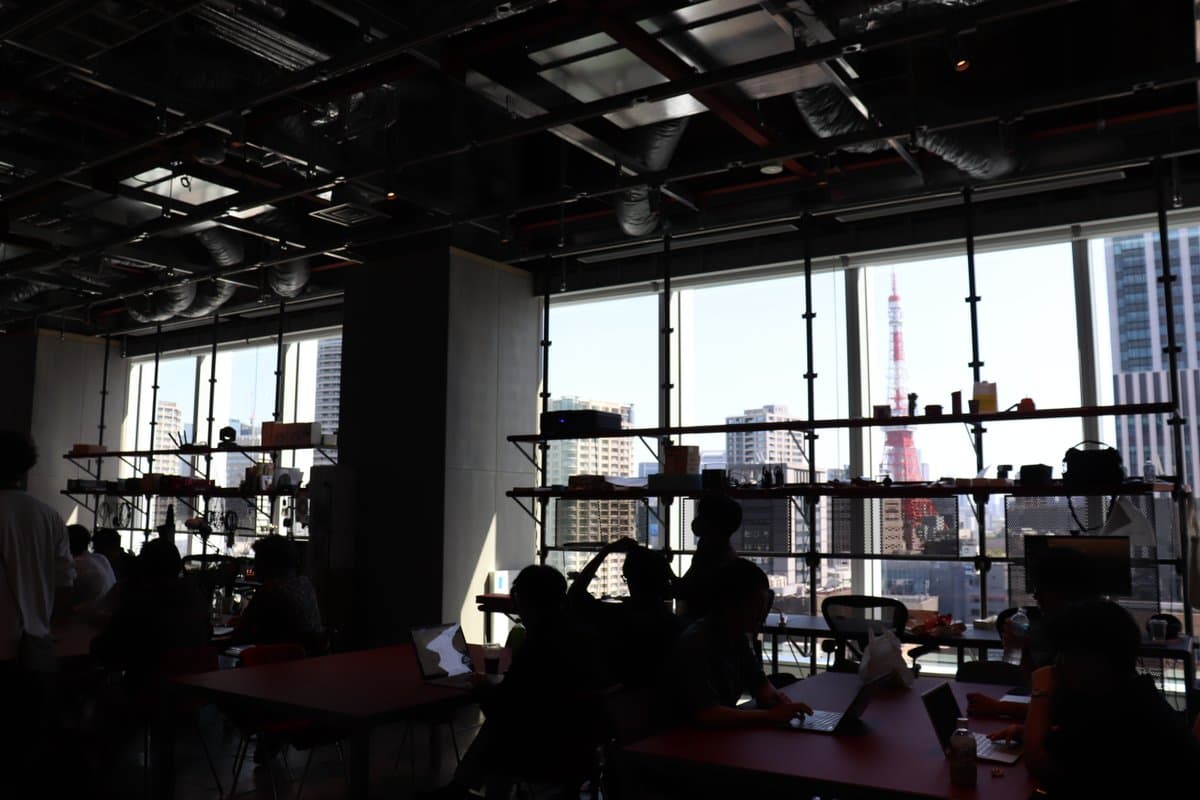
FIG.3
This week, a lecture and workshop were held by Taro Kagami, CEO of SEN Co., Ltd. and an active architect. After studying architecture in college, Mr. Kagami gained experience working at a major advertising agency and studying abroad at a university overseas, through which he developed a completely new and unique methodology for monetizing design as a profession.With a broad perspective and exceptional intellect, he delves into the “business viability and profitability” of design—aspects that have long been overlooked in the fields of architecture and urban planning. Mr. Kakamori’s insights are detailed in his books, such as *Beyond Design Thinking* and *How to Create Identity*, so we highly recommend checking them out.
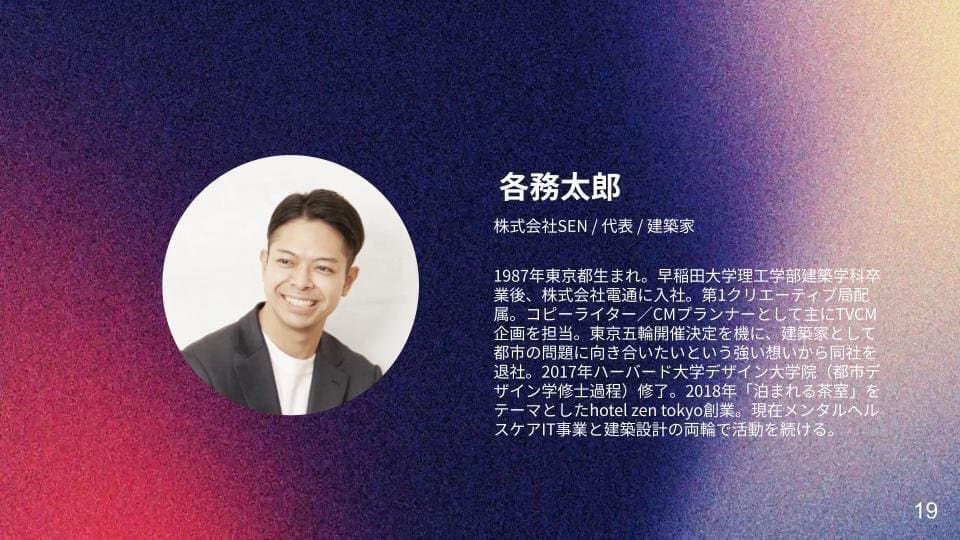
FIG.4
Drawing on his own experiences from his days as an architecture student to the present, Mr. Kagami developed his own theories and redefined “what architecture and design are” and “what an architect is” from the perspectives of business and finance. It was a lecture that truly served as a “textbook for architecture and urban education”—essential for the era ahead.
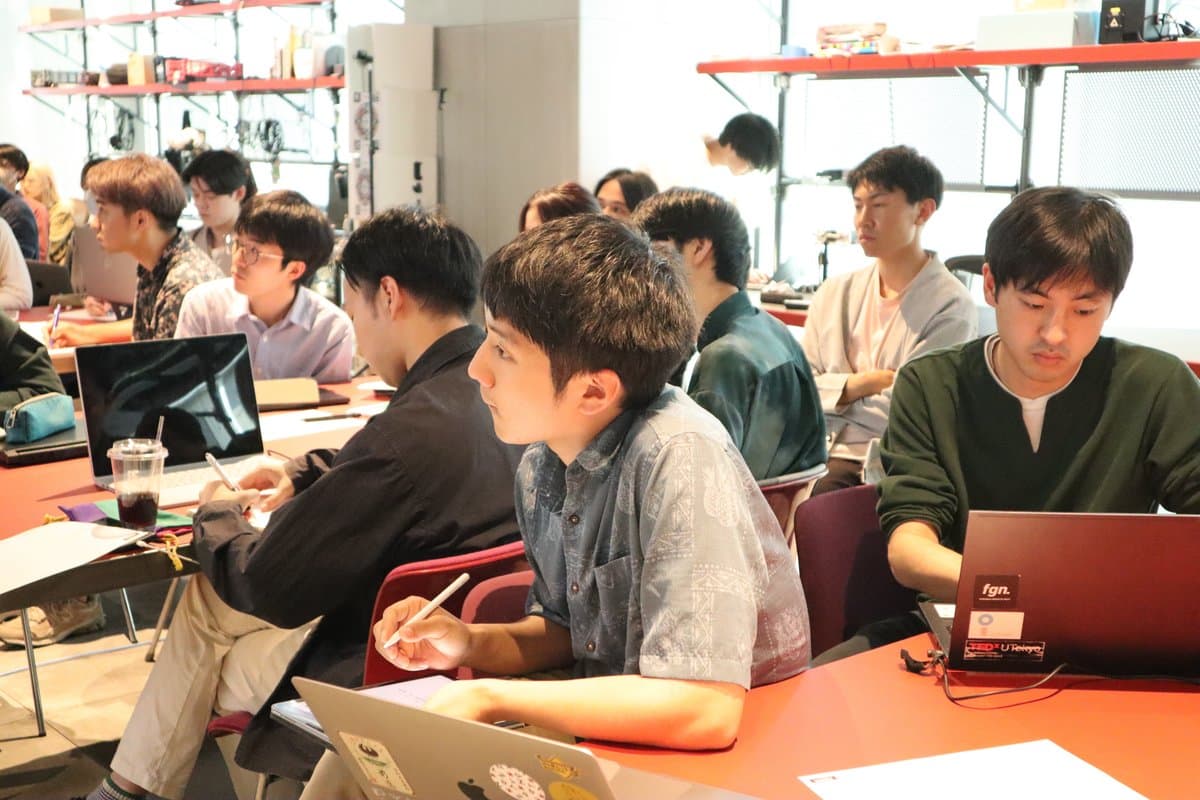
FIG.5
1. Design Is Problem Solving: Design is problem solving, and it requires finding an “answer” to a “question.” However, to refine that “answer,” we must first improve the quality of the “question.”Traditional architects have confined themselves to client-driven work—where they “receive a budget and deadline from the client and deliver a design”—which has ultimately narrowed the scope of their work. In “Business First” design, the “question” must be generated by the architect themselves; in other words, architecture is a “self-produced, self-directed business” where one creates the question and solves it oneself.
2. Barriers to Entry for Ideas: “Value is synonymous with scarcity.” “Create three fields where you are one in 100, and you’ll become one in a million.” “Don’t ask what the future will be like; instead, work backward from how you want the future to be.”“View things from other fields through the lens of your own.” Drawing on his experience at Harvard, where people from diverse disciplines come together, he spoke about how highly rare ideas are born. If you look at the things that flood the streets through the lens of your own field of expertise, you might discover questions that only you can see.
3. Form Follows Function: “Architecture is a profession of words.” The true merit of architectural design depends not only on purely aesthetic considerations but also on whether it can convey one’s vision to society and succeed as a viable business venture.As evidenced by MVRDV’s Markt-Ham project in Rotterdam, the Netherlands—which swept design awards worldwide by brilliantly integrating a market and residential spaces—what is truly valued in design is “vision” and “business sustainability,” not merely shape or color.Of course, this cannot be achieved without the “questions” and “ideas” mentioned earlier.
4. Ideas that don’t take risks lack creativity. Instead of “coming up with interesting things on a tight budget,” proceed with the mindset of “I’ll raise the money myself to do what I want to do.” “People value not just ideas, but those who take risks.” “Startups, for example, may gain more enemies at first by taking on risk, but the number of people who empathize with or appreciate them grows, and as a result, that risk eventually disappears.” These remarks seem to be a poignant critique of today’s creators, who, as a result of an excessive fear of risk, are unable to produce creative designs.
5. How to Raise Funds: Using five examples—incorporation, small-scale securitization, the advertising agency model, diversifying into non-design businesses, and crowdfunding—he explained how to realize architectural projects without relying on design fees from clients.
6. The Younger, the Better: “Money, connections, and experience all grow through compound interest, so your actions today will significantly shape your future.” These words gave us, as “students” of architecture and urban planning, hope and energy. Let’s do our best!!
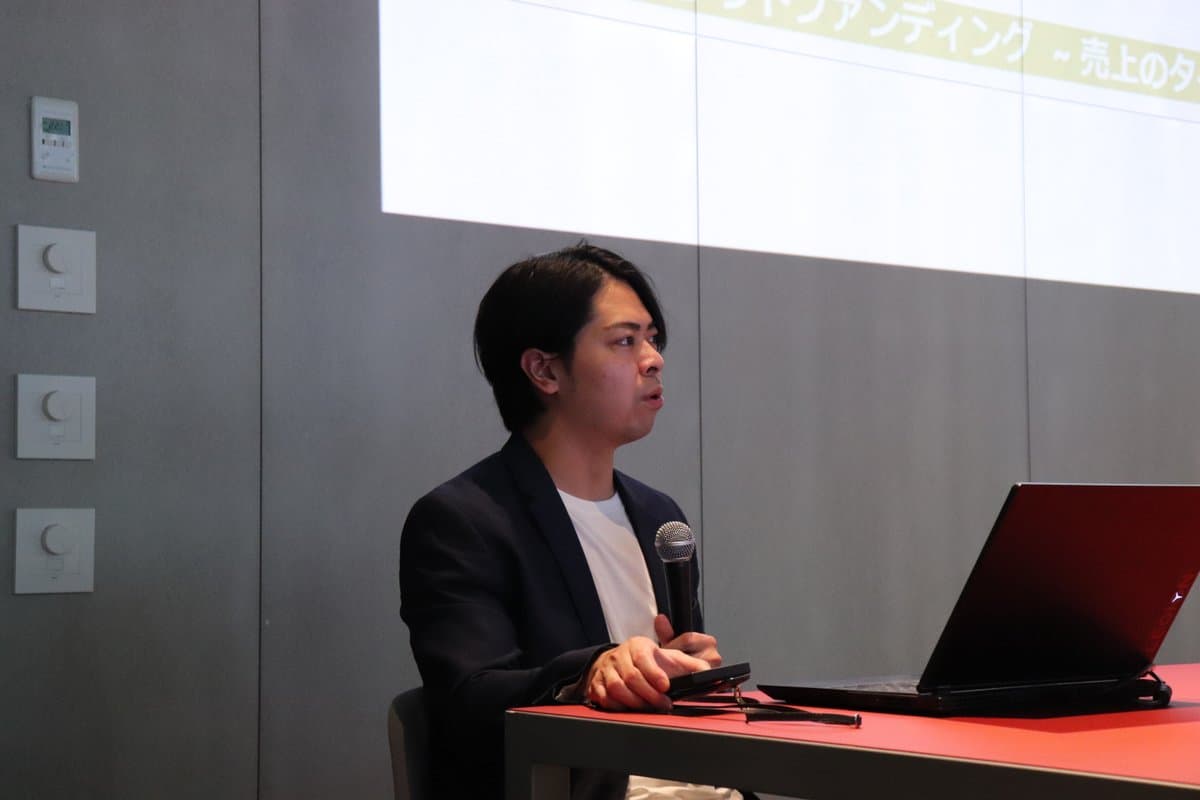
FIG.6
Based on the lecture, Mr. Kagami assigned us a “museum design project.” However, the main focus was on “financial planning and business planning.” Working together in groups, it was a valuable opportunity to approach architectural design with a different thought process than we’d used before.
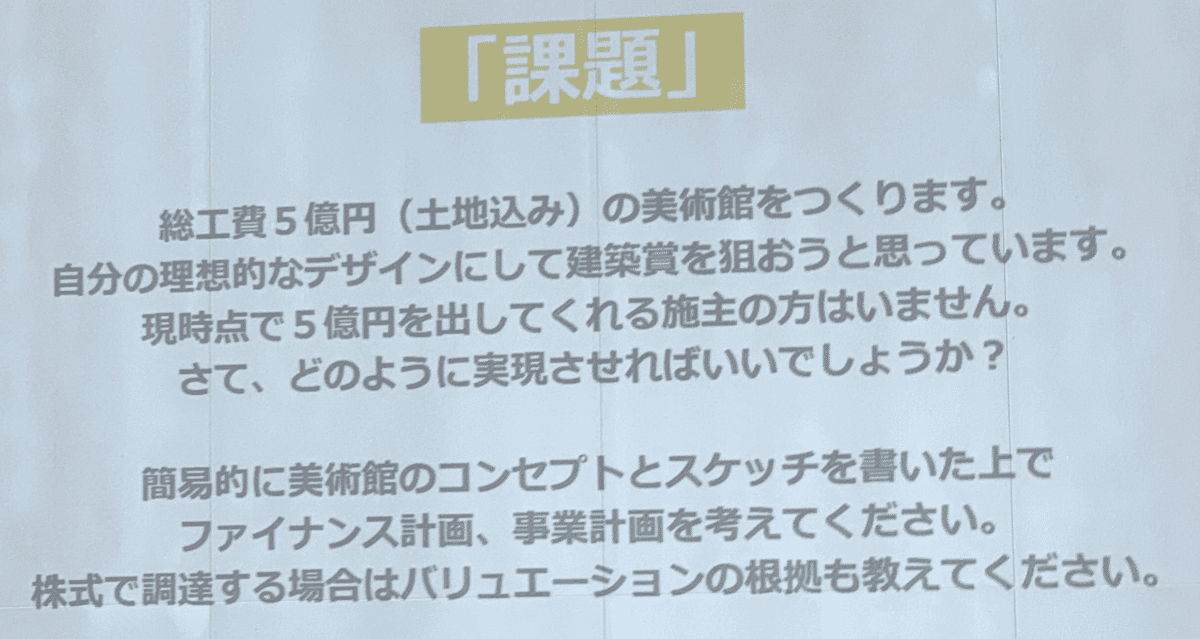
FIG.7
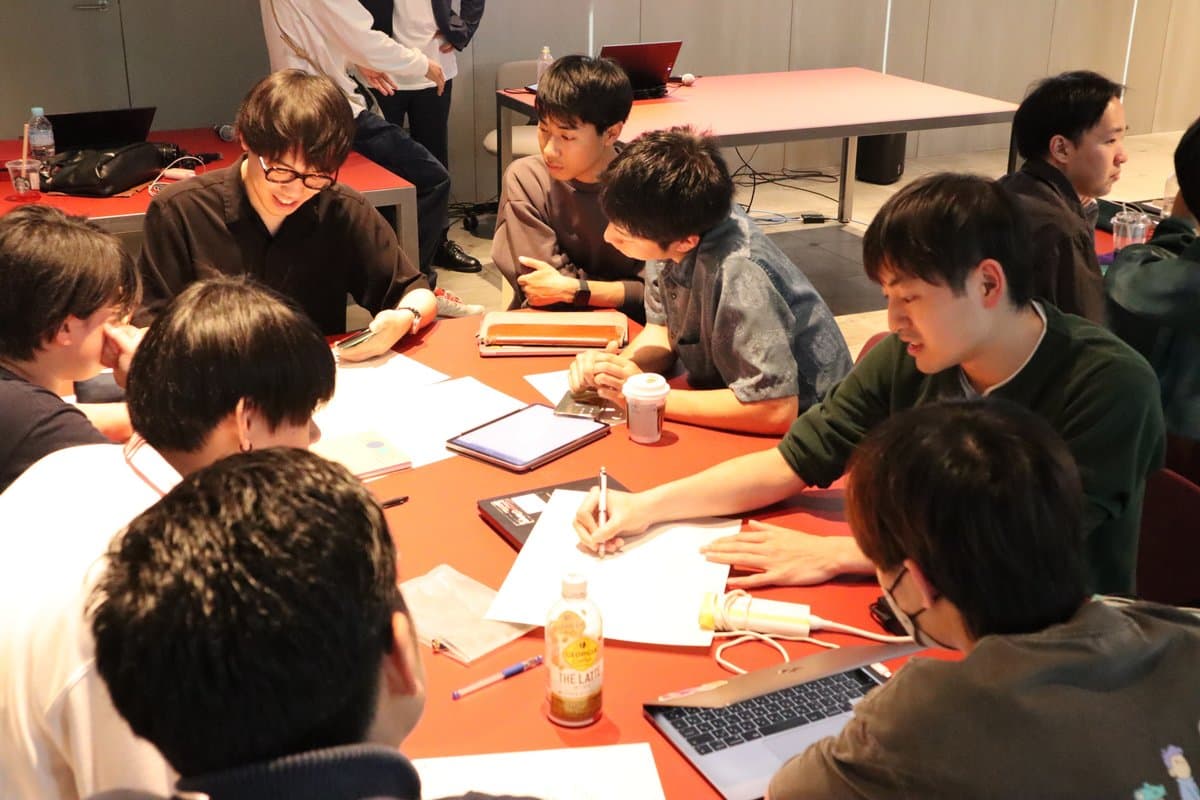
FIG.8
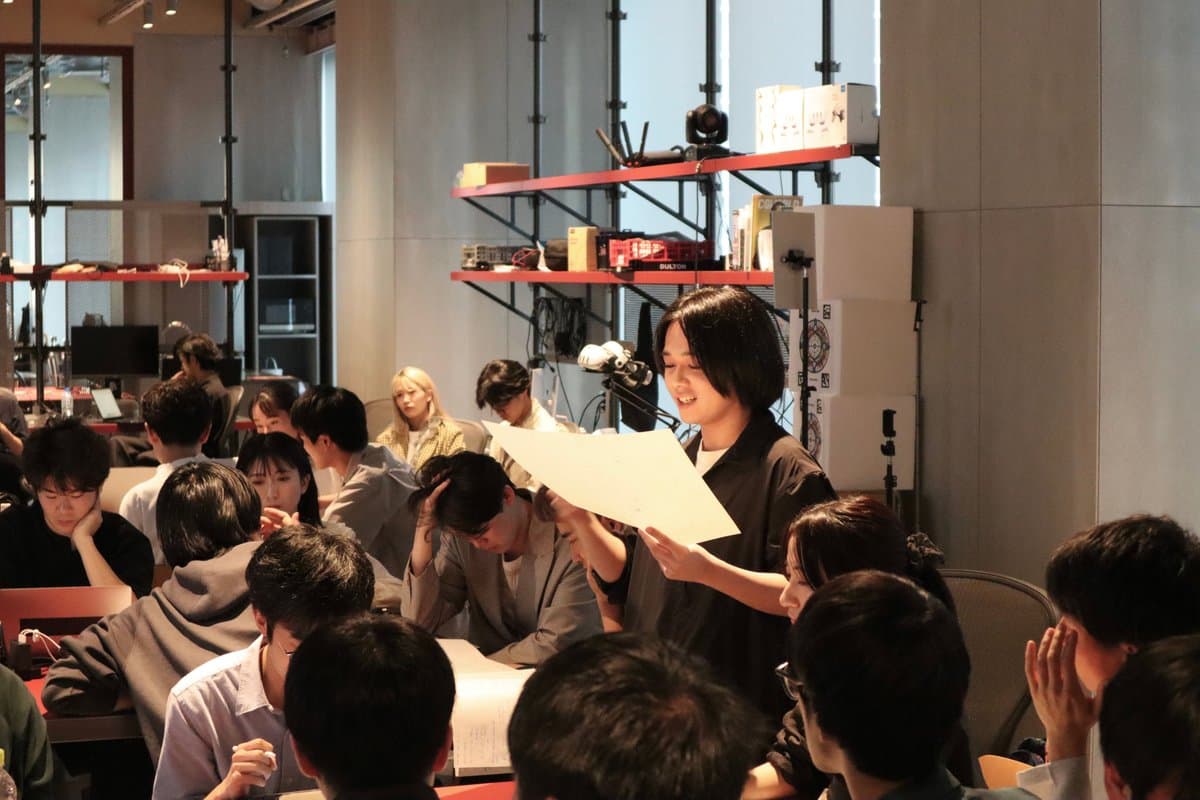
FIG.9
The next session is the mid-term retreat in two weeks. There, the second-year students will give a 3-minute pitch. Preparing for and practicing this pitch has been assigned as homework. The key points are as follows: ・Why are you doing this? What drives your passion? ・What is the current problem, and what do you hope to achieve? ・How will you tackle this? (Team, schedule, location, methods, etc.) The quality of your pitch is directly proportional to the number of times you practice. We hope you’ll practice as much as possible before the next session!
Credit
Related Works
2024.04.20.

[ASIBA Class Report] Week 2: Hearing and Hypothesis Building
INC-2nd Class Report #2
REPORT
2024.05.02.