Seasonal Demolition Materials Demo Auction, Autumn 2025
An auction-style workshop that puts a price tag on materials headed for the scrap heap
What is the “value” that separates waste from a resource? On the final day of Takenaka Corporation's “Circular Branch Exhibition,” the “Demolition Material Demo Auction,” organized by ASIBA and ReLink, confronted that question head-on. Facing ten items rescued from demolition sites nationwide — an office sink, the tabletop of a Western-style house's desk, patterned glass from the Showa era — participants imagined how each might be used and put their own price tags on them. Putting a price on something with no fixed value means exercising your imagination on architectural elements you'd otherwise never think twice about. The workshop explored the space between trash and merchandise, between exchange value and use value, between demolition and reuse.
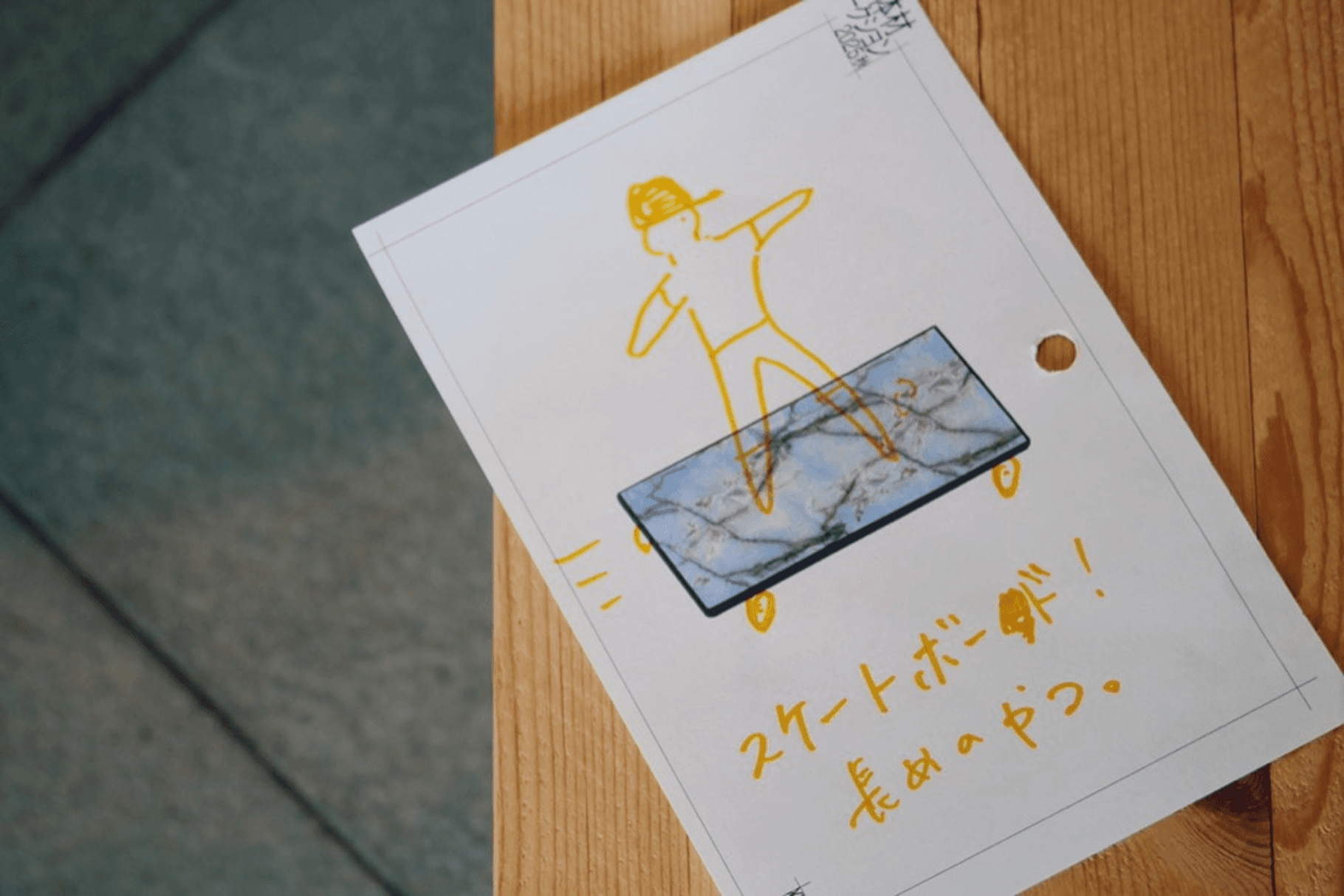
FIG.1
There were no price tags
A few months before this project came about, I visited an outdoor market in Indonesia and noticed that the clothes for sale had no price tags. When I asked, “How much is this?” I was told, “How much do you want to pay?”I couldn’t answer right away, and during those few seconds as I mulled over their words, I felt as though the meaning and value that garment held for me were left hanging in the air. Having become too accustomed to situations where the price of an item is set in advance, aren’t we perhaps ill-equipped to assign a price based on our own criteria—and might we even feel a sense of unease when doing so?
To set a price yourself, you must possess the knowledge and experience to justify it—or understand the value of owning and using the item. In other words, “using” or “desiring” something is not as passive an act as is generally thought; rather, it is an act that requires a high level of ability.
What Determines the Price of Demolition Materials?
Conversely, the reason we don’t have to haggle over prices for every little thing in daily life is not only because there is always a stable market with a certain level of supply and demand, but also because production lines are so standardized that there is virtually no variation in the quality of individual steel beams or tiles.When you think, “I want a 4-meter floorboard,” it has become the norm to receive one with exactly the same dimensions, weight, wood species, and condition as the one you ordered last time. Demolition materials turn that premise on its head.
For example, it is impossible to create a “catalog” for demolition materials. To begin with, no two items are “the same.” Naturally, the materials recovered from each site vary greatly; even when dealing with seemingly similar tiles, their condition and context differ depending on where they were used.Each item emerges not as an interchangeable symbol, but as an object possessing its own unique information . And each time, we are required to “appraise” the item right before our eyes.
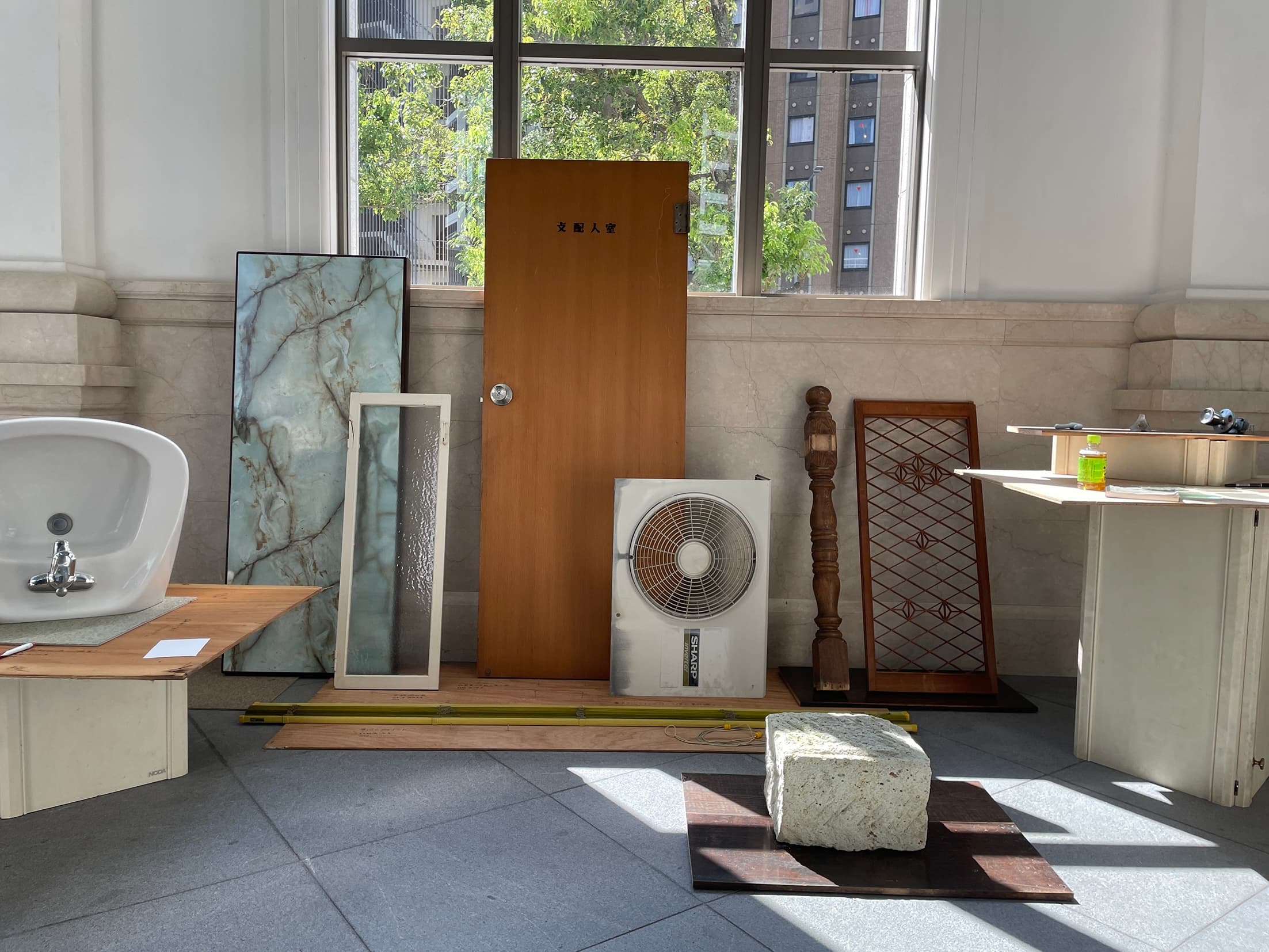
FIG.2
Revaluation Through Auctions
Here, with the cooperation of Takenaka Corporation , we undertook an initiative to revalue materials and fixtures salvaged from demolition sites through an auction.We handled more than 10 types of items sourced from demolition sites we had previously been involved with through the ReLink and ASIBA projects. A variety of components, large and small, were displayed, including office sinks, exterior wall tiles from private homes, covers for air conditioning outdoor units, and handrails from YOHJOH (Kameido).
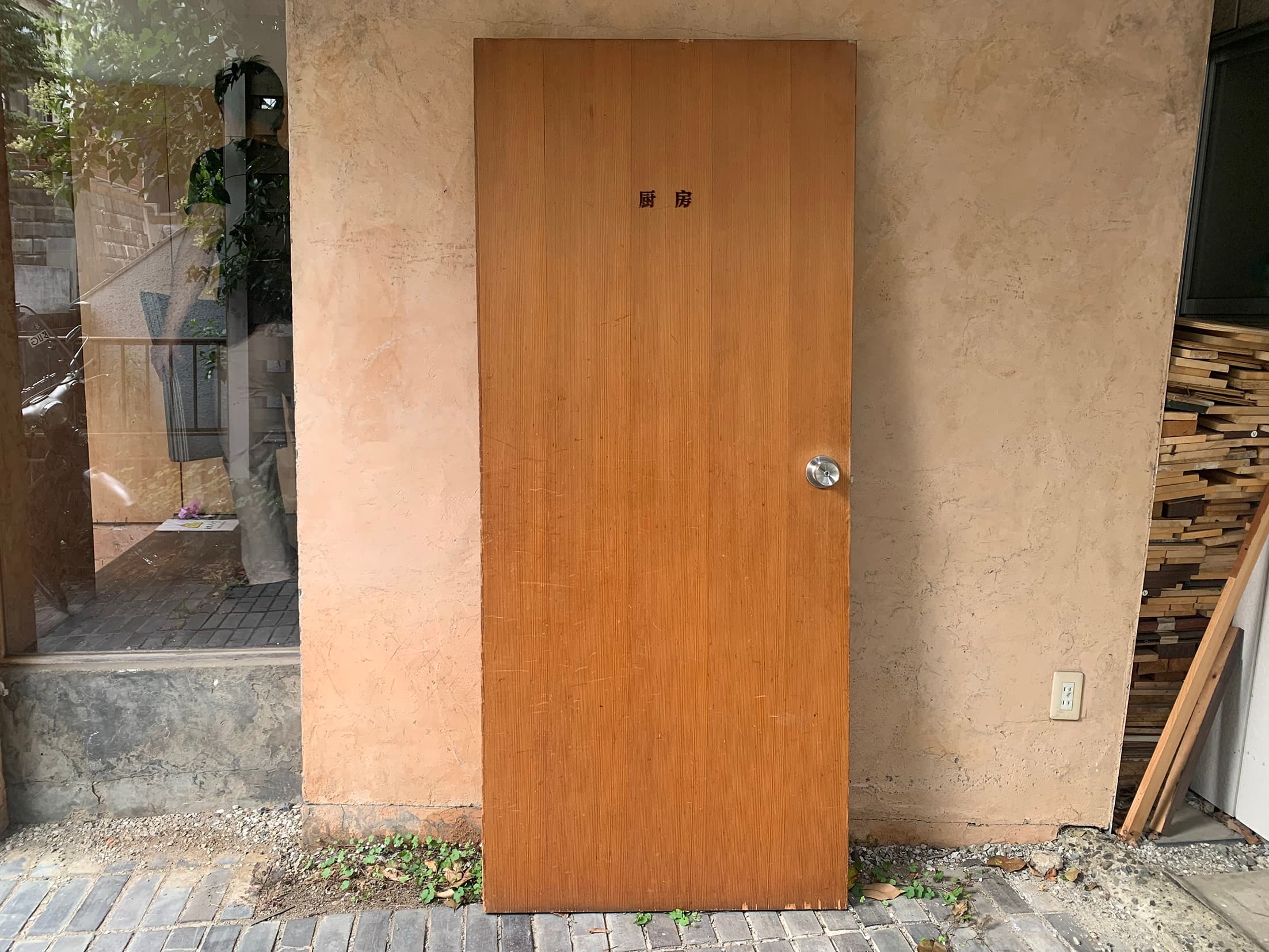
FIG.3
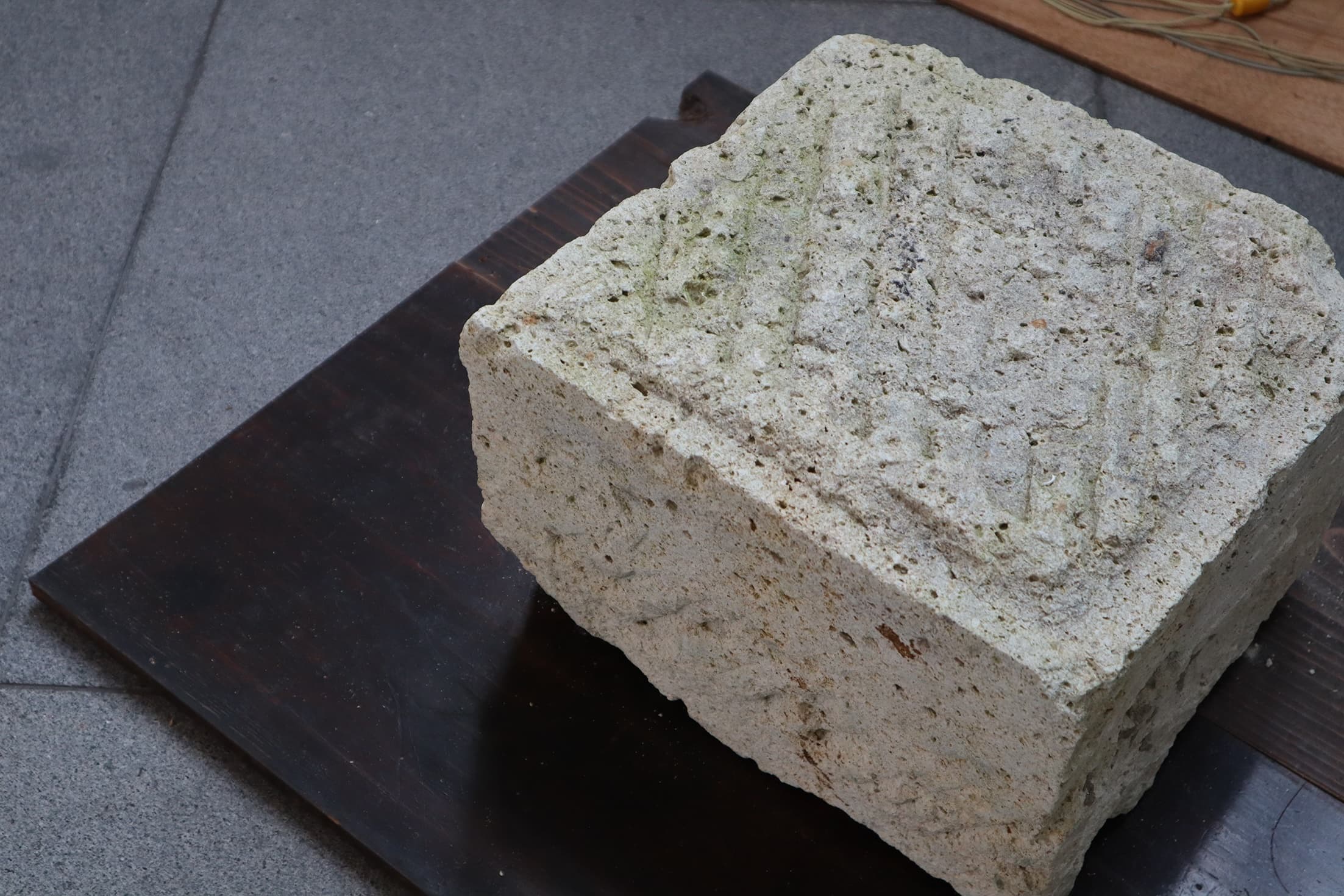
FIG.4
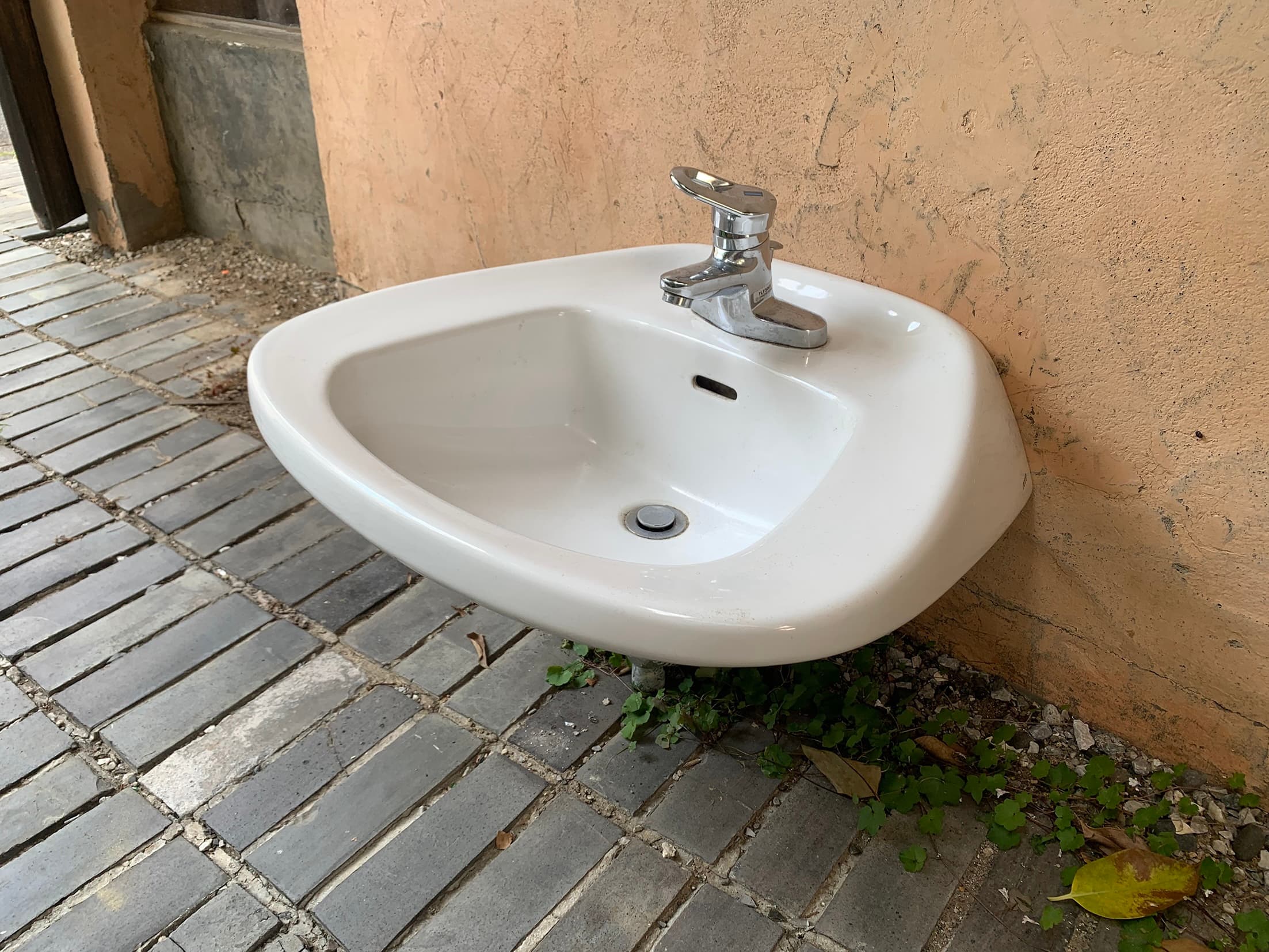
FIG.5
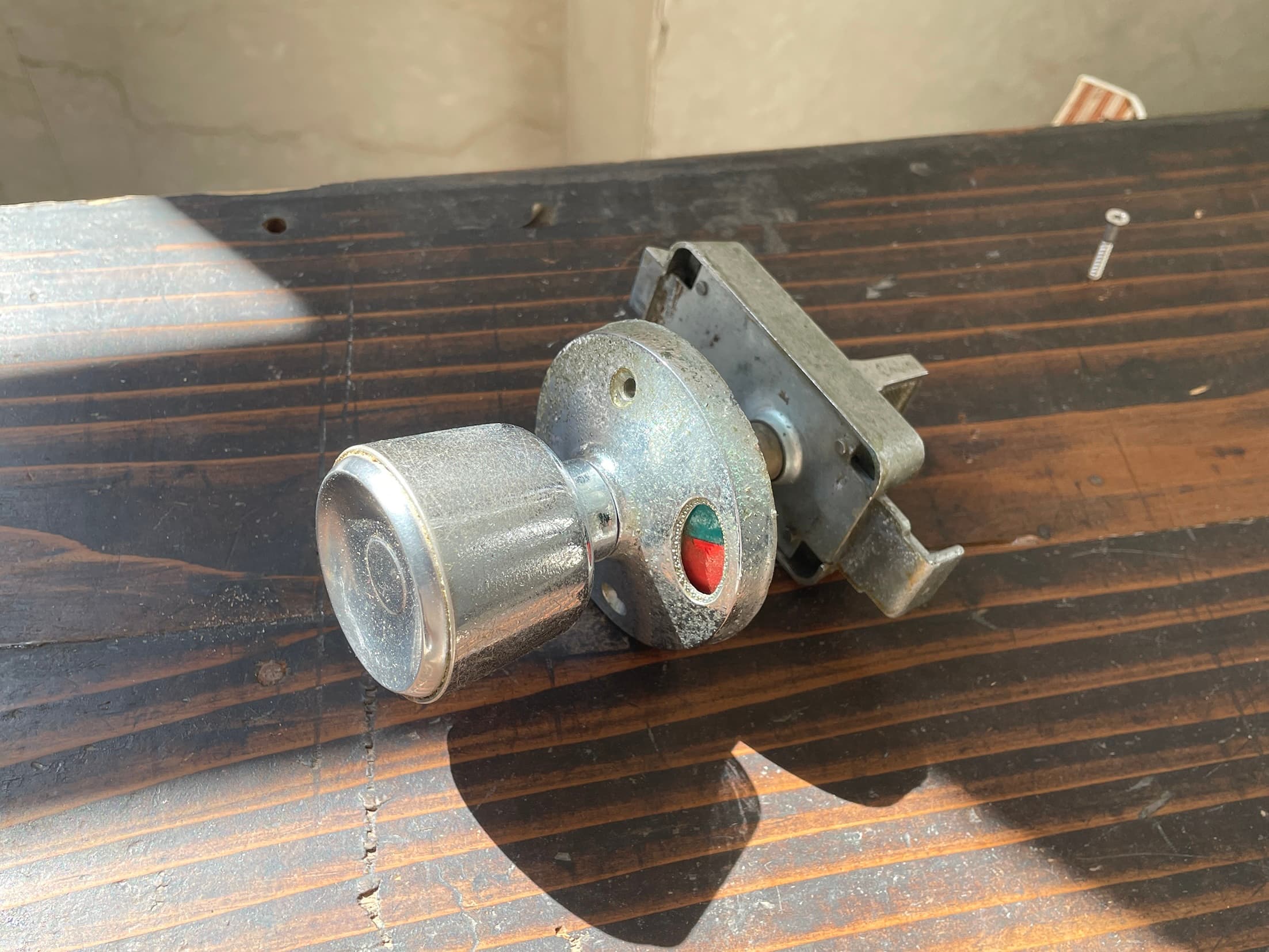
FIG.6
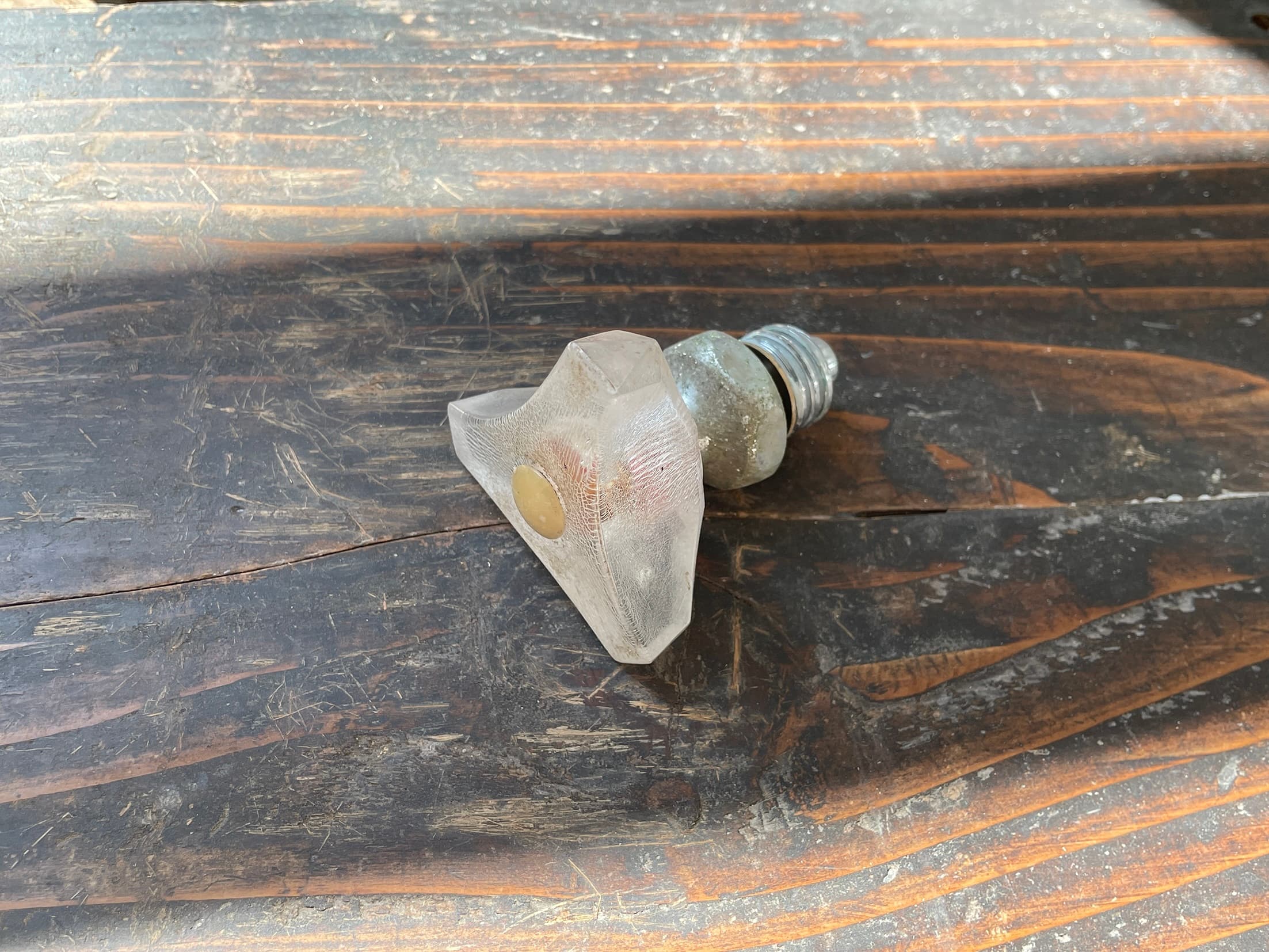
FIG.7
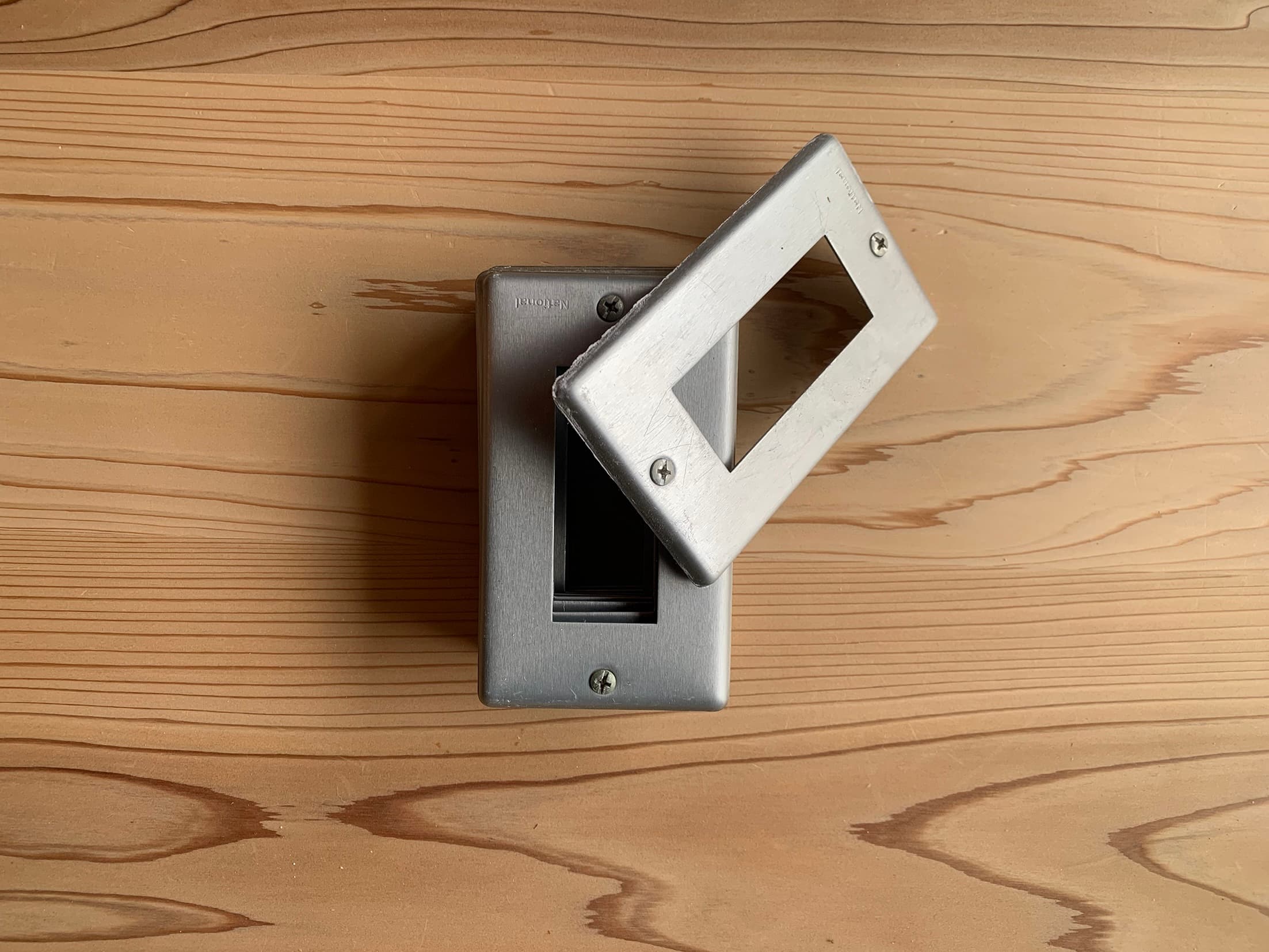
FIG.8
I made a conscious effort to focus not on “reclaimed wood”—such as the pillars, beams, and architectural fittings from old traditional houses, for which a well-established secondhand market already exists—but rather on mass-produced items that are closer to industrial products, as well as materials like plastic and engineered wood, where the value of aging is rarely recognized.Although these materials have become the mainstream in today’s construction industry, there is still not enough demand for them to be considered for reuse, and most end up being recycled or sent to final disposal.
What kind of technology is needed to reclaim value from the remnants of these products, born of standardized manufacturing processes? It is nothing other than the “imagination of the user”—the process of drawing out the latent potential of the object at hand, establishing a new context, assigning a new role, and bringing it to life through a combination of various techniques.I am delighted that, through this project, by drawing on the “imagination” of many people, we were able to discover new possibilities in numerous objects.
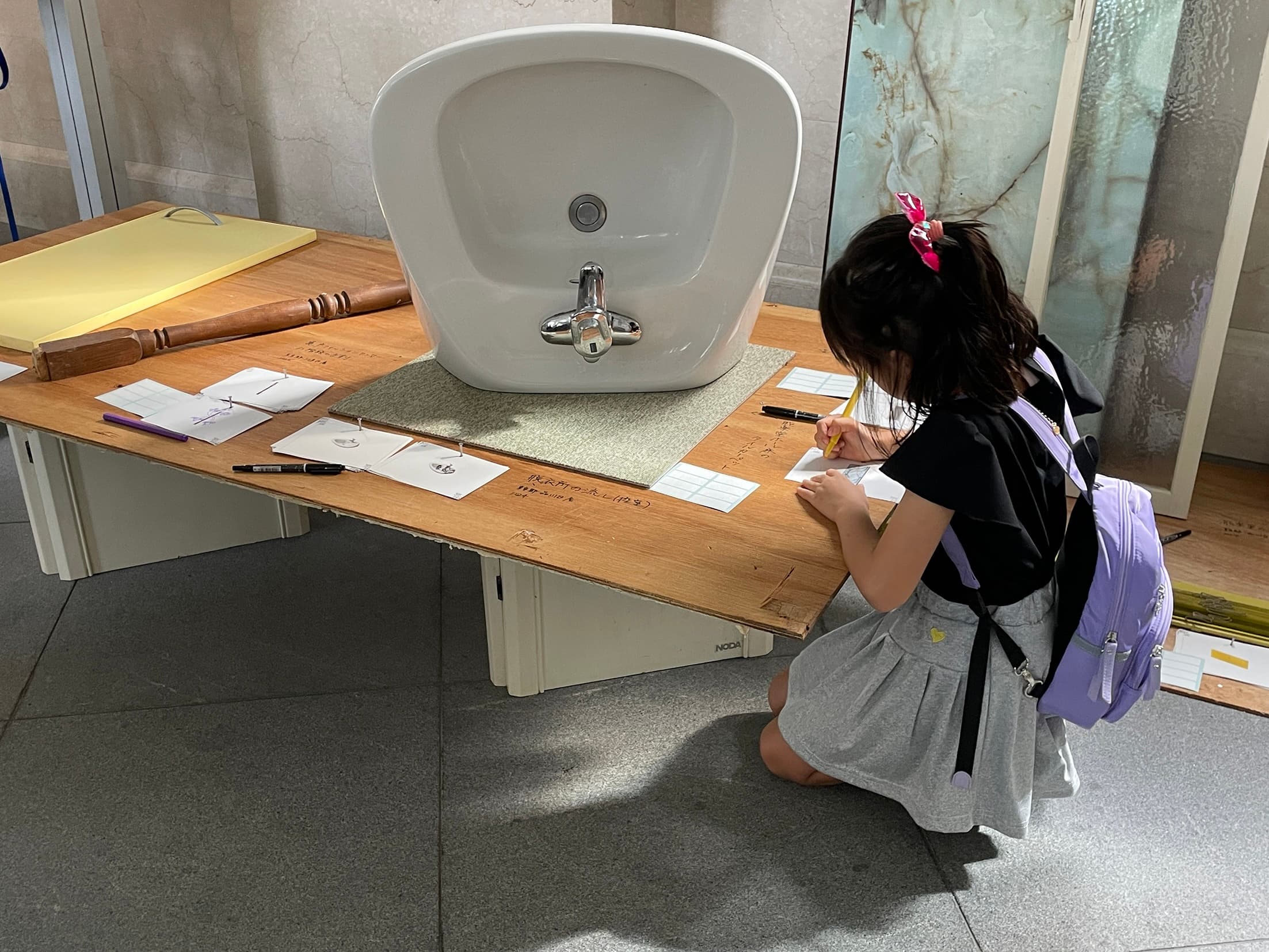
FIG.9
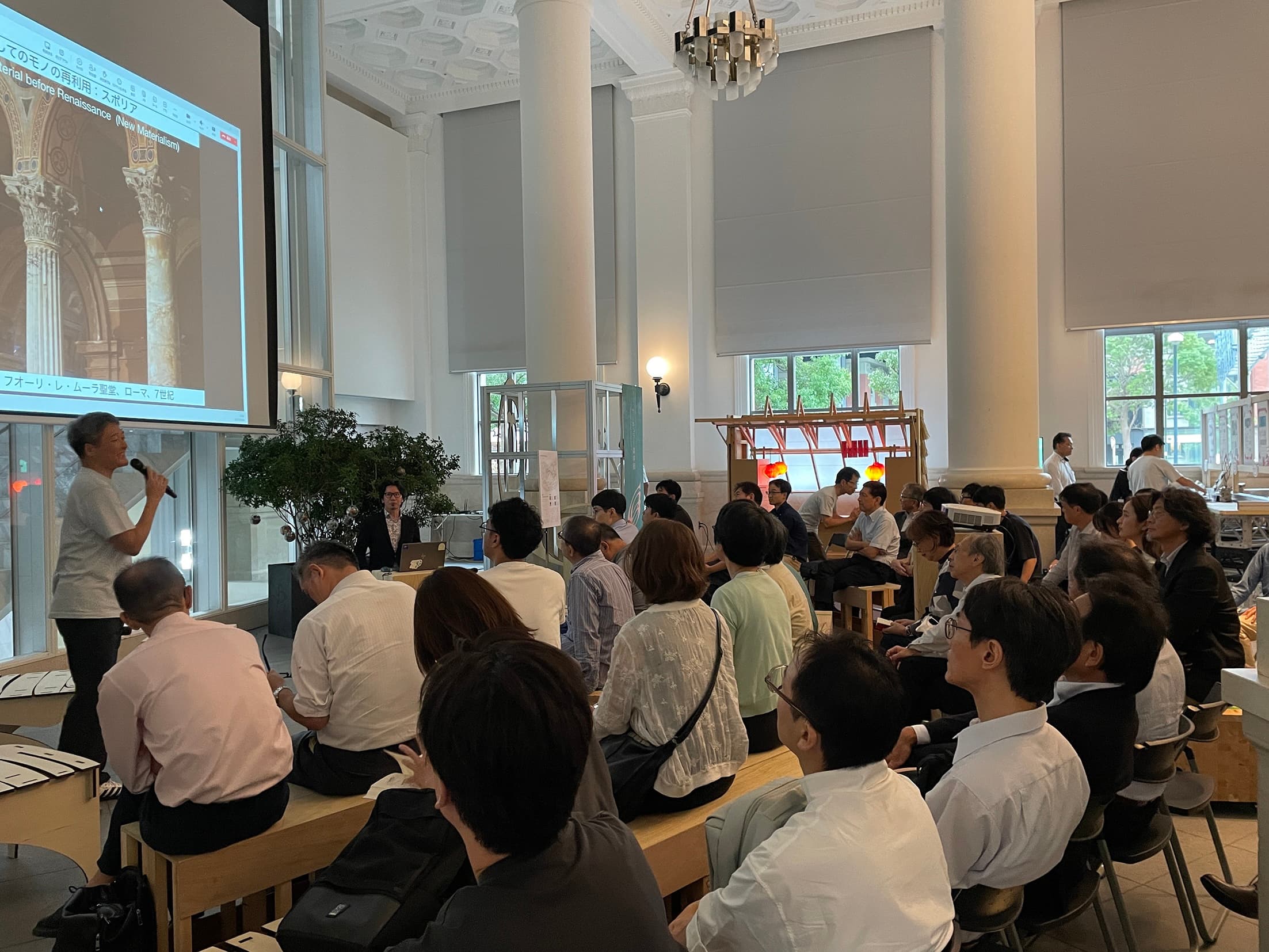
FIG.10

FIG.11
RELATED WORKS
CREDIT
inhouse
collaborator
League Player
external