秋田そら
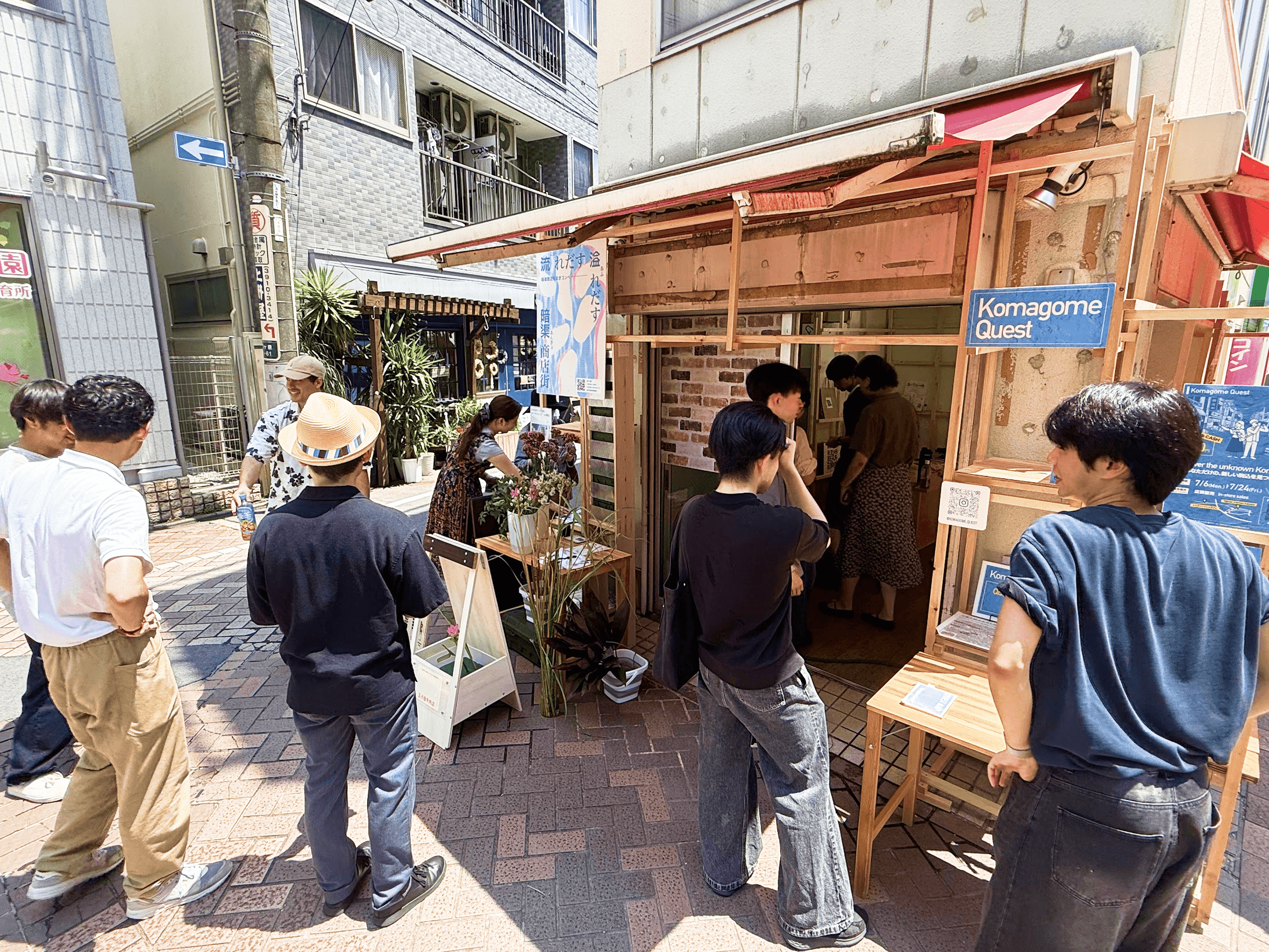
FIG.1
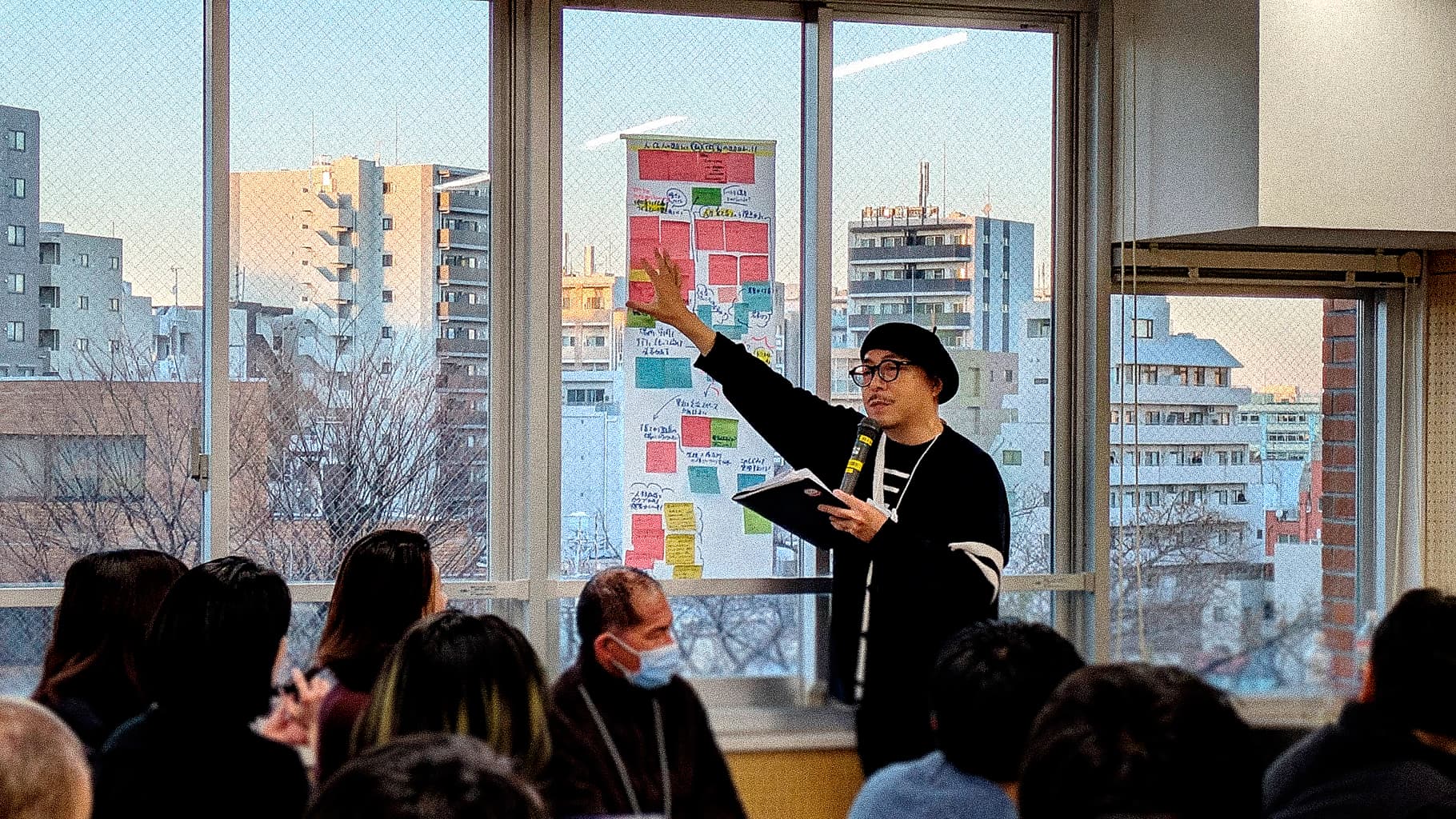
There is a project that takes the editorial meeting’s theme—“Citizens and the Public”—most critically and is attempting to test it in practice: “ASIBA CREATIVE ANKYOBATION” (hereinafter “ANKYOBATION”).During the meeting, two complementary questions were raised: “How can something be both creative and public?” and “How can something be both public and creative?” Various hypotheses emerged depending on where the focus was placed—such as “If we pursue creativity to its fullest through incubation, it will inevitably intersect with the public”“Creativity has emerged as a response to problems arising from cracks in the public sphere”—and so on. Depending on which side was taken as the focal point, various hypotheses emerged. In this essay, I would like to use ANKYOBATION as a case study to examine how an environment is being created to reconcile the creative and the public.
“Creative Democracy,” presented as a framework for this discussion, is grounded in “life projects”—initiatives that begin with individuals refining their own desires, based on a trust in the intrinsic creativity that everyone possesses.It posits that individuals autonomously engaging in repeated trial and error and accumulating small-scale social innovations is the new form of democratic participation in the modern era, and refers to this as “project-based democracy.” Within this framework, urban planning experts and planners are not figures who impose a “correct plan” from above.Rather, their mission is to build “enabling infrastructure”—a foundation that allows individual creators to experiment freely.
Another key concept is that of the “urbanist.” This does not refer to a privileged elite with specialized urban expertise. Rather, it refers to individuals who, while maintaining a genuine sense of life as ordinary residents, possess specialized technical skills and curatorial abilities regarding the city, and act as agents who enrich the public sphere.When such actors function as a “collective,” the city begins to change gradually.
ANKYOBATION is precisely a series of systems that connect this “Life Project” to the local context. Broadly speaking, the process involves the following steps:
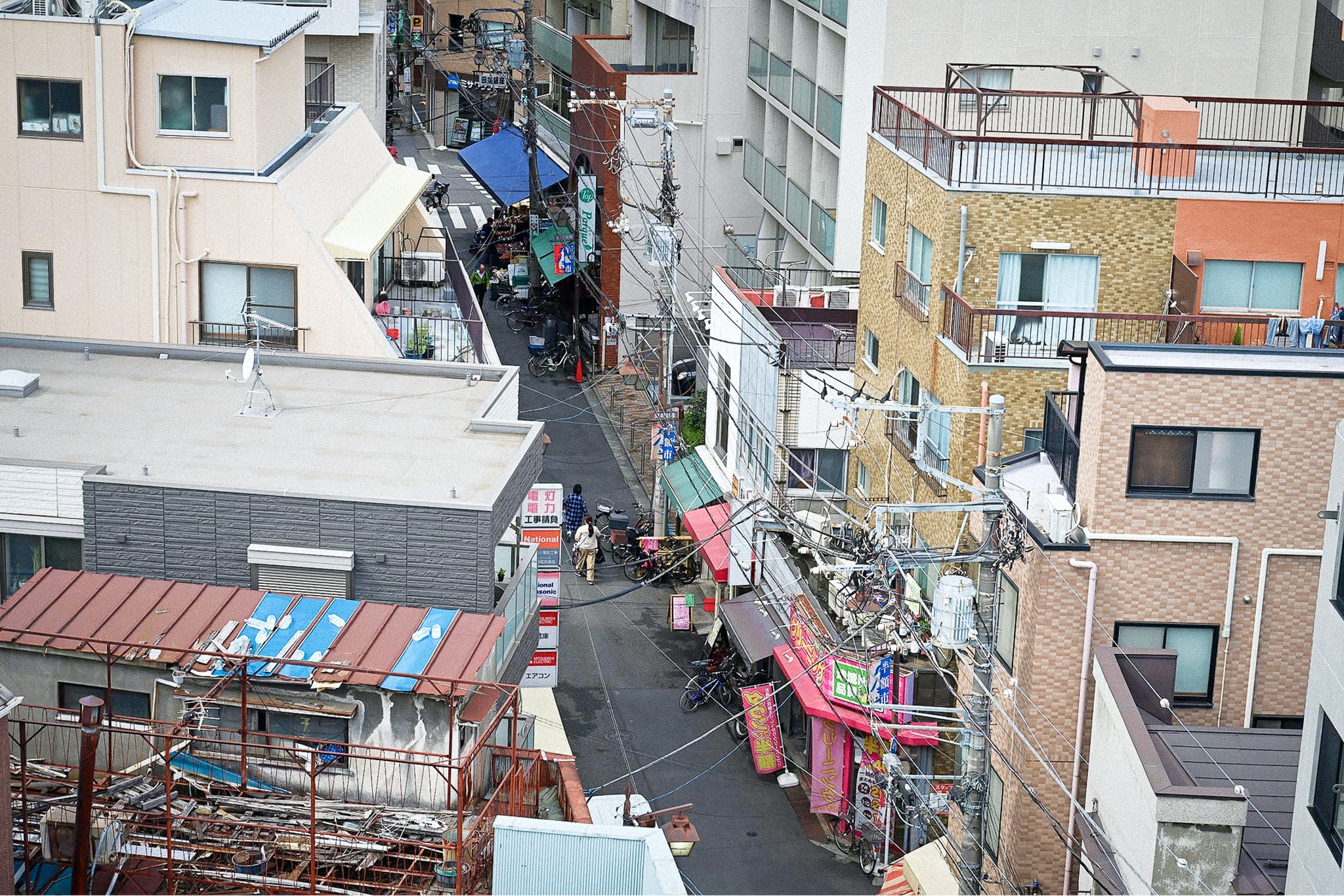
Because these “Life Projects” serve as the starting point and are carried out within the shared public space of the shopping district, the collective momentum among the participants is strong, leading to repeated on-site prototyping.Furthermore, through monthly in-person sessions and detailed weekly mentoring, participants exchange the in-depth insights and networks they’ve gained on the ground, frequently sparking collaboration between projects. However, balancing creativity and the public sphere also presents a dilemma.
The deeper we delve into the local community, the more the pressing concerns and everyday needs of residents and shop owners come to the forefront. While this demonstrates the potential of this scheme as a form of “sounding out,” there is a risk that, in responding to these needs, we may lose the critical perspective we originally sought in architecture and design.In the “Komagome Bag” project—which aimed to promote the town by distributing custom-designed paper bags throughout the shopping district—we distributed bags like the one pictured after conducting resident interviews revealed that many called for a simple design.However, during the interim presentation (Day 3), a commentator raised a design-related critique, asking, “Is that really creating a new landscape for Komagome?” It is also necessary to create opportunities to return to values that cannot be reached by merely delving deeply into citizens’ needs.
On the other hand, if creators ignore the local context and prioritize only “artistic vision” or “novelty”—as they see fit—there is a risk of becoming disconnected from local residents, shrinking into a closed community (an “echo chamber”) that exists solely among insiders, and losing its public nature.However, it can be said that this barrier has been largely overcome through the “Maki Competition’s” unique methodology, which involves taking the time to gradually build connections with the local community. Furthermore, by regularly incorporating feedback not only from mentors within ASIBA but also from external experts, the incubation process—which moves back and forth between the creative and the public spheres—is coming closer to fruition.
Furthermore, we should avoid viewing creativity solely through the lens of “creating something entirely new from scratch.” When considering a city as a whole, what is sought is not necessarily “one-of-a-kind” novelty; rather, we should place greater emphasis on “curatorial sensibility”—the ability to create “at least one unique thing for that city” through connections that combine various existing elements.
Shopping districts, as places of daily life, do not necessarily seek “novelty” on a global scale. What is required is “curation”—the creation of products and services rooted in the existing context of the terrain, daily life, and the town’s collective memory. Alternatively, this could be described as “local” or “indigenous.”Through a long-term process of engaging the local community, combined with feedback from external urban and architectural experts—including ASIBA mentors—we will explore uncharted territory for ASIBA: the incubation of community activities that successfully balance the three pillars of “creative,” “public,” and “local.”
ANNOUNCEMENT
2025.10.17.