Creative-LAB. Phase 3 Program Report #2
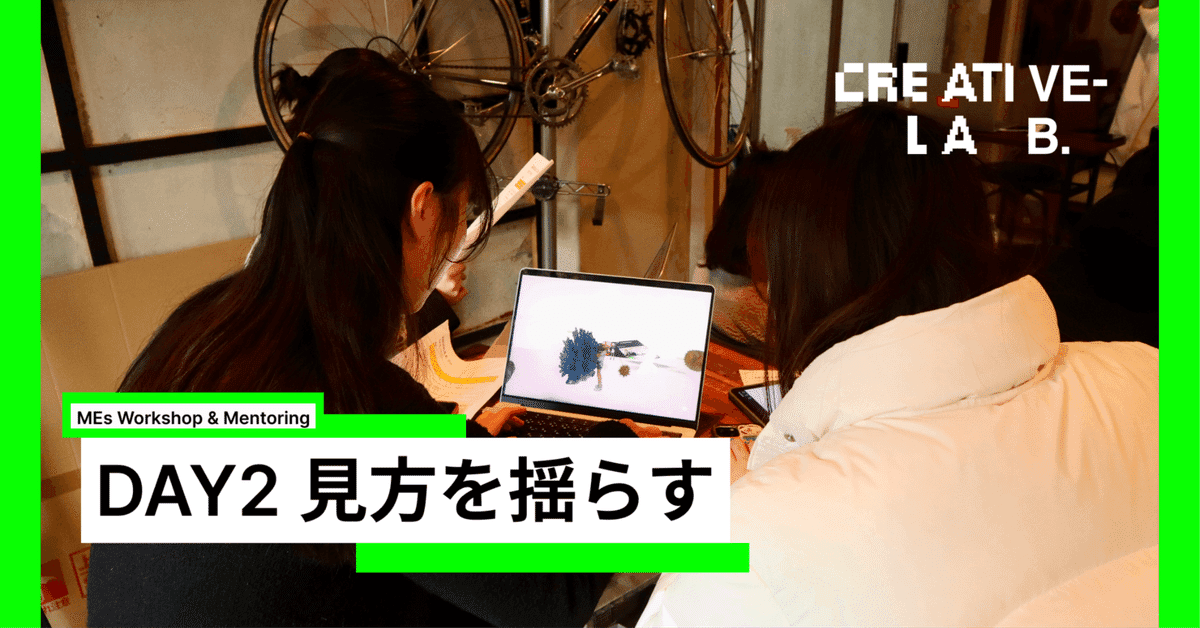
FIG.1
On Saturday, January 24, 2026, Creative-LAB. 3rd DAY2 was held at YOHJOH (Kameido), organized by the General Incorporated Association ASIBA. The event featured an MEs Workshop utilizing a virtual space and mentoring sessions led by a team of mentors with diverse areas of expertise.
FIG.2
A common thread throughout the entire program was an attitude of carefully engaging with the thought processes and dialogue that precede the actual realization of ideas, rather than immediately seeking answers or final outcomes. During presentations and discussions, moments of deep contemplation were interspersed with joyful reactions and laughter.
Observing subjects, shifting perspectives, and having their thoughts challenged by others’ questions—through these processes, each participant gradually expanded their ways of seeing things and their ability to connect ideas.
The first half began with a workshop using the virtual space “MEs.” The lecture for this workshop was led by a Haru, the CEO of O Corporation—the company that developed MEs—and an artist.
https://note.com/o_mes/n/n8b9de36b4a44
Participants first selected one object that caught their interest from among those placed within the space. A Thomson’s gazelle skull, blue coral, or a Japanese maple seed—the first exercise involved observing the chosen object from multiple perspectives.
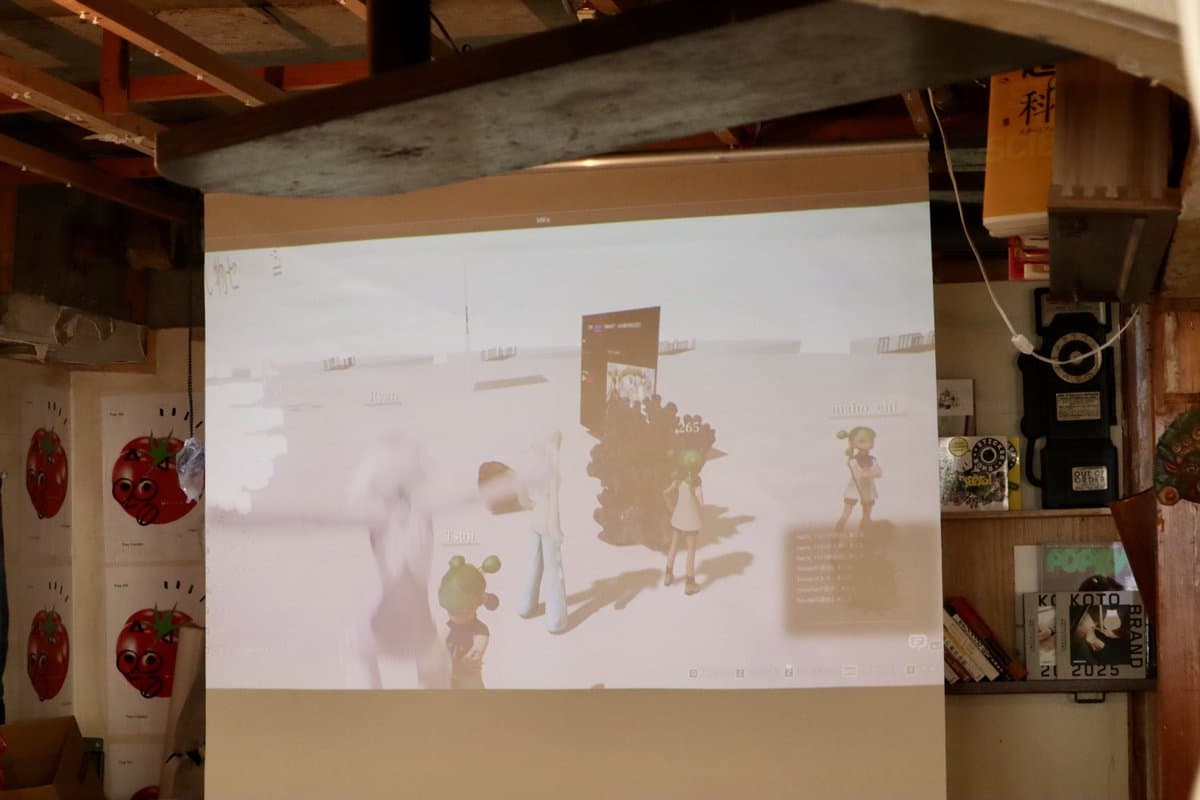
FIG.3
The following perspectives were primarily presented:
Rather than “analyzing” the object itself, the emphasis was on continually shifting the viewer’s perspective.
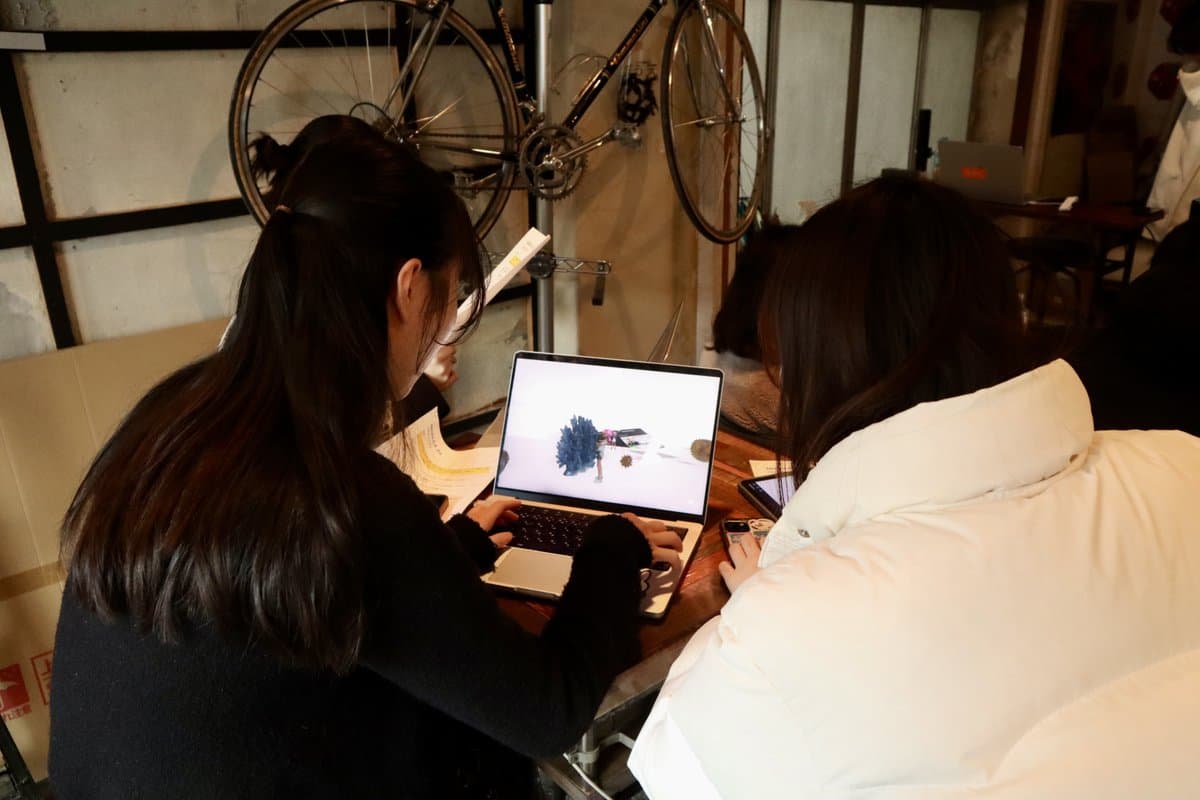
FIG.4
During the post-workshop presentations, participants shared insights such as, “The unevenness I didn’t notice when looking at it up close took on a different meaning when viewed from a distance,” and “When viewed along a timeline, the subject ceases to be the sole focus.”
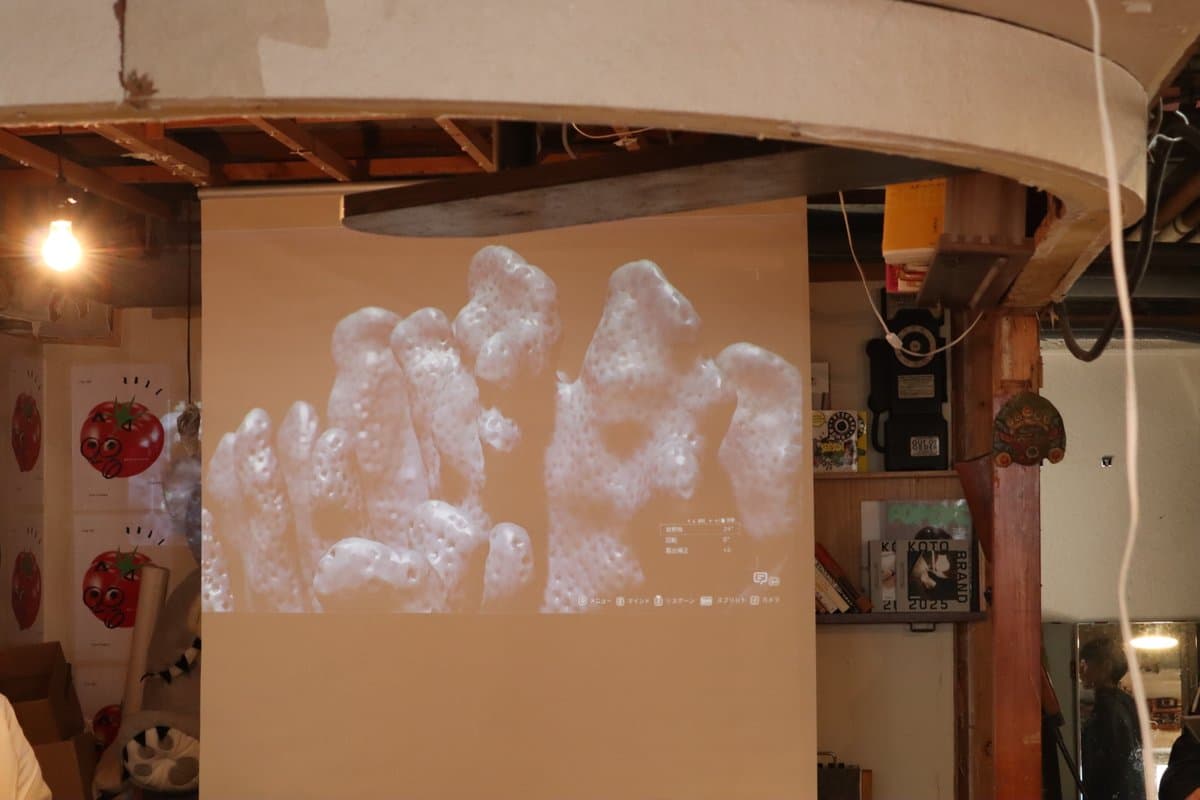
FIG.5
The MEs Workshop was not an exercise for giving immediate form to ideas, but rather a time dedicated to observing while keeping our perspectives fluid, rather than fixing them in place.
What was striking about the workshop was that the participants’ questions gradually shifted—even more so than the subject itself.In the early stages of the workshop, many participants began by sharing sensory impressions, such as “This shape is interesting” or “I was intuitively drawn to it.” However, as they moved back and forth between perspectives—such as scale, time, and systems—the direction of their questions gradually shifted.
For example, rather than simply asking, “What could this be used for?” their perspectives broadened to questions like, “What would it feel like if a person were to step inside this?” or “When this organism is preyed upon and decomposes, might another actor become significant?”
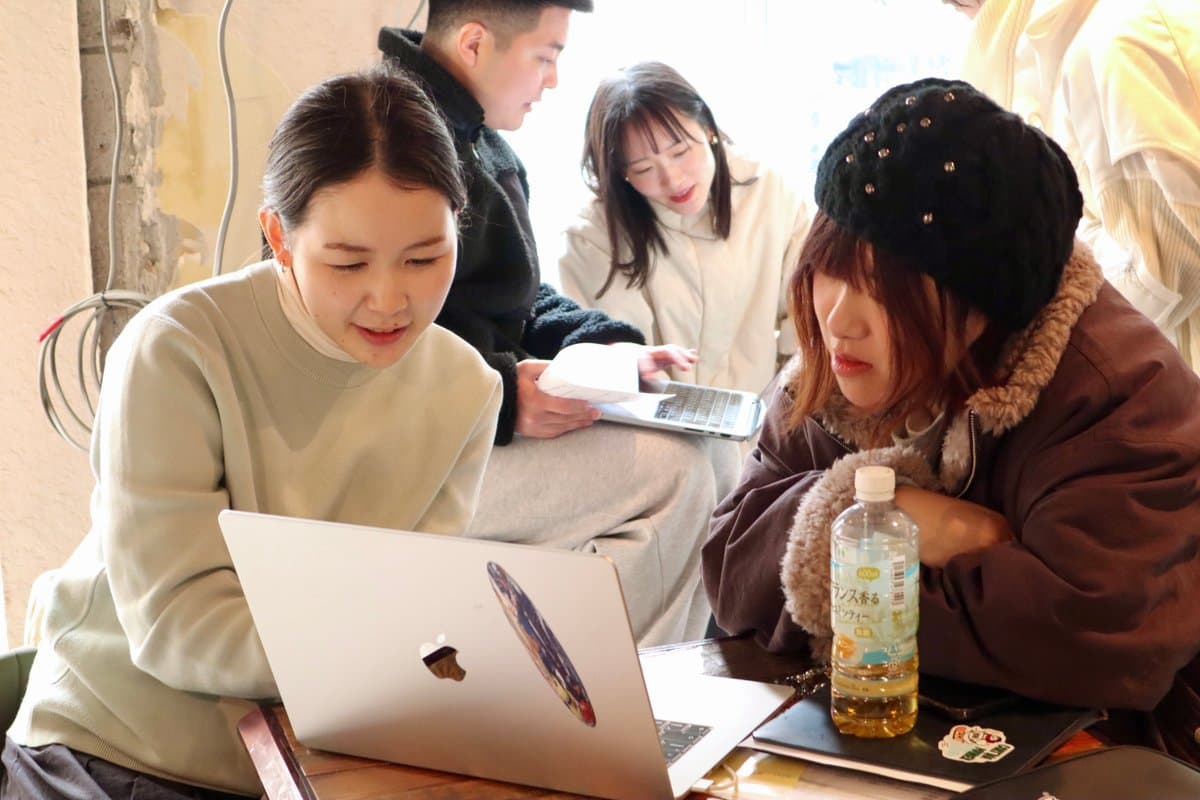
FIG.6
In this way, the MEs Workshop carefully facilitated a process—as a preliminary step before narrowing down to a single idea—of expanding perspectives on things and, consequently, allowing the framing of questions to evolve.This foundation of “not fixing one’s perspective but continually shifting it” carried over into the mentoring sessions in the latter half, leading to deeper dialogue that went beyond a mere search for the “right answer.”
The mentoring sessions in the second half were conducted in small groups, with mentors from different fields—research, art, and practice—present. In addition to our company’s representative, Nihei, we were joined by Keita Tsuyuguchi, Miyuki Hiraoka, and Takayuki Imaizumi (Chiri-jin).Rather than immediately offering evaluations or suggesting directions, the mentors engaged with participants by posing questions in return, thereby shifting their perspectives.
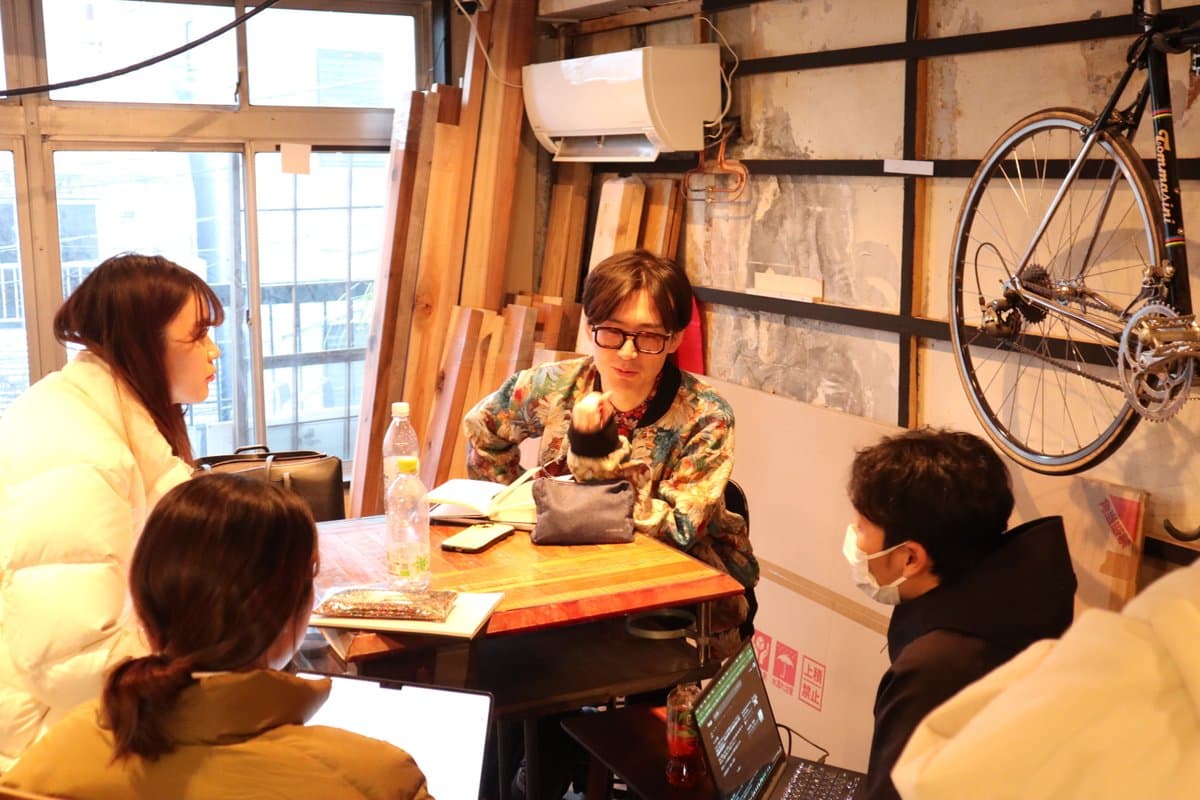
FIG.7
For example, in response to one participant’s project aiming to “implement the functions of a forest within the city,” Takayuki Imaizumi (Chiri-jin) posed the question: “Are you saying that trees aren’t necessarily required to evoke the feeling of a forest?”This was also a moment where the mindset cultivated during the first half of the workshop—"examining the system and essence of the subject, and shifting one’s perspective away from existing concepts"—was applied to the discussion of a specific project.
In response to that question, the participant defined the essence of a forest as “a state in which there is ‘the unknown (chaos)’ that humans cannot control.”
In response, Mr. Imaizumi immediately broadened the perspective, suggesting, “If that’s the case, then ‘construction sites’ and ‘bar districts’—which represent chaos in the city—could also be described as ‘forest-like elements’ that aren’t bound by existing concepts of vegetation.”
Furthermore, phrases such as “We don’t have to decide this right now” and “We don’t have to force a conclusion” were shared throughout the dialogue.
This reflected an attitude of treating the intermediate stages of thinking and experimentation as they are.
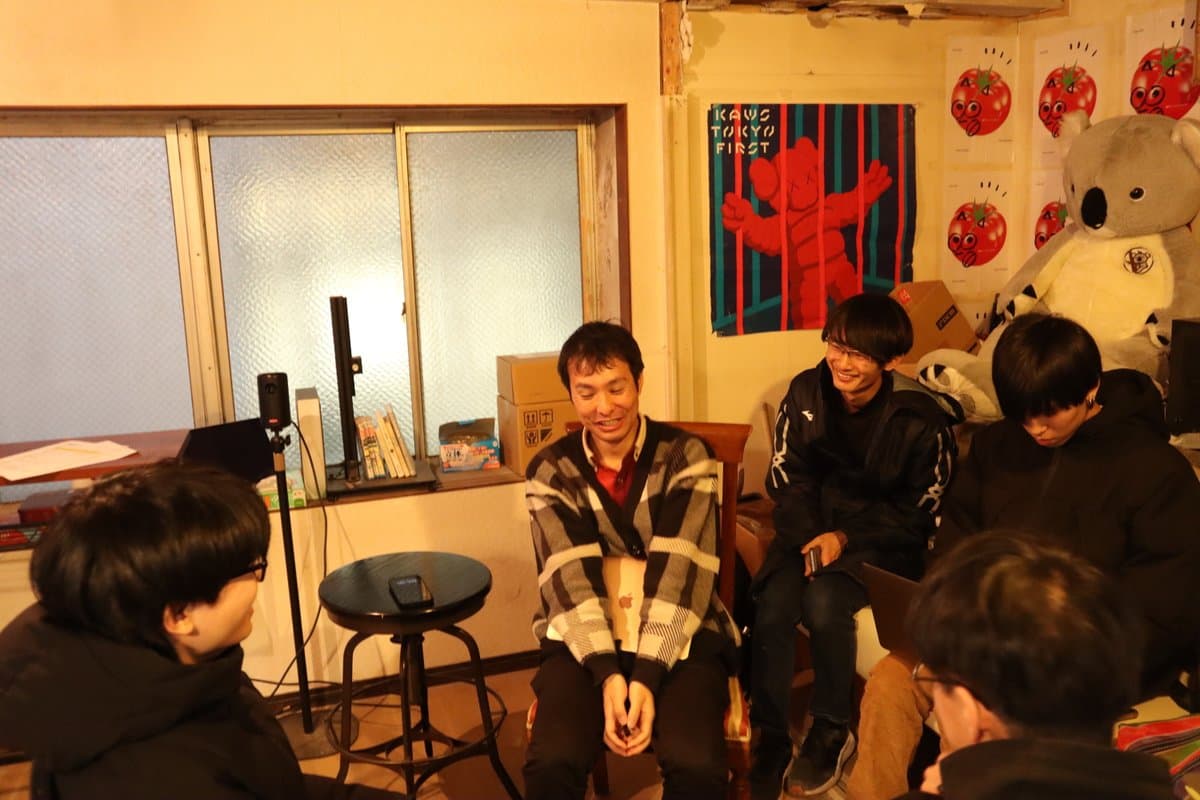
FIG.8
The dialogue was not one-sided; rather, it progressed as other participants and mentors responded to one participant’s remarks, leading the conversation to branch out further. As a result, some participants became aware of assumptions or fixed perspectives that had been difficult to see when thinking alone, and new questions emerged.The mentoring that took place here was not about judging ideas as “good” or “bad,” but rather a time to explore, through dialogue, where potential might lie and in which directions ideas could be expanded.
What became clear through the program was an attitude of dedicating ample time to the thinking and dialogue that precede the immediate realization of an idea, rather than rushing to bring it to life. At the MEs Workshop, by observing a single subject from various perspectives and avoiding fixed ways of seeing, participants’ very understanding of things gradually broadened. In the subsequent mentoring sessions, this state of mind was carried forward as a given.Rather than evaluating ideas or reaching conclusions, we explored through dialogue where possibilities might lie and in what directions they could be expanded. At first glance, this approach might seem slow. However, when listening to the participants’ words, the urgent need for this “deliberate pause” becomes clear.
For example,
・They question the fast pace of political and social decision-making and feel uneasy about matters proceeding based solely on “efficiency” or “correct answers.”
• In creative work, they struggle to receive feedback and hope to find a way to overcome the “loneliness of creation.”
We actually heard such voices expressed on this day. Their words offered a glimpse not only into personal struggles but also into the challenges facing modern society—a society where efficiency takes precedence and loneliness is on the rise.
Carefully navigating the stages “before summarizing” and “before deciding,” while drawing on questions posed by others—this can be seen as a strength for breaking through existing frameworks in modern society, and a rare way of moving forward.
At Creative-LAB., we do not prescribe a single format for output or a single way to produce results. Sometimes ideas take shape as prototypes or works; other times, the dialogue, experimentation, or the very act of refining questions leads to the next step. Regardless of the stage, our approach throughout the entire program is to first fully embrace the idea and then consider how to build upon it from there.
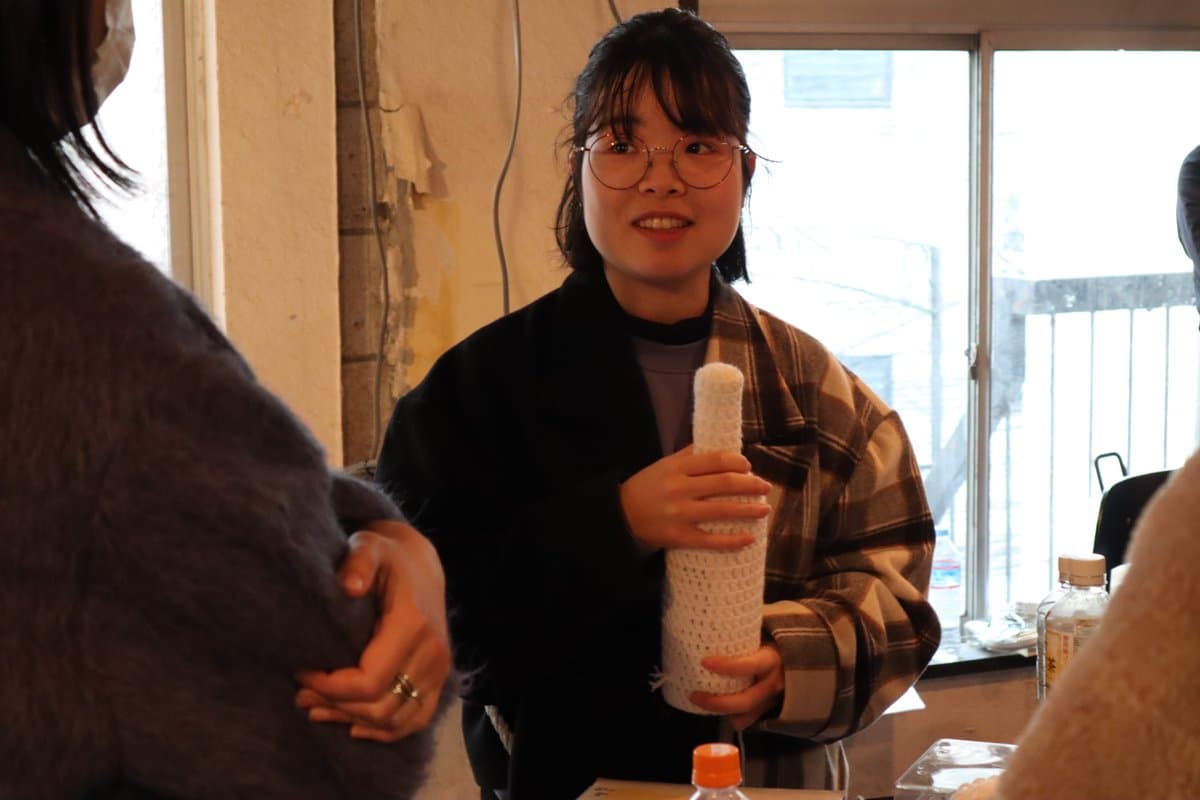
FIG.9
For those who have ideas but haven’t fully shaped them yet, or for those about to embark on a new venture, the MEs Workshop & Mentoring served as a day to reevaluate “where they should be investing their time right now.”Deliberately pausing to engage with the uncertain thoughts and dialogues that exist before an idea takes shape—it is this cumulative process that leads to the next step for Creative-LAB. and to each individual’s steady progress.
Credit
Related Works
TSG Creative-LAB. 2nd/3rd
PROGRAM
Related Texts
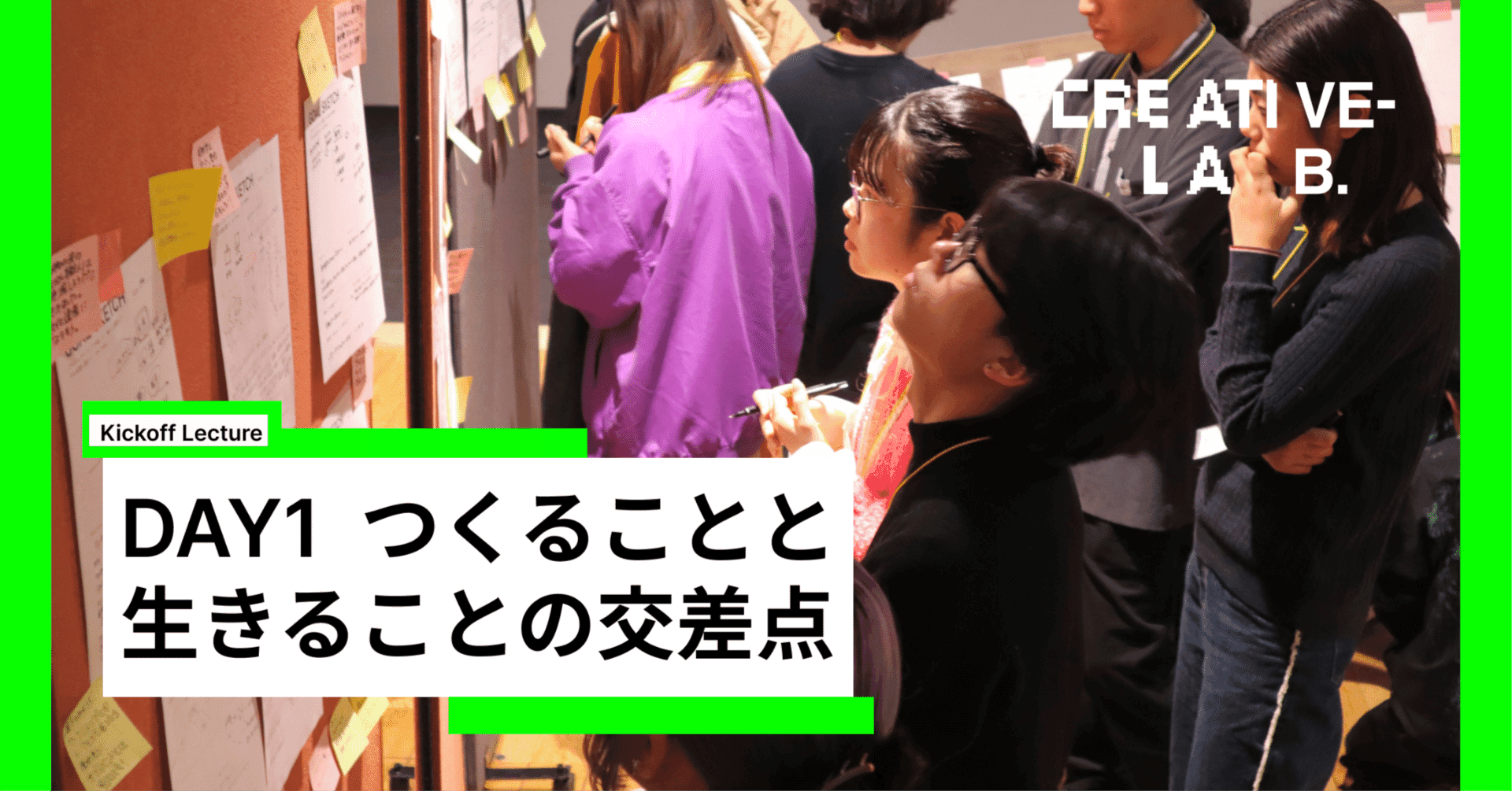
Creating the Intersection of Creation and Life / TSG Creative-LAB. Phase 3 DAY 1 Lab Joint Kickoff
Creative-LAB. Phase 3 Program Report #1
REPORT
2026.02.25.
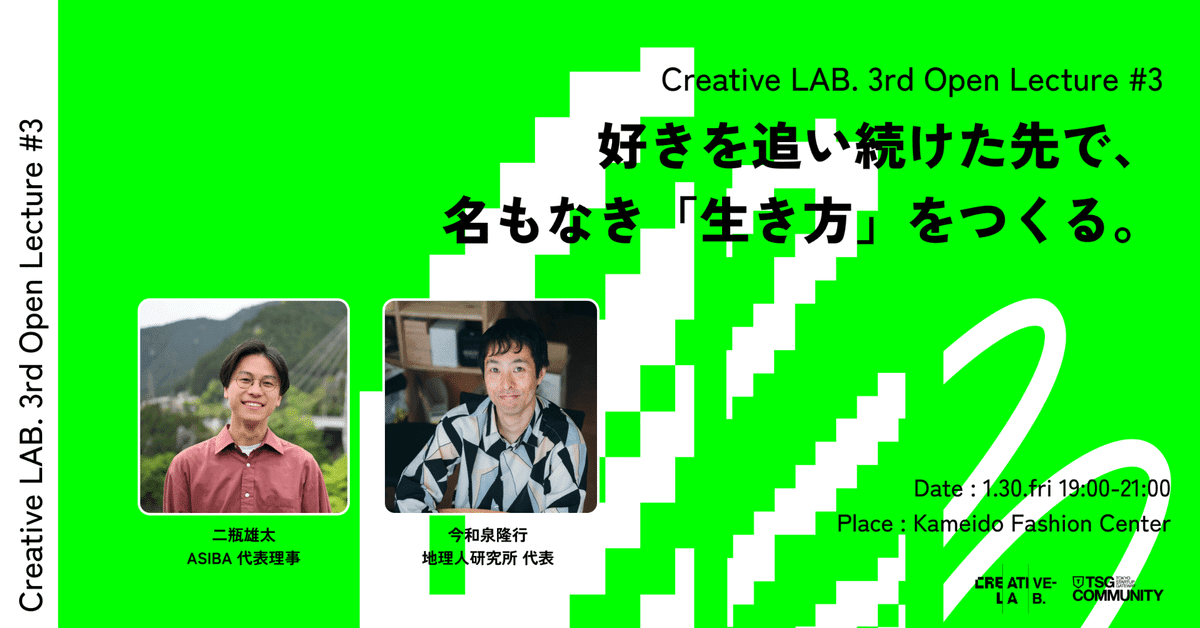
Beyond Pursuing What You Love: Creating a Nameless Way of Living / Creative LAB. DAY3 Open Lecture
Creative-LAB. Phase 3 Program Report #3
REPORT
2026.04.04.
Increasing the Resolution of Daydreams: Rapid Prototyping / Creative LAB. DAY4 Prototyping Workshop + Mentoring
Creative-LAB. Phase 3 Program Report #4
REPORT
2026.04.05.