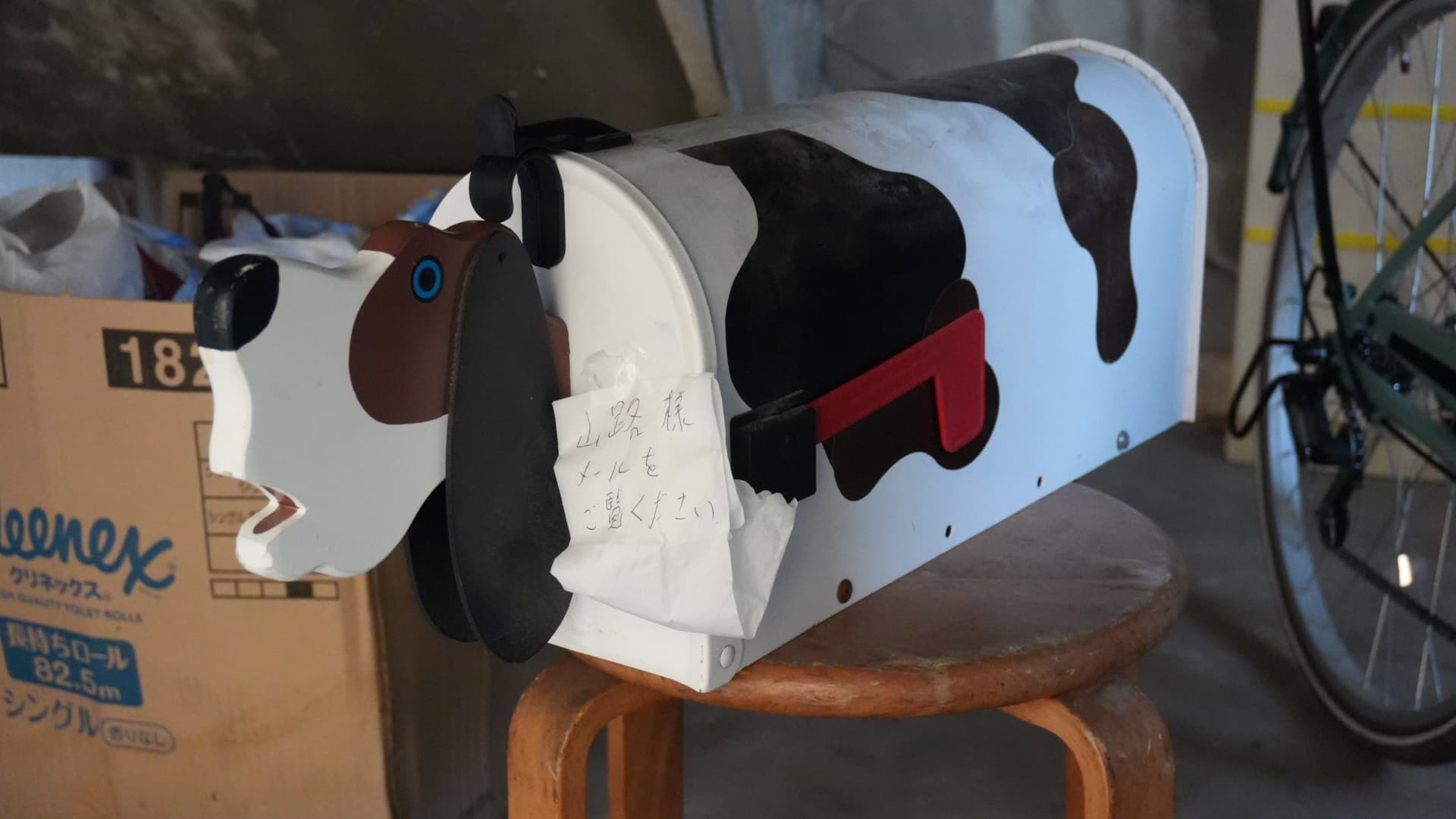
Reflecting on the Semi-Open Editorial Meeting: 'The Provisional and Residents' (二瓶雄太)
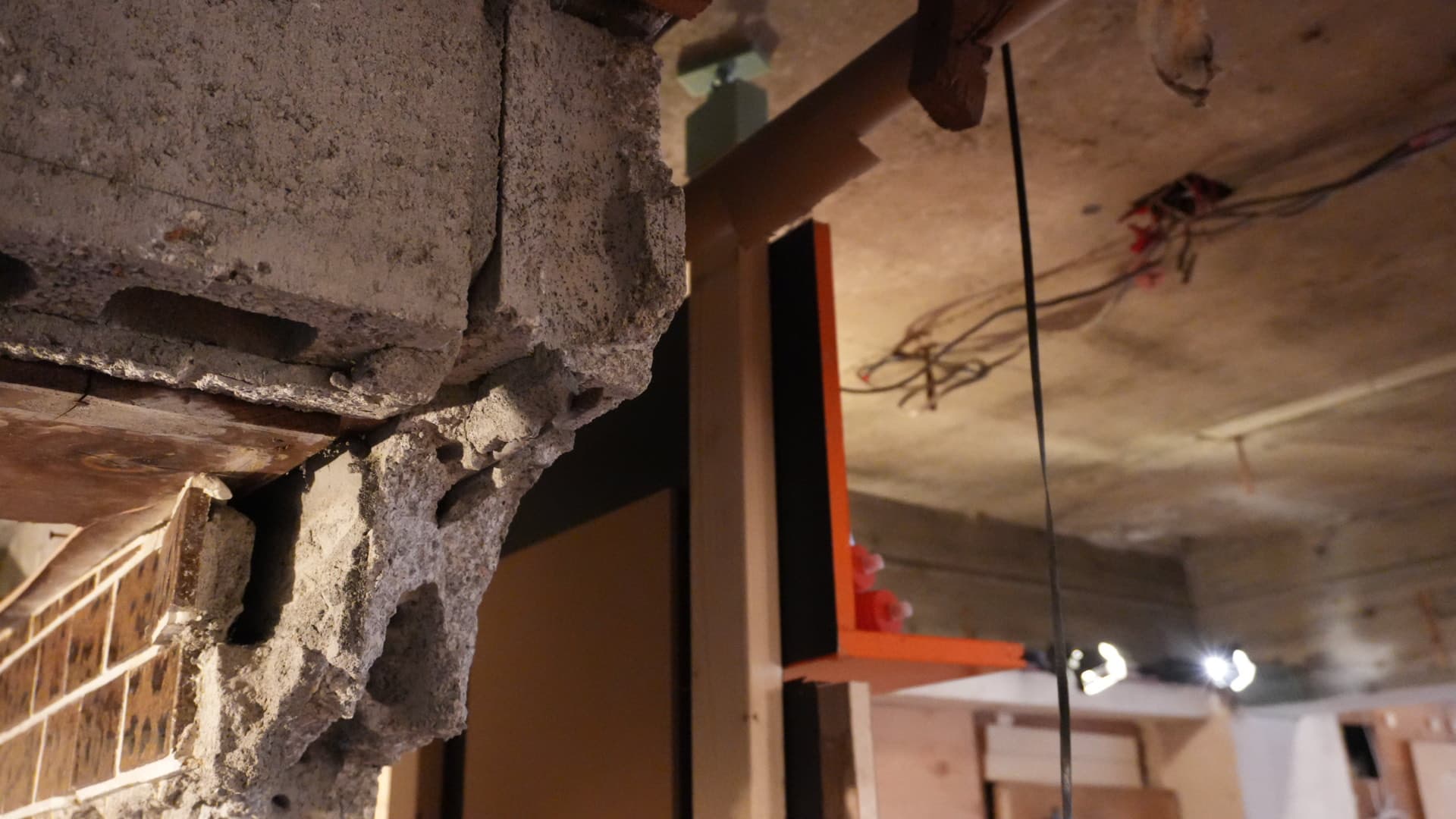
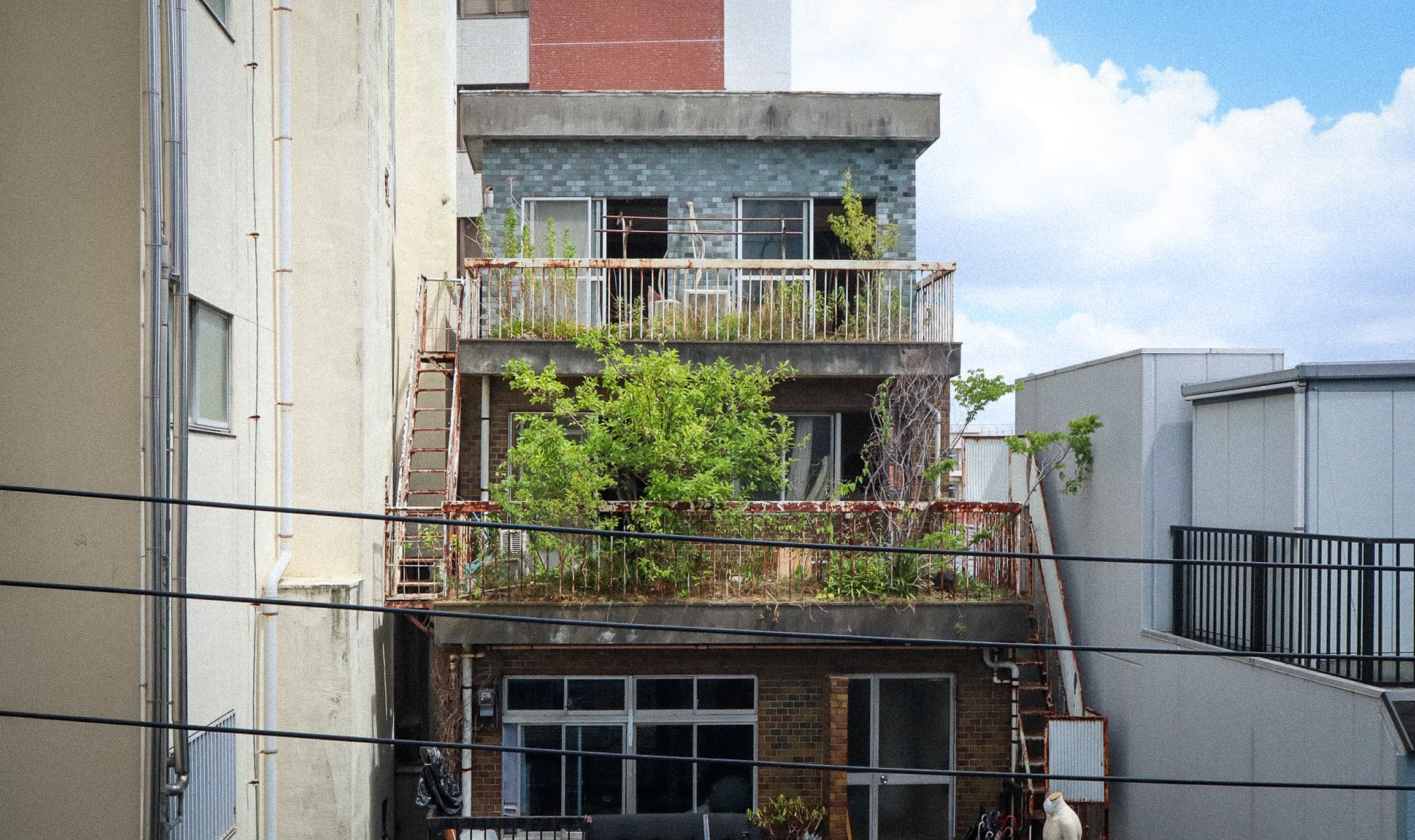
FIG.1
The phrase “temporary marriage” really stuck with me.
People leave the company they joined right out of college within three years. They gather all the furniture for their new home on Jimoty, and when they move out, they give it away on Jimoty. While dating apps have drastically lowered the barrier to meeting new people, they’ve also led to an increase in one-time flings.Relationships built over a long period of time, as was once common, have become rare, and everything—from workplaces to possessions to human relationships—is becoming increasingly fluid. Given this “Gen Z” trend, the concept of “provisional marriage” discussed in the broader debate might, at first glance, sound very cold and fleeting.It’s easy to imagine this being interpreted as a cynical attitude among young people who find it difficult to build long-term, trusting relationships, and to anticipate criticism along the lines of, “Can’t you swear to love each other for life?”
However, the image of “provisional marriage” in this discussion was, rather, a perspective that accepts the fact that oneself, one’s partner, and society itself can all change easily, and by engaging with the relationship at hand, finds a fleeting sense of permanence—even if only in this moment.Precisely because we know that everything will change due to society’s relentless currents—regardless of our own or our partner’s willpower or resolve—we promise not to “remain unchanged forever,” but rather to “be sincere right now, no matter when things may change.” We are not fleeing into selective “temporariness,” but rather resisting inevitable “temporariness.”
When I first wrote this statement of intent, I was thinking about the value created by treating architecture as provisional.I wondered if choosing “temporariness” might allow us to use space more freely and lightly. In fact, in related projects, systems that could not previously be incorporated into conventional architectural processes—such as off-grid water circulation systems and the temporary storage and reuse of recycled materials—have been realized.However, as the pace of change accelerates and society begins to function on the premise of temporariness rather than permanence, might architecture instead teach us a methodology for “resisting temporariness”?
The costs and energy required to create something or build relationships are becoming infinitesimally small, and their lifespans are shortening accordingly. Compared to the era when each sheet of paper was printed individually, graphic designs for the web can now be generated and replicated almost instantly; once an event is over, not even a trace of that data remains on the walls of a room.Business models, brands, and applications are no different: the speed of creation and the barriers to entry are shrinking, and their provisional nature is increasing. In comparison, I realized that there are still many troublesome and tedious aspects remaining in the process of creating architecture. And that “tediousness” also served as a perspective through which to reaffirm the significance and influence of creation.
For example, the fact that it cannot be created without investing an immense amount of time. Precisely because we’re dealing with physical objects, we can’t simply “copy and paste,” nor does “Ctrl+Z” (Undo) work.Since what a single person can do is limited, we must collaborate to create. Because the process of creating something that requires such an investment of time and effort is long and substantial, it has already fostered many connections and a deep sense of attachment by the time it is completed.
Or, the fact that disposing of what we’ve created carries a significant “responsibility.” Precisely because we cannot simply erase it with the Delete key, someone must take on the responsibility of bringing what we’ve created to an end. This awareness of responsibility, in turn, fosters a sense of responsibility and ethics in the act of creation.
Provisionality is not something we choose; it is a facet of this society in which we are already entangled. For “creators,” its lightness is not only a temptation toward freedom but should also serve as an opportunity to rediscover primal sensations such as responsibility and time.
Credit
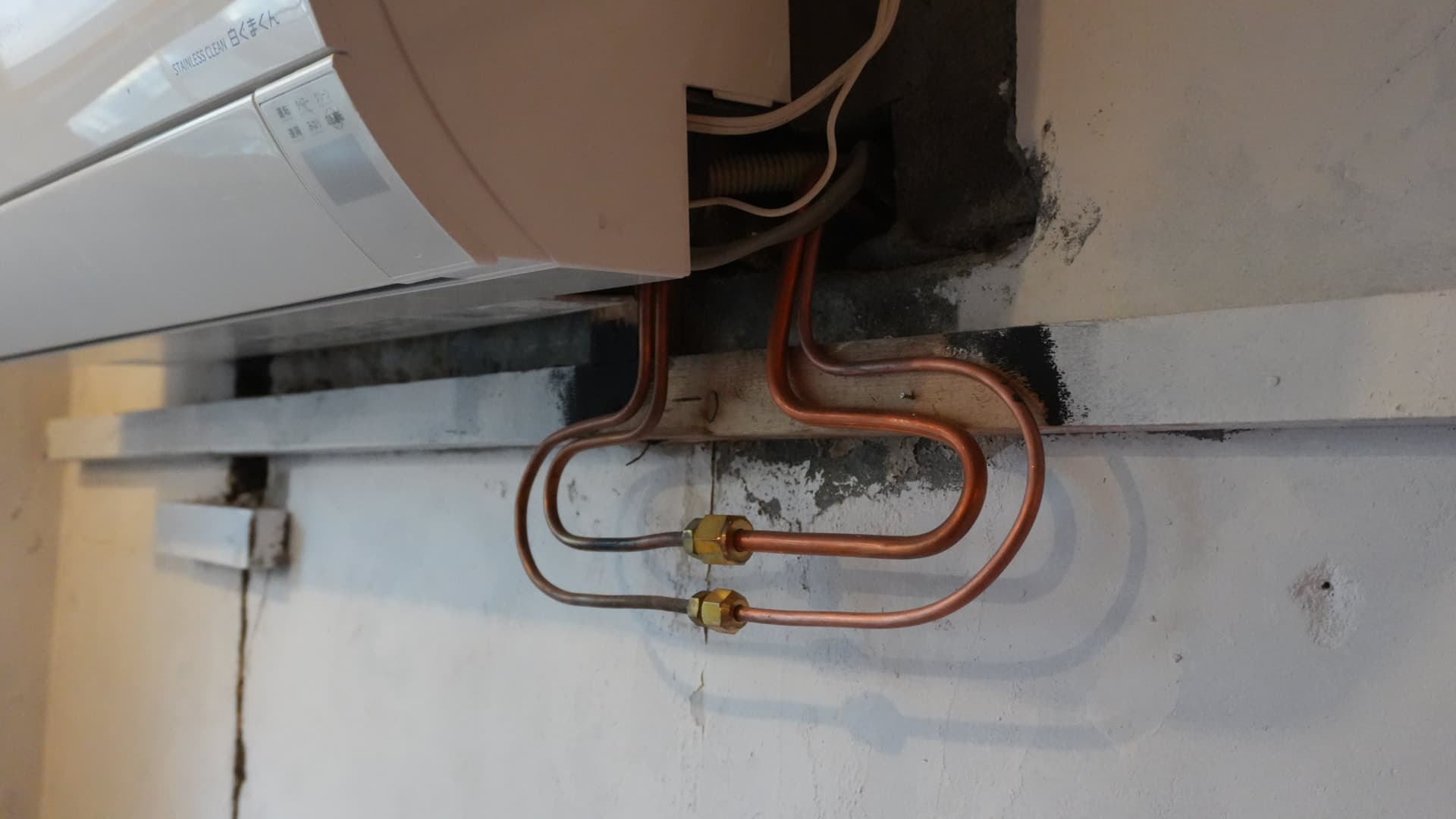
Price Tags, PVC Pipes, and Hyperobjects
Semi-Open Editorial Meeting: 'The Provisional and Residents' (二瓶雄太)
ESSAY
2026.07.01.