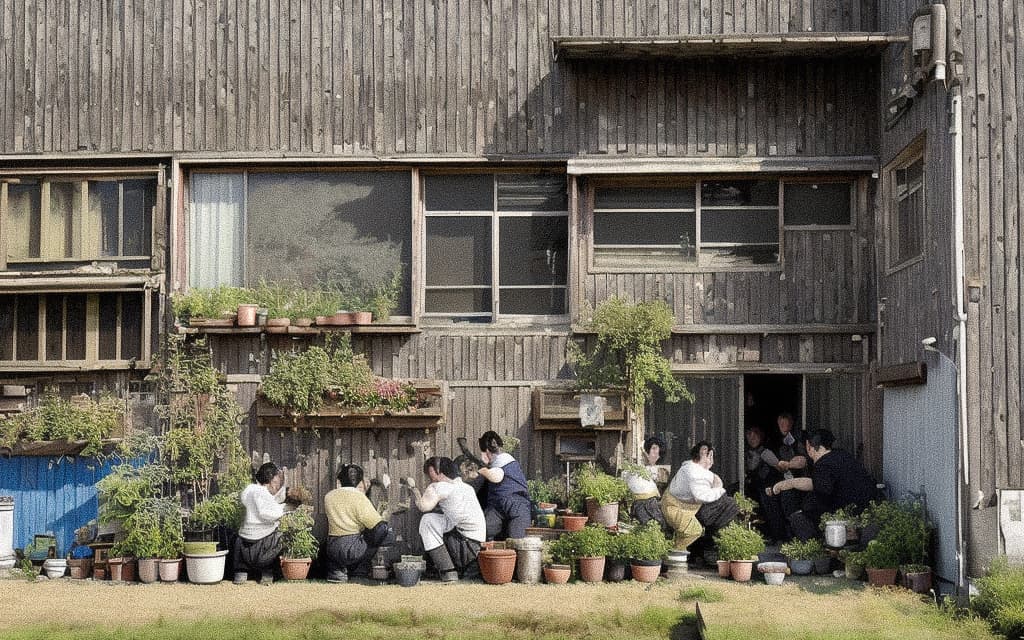
FIG.1
On April 14, 2024, the “Generative AI Ideathon: Deconstructing the Process of Creation” was held at Shibuya QWS, co-hosted by the General Incorporated Association ASIBA, SAMURAI ARCHITECTS, and and_d.The event was a great success, attracting a large number of attendees from fields beyond architecture and urban planning. We would like to extend our sincere thanks to everyone who participated.
This event marks the first installment of a series of ideathons designed to explore how generative AI influences the way we design architecture and cities, and to investigate its potential.
The event began with an overview of generative AI followed by a hands-on session.
First, the functions and use cases of ChatGPT (a text-generation AI) and Rendery (an image-generation AI) were introduced. ChatGPT enables question-and-answer sessions, dialogue, and text generation, while Rendery can generate images from text or change the style of existing images.
This was followed by a hands-on session where participants got to experience generative AI firsthand. Using Rendery, they generated images from text descriptions and created new images based on a combination of text and existing images. They also used ChatGPT to generate poems, which they then revised and expanded upon themselves to create interesting poems.Furthermore, a challenge was held in which participants had ChatGPT write p5.js code and then used that code to create drawings and videos.
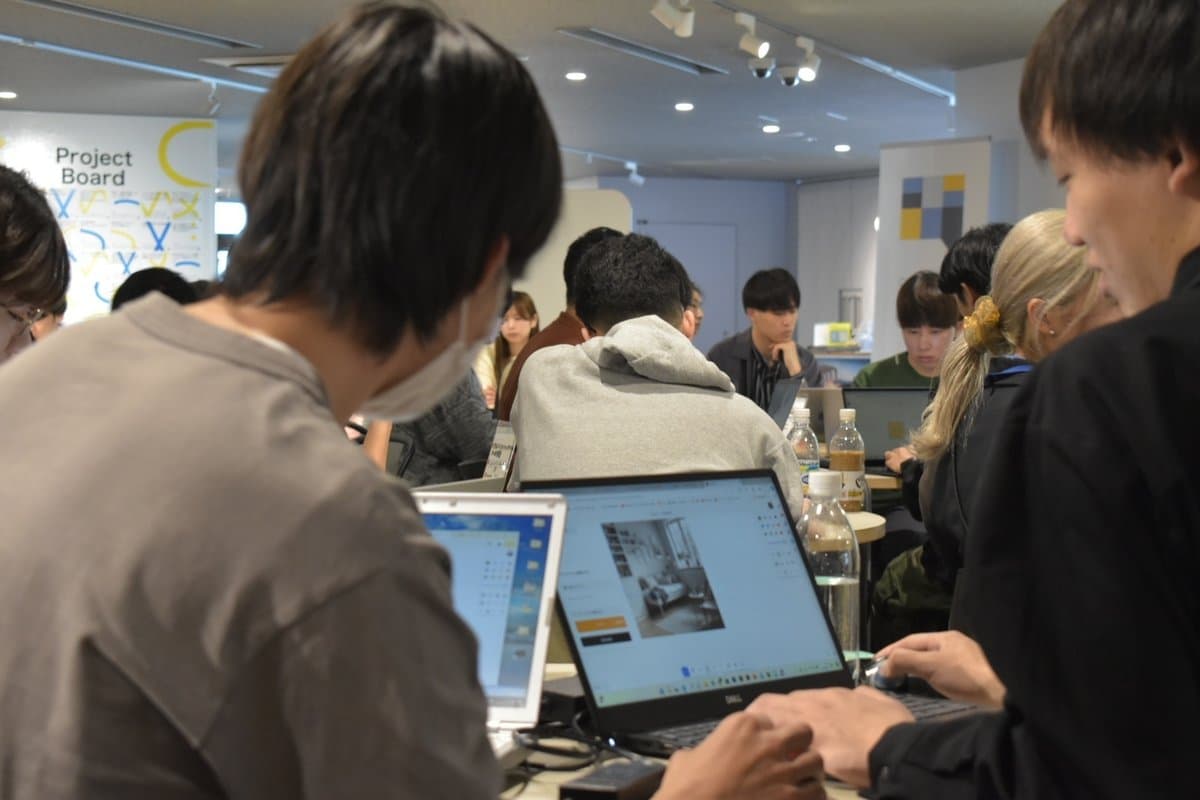
FIG.2
In this way, the hands-on session allowed participants to experience firsthand the capabilities of generative AI, which can produce everything from text to images and programming code. It also offered a glimpse into the transformative potential that generative AI holds for the fields of architecture and urban planning.
Following the hands-on session, a panel discussion was held on the theme of “Architecture × Generative AI.”
The panel featured four speakers: Mr. Umezu from and_d, Mr. Sudo from ASIBA, architect and business designer Takahiro Miyashita, and Mr. Toshiki Kato from SAMURAI ARCHITECTS (moderator).
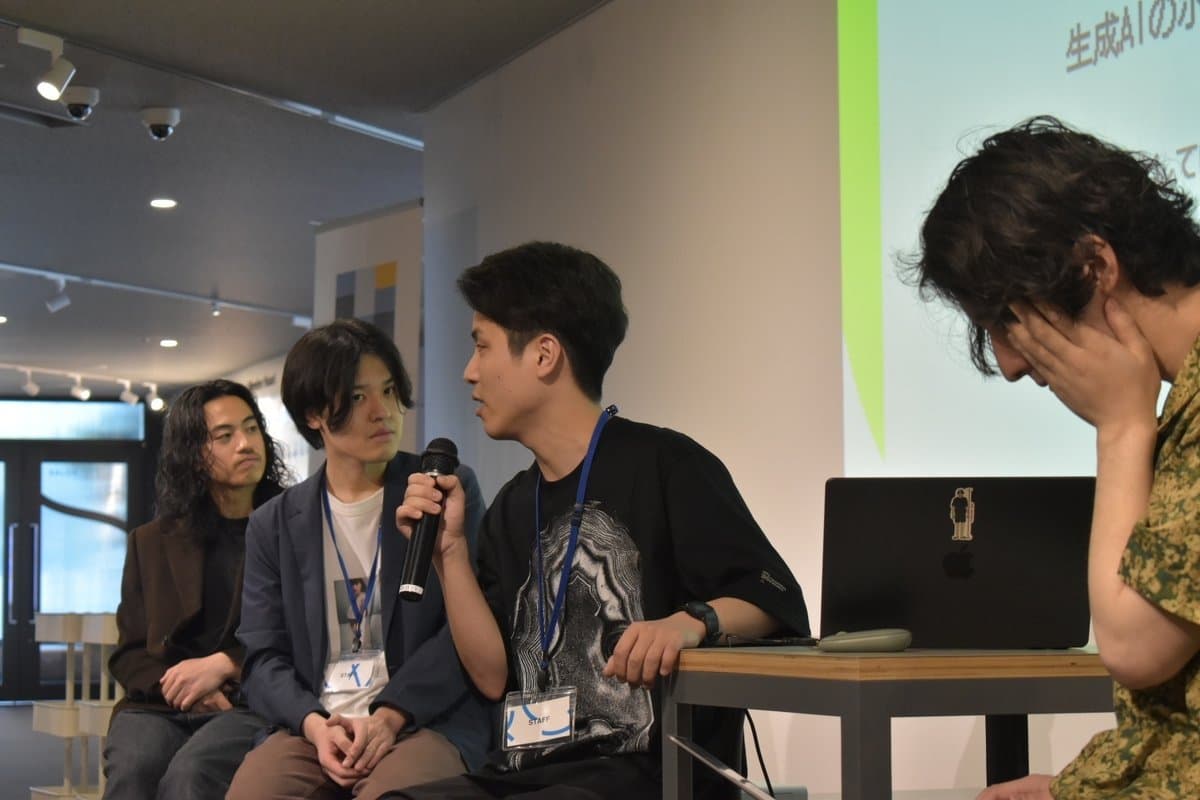
FIG.3
They discussed how generative AI could be integrated into the architectural design process and what innovative changes this might bring to the structure and function of cities. The firsthand accounts from those who are actually using generative AI to advance projects or provide services were extremely valuable.
In particular, the following remarks left a strong impression: “Rather than focusing on how to fit tools like generative AI into the present, we must question the status quo and consider how to change the present”; “We create ‘Kachi’—neither ‘things’ nor ‘events’”; and “Both creating architecture and fostering innovation change the landscape of the world.”
Lively discussions took place on topics such as how to utilize generative AI in the architectural process and what new possibilities it offers. It served as a meaningful forum for considering a new relationship between architecture and generative AI.
After the panel discussion, participants formed groups with people whose areas of interest aligned with their own. They were divided into a total of eight groups to conduct an ideathon. Within each group, enthusiastic discussions took place regarding new approaches to architecture and urban planning utilizing generative AI.
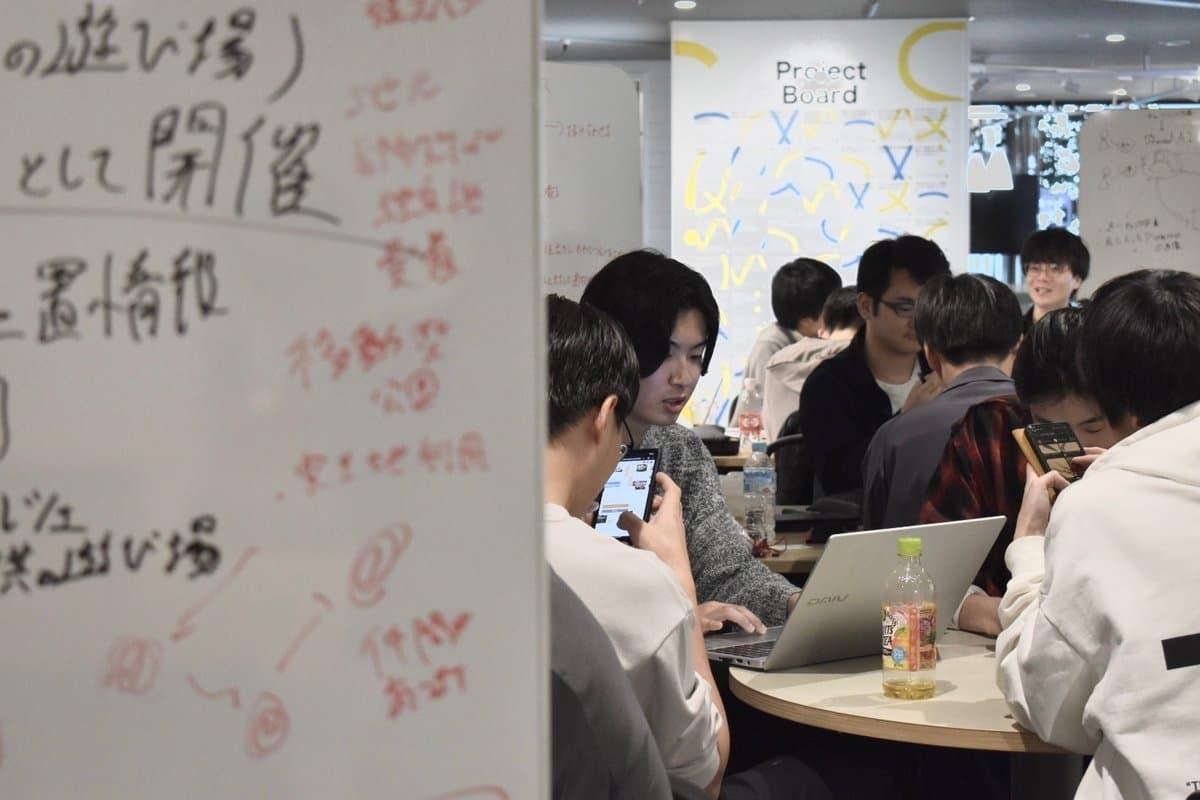
FIG.4
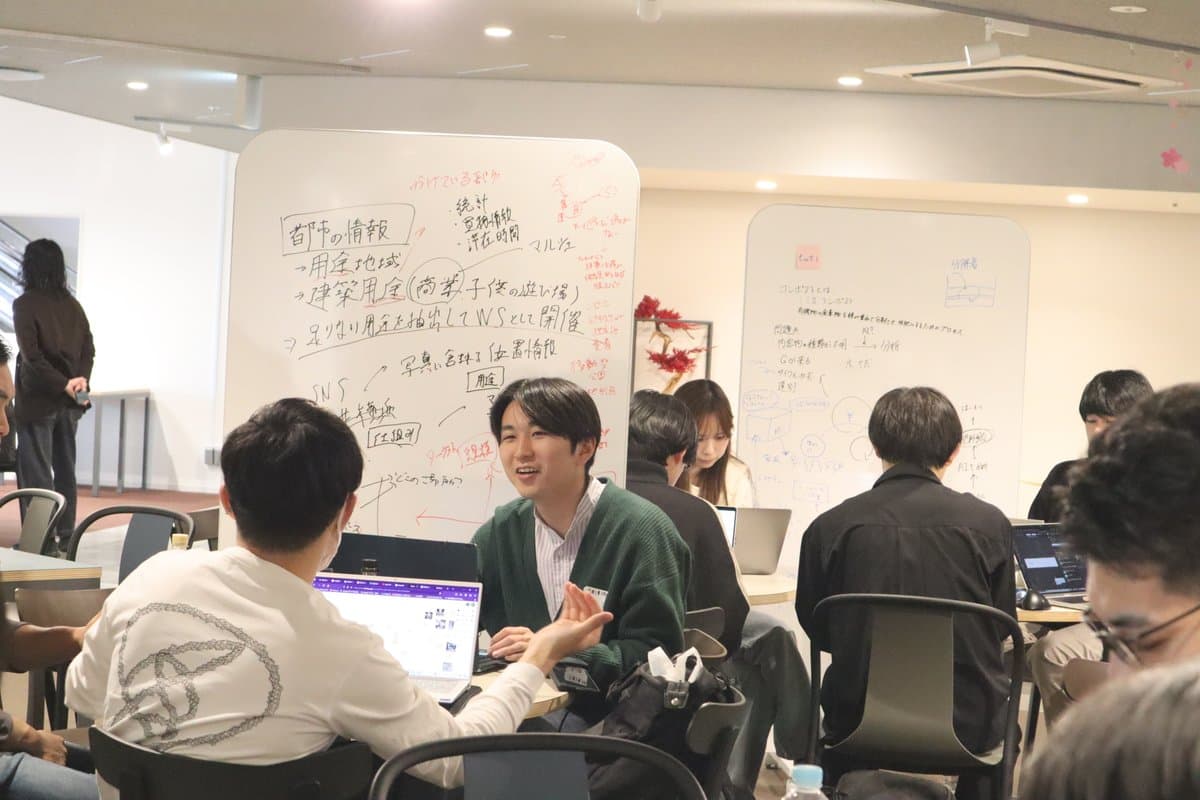
FIG.5
The specific themes set by each group are as follows:
Ideas born from “curiosity” and “wild imagination” gradually took shape through group work. It was evident that a series of original proposals—paving the way for the future of architecture and cities while maximizing the strengths of generative AI—were emerging one after another.
As the culmination of a three-and-a-half-hour ideathon, each group presented the proposals they had developed.
For the presentations, we welcomed Shuta Takagi (Shuta Takagi Office, LLC), Takaka Nakajima (Photraction Co., Ltd.), Takumi Miyashita (Architect and Business Designer), and Shoichiro Nunoi (NOI STUDIO) as guest speakers, who provided comments and asked questions regarding each proposal.
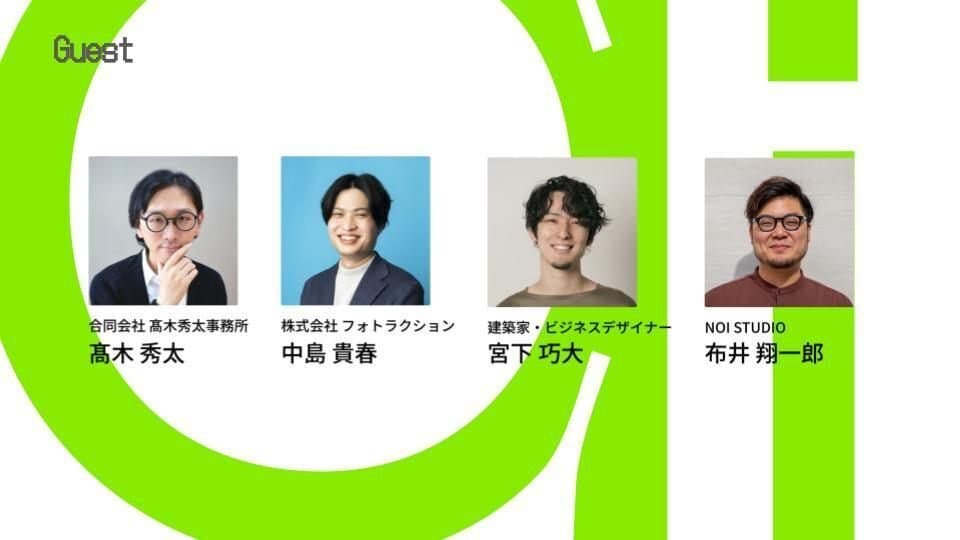
FIG.6
Finally, the Takagi Award, Nakajima Award, Miyashita Award, and Fui Award were presented to the outstanding proposals. A commemorative photo was taken after the awards ceremony!
Supporting Urban Farmers Starting with “Soil Preparation” ~Food Waste Composting Project~
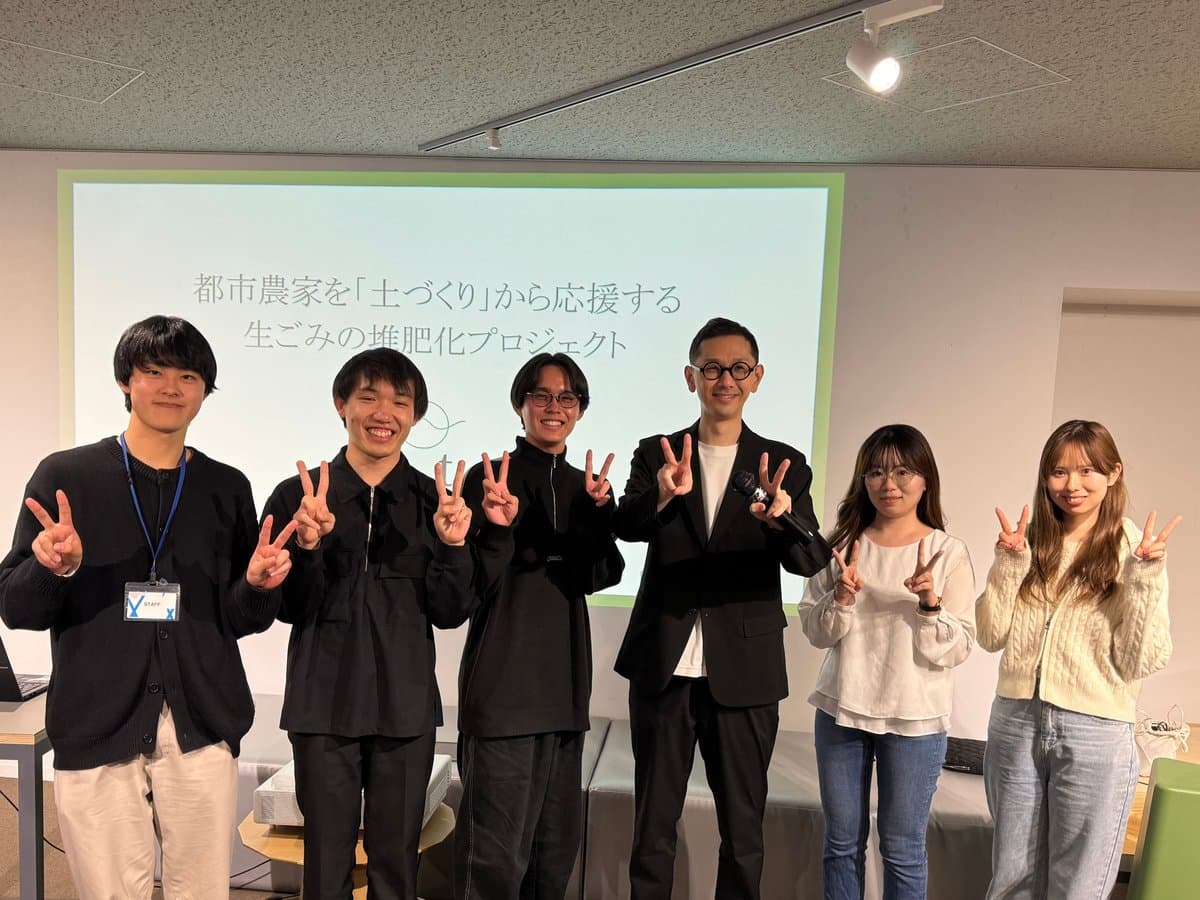
FIG.7
Creating a Neighborhood for Immigrants Based on “Authenticity”
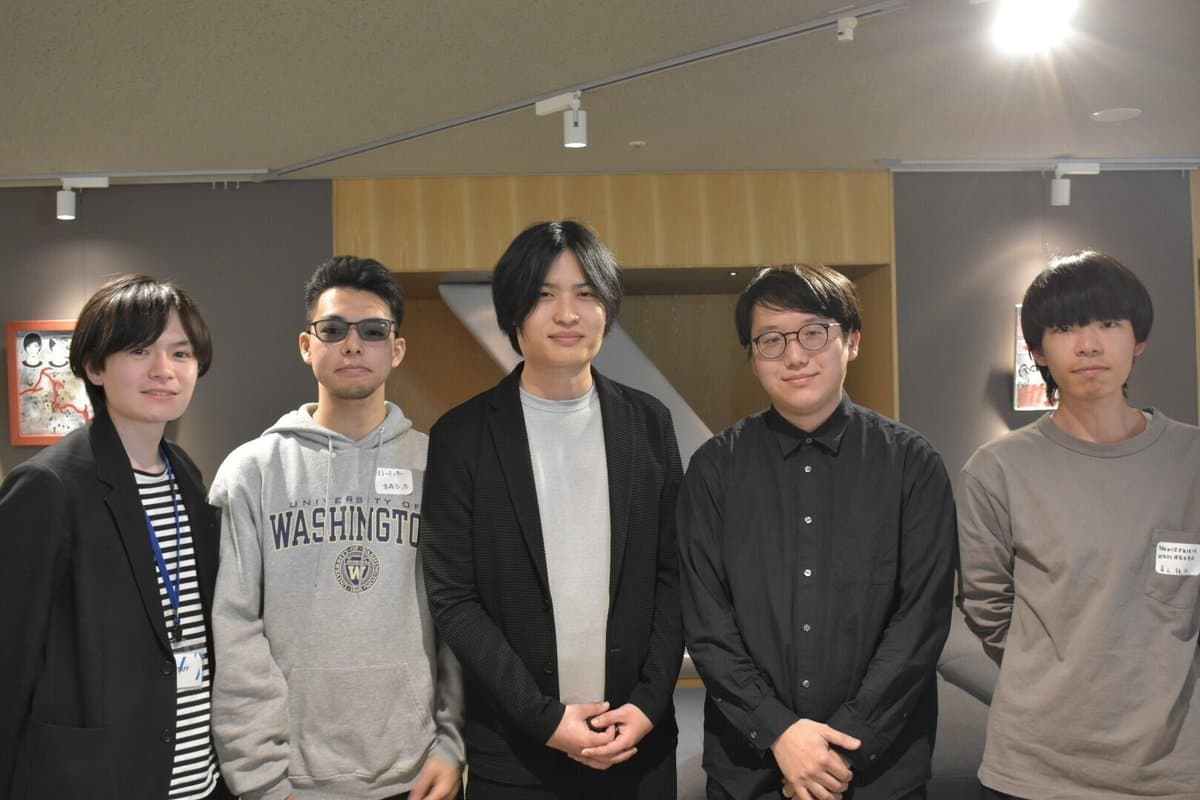
FIG.8
Sustainable Clothing Design
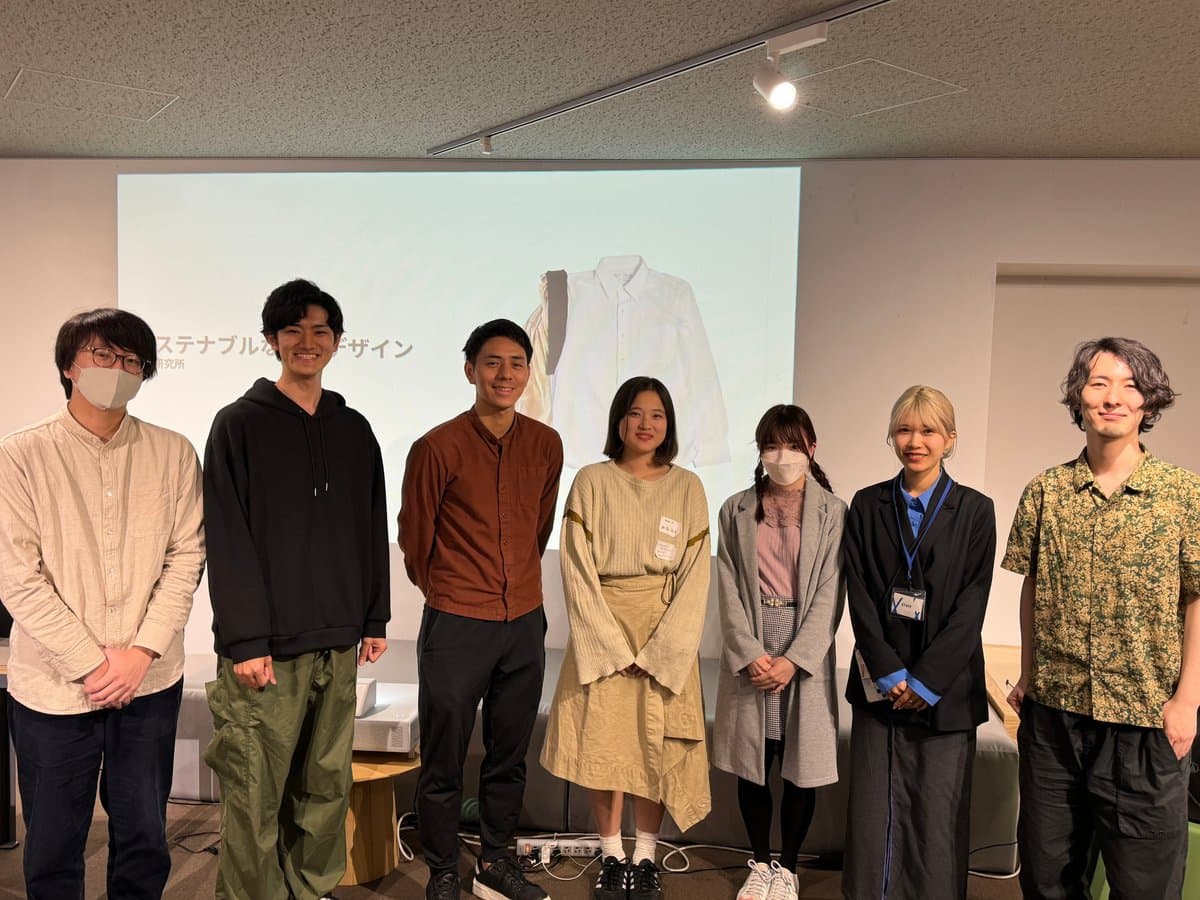
FIG.9
20xx Shikoku Grand Renovation Plan
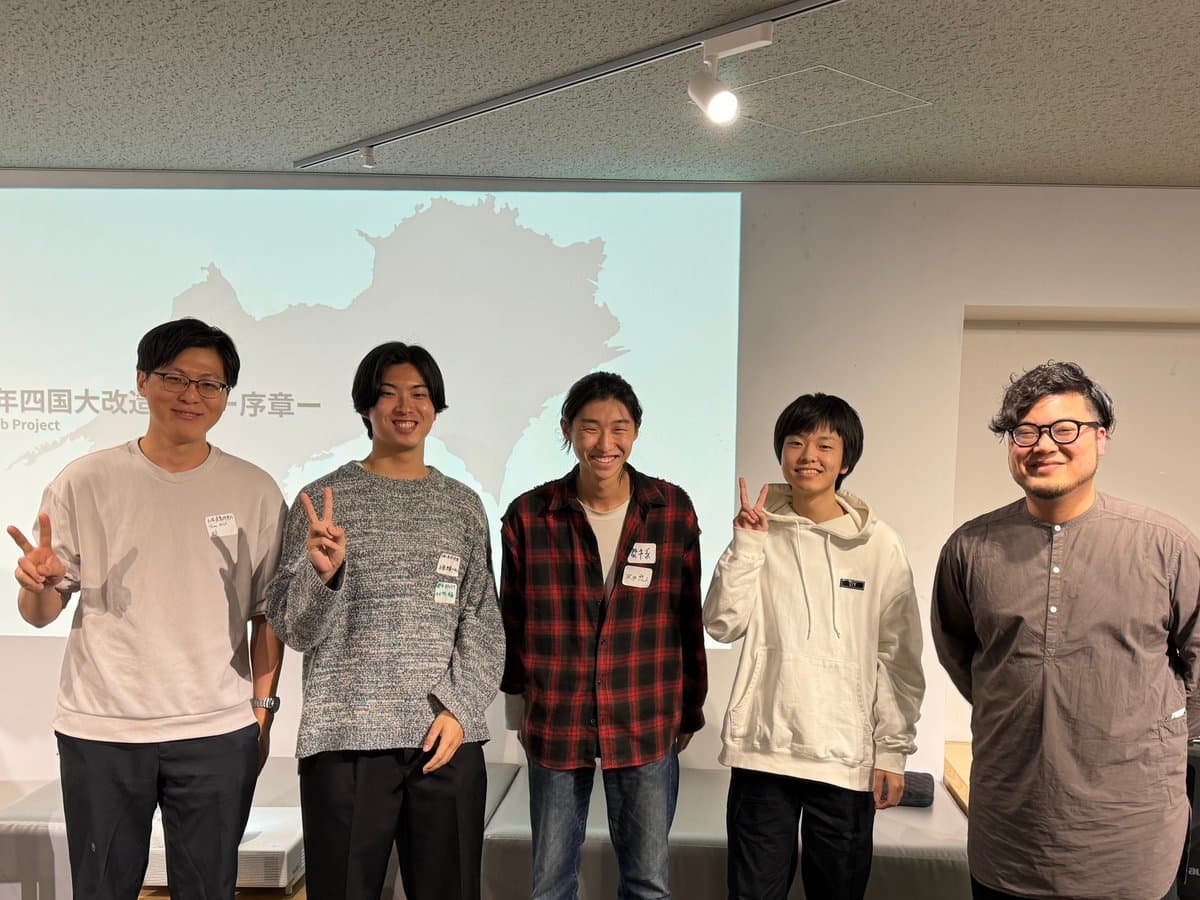
FIG.10
In addition, some participants were selected to join the ASIBA Incubation Program. We, the ASIBA management team, are committed to creating an environment where participants can actually implement their ideas and take on new challenges in the real world.
Through this event, I believe we demonstrated the potential for generative AI to bring about significant transformation in the fields of architecture and urban planning.To ensure that ideas don’t end as mere proposals but are put into practice, we also provided opportunities for participants to network with one another. While this workshop has now concluded, we hope that those who participated will use this experience as a starting point to develop an interest in generative AI, continue to envision the future through discussion with one another, and actively implement these ideas in society! A heartfelt thank you to everyone who participated!
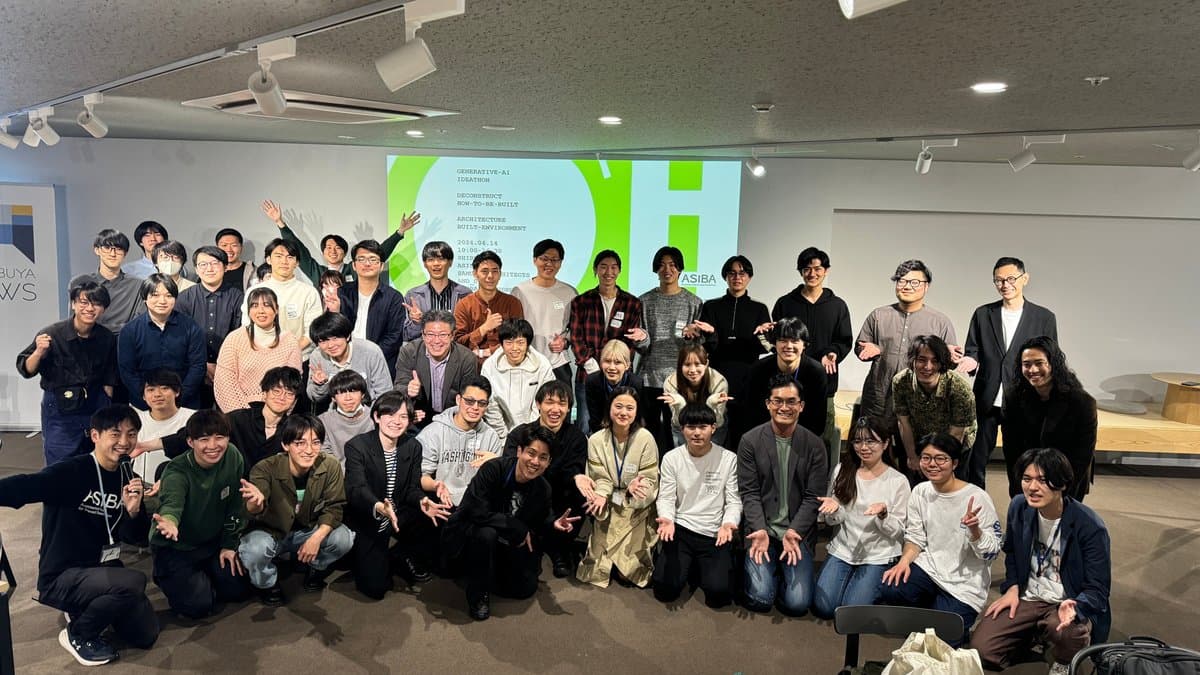
FIG.11