Practice of Unsettlement #1
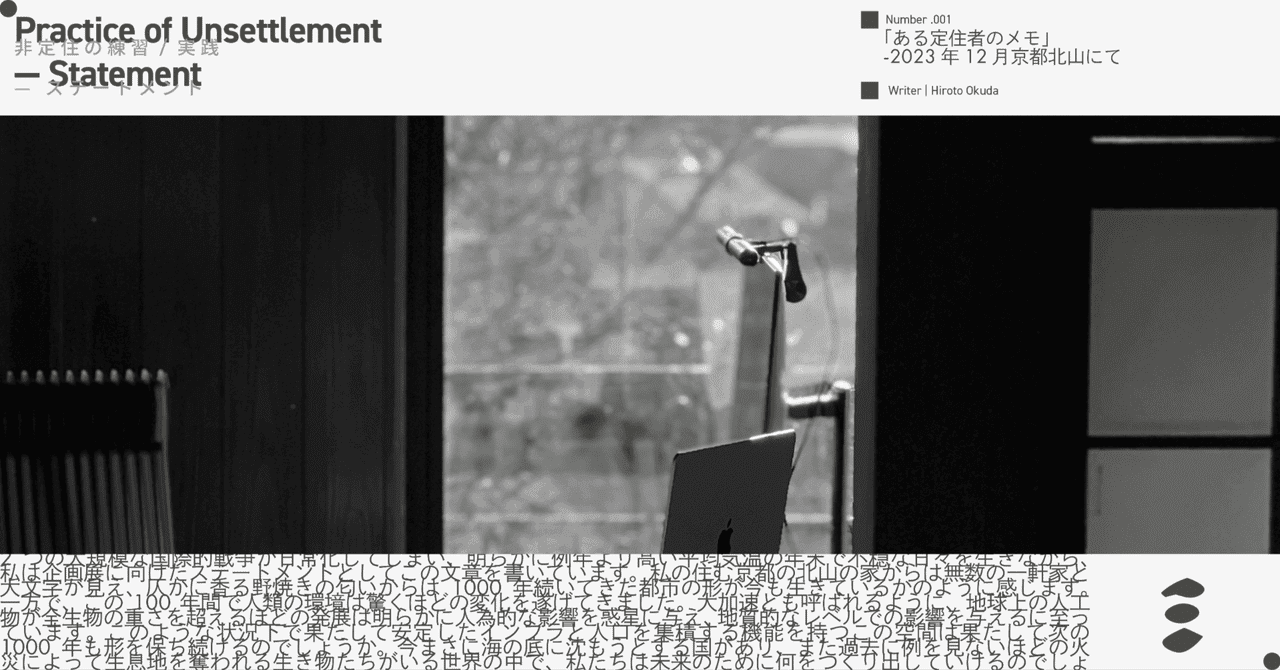
FIG.1
As two large-scale international wars have become a part of daily life, and as I navigate these unsettling days at the end of a year marked by average temperatures clearly higher than usual, I am writing this text as a statement for an upcoming exhibition.
From my home in Kyoto’s Kitayama neighborhood, I can see countless single-family homes and the “Daimonji” character; the faint scent of field burning makes me feel as though the city’s form—which has persisted for 1,000 years—is still very much alive.
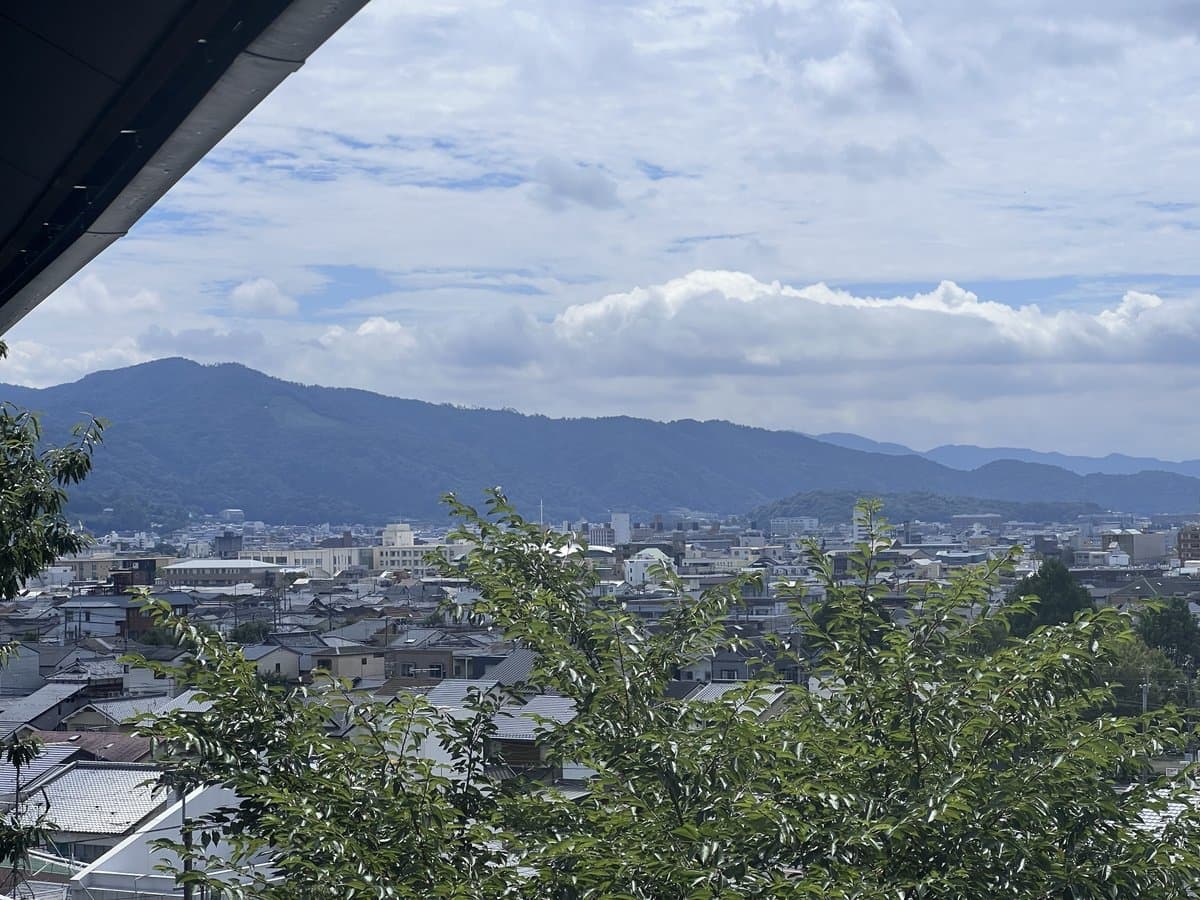
FIG.2
At the same time, humanity’s environment has undergone astonishing changes over the past 100 years. As is often referred to as the “Great Acceleration,” the development of human-made objects on Earth—to the point where their total mass now exceeds that of all living organisms—has clearly imposed anthropogenic impacts on the planet, extending to the geological level.
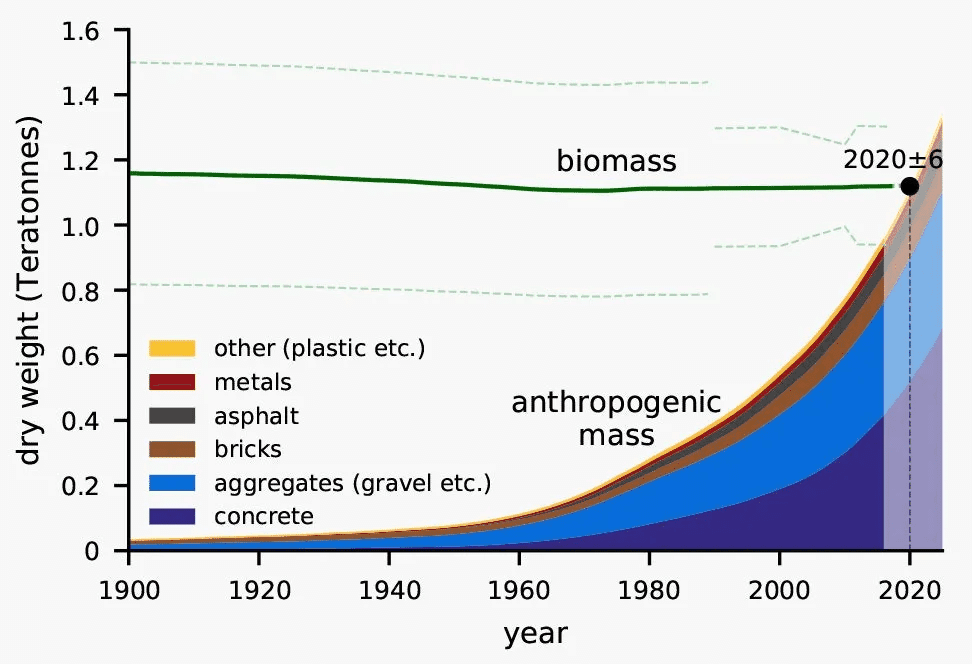
FIG.3
Under these circumstances, will this space—with its stable infrastructure and capacity to concentrate populations—truly maintain its form for the next 1,000 years? In a world where some nations are on the verge of sinking to the ocean floor and where creatures are losing their habitats to fires of unprecedented scale, what can we create for the future?
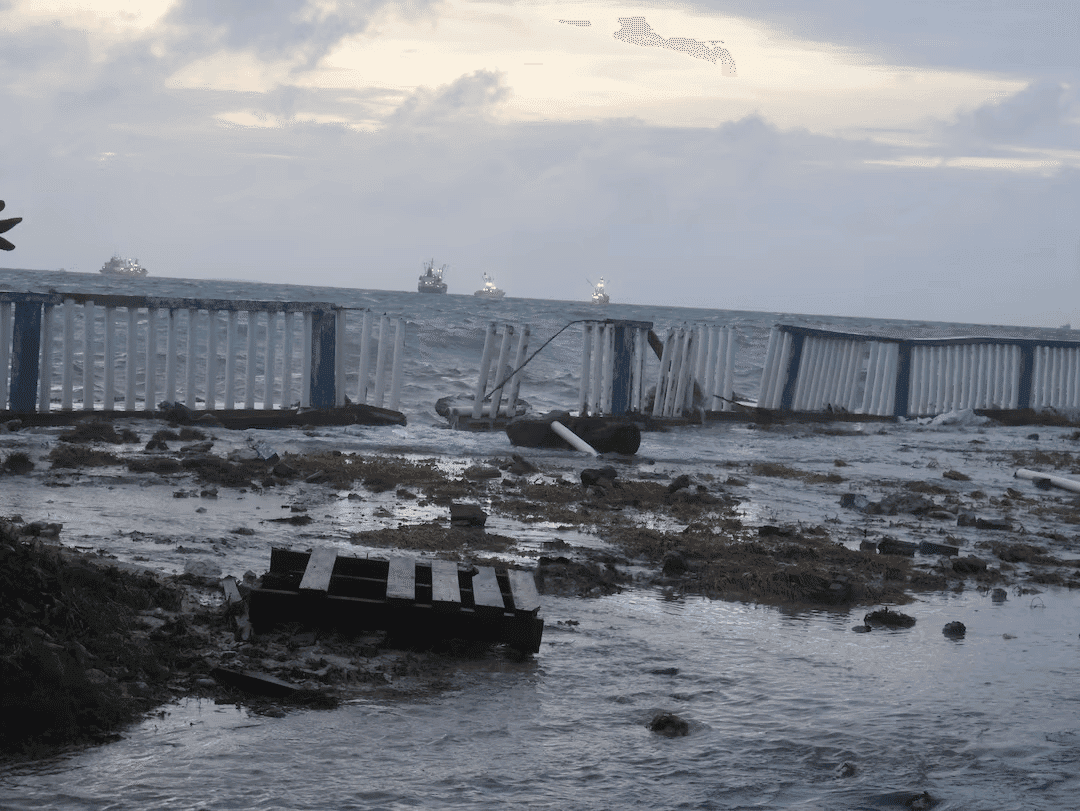
FIG.4
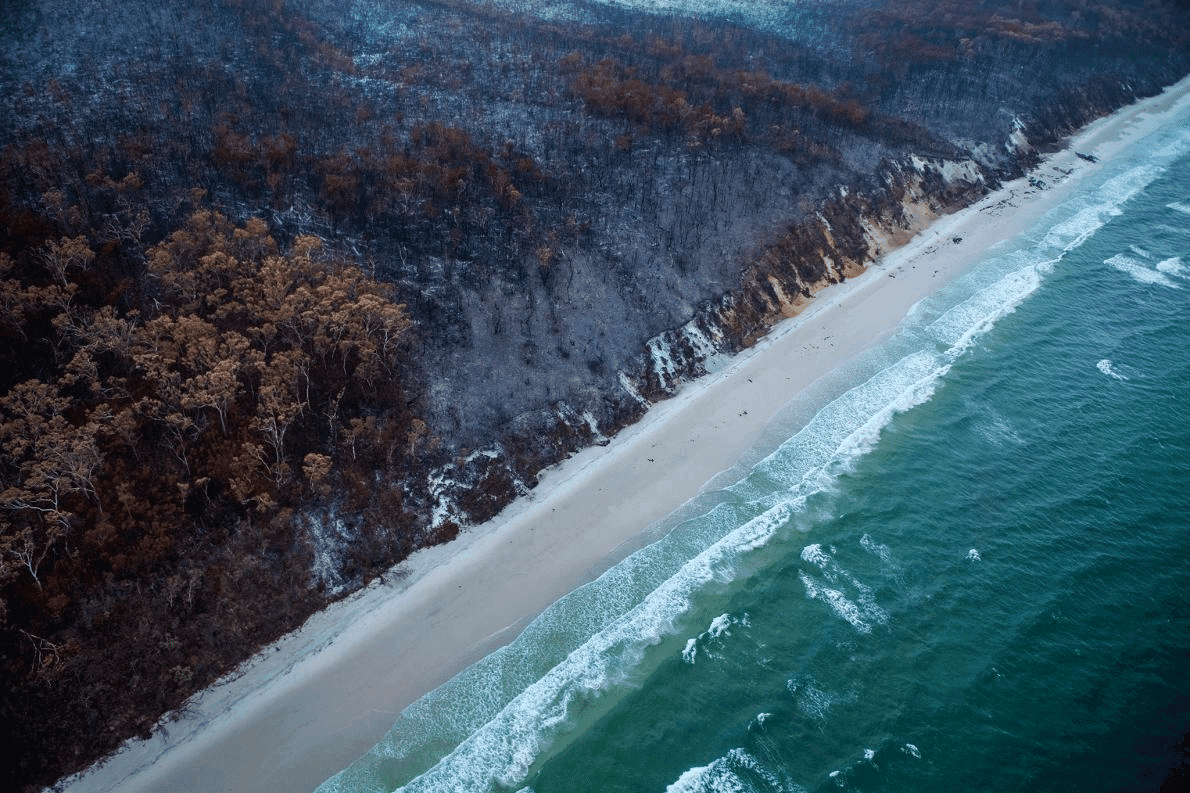
FIG.5
The unfamiliar term “non-residence” emerged from a conversation about how to translate “Unsettlement” while working on the Japanese translation of Arturo Escobar’s *Design for a Multiverse*. Tony Fry, who runs the “Studio of the Edge of the World” on the Australian island of Tasmania, has been using this term since his 2011 publication. This term points out that the developmental models of human settlement and urbanization—which have continued to evolve since the Holocene—are fundamentally unsustainable. In fact, the massive floods that struck Pakistan in 2022 submerged many habitable areas, threatening the survival of numerous people and living creatures.
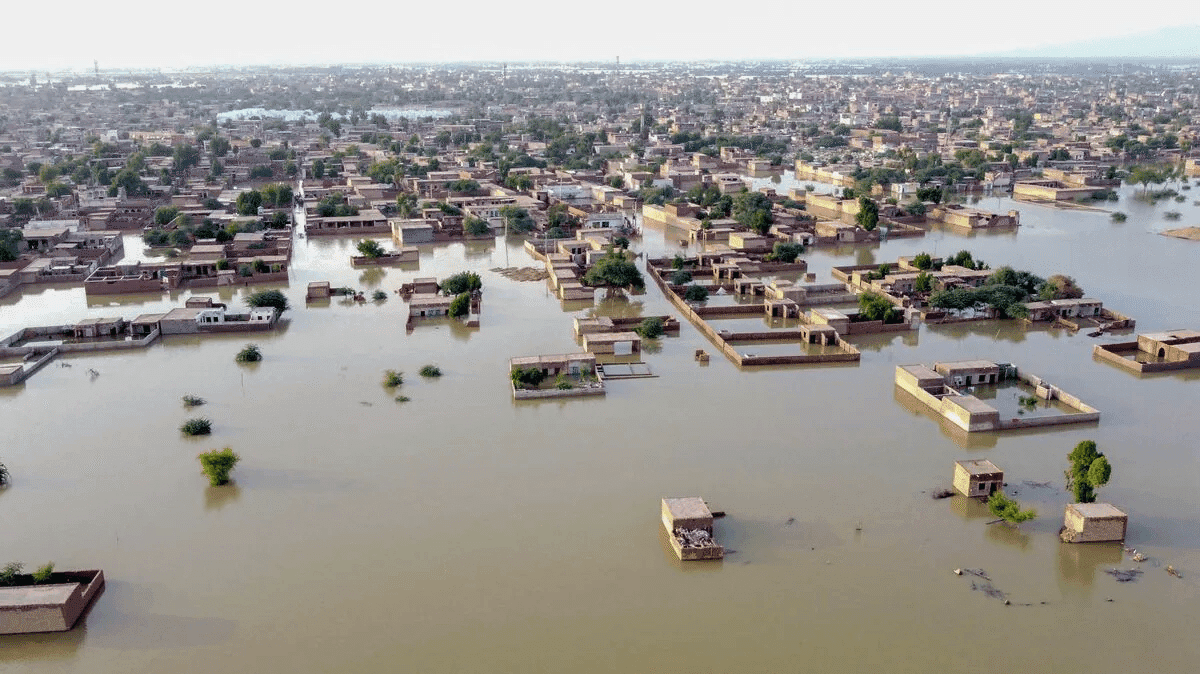
FIG.6
As is commonly noted, while the damage caused by climate change is a global issue, its impact is not necessarily distributed equally. Rather, the reality is that the most severe damage is occurring precisely in economically vulnerable countries and regions with inadequate infrastructure. Fry expresses concern that the normalization of such conditions will spark a scramble for food and energy, ultimately leading to war. He calls for a shift away from urban concentration and population reproduction, urging us to invent new ways of living that will allow us to survive in a world where permanent settlement is no longer possible. For those of us who have experienced the COVID-19 pandemic and the soaring energy prices triggered by the Russia-Ukraine war, such discourse is by no means an unrealistic prophecy.
For us living on a world and planet that has taken on this form, the act of designing is shifting away from progress driven by unlimited resources toward “considering how we can live together” within the constraints of finite resources and geopolitical conditions. This exhibition positions the fields of design, architecture, information, and ecology as the foundation for supporting such endeavors, with the aim of presenting exercises and practices that explore forms of habitation other than settlement.
These fields have become indispensable elements in shaping the living spaces, tools, and infrastructure that constitute urban settlements.Escobar, mentioned at the beginning, draws on Fry’s arguments to criticize how the elements that shape our way of life—such as design, politics, education, and information and communication technology—promote development based on modern dualism and destroy the relationships underlying the environment. In his design for a pluralistic world, Escobar frequently elaborates on how Western modes of architecture and living spaces sever our lives from interdependence.For example, he compares American suburban housing with the “maloca” (a communal dwelling found in Colombia and elsewhere) and states that human interdependence with the environment would change depending on which one one inhabits. One of the key concepts linking Escobar and Fry is “ontological metro-fitting.”
Ontological metro-fitting refers to deconstructing the ontology (the philosophical discussion of what something is) that has shaped modern cities and reshaping cities into forms of habitation that nurture life and are relational and sustainable.For Escobar, creating a “multi-world” (a single world with many cultures) means ensuring the sustainability of the planet itself—a place where not only humans but also living organisms and the natural environment can thrive simultaneously. In this article, Escobar presents 17 (that’s a lot!) propositions regarding design practices from, within, and for the multi-world.
Multiversal design practice means: 1. Designing with/alongside/from many worlds, based on the active recognition that constructing the world on the premise of ontological separation negates the possibility that ontologically different things can exist and thrive. 2. It means designing relationally—that is, based on the premise that life is constituted by the radical interdependence of all that exists. 3. It places modern concepts such as representation, objects, and projects in parentheses, opening up the possibility of non-representational, non-object-centered, and non-project-based design practices. 4. It involves working to reconstruct, heal, and care for the web of interrelationships that constitute the bodies, places, cities, and landscapes in which we exist and dwell. 5. It involves being mindful of the conditions of generalized individualization, delocalization, de-communitarization, and de-placization brought about by modern forces, including urbanism and urban planning.Conversely, we contribute to the re-communitarization of social life and the re-localization of activities such as eating (as opposed to “food”), healing (as opposed to “health”), learning (as opposed to “education”), dwelling (as opposed to “housing”), and making a living (as opposed to “economics”). 6. It aims to heal the ontology that has been uprooted from the body, place, and landscape. 7. It means regaining the ability to shape one’s life autonomously, rather than entrusting it to institutions, experts, the state, or the capitalist economy.It involves moving away from a world centered on the dualistic concepts of “being” and “having”—that is, the historical project of objects/things—and instead supporting the historical project of relationships and dwelling in a particular place. 8. It encourages a break from anthropocentrism and seeks to identify the conditions necessary for all Earth’s living beings to thrive. It fosters a sense of familiarity with the living world and creates space to reimagine ourselves as a pluralistic world and as a community. 9. It contributes to dismantling the imperatives of masculinity at the core of modern object-centered ontology. It practices feminist and anti-racist politics that practically prioritize collective and collaborative modes of making and acting centered on care. 10. It involves taking seriously the struggles for social justice, respect for the Earth, and the rights to life and existence of both human and non-human beings. 11. It involves learning to think and create alongside those who stand up to defend the territories of life, thereby strengthening their life-making and autonomy-oriented practices. 12. It requires a renewed recognition of how the creation of conditions for life-sustaining coexistence must inevitably engage with the dominant logic of unsustainability and defuturing. 13. We must understand the need to transcend the grammar of “problems” and “solutions.”In particular, civilizational challenges such as climate change are “ontologically unframed, unthinkable, and immeasurable.” 14. We must resist translating the inexhaustible reservoir of non-representational practices into the grammar of contemporary design, and instead bring them to the forefront as examples of the relational creation of life. 15. Make the project of “re-earthing” the city a historically valid intellectual, political, and technical process, in the name of creating spaces of healing, re-communalization, and mutually reinforcing relationships with the Earth. 16. Contribute to the transition of civilization from a harmful existence to a healing one. This shift requires a great deal of work, and discovering the vast potential of acting from a place of interdependence and care will likely be a slow process. 17. As a general goal, strive to mobilize toward new ways of inhabiting the Earth.
To summarize this proposition succinctly, it means transforming the methodologies and epistemologies of design and architecture that have persisted since the Industrial Revolution, and creating non-sedentary forms of habitation together with beings, including non-human ones. While embracing this proposition, we hereby declare that we will take on the challenge of concrete practice rather than theory, and begin exercises and practices alongside all beings in preparation for the conditions of non-sedentary living that will inevitably come.
Written by: Yuzo Okuda, Poietica LLC. Last accessed for all cited articles: May 9, 2024