Community Design-LAB. Syllabus
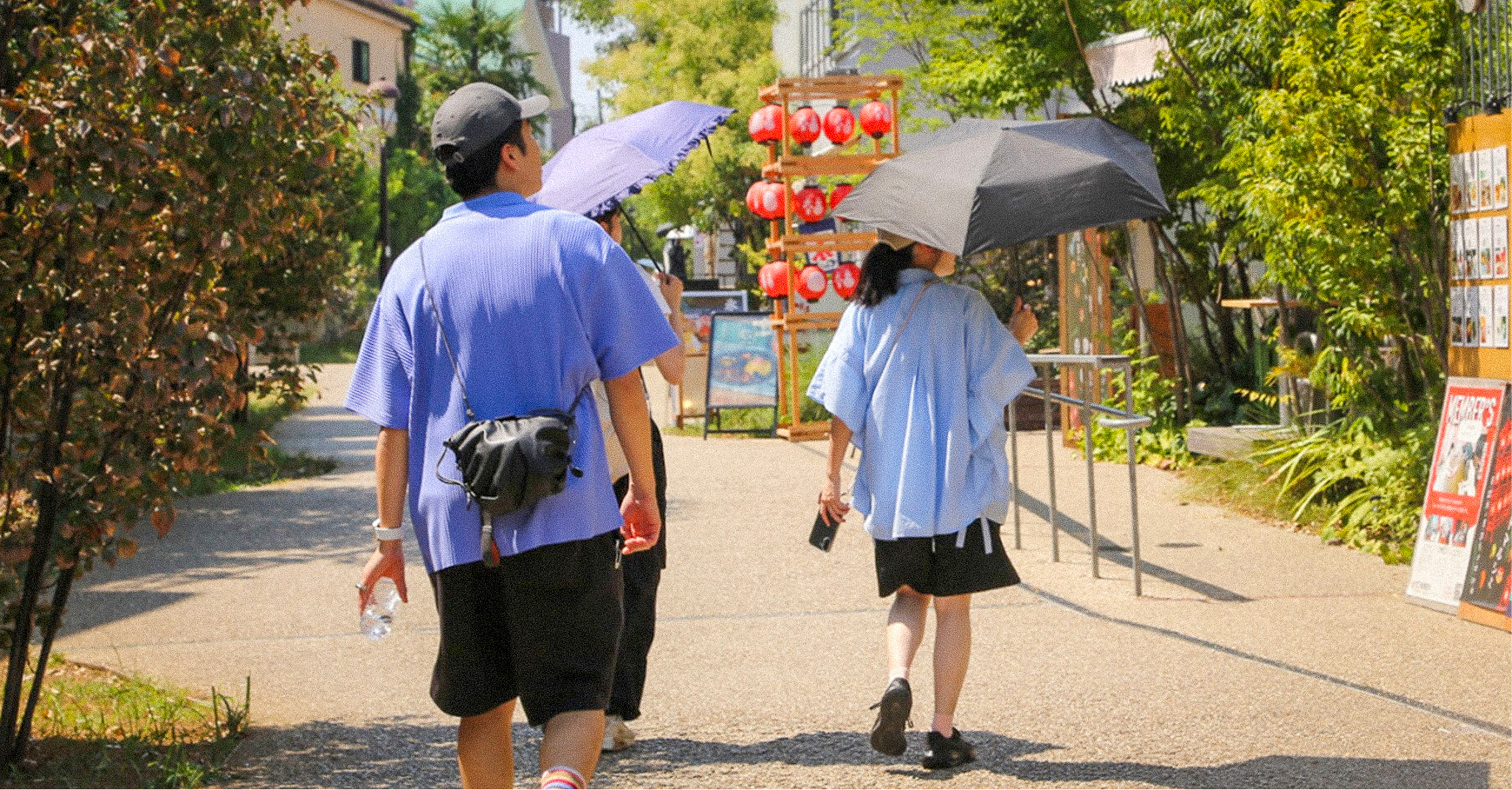
FIG.1
If you’ve opened this article, you’re probably someone who wants to create a place where people can gather.
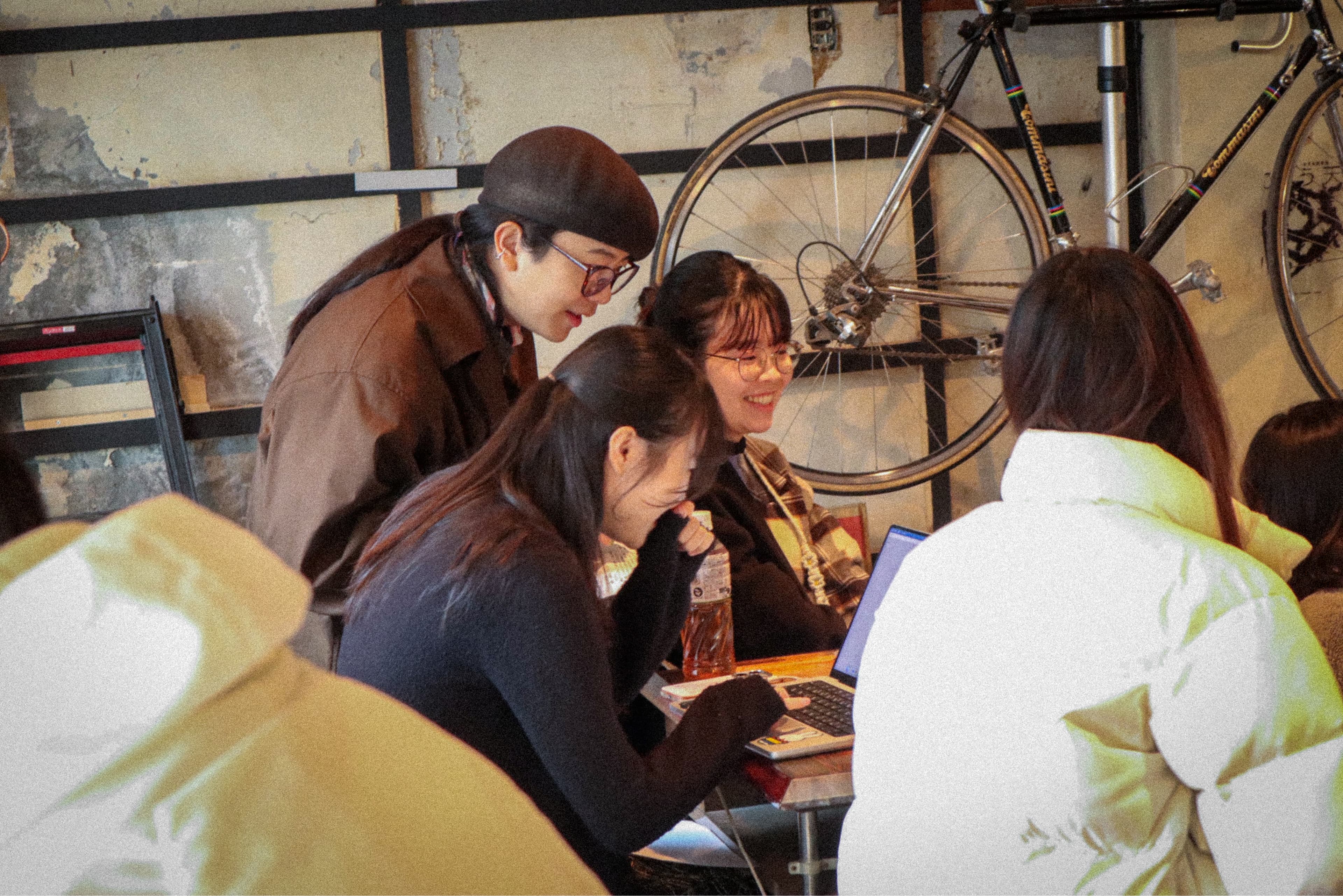
You might have a vague image in your mind—people gathering, having conversations like this, and a certain atmosphere filling the air. It’s a scene you can’t quite explain to anyone yet, but it’s definitely there.
We created this program for people who have that vision.
Nice to meet you. I’m Sho Sakamoto from the General Incorporated Association ASIBA, and I’m in charge of content and program design at Community Design-LAB.
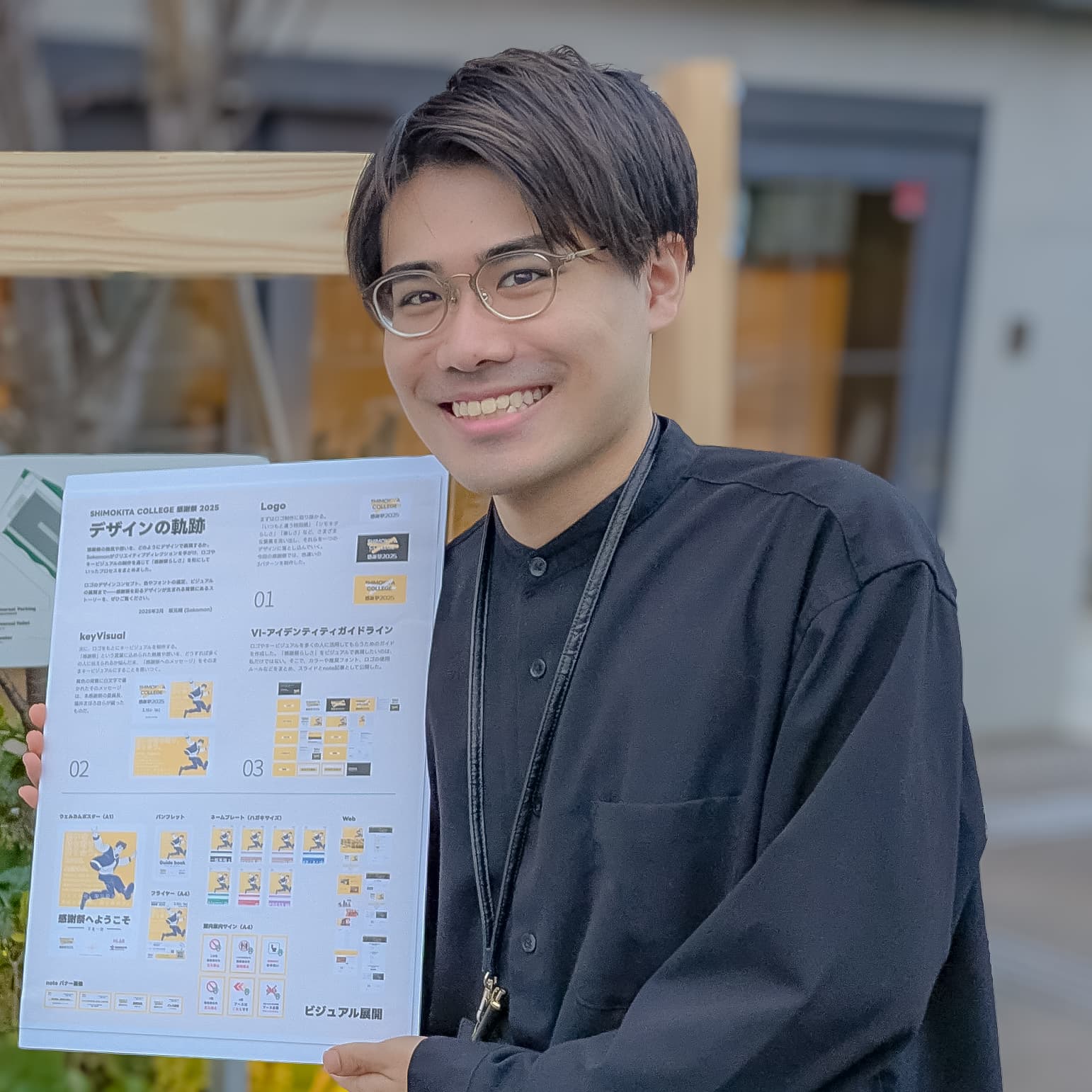
FIG.2
ASIBA is a nonprofit organization dedicated to nurturing the next generation of creators and driving creative social change. Rooted in the fields of architecture, design, and art, we bring together members who want to tackle social challenges from a creative perspective.In Kameido, Tokyo, we operate a space called YOHJOH kameido, where we continue to engage in incubation and community building as part of our own practical work. In other words, just like many of you reading this, we face the challenges of creating spaces every day and are right in the thick of it.

FIG.3
It is in this capacity that we participate as “Planning Partners” in “Community Design-LAB.,” which we operate in collaboration with the Tokyo-based NPO ETIC.
When you hear “community-themed program,” you might imagine a place where you learn the know-how of running a community: how to gather people, how to sustain it, and how to energize it. It might seem like you could learn the basics in just three months.
However, “Community Design-LAB.” is not that kind of program.
We don’t focus on methods for attracting participants, managing social media, running the space, or strategies for increasing repeat attendees. You can find all that information with a simple search. If you visit three or four successful spaces, you’ll start to see the patterns. You can learn what you need, when you need it.
What we want to refine together over the course of three months is what lies just before all that.
Why do you want to create this space? Why does today’s society need this space?
To be able to answer these questions in your own words—that is the purpose of this program.
[Statement]
At what point does a community cease to be “just yours”?
A community is like a town where people with various purposes come and go. A town isn’t the creation of just one person.
But if no one builds that first house, the town will never get started.
That’s why it’s always okay for the beginning to be personal. You don’t have to suppress your “desires,” your biases, or your particular preferences.
The problem lies beyond that. If you try too hard to be there for others, your own sense of self begins to fade. If you push only your own worldview, the space will remain nothing more than your own room. This tension probably can’t be resolved. You have no choice but to move forward while carrying it with you.
Turning a one-time “nice gathering” into a relationship that makes people want to come back. Seeing the people you invited start talking to each other behind your back. Realizing, before you know it, that someone has already taken the initiative to plan the next event.
Turning a space that began with my own questions into one shaped by everyone’s questions.
How can I build a sustainable, interesting, and engaging community starting from my own worldview?
Why don’t we spend three months
together?
When writing this statement, I likened a community to a “town.”
A community is like a town where people with various purposes come and go. A town isn’t the creation of just one person. But unless someone builds that first house, the town won’t get started.
A great town always has its own unique scenery. That scenery is formed by the layered daily lives of the countless people who live there. It wasn’t designed by any one person. That’s why it’s fascinating, and that’s why it’s unpredictable.
But if you look closely at that scenery, you’ll realize there was someone who first brought passion to the place—the person who built the very first house. The person who, in a place where there was nothing yet, decided, “I’m going to do this here.” It was because of that passion that the second house was built, and then the third.
And what’s impossible to overlook is that the people who built the second and third houses saw that first one and emulated its warmth.
You can’t build a community through orders. Telling people to “interact more” won’t create interaction, and it’s difficult to change the atmosphere just by explaining, “This is the kind of place it is.” People don’t mimic explanations; they mimic the energy they see right in front of them.
That’s precisely why the intensity of the person who served as the very first source makes all the difference.
When people interested in communities ask me for advice, I often tell them to refine their “perspective on community.”
This refers to one’s worldview regarding communities—in other words, one’s own perspective on the concept of “community” and the meaning one assigns to it. How do you perceive a community? What do you believe its purpose is? Where do you draw the line between “inside” and “outside”? It’s a well-defined interpretation that exists within each person.
Communities created by people with a clear “view of community” consistently convey a sense of philosophy and a cohesive experience.
Size doesn’t matter. Even with just five participants, there’s a consistent atmosphere in the space. You can sense what’s valued—and what isn’t—even before it’s put into words. The people there begin to behave similarly, without anyone telling them to.
Conversely, in a setting lacking a vision for community, the value of the experience remains shallow no matter how many people gather.
The event takes place. You can take photos of people gathered together. The satisfaction ratings in surveys aren’t bad either. But if you look at it objectively, can you really say a community exists when people are simply gathering and networking? The moment the organizer stops taking action, the momentum grinds to a halt.
This difference isn’t due to a lack of organizational skills.
If you break down the job of community management, you’ll find that a significant portion of it consists of a collection of general business skills: planning, facilitation, coordination, public relations, documentation, and so on. All of these can be learned or outsourced.
However, when a “community perspective” is woven into the mix, you become able to express the worldview you envision through the form of a community. I believe that’s where the true appeal of community-building lies.
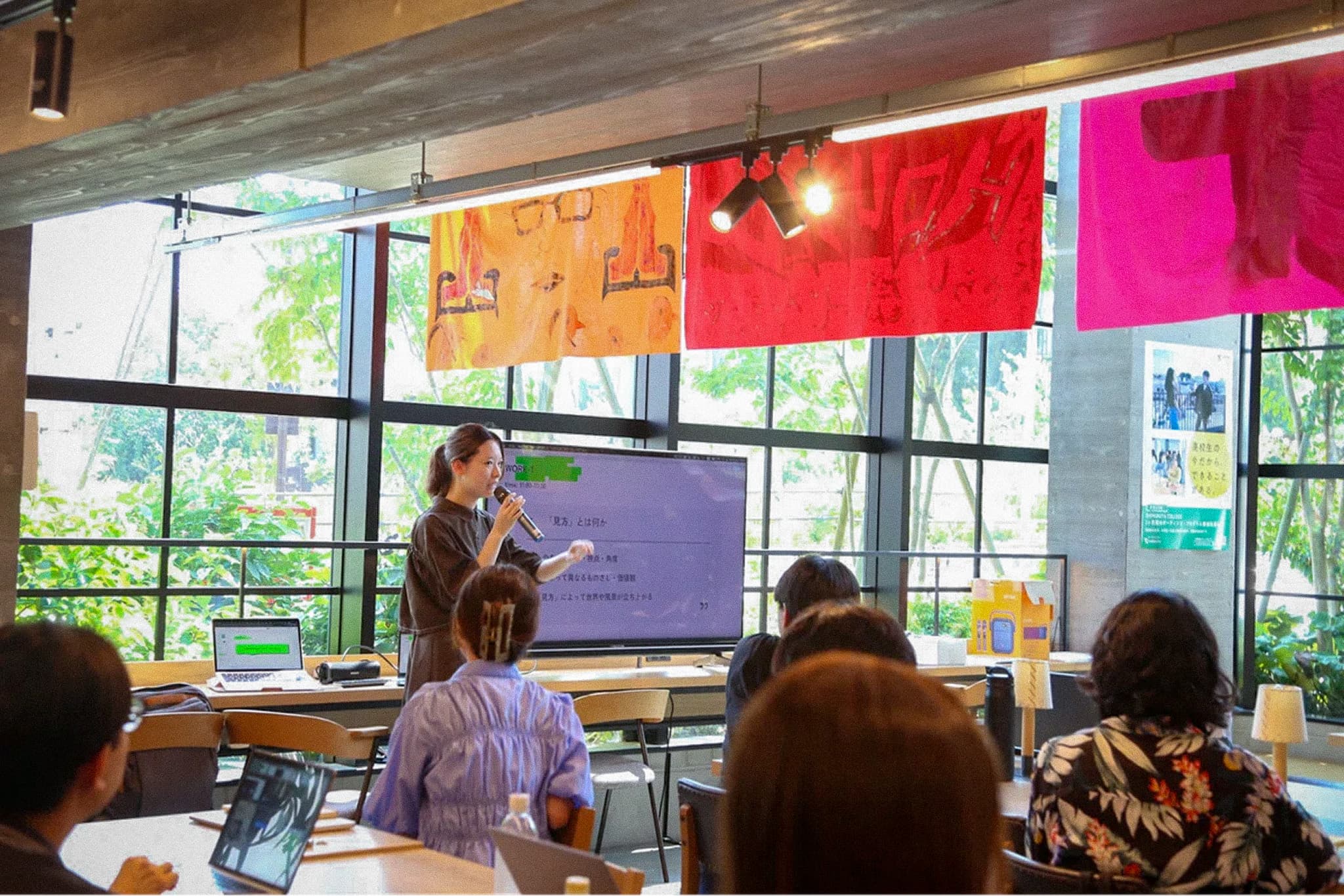
FIG.4
Some of you reading this might be thinking that.
Don’t worry. I especially want those of you who feel that way to join us.
A “sense of community” isn’t something that divides people into those who have it and those who don’t. In most cases, it simply hasn’t been put into words yet.
That “scene that I can’t explain to anyone yet, but that definitely exists”—as I wrote at the beginning—is already the prototype of your own perspective on community. The reason you keep going back to your favorite shop. The difference between a place where you feel at ease and one where you just couldn’t seem to fit in. What made that event you attended so worthwhile.Everyone has accumulated experiences like these. It’s just that you haven’t had the chance to pull them out, lay them out, and explain them in your own words. That’s all.
I myself don’t have a clear-cut turning point—like, “That failure made me realize the importance of my view of community.” It just happened naturally as I created various spaces, participated in them, observed them, and reflected on them.
That’s precisely why I can say this:
A sense of community isn’t something you suddenly acquire out of nowhere.
It deepens little by little as you observe spaces day after day and continually ask yourself, “Why are people here?” “Why did this person come back?” “Why do conversations start here but not there?” It’s a kind of mental training.
And this training is difficult to do alone.
When you’re inside your own space, you lose sight of it. Whether things are going well or not, the view from the inside looks the same. That’s why you need opportunities to engage with the perspectives of other practitioners, have your own space viewed from the outside, and be challenged to articulate your thoughts.
Community Design-LAB. provides that opportunity.
Why is community considered so important in our society?
If we list the challenges facing modern society, there are almost none that do not involve communities: isolation, care, education, the sustainability of towns, work styles, and the preservation of culture. Each of these inherently involves the question of how people come together and continue to engage with one another.
At the same time, as capitalism has advanced, the meaning of the word “community” has expanded. From communities based on geographical ties and kinship to online salons and brand fan bases, far too many things have come to be called “communities.” One could even say the term has become so broad that it has lost its definition.
However, I am not pessimistic about this.
The meaning has broadened precisely because “how to design a state in which people come together” has become an issue in so many different fields. In other words, while “community” is a crucial concept for solving social issues, it is also the most accessible action that individuals can take starting today.
Even if we don’t yet have the power to change large-scale systems, we can create reasons for people to gather within our immediate reach. And that is far more connected to society than we might think.
There is one perspective we must never forget when dealing with communities: communities can also hurt people.
As long as they are groups of people, an “inside” and an “outside” will inevitably emerge. A sense of comfort for some is inextricably linked to a sense of discomfort for others. Even without malice—and perhaps especially when there is no malice—a community unconsciously sorts people, excludes them, and causes them harm.
Behind the sense of accomplishment that comes with thinking, “We’ve created a great space,” there are people who have quietly slipped away. Unbeknownst to us, we’re already planning the next project. I believe this is a phase everyone who creates spaces goes through.
I’m not writing this to scare anyone. It’s because I believe that this awareness of fear is an integral part of how we view communities.
The spaces I create have the potential to hurt someone. I carry that as a cautionary reminder, and even so, I strive to create reasons for people to gather. I want to spend the next three months with people who won’t let go of this sense of tension, yet still want to navigate these spaces with joy.
This is the same point I made in that passage from my statement.
If you try too hard to be there for others, your own sense of self begins to fade. If you push only your own worldview, the space remains nothing more than your own room. This tension probably can’t be resolved. We have no choice but to move forward while carrying it with us.
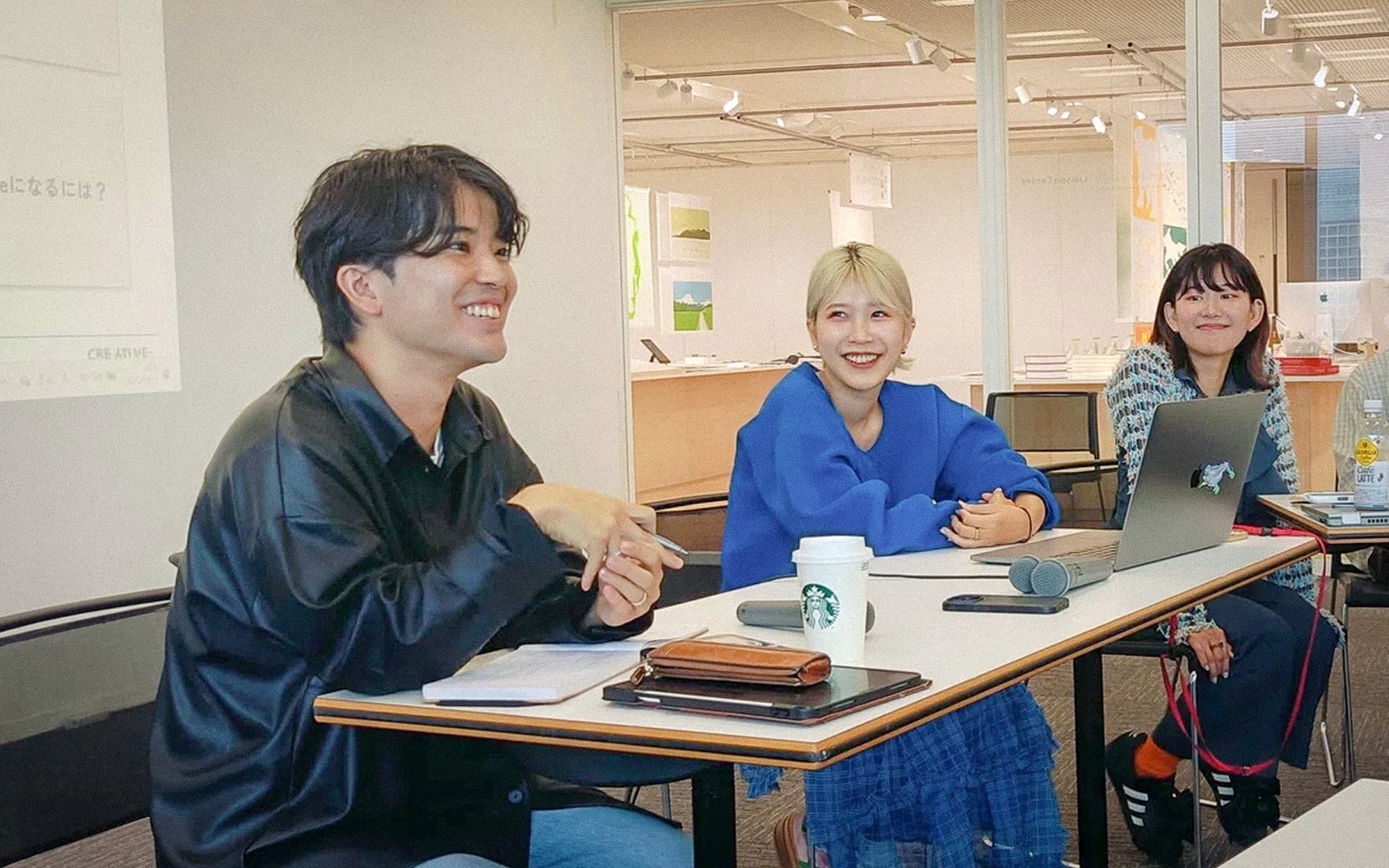
FIG.5
The program consists of three phases. These were designed to follow a sequence in which questions and practice deepen progressively.
Driven by What You Want to Do / Sharpening Your Focus / Finding Your Question
The first person you face isn’t someone else—it’s yourself.
At the joint kickoff on September 27, we’ll gather together—including participants from other LAB. groups—to explore the theme: “What kind of space would my passion create?”The theme of the following Seminar #1 is “Can a Community Be Designed?” After a presentation, we’ll conduct fieldwork at an actual facility, observing people’s movements, the conversations taking place, and the phenomena unfolding in that space.
Here, we’ll hone our ability to interpret a space. Even when sharing the same space, what each person sees differs. Once you know what to look for, your perception of the world becomes much sharper.
Building on this, for your first homework assignment, you’ll plan an event based on your own goals and the insights gained from your observations.
Bringing People Together / Creating a Program / The Physical Space
In Seminar #2, “What Kind of Event Builds a Good Community?”, we’ll cover event planning and project management. This is one of the few parts of the course that focuses on the “how.”
As homework, each of you will actually host an event.
It doesn’t have to be large—even an event with just three people is fine. Try bringing the vision you’ve had in your mind into a real-world space. It’s only by putting it into practice that you’ll truly understand what matters most to you.
Convey Passion / Map Relationships / Rediscover Purpose / Refine Together
At the one-day camp on November 8, we’ll spend the entire day reflecting on what we’ve gained from our hands-on experience.
The theme of Seminar #3, held afterward, is “With whom, and how, will we continue this space?”
This is the most challenging part of this program.
You cannot keep running a space you started with your own passion indefinitely on your own. A space that endures is passed on to others at some point. Just as the person who built the first house hands the town over to those who build the second and third houses. “Handing over” does not mean letting go and walking away; it is the process of opening up your own questions to become everyone’s questions.
You transform a one-time experience of “that was a great gathering” into a relationship that makes people want to come back. The people you invited start talking to one another behind your back. Before you know it, someone is already planning the next event on their own.
In that process, the original purpose may take on a new form. This isn’t a failure; it’s proof that the space is beginning to exist beyond your control. That’s why the final keywords are “rediscovering the purpose” and “refining it together.”
Building on that, we’ll host an event as a culmination of what we’ve learned through this program and wrap up the three-month journey at the final成果報告会 on December 13.
Throughout the program, we’ll offer lectures and mentoring from leading practitioners who run vibrant communities.ASIBA, our planning partner, is also actively engaged in incubation and community building through its base at YOHJOH kameido. What questions do practitioners ask? How do they engage others? And how do they sustain their efforts? We intend to open up this inner workings as much as possible and share it with you.
What We Won’t Cover
What We Do
People I’d like to have join
People for whom this probably isn’t a good fit
Community Design-LAB. is not a place that provides ready-made answers—it’s a laboratory.
Through a cycle of input and output, we’ll experiment extensively, fail, and improve. Participants—each with their own unique themes but united by the common goal of “creating spaces where people gather”—will form a community where they provide feedback on one another’s projects.
We aim for these relationships to endure even after the three months are over. For those who continue to create spaces, the presence of peers who understand the same struggles is more valuable than any technical know-how.
Indeed, this program itself becomes a “laboratory”—a front-line space where you can witness the process of community building.
It’s always okay to start on a personal level.
Why not start a community based on what you “want to do”?
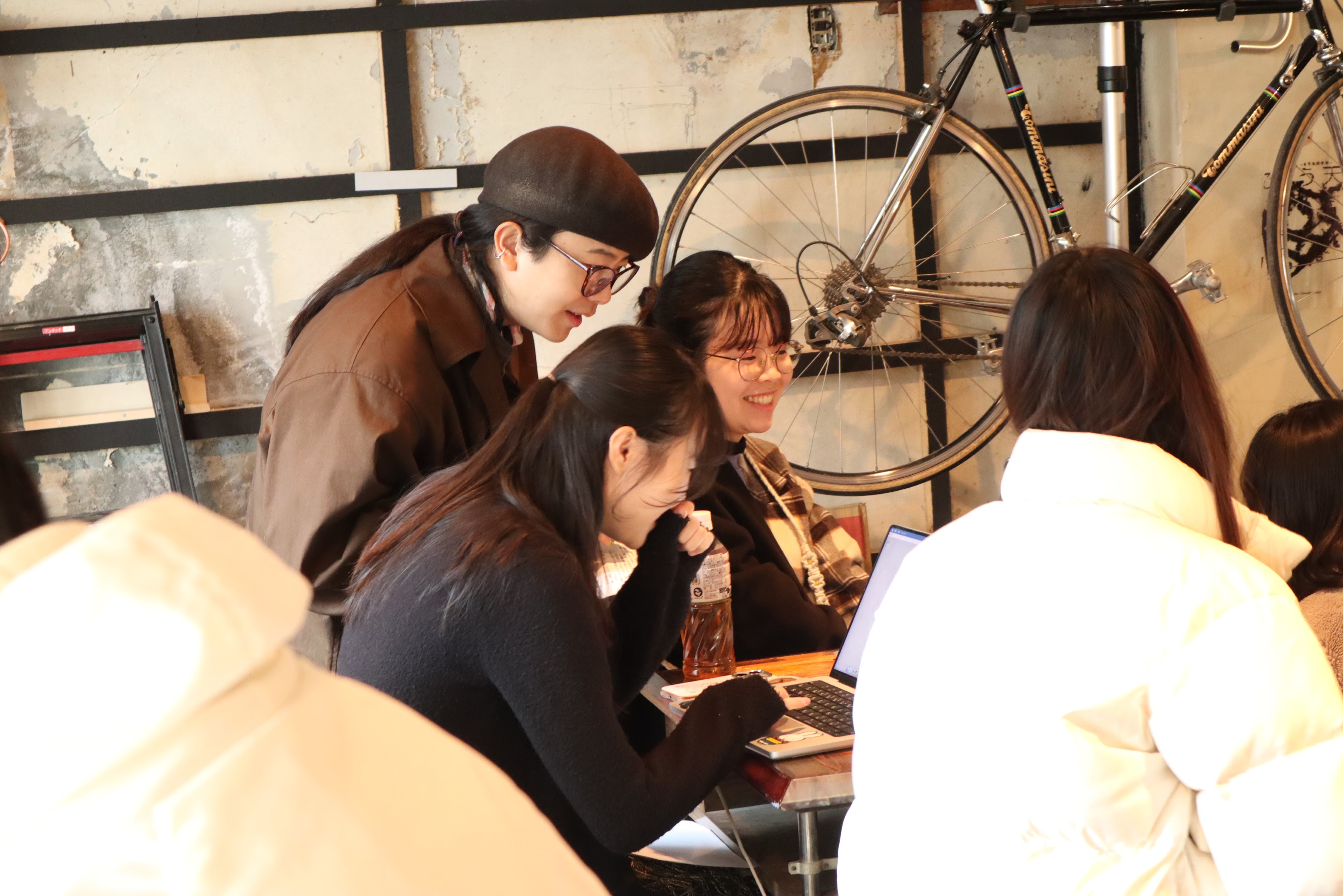
FIG.6
Program Schedule (All Sundays)
Date | Content | Venue |
|---|---|---|
September 27 | LAB. Joint Kickoff | Tokyo Innovation Base |
October 11 | Seminar #1: Can a Community Be Designed? | Tokyo |
October 25 | Seminar #2: What Kind of Events Foster Good Communities? | Tokyo |
November 8 | 1-Day Camp | Tokyo |
November 22 | Seminar #3: Who Will Keep This Space Going, and How? | Tokyo |
December 13 | LAB. Final Results Presentation | Tokyo Innovation Base |
* Attendance at the joint kickoff event on September 27 is mandatory. Please be sure to keep this date open.
* The content may be subject to minor changes depending on the participants’ circumstances.
▶ Click here to register (Application deadline: August 25)
Credit
Related Works