Following Up on ASIBA's 1st Cohort #4
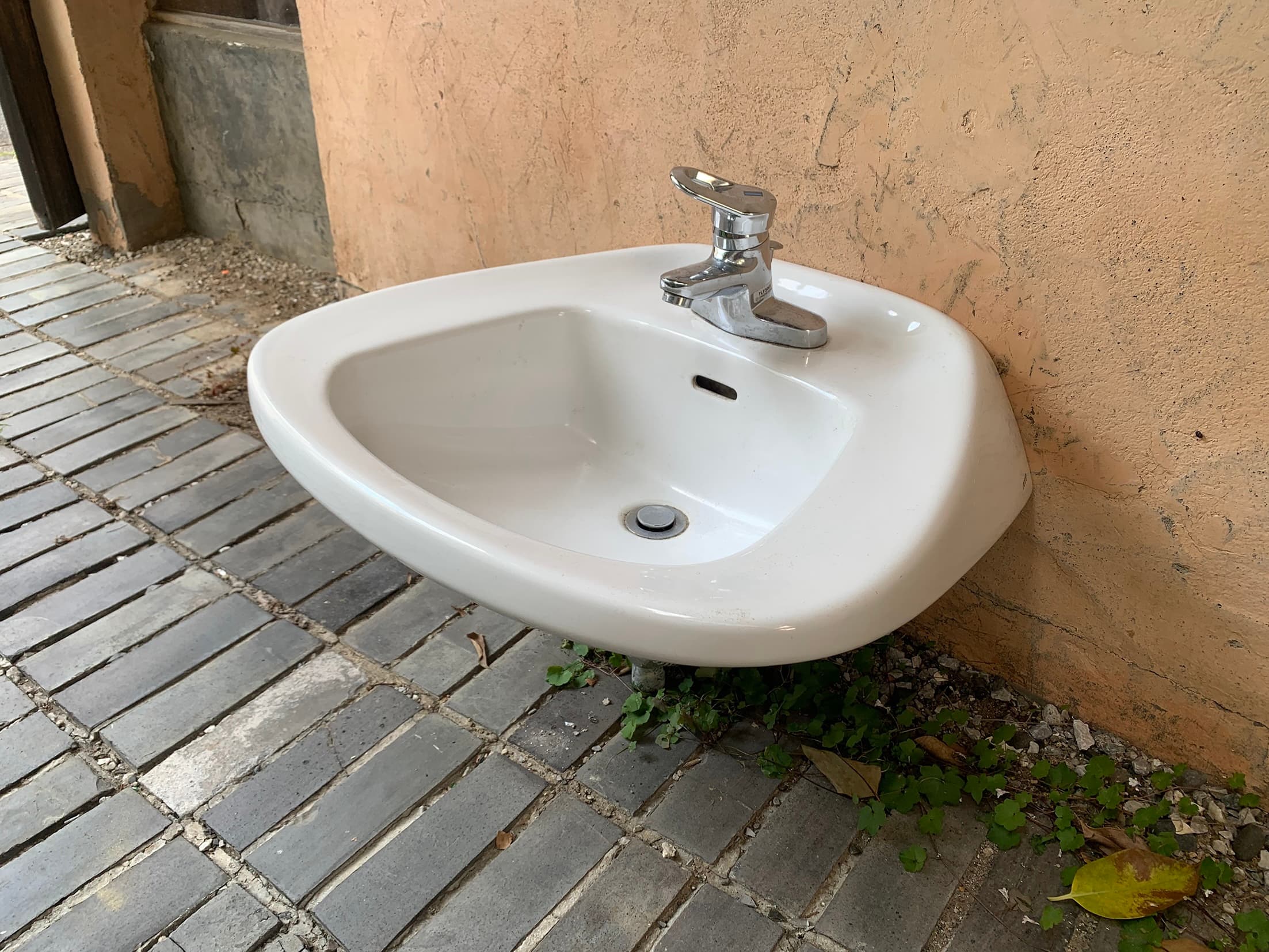
FIG.1
It has been about two months since the conference event held at Shimizu Corporation’s NOVARE on November 25 of last year.The teams that presented have continued to maintain their enthusiasm for their projects, using ASIBA as a starting point to carry out various activities and implement their ideas in society. We investigated what paths the first cohort of ASIBA participants—who have now completed the entire program—are taking.
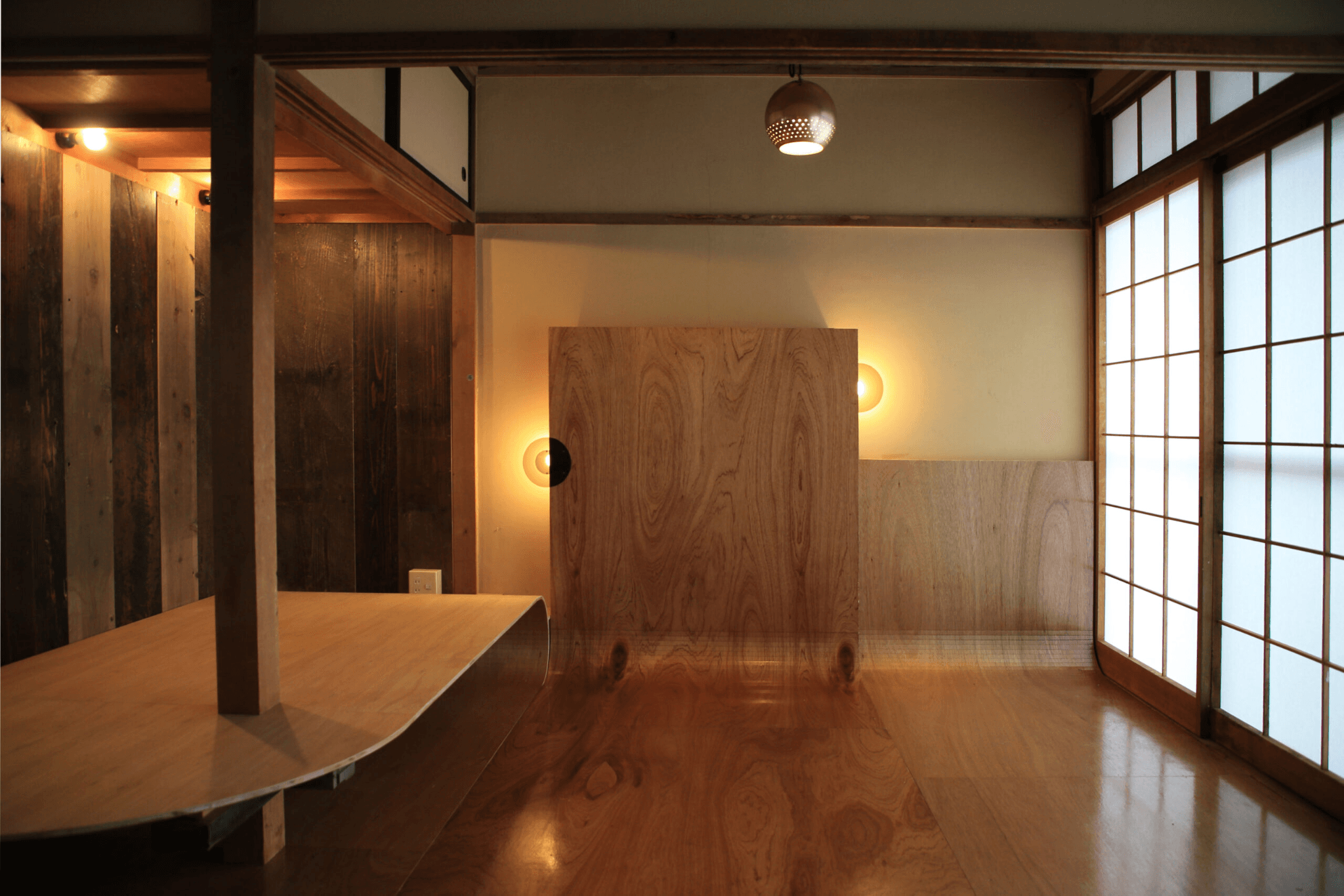
Eisuke Honda, a Ph.D. candidate (D1) in the Structural Design Laboratory within the Department of Architecture and Urban Studies at Meiji University’s Graduate School of Science and Technology, and Nagaki Mizukoshi, a master’s student (M2) in the same laboratory, gave a presentation on “ReLink,” a construction support service for the reuse of building materials.ReLink aims to prevent the disposal of used and surplus building materials generated at construction sites by facilitating their widespread distribution in the market; it is currently operating a comprehensive service that involves demolition contractors, designers, and even clients.

FIG.2
ReLink had already launched a web application service to match used building material sellers with designers even before the start of ASIBA’s first-phase program. From the outset, the goal was to create a centralized platform that consolidates information on used and surplus building materials scattered across the web, thereby promoting the reuse of building materials by efficiently connecting sellers and consumers.
Honda explains that, through interviews with numerous construction companies and architectural designers, ReLink realized it needed to expand the scope of its activities. “To truly popularize the reuse of building materials, we need to demonstrate how reused materials can actually be used in construction and build trust.” Simply providing a means to obtain reused materials is not enough to motivate designers to use them. He states that moving forward, the company aims to offer comprehensive services covering every stage of reused material utilization, including design assistance and construction support.
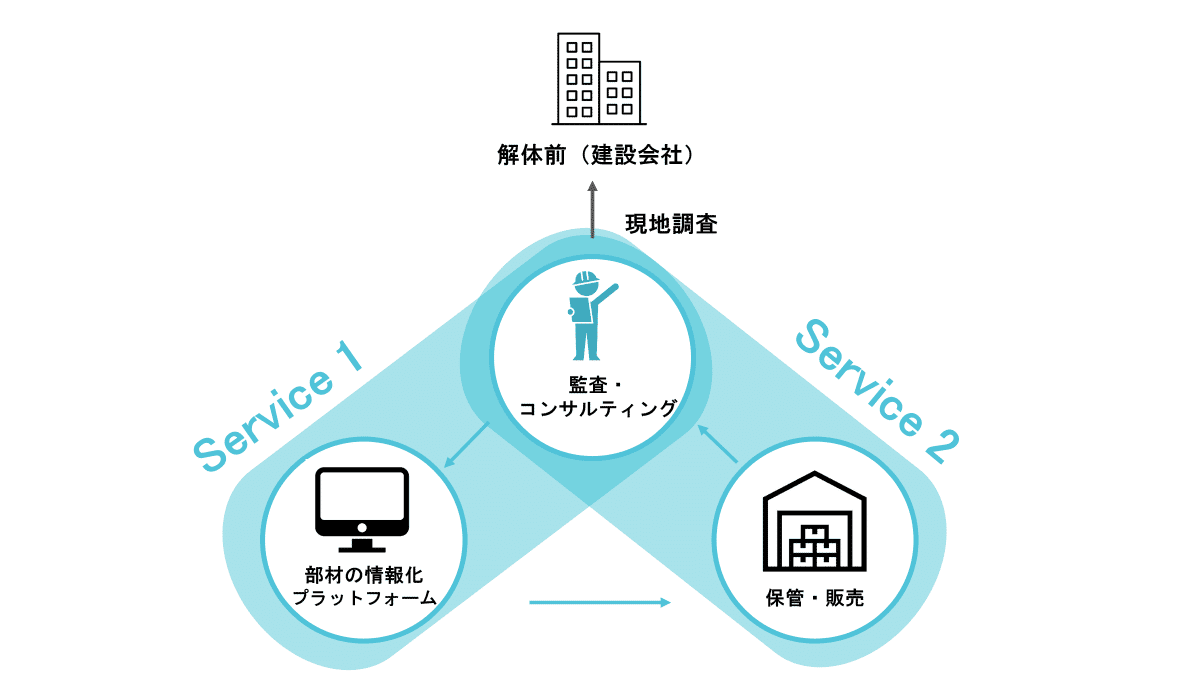
FIG.3
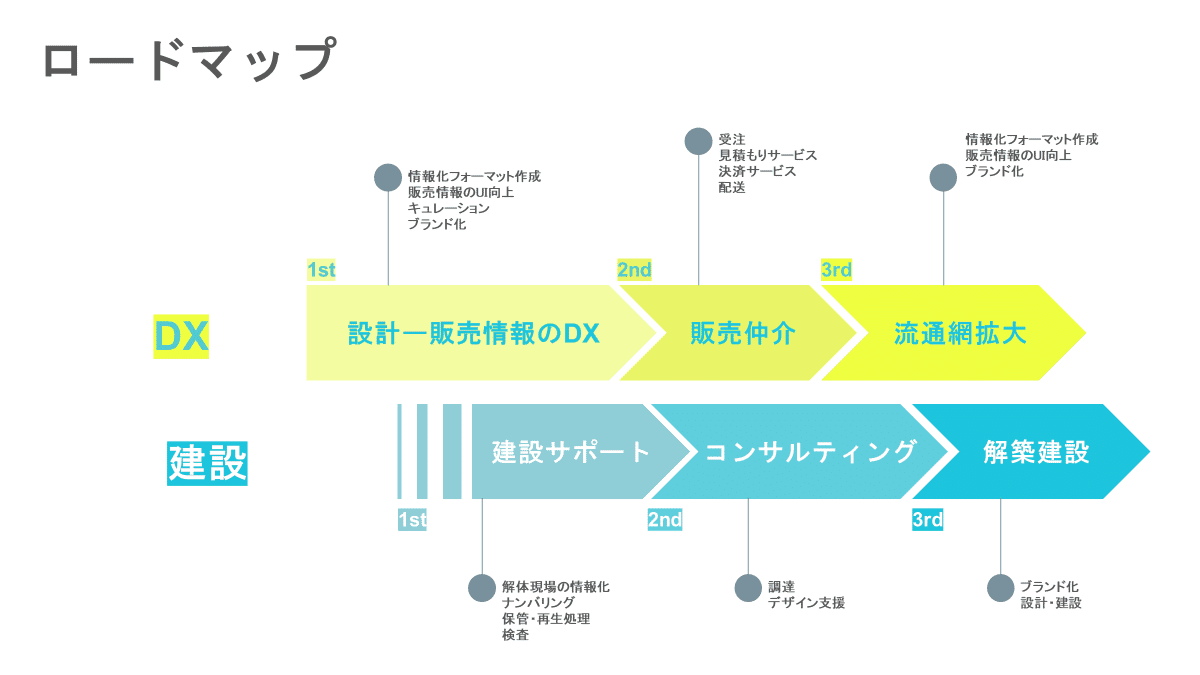
FIG.4
These activities include expanding the range of design ideas for utilizing used and surplus building materials, as well as disseminating them to the public through a shareable database.Honda stated that ReLink aims to further strengthen its focus on design; in fact, since last November, the company has been carrying out a project to design furniture—such as shelves and desks—using materials salvaged from the demolition of apartment buildings. “We want to create a society where we can respond to the voices of those who say, ‘I didn’t want to throw this away,’ within the life cycle of a building—from its construction to its demolition,” they say. Through their efforts, a society where the reuse of materials becomes the norm will surely emerge. (Text by Tatsuya Miyata)
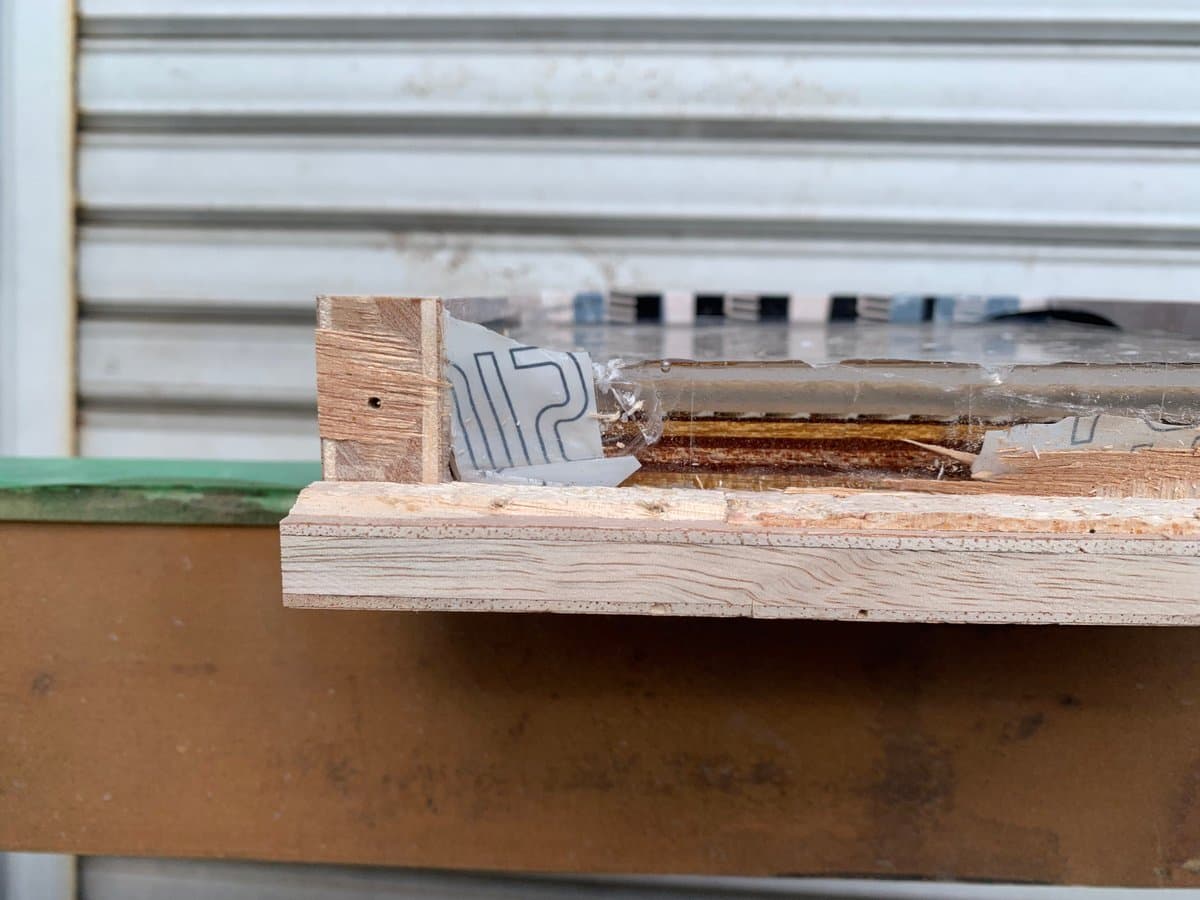
FIG.5
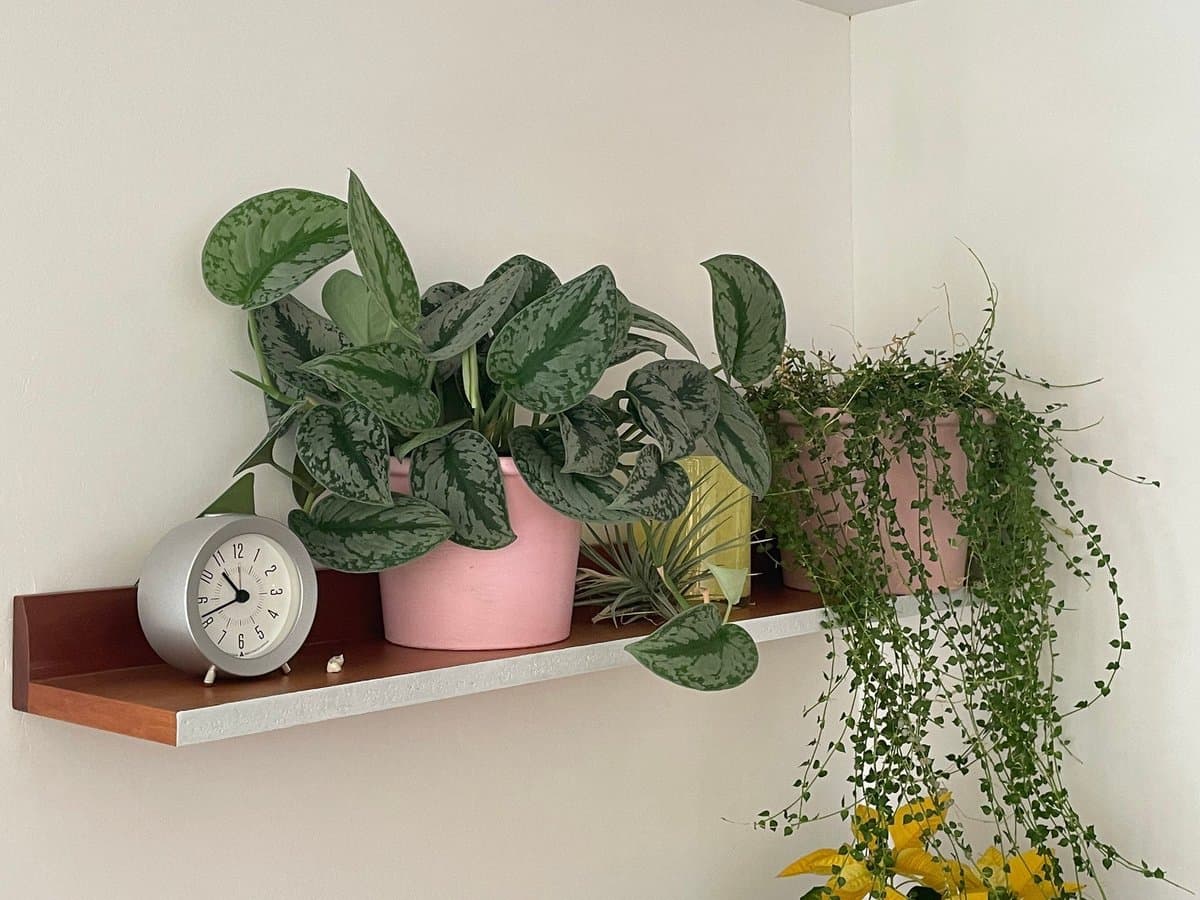
FIG.6
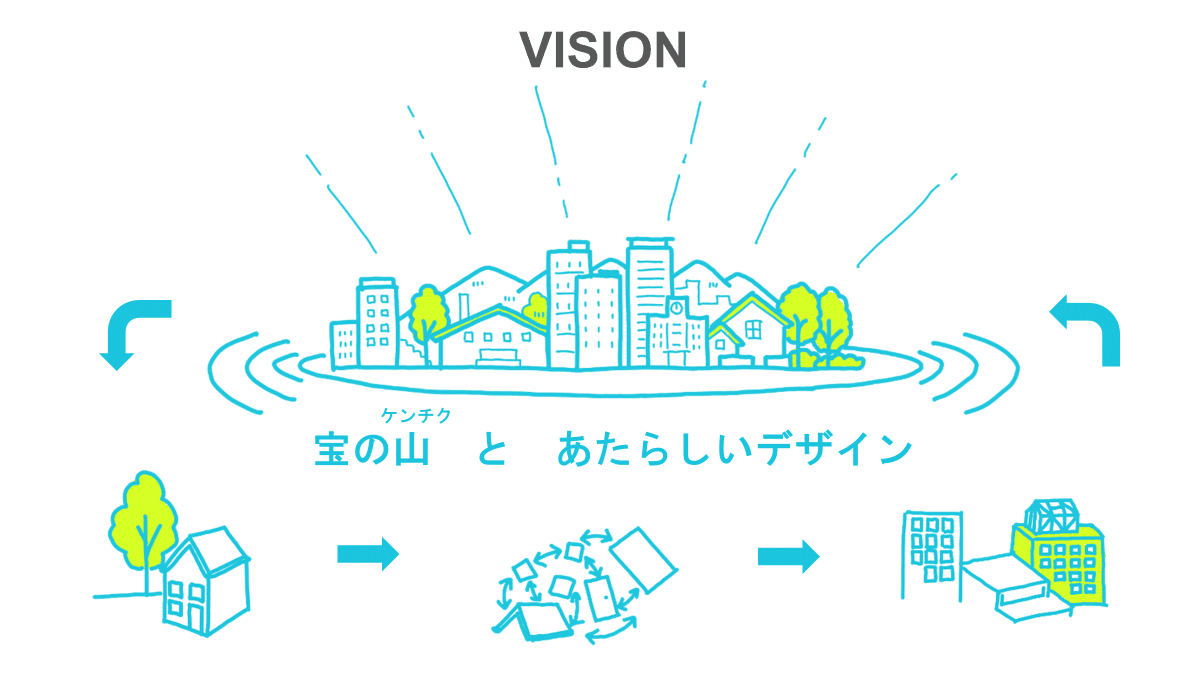
FIG.7
Credit
Related Works
Relink
CREATIVE-WORK RESEARCH
Eisuke Honda, Eiki Mizukoshi, Yuki Watarai
Related Texts
Reuse is not the goal: The Circular Design as Relationship Design Pursued by Takenaka Corporation, ReLink, and ASIBA
Partner Dialogue #3
DIALOGUE
2025.12.05.
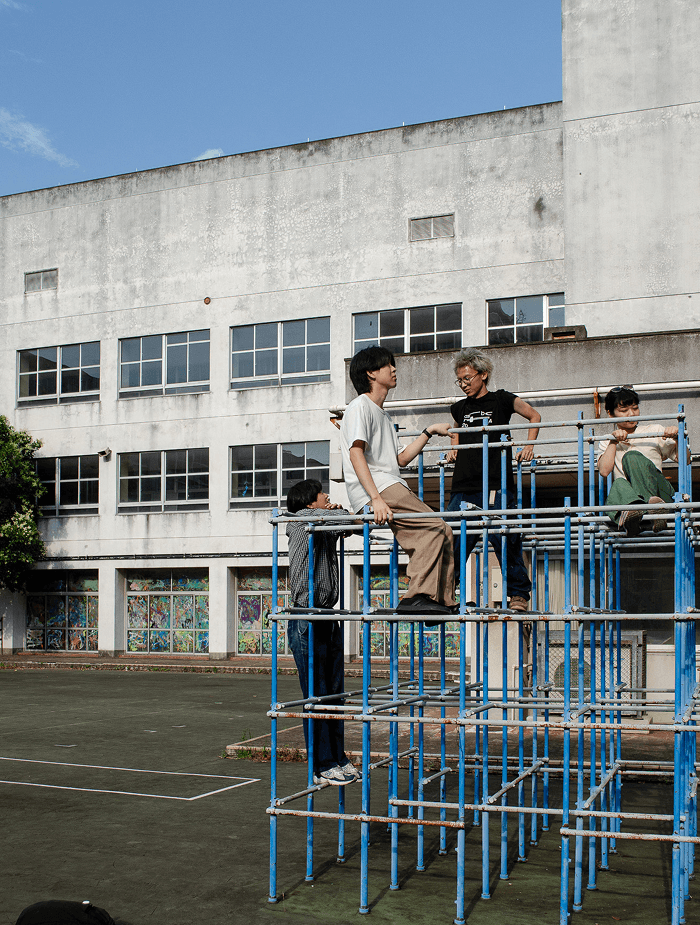
Connecting Memories of a School Awaiting Demolition Through Art — Kaichiku Teiryujo @ Takashima Seventh Elementary School
Kaichiku Teiryujo: The Finale
REPORT
2026.03.30.
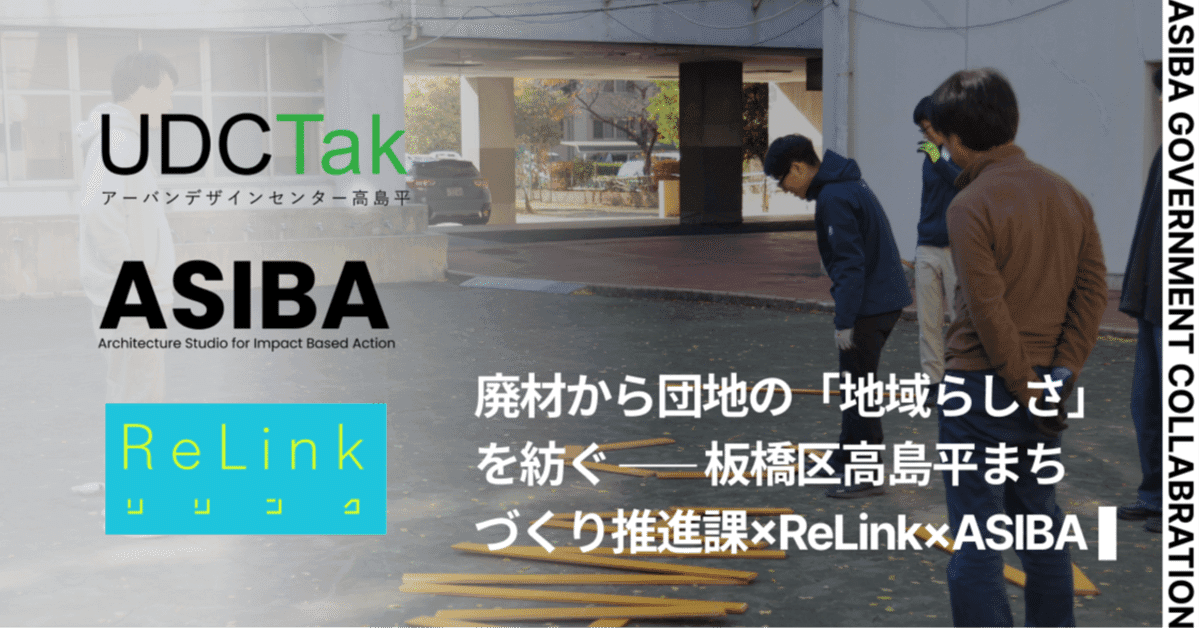
Weaving a Neighborhood's Character from Waste Materials — Itabashi City Takashimadaira Urban Planning Division × ReLink × ASIBA
Public Partner Dialogue #1
DIALOGUE
2026.03.30.

Turning Demolition into a Beginning, Not an End — Announcing Kaichiku Teiryujo @ Takashimadaira Round 2
Kaichiku Teiryujo Round 2 Announced
ANNOUNCEMENT
2026.06.09.
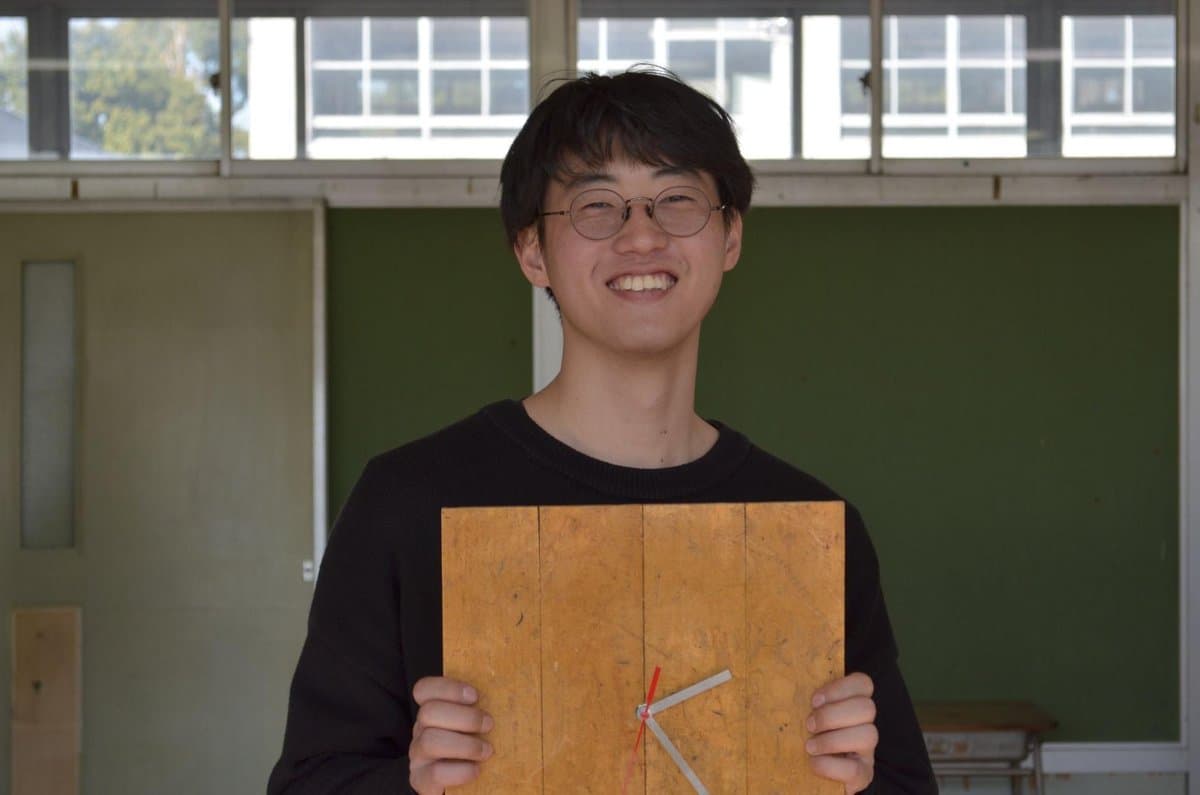
The Discomfort Seen Through Kaichiku — A Platform Connecting Materials via Reuse
本多栄亮
ESSAY
2026.07.01.
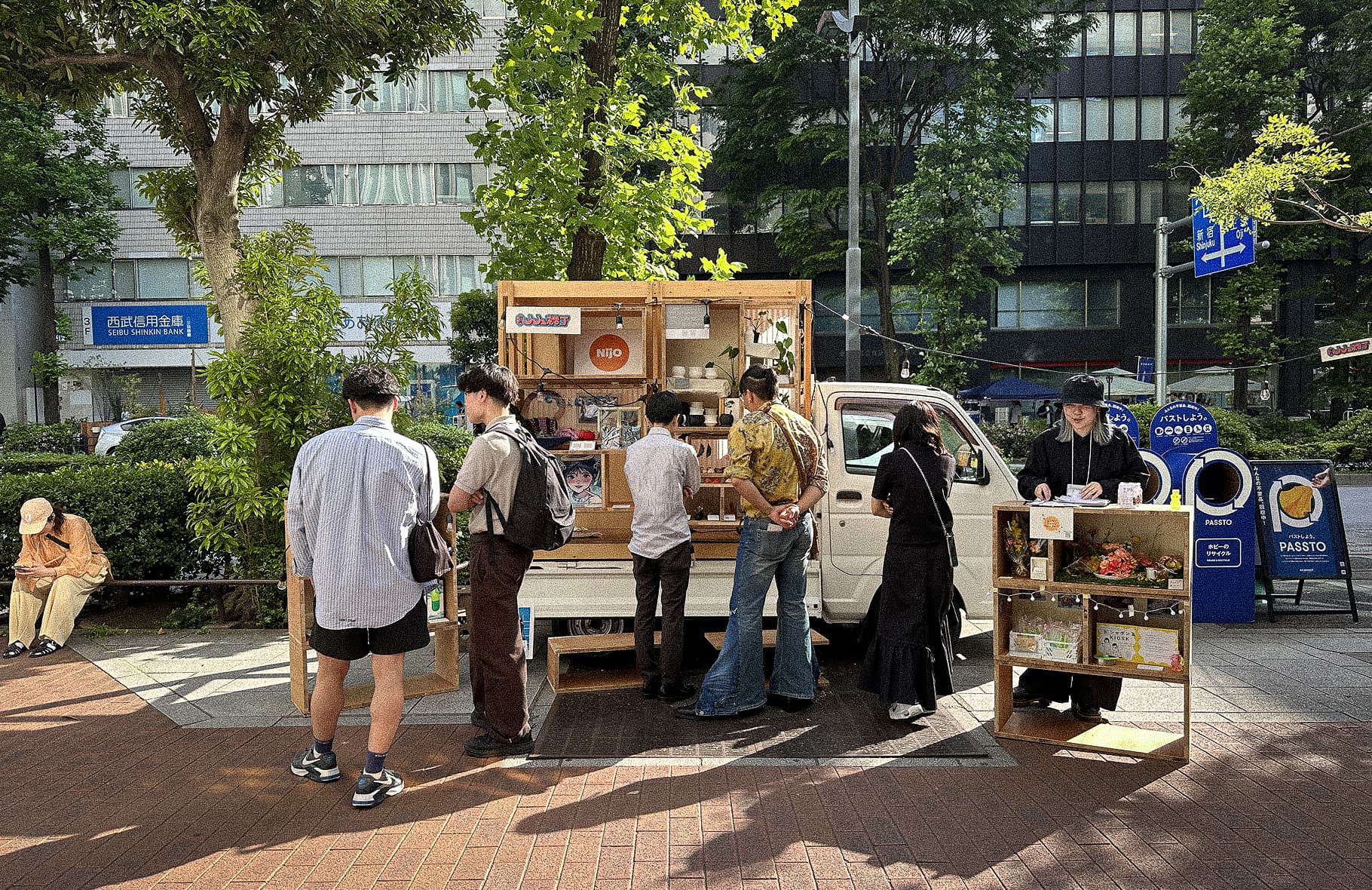
Renting Out a Light Truck's Cargo Bed as Small Urban Space|Nijo Architecture
Following Up on ASIBA's 1st Cohort #1
INTERVIEW
2024.02.06.

Using Urban Space as a Stage to Relive Rakugo's Stories and Spirit|Rakugo Space Ochiba
Following Up on ASIBA's 1st Cohort #2
INTERVIEW
2024.02.13.

With a Volume Large Enough to Disrupt Daily Life|Pochant
Following Up on ASIBA's 1st Cohort #3
INTERVIEW
2024.02.26.