INC-1st Class Report #6

FIG.1
“ASIBA” (Architecture Studio for Impact Based Action) is a two-month incubation program specializing in urban architecture and aimed at architecture students. It is planned and operated by a group of volunteer architecture students from the University of Tokyo and Waseda University (Representative: Yuta Nihei, first-year master’s student in the Department of Architecture at the University of Tokyo).
Continuing from last week, we were once again allowed to use PYNT, Nikken Sekkei’s incubation facility. Even though it was Saturday and there were no other users, they specially prepared the venue for the ASIBA studio. We do not want to squander the opportunity they’ve given us to use this “space for co-creation where urban challenges are gathered and implemented for the future,” and we will do our best to turn this into great ideas.
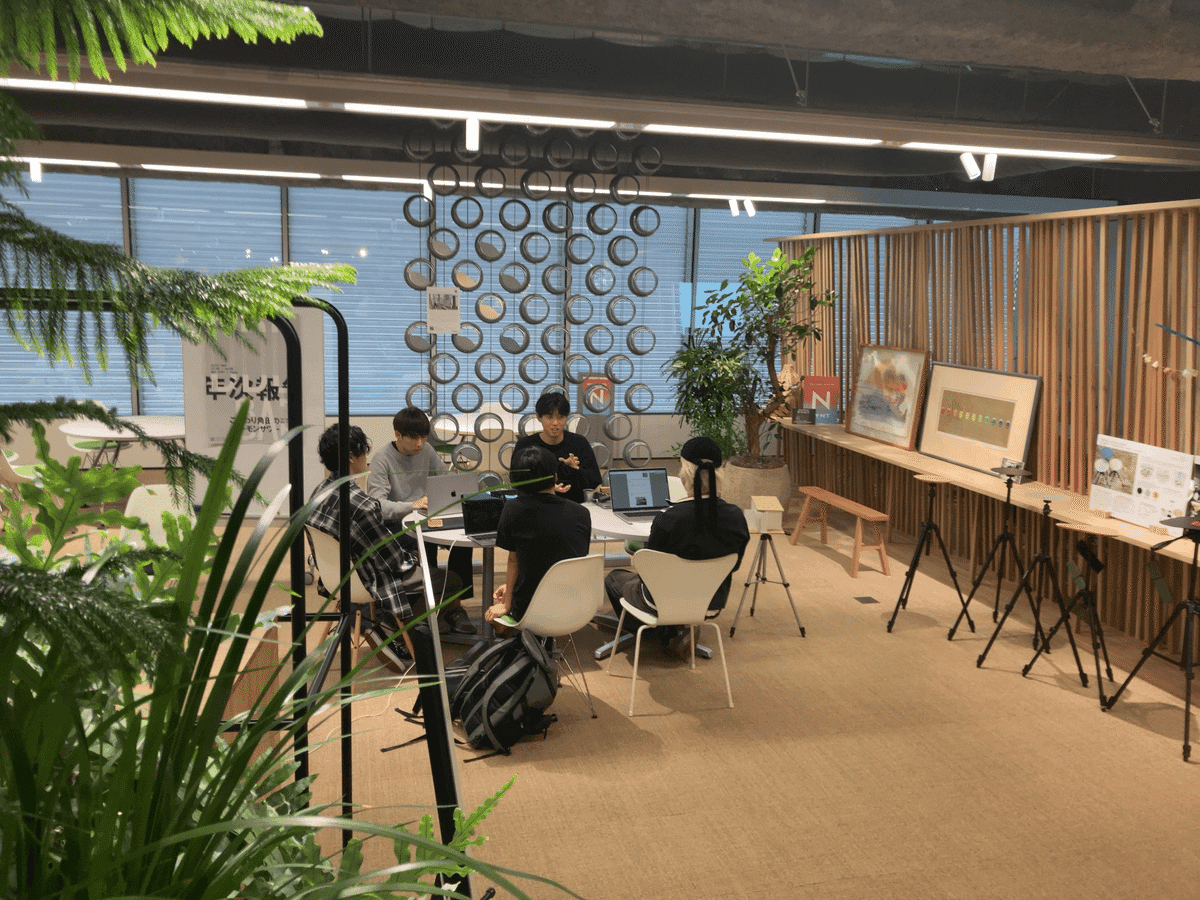
FIG.2
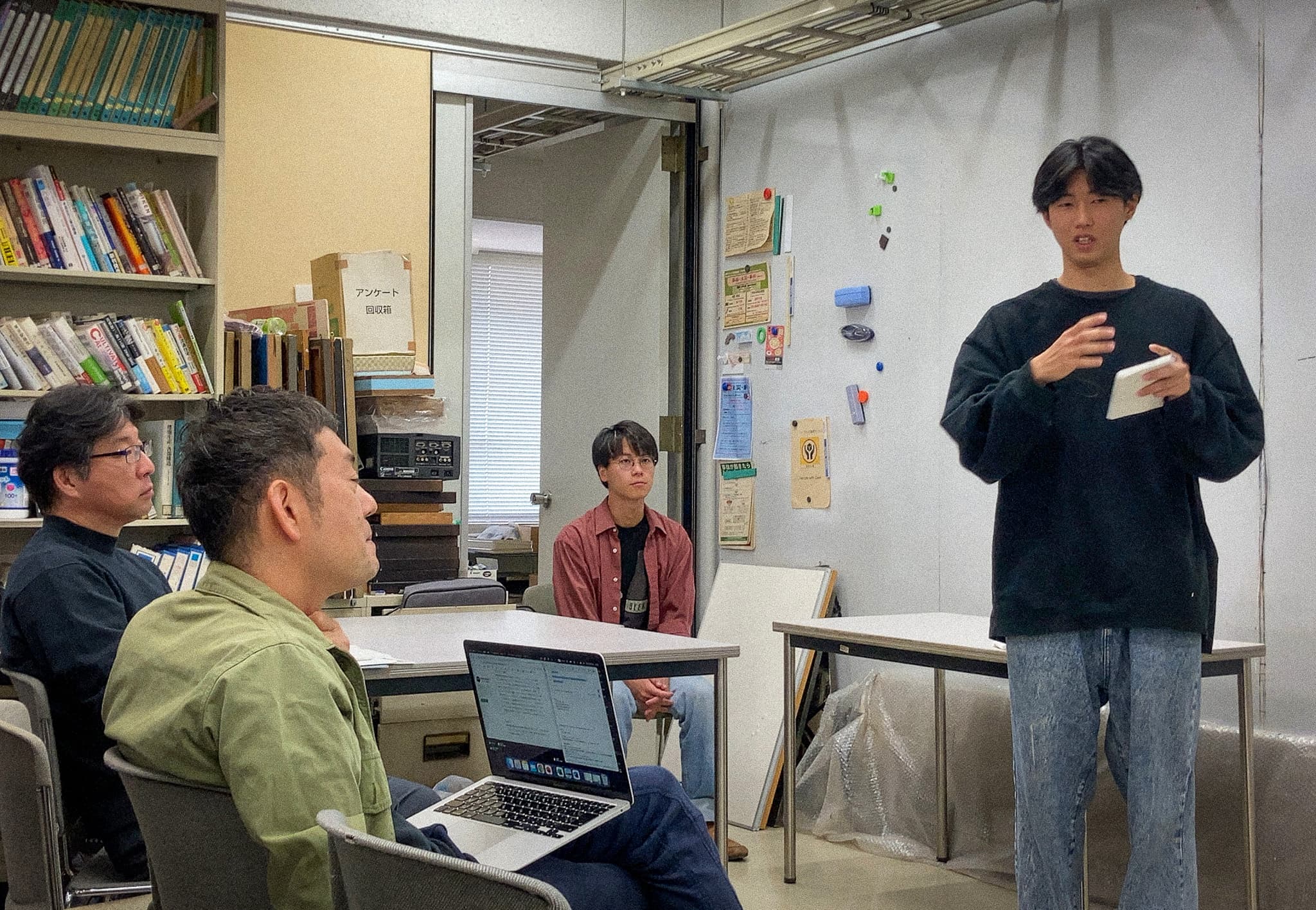
This time, we were honored to have Mr. Takayuki Ishikawa, an Executive Officer at Nikken Sekkei, provide feedback. He offered advice and comments from an implementation perspective on the proposals from all 10 teams.
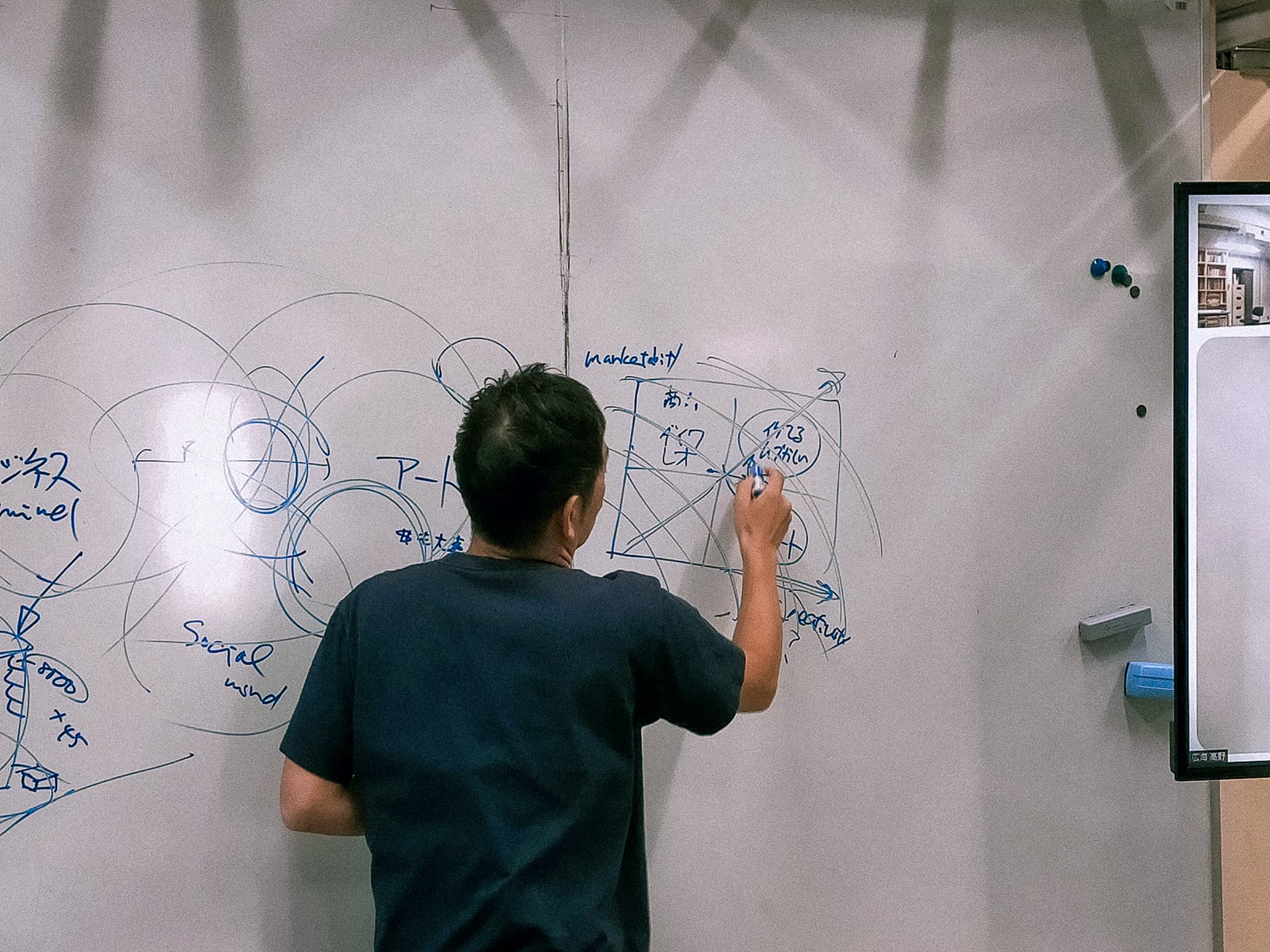
At every ASIBA session, our representative, Nihei, gives a lecture on strategies for social implementation. This time, the topic was “the pitch.” While this term may be unfamiliar to architecture students, it is an essential concept for presenting proposals to society.
Although we’ve always presented our proposals in five-minute sessions, those weren’t “pitches.” Previous presentations were primarily progress reports—opportunities to talk about what we’d done and what we wanted to do. Ultimately, we were the main focus.A pitch is fundamentally different. The audience takes center stage, and the primary goal is to elicit empathy from them. To share a new venture, you must prioritize storytelling and empathy over details. Be mindful of “sharing your personal passion,” “helping the audience visualize the specific situation once it’s realized,” and “getting them to empathize with that vision.”
The way you deliver your presentation is also crucial. There are many aspects to pay attention to, such as volume, eye contact, posture, and time limits. When it comes to slides, structure them in a way that’s easy for the audience to follow—for example, by condensing the essential information into just a few slides or ending with a single slide that summarizes everything.
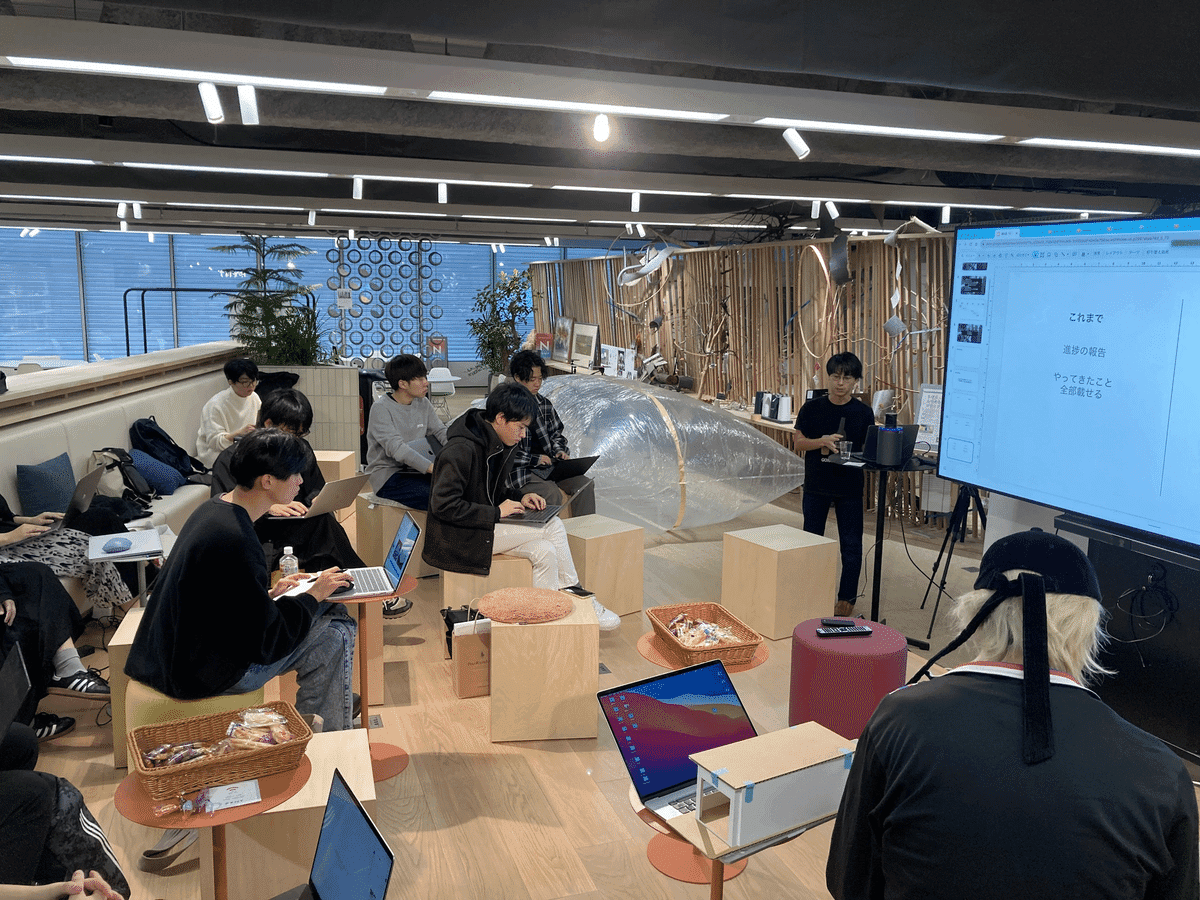
FIG.3
This time, we divided the presentation teams into two groups and held a feedback session. Seated around a table, they exchanged comments and advice on each other’s proposals. Opinions were shared from various angles, ranging from how the materials were created to the content of the proposals. Since they were all students, I believe they were able to discuss matters freely without hesitation.
The other group held a pitch presentation as usual. We received comments not only from the students but also from our guest, Mr. Ishikawa. He focused on the presentation design and delivery, pointing out issues such as: Is the order of the explanations appropriate? Are there any unnecessary or missing slides? Are the volume and speaking speed appropriate?Based on the advice we received, we plan to refine our materials for the final pitch.
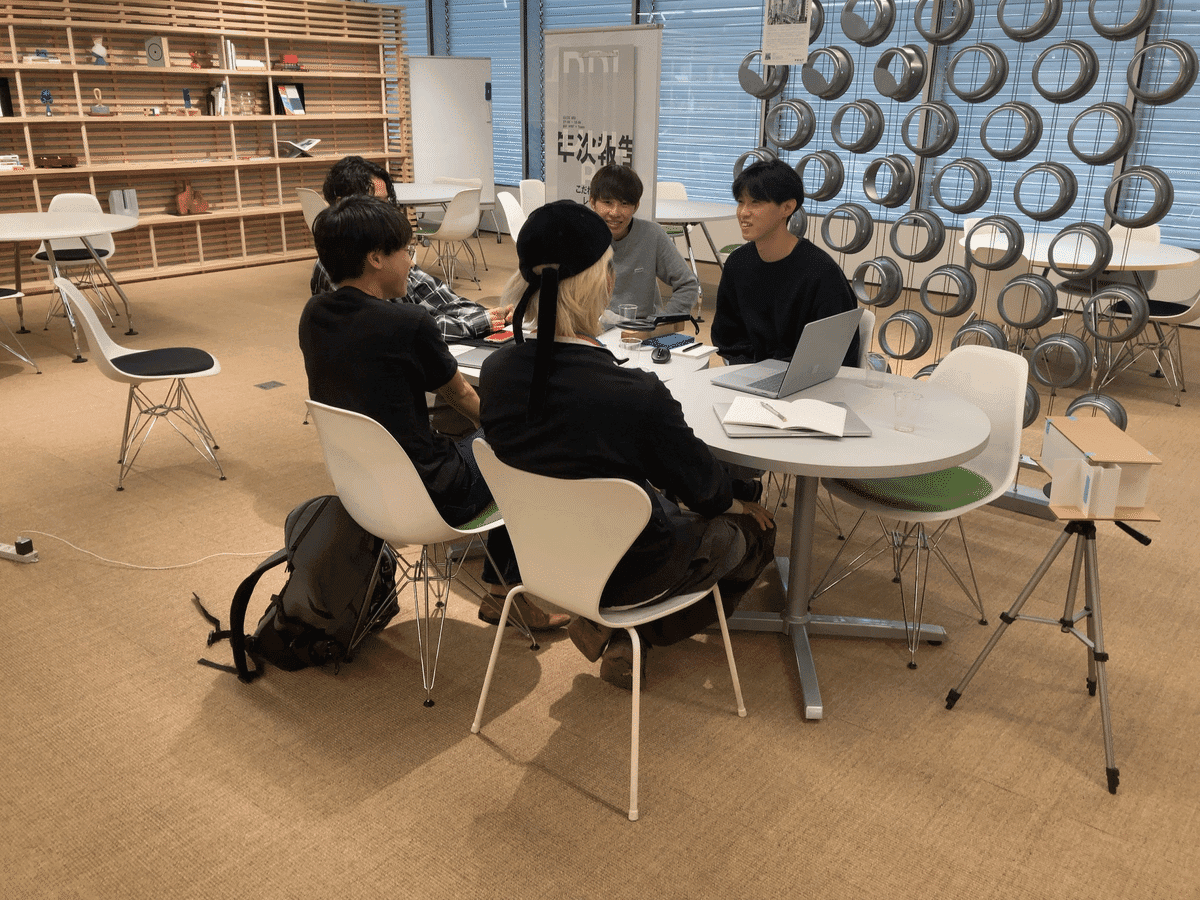
FIG.4
Credit
Related Works
Related Texts
INC-1st Class Report #1
REPORT
2023.10.09.