INC-1st Class Report #1
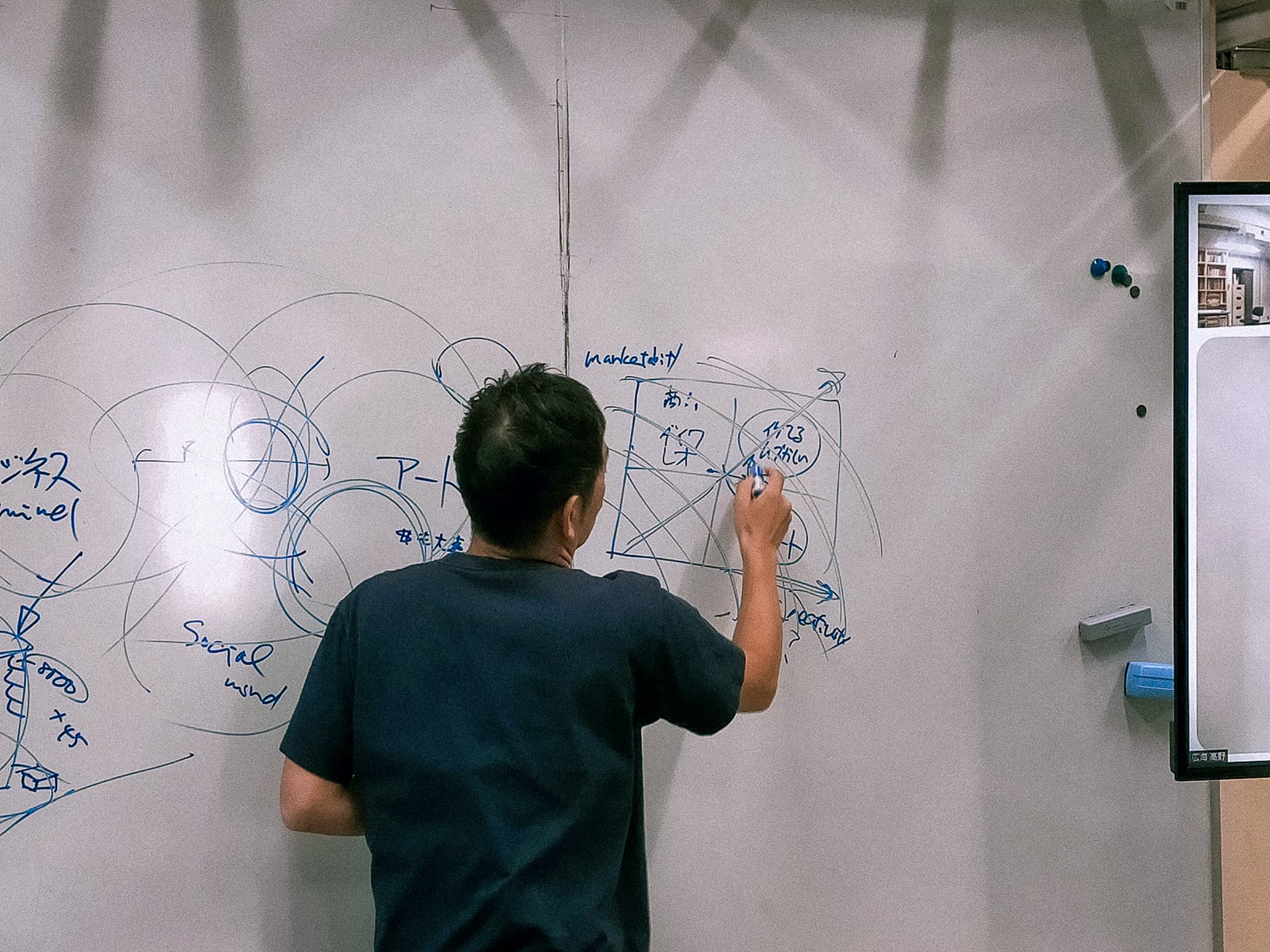
FIG.1
“ASIBA” (Architecture Studio for Impact Based Action) is a two-month incubation program specializing in urban architecture and aimed at architecture students. It is planned and operated by a group of volunteer students from the architecture departments at the University of Tokyo and Waseda University (Representative: Yuta Nihei, first-year master’s student in the Department of Architecture at the University of Tokyo).
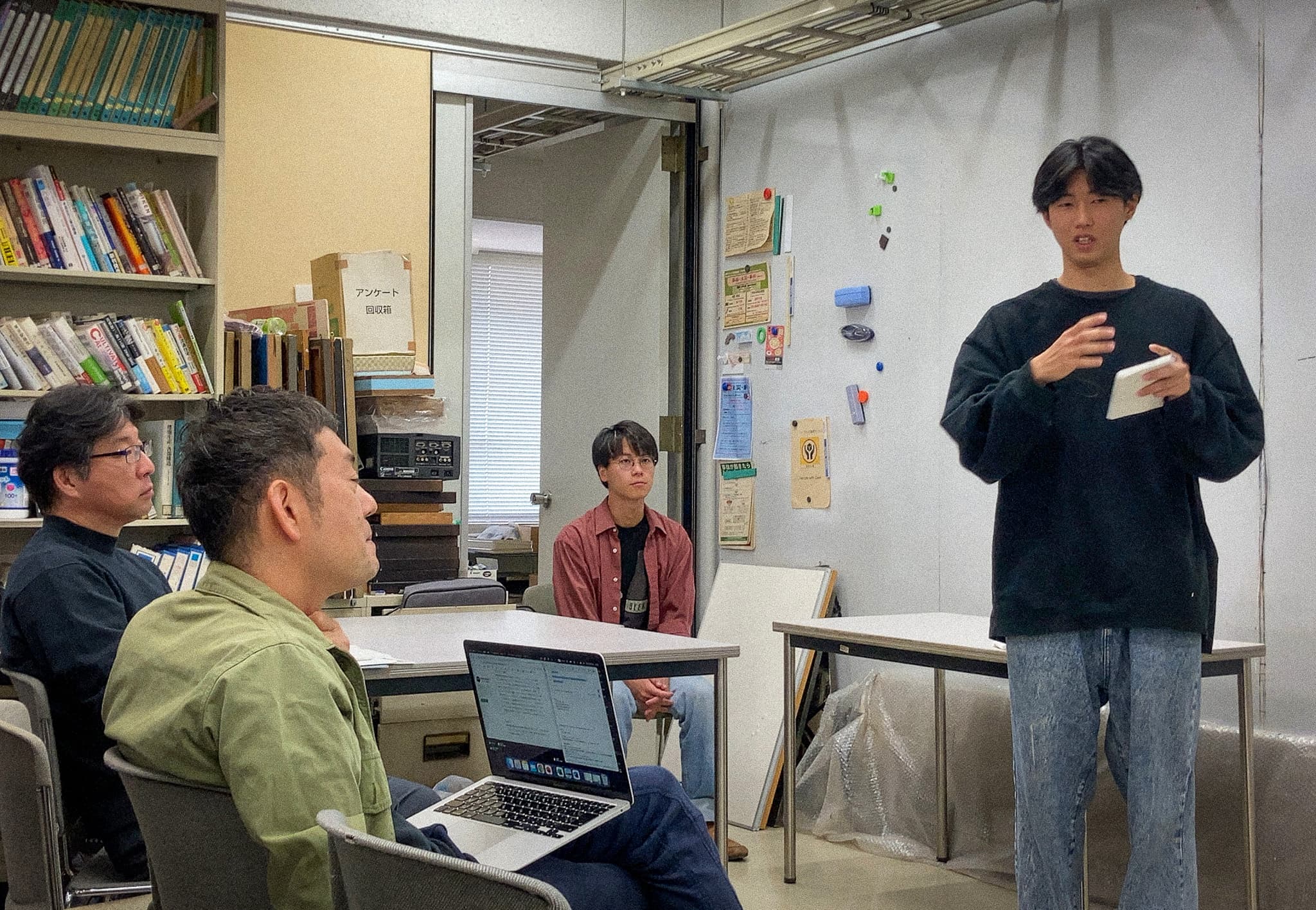
On this pleasant day with a cool autumn breeze, ASIBA’s intense two-month journey kicked off in a quiet room on the Hongo Campus, surrounded by nature. The theme for this memorable first week was “Building ASIBA.” The guest speaker was Atsumi Hayashi, Director of Tokyo R Real Estate.
This three-hour session was designed to deepen connections with peers with whom they will learn and grow together over the next eight weeks, while also exploring directions for commercialization based on their own ideas.
To start, as an icebreaker, participants paired up to play a game where they had to find things they had in common, and the room was filled with laughter and a warm, friendly atmosphere.
Then, it was finally time to get down to business. Representative Nihei began his presentation, explaining a 140-page slide deck.
“The challenge lies in the gap between our ideals (impact) and reality. Therefore, it is essential to first present our ideals. For example, just as Nixon declared, ‘We will go to the moon,’ we must hold onto distant, grand ideals. Let’s take pride in and have confidence in the ideas we’ve nurtured in the architecture department, and present them as the future that lies ahead.Then, identifying the gap between that ideal and reality is the key to discovering a good problem.
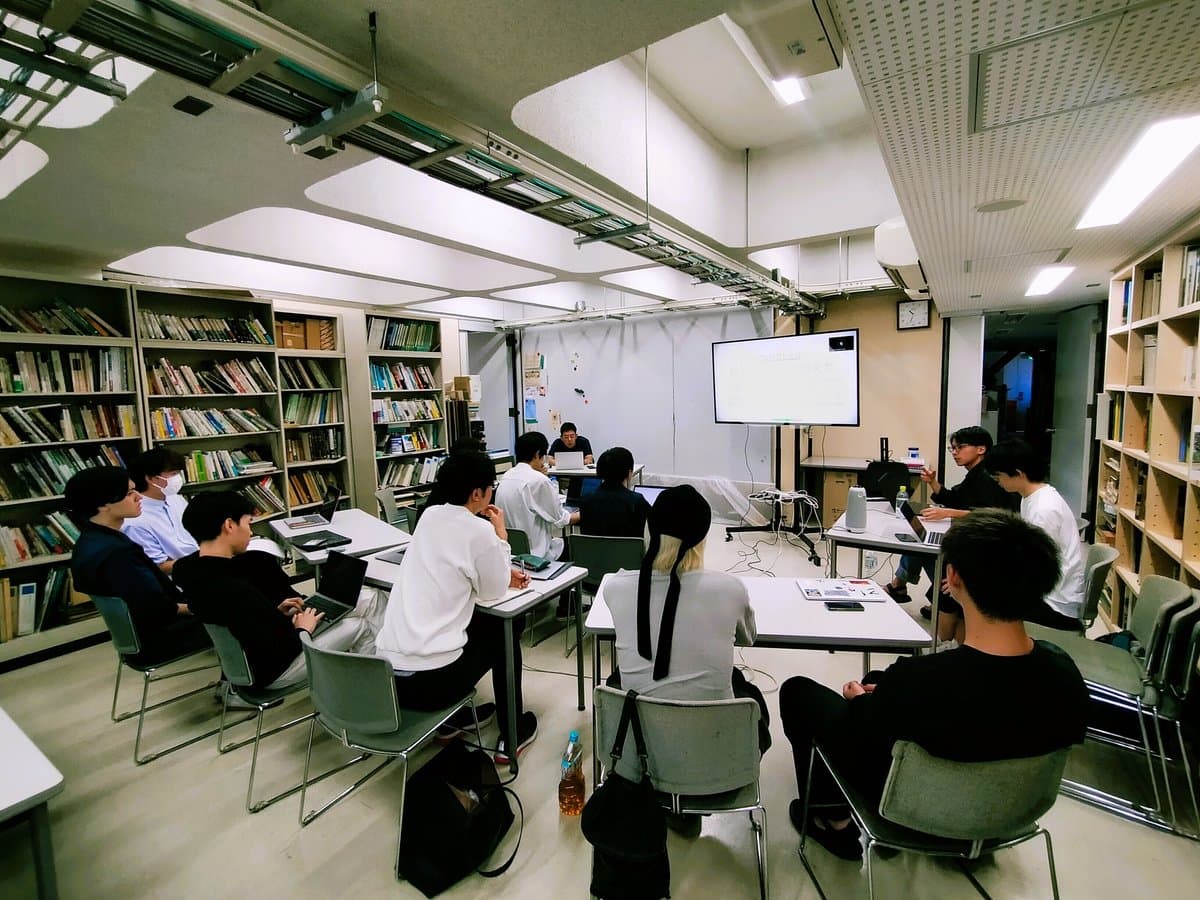
FIG.2
Emphasizing that the common ground between a challenge and its solution is where true value lies, he stated, ‘Taking action to explore challenges is the most important thing.’ A good challenge must be both ambitious and solvable. We will take a step forward from our previous selves—who tended to stop at mere fantasies and proposals—and seek answers in the outside world, such as from clients and the market.
Next, Mr. Hayashi, a director at Tokyo R Real Estate, gave a lecture on business mindset.
Mr. Hayashi studied architecture as an undergraduate but developed an interest in business and began his career at a major foreign-affiliated consulting firm. After spending a year studying abroad for his master’s degree, he founded Tokyo R Real Estate at the age of 32, and this year marks the company’s 20th anniversary.
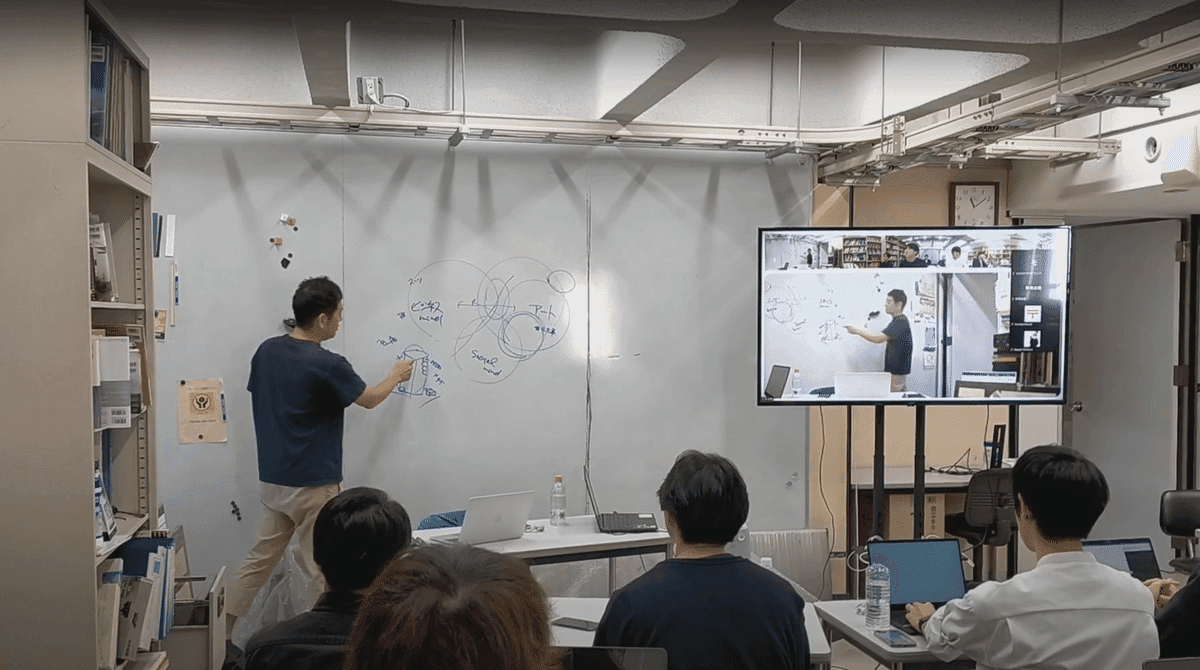
FIG.3
“Architecture students enjoy thinking about art and society, but they don’t think much about business,” says Mr. Hayashi. In a world driven by market principles, one should start by recognizing the very existence of those principles.As Mr. Hayashi notes, it took him two years to develop a business mindset; “understanding” business is not something that can be mastered overnight. However, it is important to learn how skyscrapers come to stand within the framework of economic rationality, to acknowledge that reality, and—once acknowledged—to consider what can be done.The audience listened intently to Mr. Hayashi’s words.
In the second half, 14 participants presented their concepts and ideas, and received feedback from Mr. Hayashi on their next steps.The participants’ topics spanned a wide range, including local currencies and manufacturing, “naturalness” in cities, two-tatami-mat architecture, the reuse of reclaimed wood, green building, the symbiosis of people and facilities, rakugo and architecture, generative AI, and demolition archives.The participants’ stages of development and strengths varied widely—some held strong philosophies, others had compelling ideas, and still others were already active in driving numerous projects. Initially, Mr. Hayashi’s feedback session was scheduled for two minutes, but he took the time to carefully engage with the many distinctive philosophies and ideas presented. Although he significantly exceeded the allotted time for each presentation, he provided meaningful advice on every one.
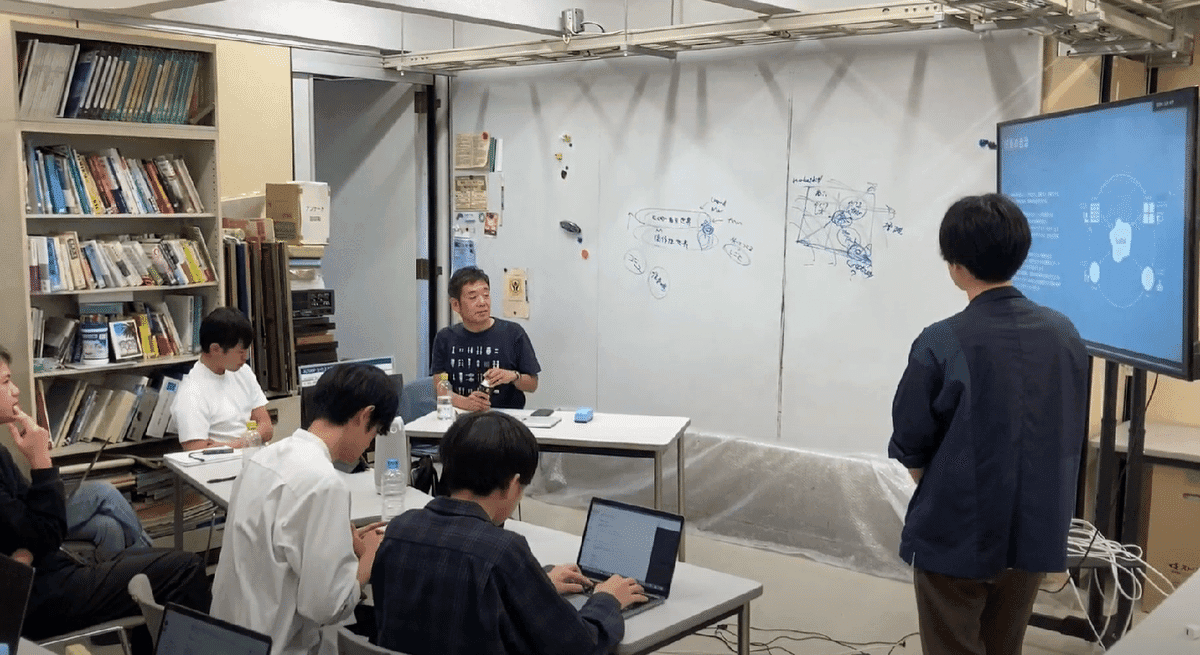
FIG.4
By creating a space where like-minded individuals—united by their shared passion—could gather beyond the boundaries of universities, academic years, and fields of interest, a lively exchange of opinions emerged, moving fluidly between the concrete and the abstract. In Week 2, based on the feedback received from Mr. Hayashi, we will work on translating these ideas into specific projects. ASIBA’s journey continues.
Credit
Related Works
Related Texts
INC-1st Class Report #2
REPORT
2023.10.15.