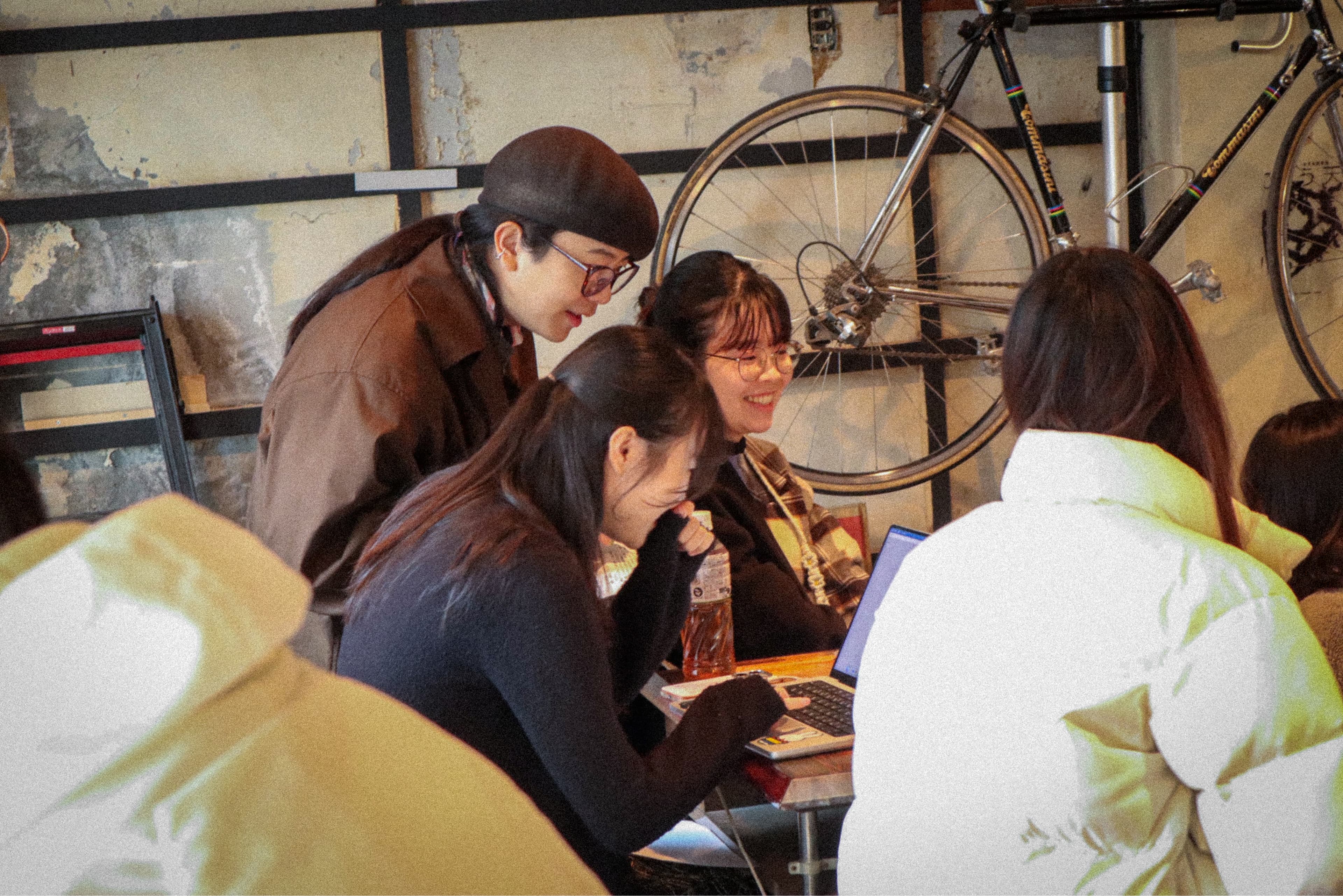
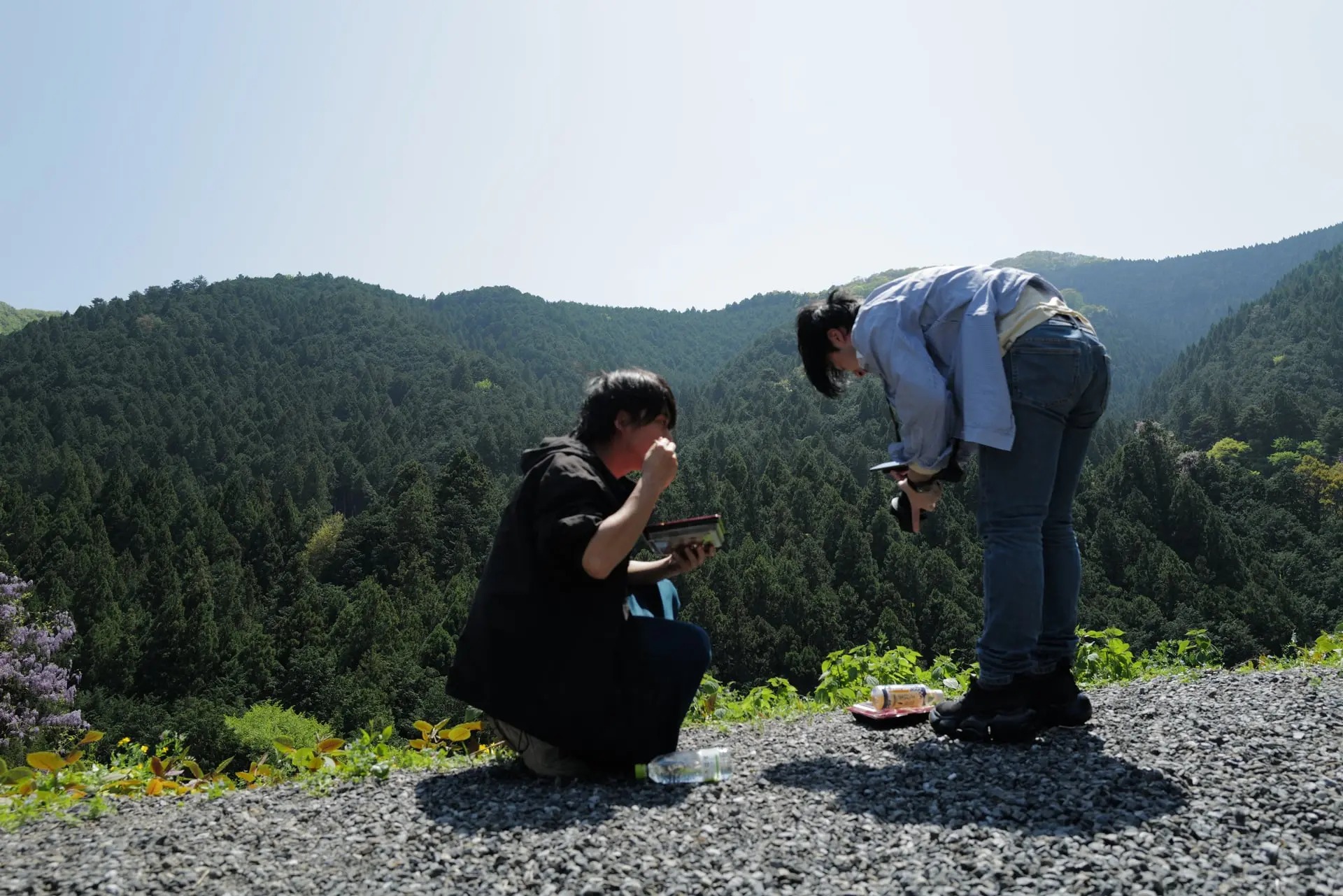
Creative-LAB. Organizing Team Roundtable #3
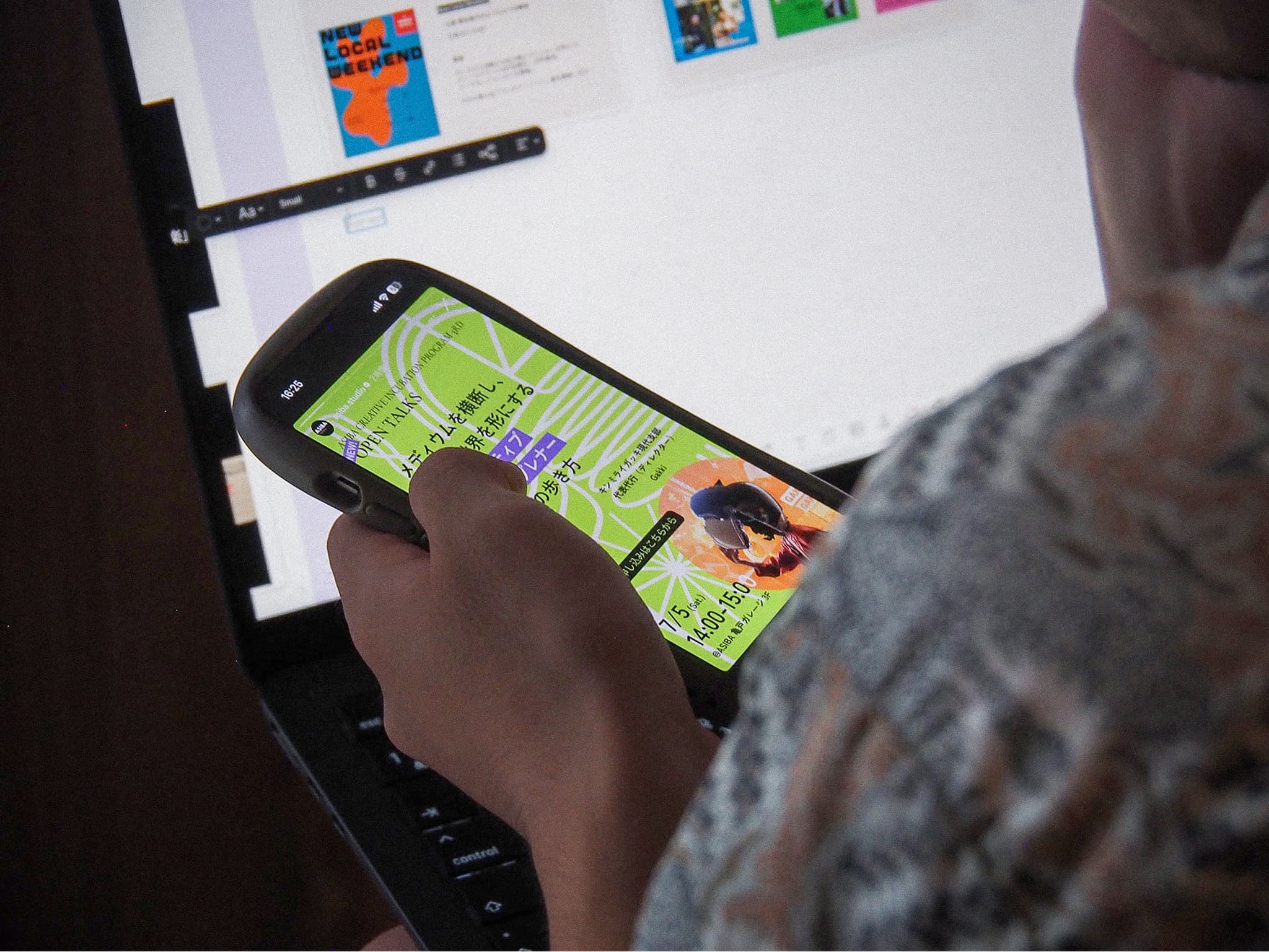
FIG.1
Takano: On a different note, we’re introducing “MEs” this time. This is a digital collaboration tool for the metaverse, provided by O Corporation.We want to prioritize creating an environment where we can truly focus on the creative process, even when working online. I think it’s incredibly important to seamlessly bridge the online and offline worlds while creating an environment where we can concentrate on production even when working remotely. What are your expectations for using MEs here at Creative-LAB.?
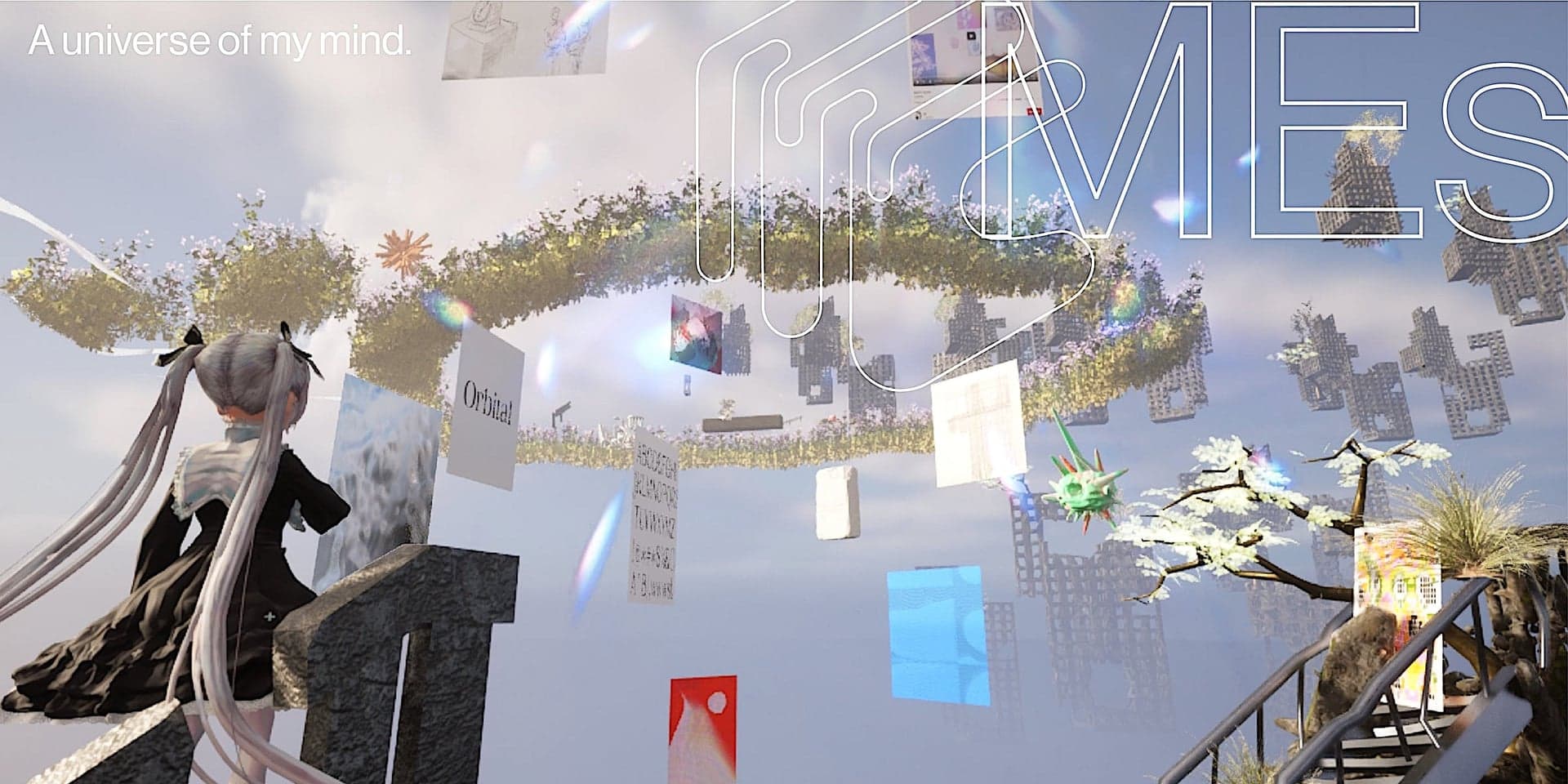
FIG.2
Sudo: What’s interesting about using MEs is that you can place notes and other items in a 3D space. In other words, you can leave your work-in-progress there. I think it’s fascinating that others can view it and leave comments. I find it really exciting that we can share this “process-oriented” approach within our team and community.
Sometimes it’s better to circulate ideas and insights. By making them public rather than keeping them to yourself, a chemical reaction can occur. That’s why it’s better to do this in 3D—it’s harder to achieve that effect on a flat surface. Also—how should I put this?—I feel like the ideas that emerge in the real world are somehow a little different from those that come from the virtual world.It’s not just about drawing; in fact, the computer might actually be the key to entering that creative flow—it could serve as a tool or instrument. In that sense, I feel it can be a catalyst for taking my ideas and perspectives to the next level, and I’m wondering if we can’t create a new hybrid form—one that combines the best of both online and offline worlds—through programming.
Takano: I see. We have two more topics left. First, let’s talk about the design system. As you can see from the key visuals, Creative-LAB.’s design system is divided into three phases, where the resolution of the background images and text gradually increases. I’d like you to explain the philosophy or message behind this.
Morihara: Mr. Izumida created the graphics for this project. If you look at the logo—which features two lines—the left side of the “Creative-LAB.” text has a lower resolution, while the resolution gradually increases as it moves to the right.If you check out the website, you’ll see that it moves smoothly, and there’s even a feature that lets you hover over the left and right sides—but we added that just for fun (laughs).
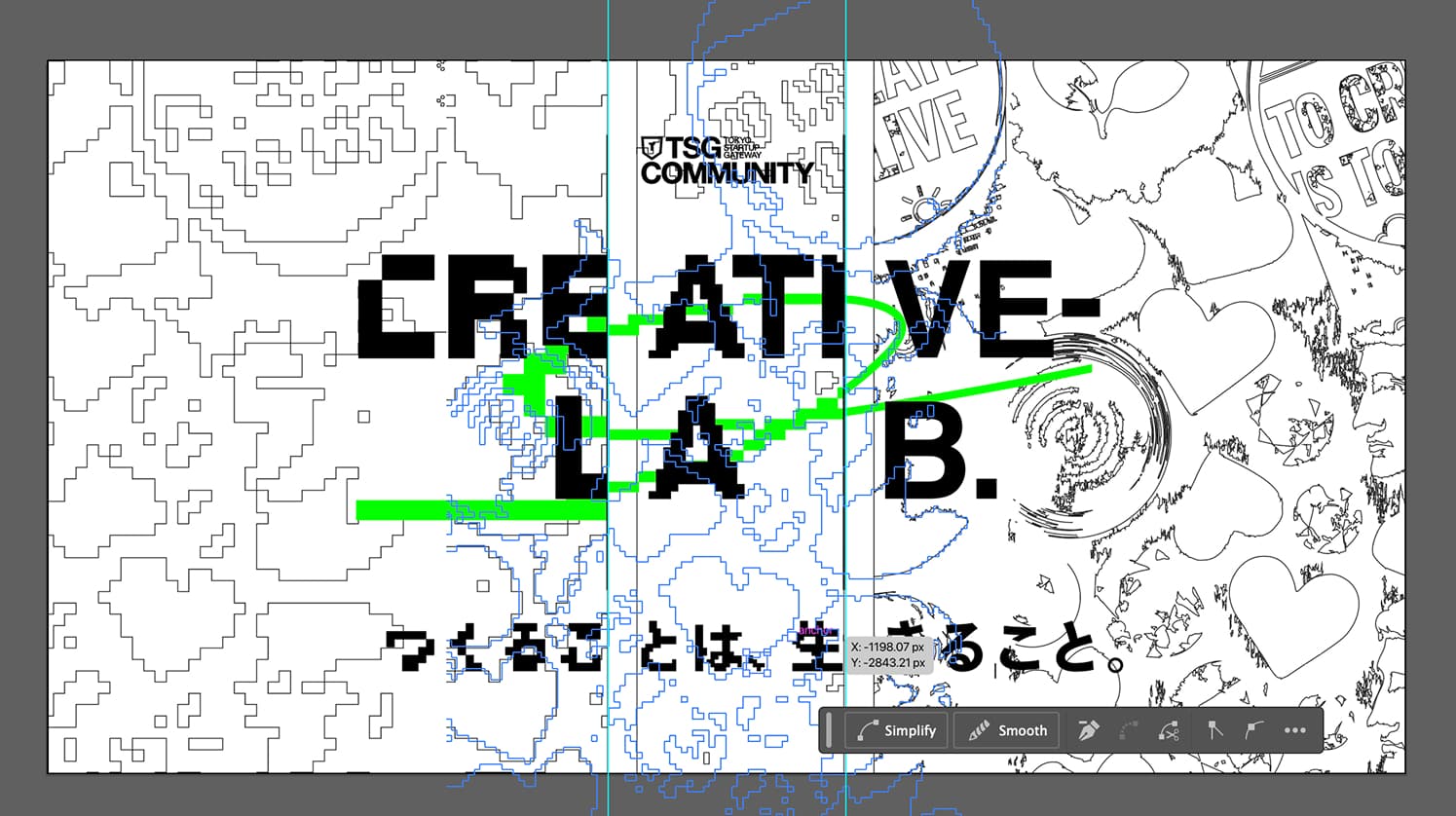
FIG.3
We’ve designed the program with the same approach in mind. I think it’s totally fine if you’re someone who doesn’t know what you want to do at first, or isn’t quite sure what “creative” means—even if you’re just searching for something without any concrete ideas.Through the program—via various lectures, workshops, and fieldwork—you gradually begin to see the outline of who you are; the connection between living and creating becomes clearer, and your “resolution” increases. That’s what the graphic is meant to express. I hope that comes across.
Takano: Mr. Sudo, you were the one who implemented the design this time—how was it?
Sudo: This applies to ASIBA as a whole, but I think that sense of dynamism is incredibly important. As a space, it gets better when all kinds of people gather here and create a lively buzz—or rather, through that interaction.That sense of movement—that it’s not static—is crucial. If we were to express that conceptually on the website, I think it would be best to have elements that respond to mouse movements. That’s why, basically, everything on the ASIBA site is in motion.

FIG.4
Takano: We’ll be releasing the landing page soon, so I hope you’ll take a look.
Takano: Now, for the final question: This program is divided into three phases—“Expanding Your World,” “Creating with Focus,” and “Confronting Yourself.” I imagine each phase lasts about a month. What was the intention behind these three phases, and what kind of insights or growth do you hope participants will gain during each one?
…Right, I actually came up with this myself (laughs). Of course, I realize there are probably various ways to approach it, and I don’t intend to create a rigid program—I think it’s fine to pick and choose what works for you. But I do think that when creative people face themselves, they can’t truly do so without first creating something.
In addition, rather than simply creating something based on what’s already inside you, I think the process goes like this: first, you look at all sorts of things, put them into perspective, and meet people you don’t quite understand—and only then do you create. And finally, you turn your attention inward.I also think of it as a process where the “resolution” gradually increases: first, you observe the world—even if it’s a rough start—and then you make an effort to raise that resolution yourself, until finally, a way of life becomes clear. That’s the sequence I have in mind, which is why I’ve divided the program into these phases.
Morihara: That’s right. Rather than a strictly structured program, it’s more of a studio-style format—where we gather to think, go on fieldwork, listen to lectures, and engage in intellectual exchange—but we don’t stop there.In typical programs, it often ends with just creating a pitch deck, but we want to take it a step further—all the way to actually creating something. It’s fine if it’s just a study, but the goal this time is to get to the point where there’s a tangible product, a service, or at least a clear vision of what it could be.
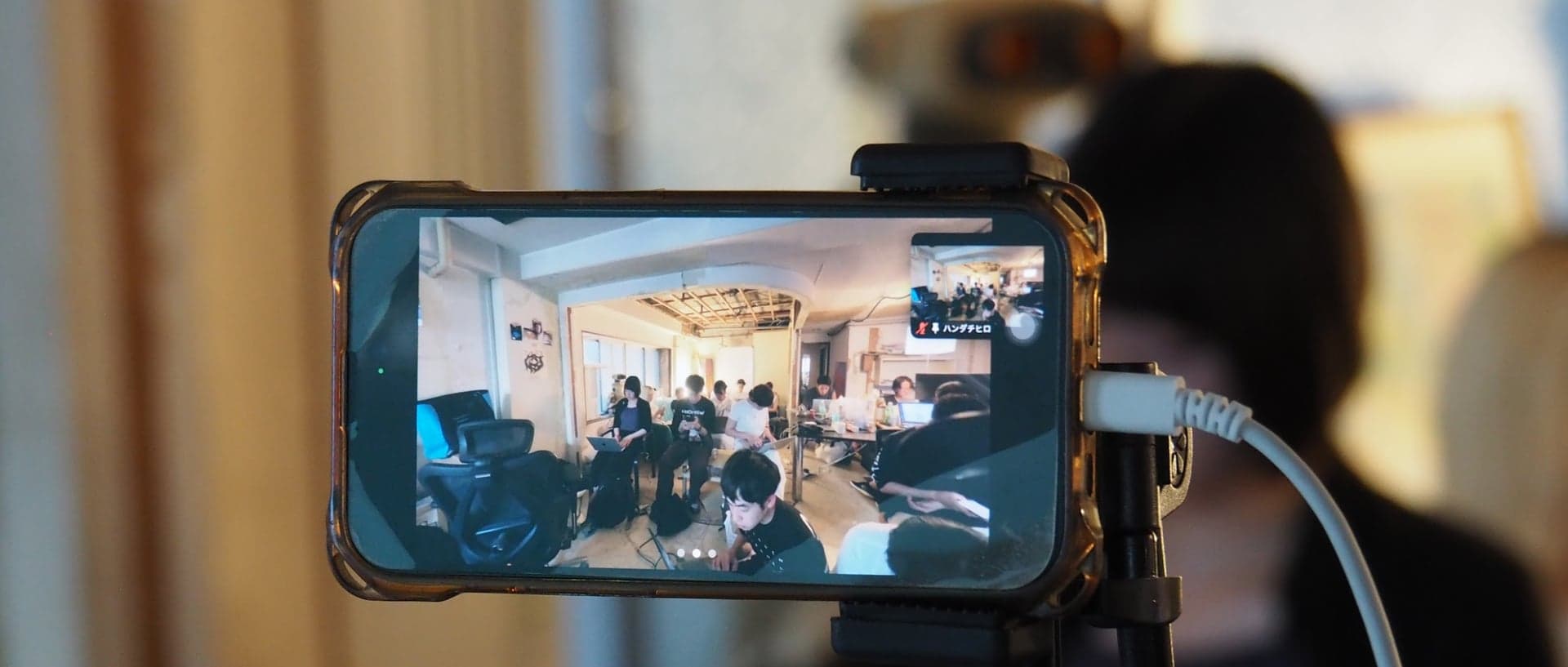
FIG.5
Takano: And from the program designers’ perspective, we want to make sure this is truly linked to personal transformation—that’s something we consider very important, and we’re currently brainstorming various ways to achieve that.
Morihara: We want to place a strong emphasis on discovering what you truly want to do through the act of “creating,” and on identifying your core self through the process of making something. We’ve also planned some truly fascinating fieldwork and lectures, so I really hope you’ll join us.
Takano: I think anyone who managed to listen to this entire conversation—which lasted just under an hour—or read this 14,000-character article will probably be a good fit for the program. That was quite a long conversation. Thank you very much. Finally, Morihara, could you please wrap things up?
Morihara: This time, we’re participating as a co-planning partner alongside the Tokyo Metropolitan Government and ETIC. I think establishing a lab in the creative field is a new challenge for both the Tokyo Metropolitan Government and ETIC as well, and we’re feeling a bit nervous about it too.
However, ASIBA has a wealth of know-how cultivated through our incubation efforts, and we plan to share that. As I mentioned at the beginning, while there has been a surge in spaces where people with similar backgrounds gather in recent years, we want this to be different—a three-month lab where people from diverse backgrounds come together, interact, and learn from one another.
So, if you’re wondering how to live your life, or if you lack confidence in yourself, but still love creating things or want to keep making things, please join us—even if just for these three months—since it’s free.
Thank you very much for listening this far.
Credit
Related Works

Creating is Living for Each of Us
Creative-LAB. Organizing Team Roundtable #1
DIALOGUE
2025.07.29.