Creative-LAB. 2nd Term Program Report #5
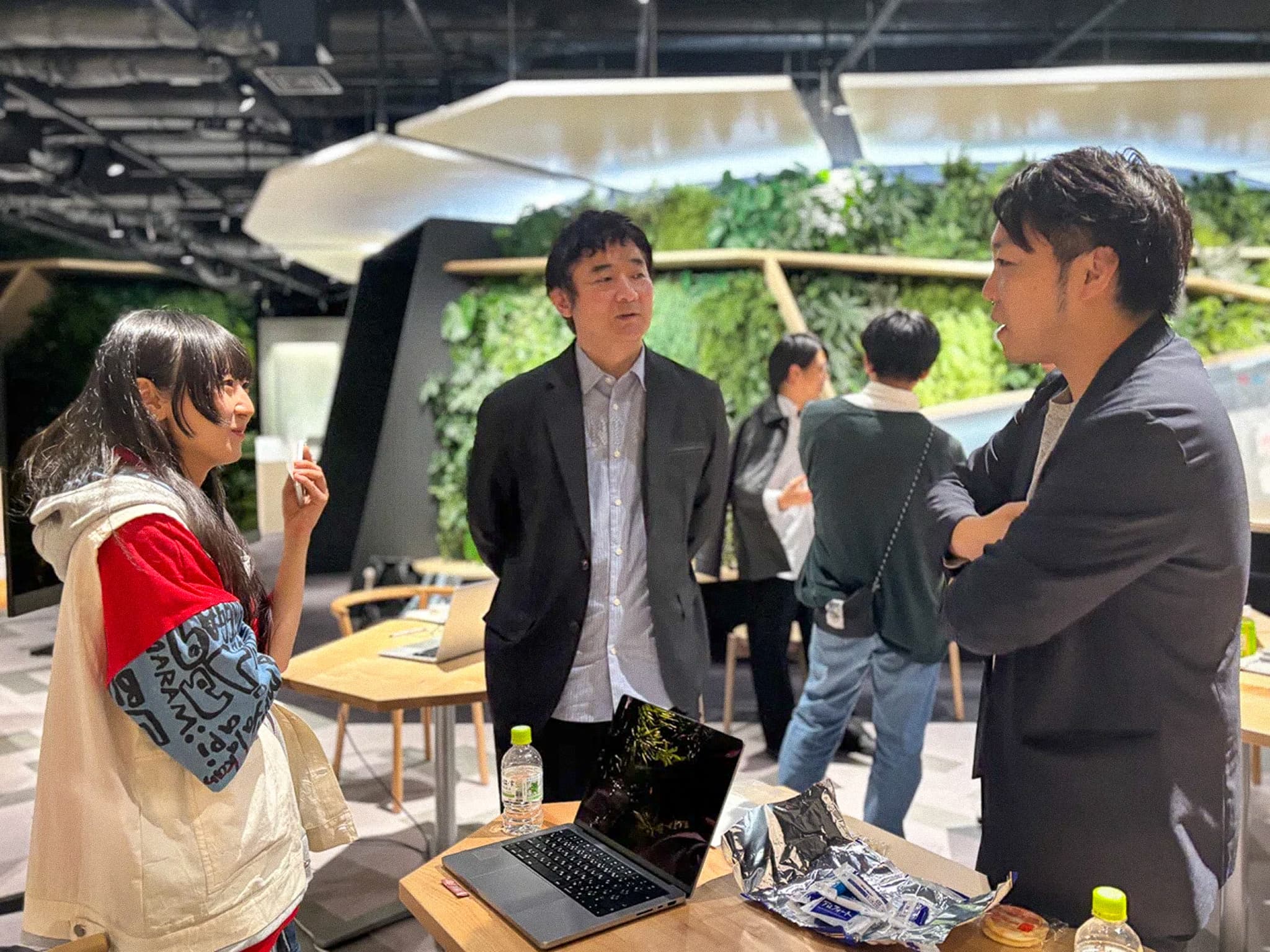
FIG.1
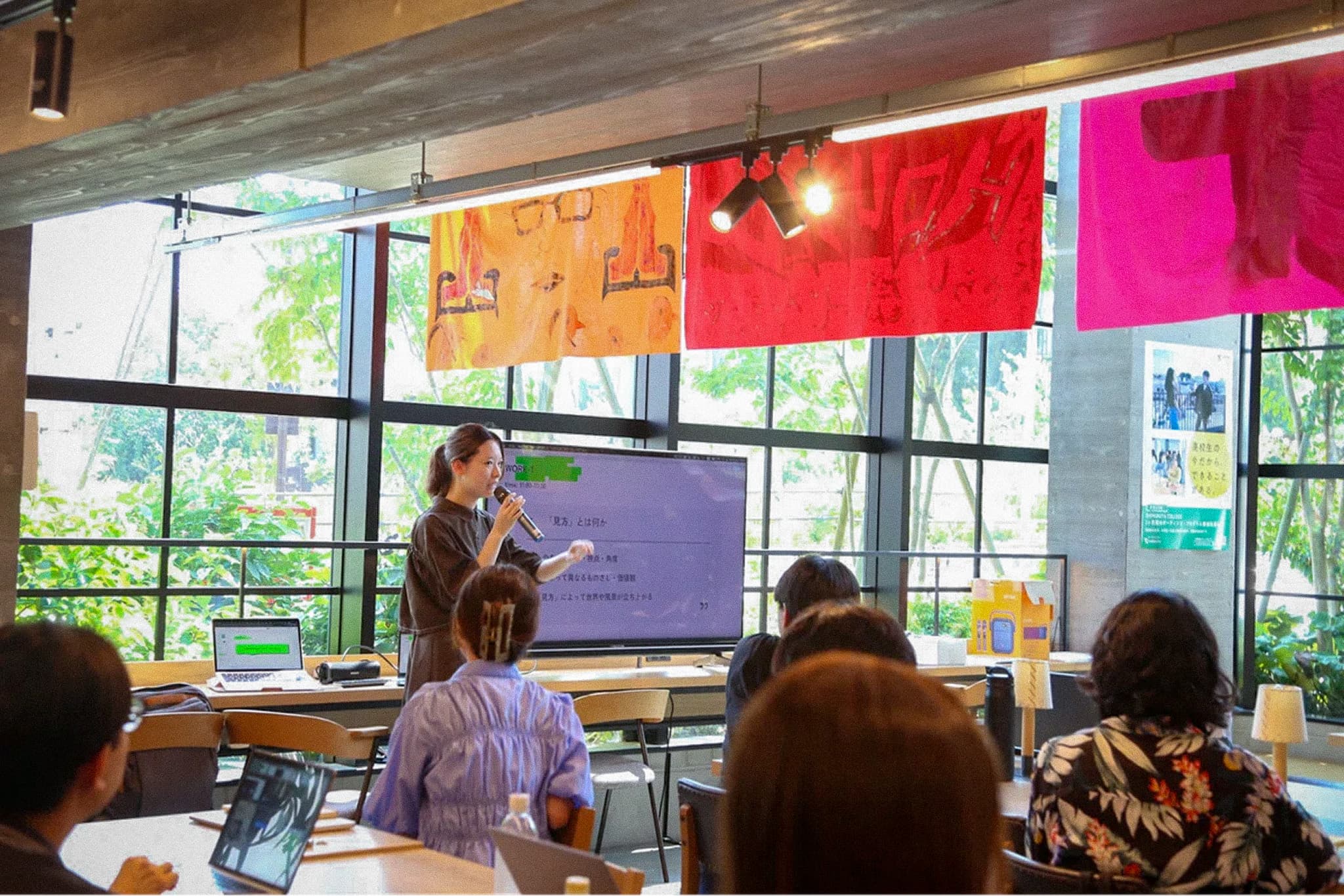
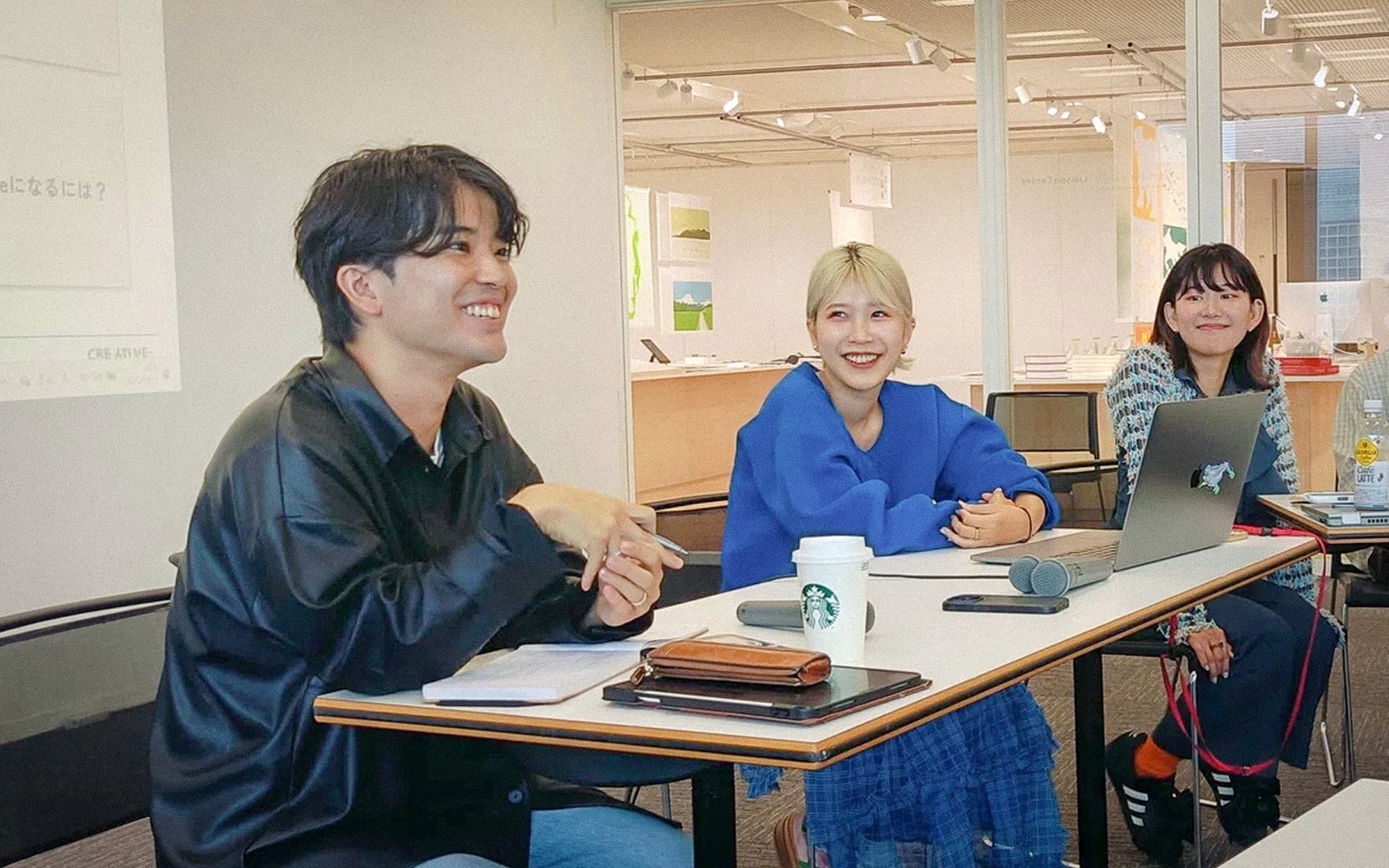
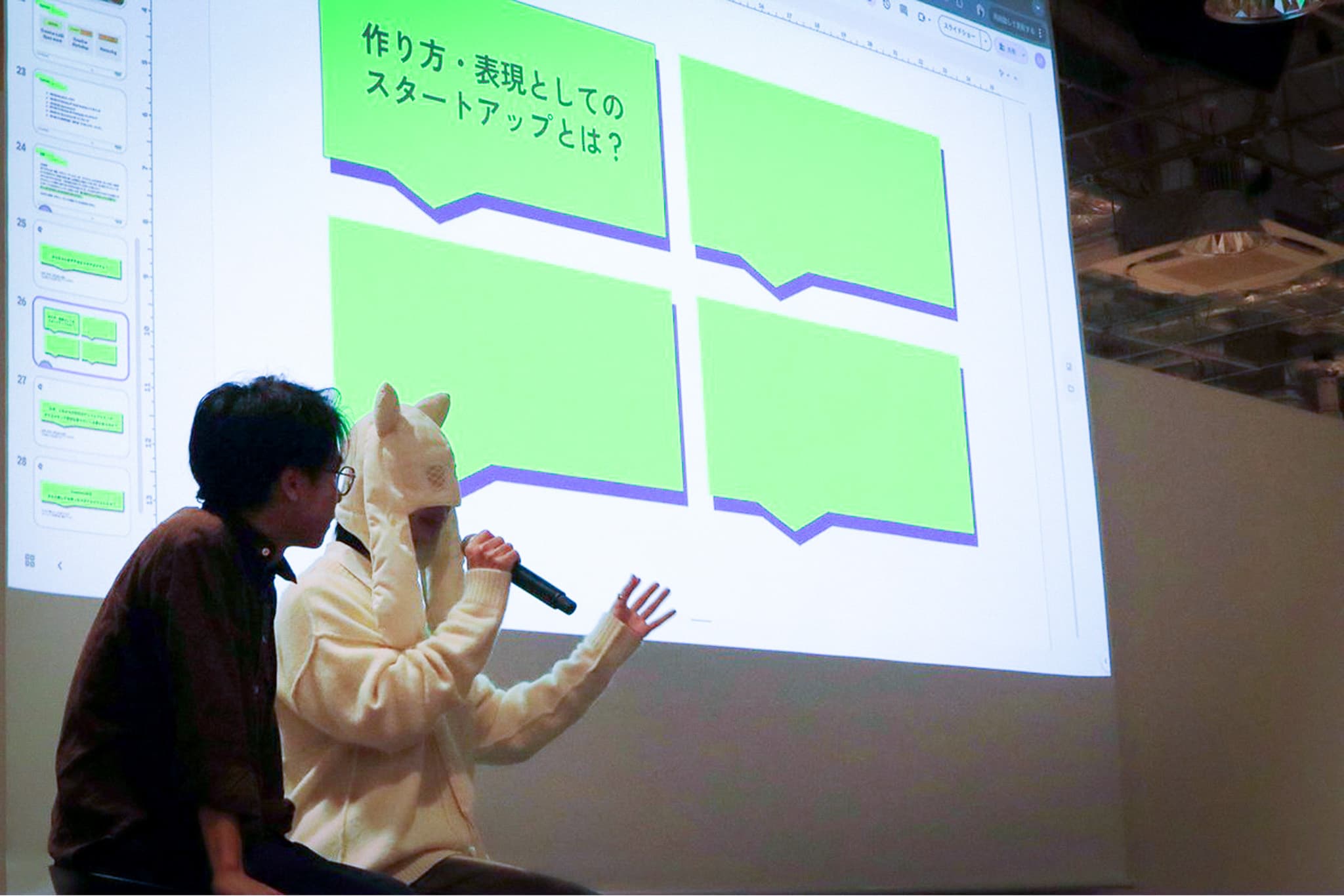
On October 24, we held Creative-LAB DAY 5 (Open TALK 3).Under the title “The Back-and-Forth Between the Everyday and the Extraordinary, and Perspectives on Creation,” we heard from Yuri Nakahashi, who received the Excellence Award at the 2023 GOOD DESIGN NEW HOPE AWARD, and Yuhi Itaya, who received the Grand Prize in 2024. This article presents a selection of highlights from the Open TALK.
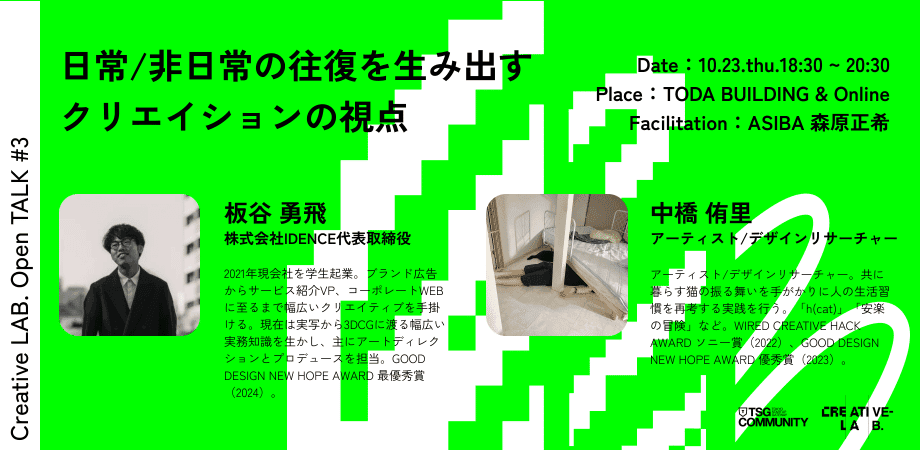
FIG.2
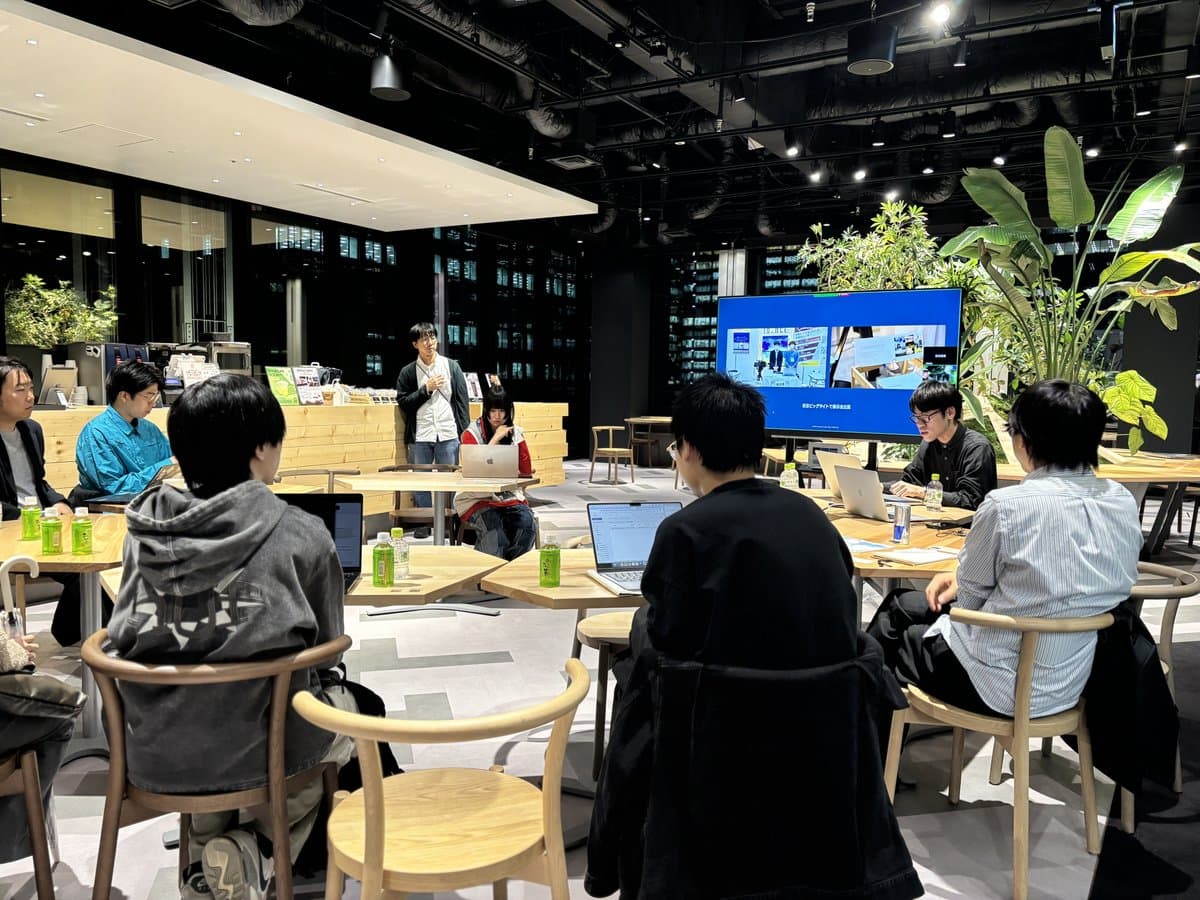
FIG.3
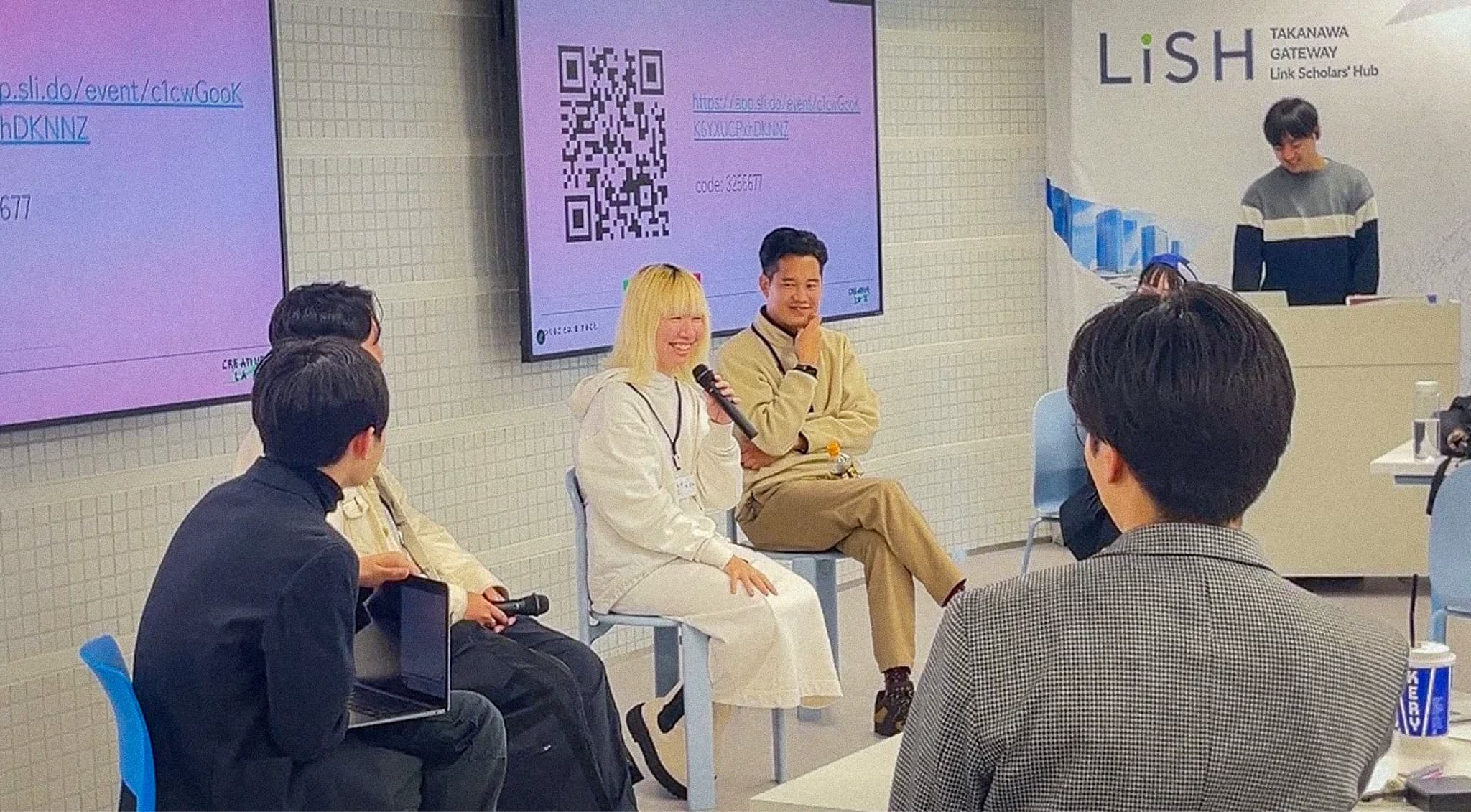
As part of the Tokyo Startup Gateway initiative promoted by the Tokyo Metropolitan Government, ASIBA operates “Creative-LAB.”, a program aimed at fostering entrepreneurs in the creative sector.Today, we are holding the fourth installment of “Creative-LAB. Open TALK,” a side event of the program. Open TALK is a series of talk sessions featuring creators in their 20s, designed to foster an ecosystem where young people and students aspiring to become designers or creators can continue to take positive action in society without giving up on their talents or circumstances.
The impetus for this event stems from the challenge that, in the wake of the COVID-19 pandemic, young creators have become hesitant to “start something” or “create” on their own. How to overcome this hesitation is a critical issue for the future of the design and creative industries.By inviting award-winning young creators and those engaged in pioneering forms of expression and social implementation, we aim to archive their activities and ways of thinking and share them with the next generation, thereby fostering new forms of engagement.
FIG.4
Our first guest, Mr. Itaya of IDENCE Co., Ltd., has been passionate about video production since high school. After working as a freelancer, he now leads a video production company. We’ll hear in detail about his journey so far and his new, forward-looking challenge: the “Future Scape Design Studio.”
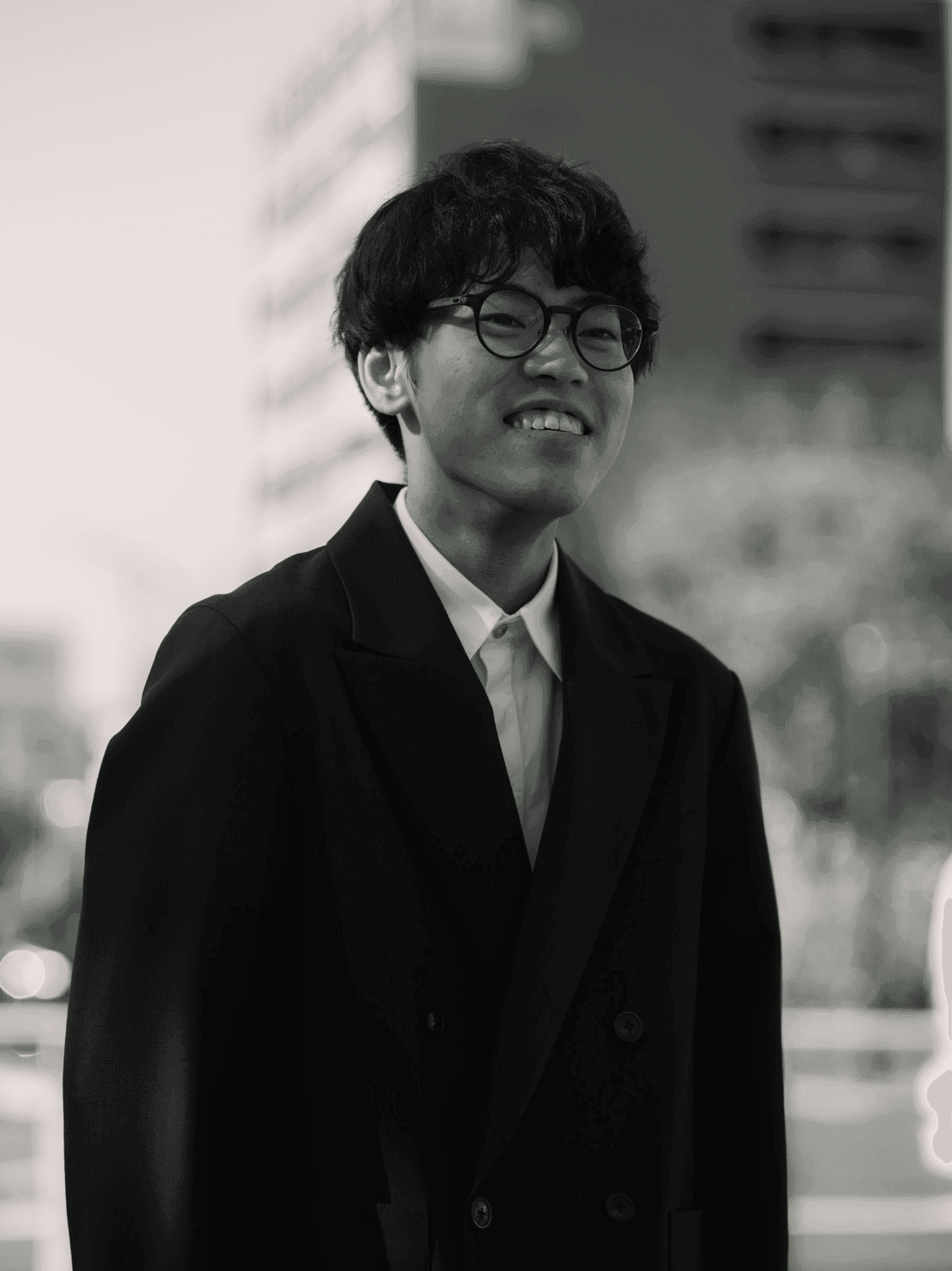
FIG.5
Yuhi Itaya, CEO and Creative Art Director, IDENCE While handling a wide range of creative projects—from brand advertising to corporate websites—at the company he founded as a student, he also serves as art director, leveraging his extensive knowledge of live-action and 3DCG.He also won the Grand Prize at the GOOD DESIGN NEW HOPE AWARD (2024) for “Adventure BOX,” a play starter kit designed for elementary school students undergoing hospitalization.Under the slogan “Let’s start an adventure from your bed!”, he will delve into the power of socially implemented design to transform the “extraordinary” experience of battling illness into a “story of hope.”
IDENCE Co., Ltd. is a video production company headquartered in Asakusa, with a team of approximately 15 members—including contract staff—working on productions daily. The company’s production scope is broad, and it has deliberately taken on a diverse range of projects, from music videos to commercials and event videos.
FIG.6
A major characteristic of IDENCE is that it consistently covers every aspect of the production process.From branding, direction, and project management to filming, CG, post-production, and sound—handling everything in-house is rare in the video industry. As a result, while the projects we’ve undertaken to date are diverse, we’ve particularly excelled in visualization projects centered on the theme of “the future.”
For example, we worked on a project for Taisei Corporation that depicted Kamakura City’s resource recycling model for the year 2030, as well as a project for Nikon that presented a vision for the future of technology in 2024 at CES, the world’s largest technology trade show in Las Vegas.Additionally, in Okayama—Mr. Itaya’s hometown—the company successfully completed a project to produce television commercials aimed at a full rebranding of the Chugoku Bank (Chugin Financial Group).In addition, we have been involved in numerous projects that visualize the future, such as videos for the “Future City Pavilion” at the World Expo, NHK Technical Research Laboratories’ “Future Vision,” and new digital educational dramas for the Ministry of Economy, Trade and Industry’s “Classrooms of the Future” project. As he built up this track record, Mr. Itaya says he began to reflect deeply on the “significance” of video production.
Mr. Itaya originally entered the industry because he was drawn to creating impulsive and catchy commercials and music videos. However, as he continued working on a wide variety of projects, he noticed an increase in advertisements that did not always leave a “positive impression” on viewers, leading him to reflect deeply on the “value” his team truly wanted to provide to society.
One answer to that question was the Future City Pavilion at the World Expo. When he saw children captivated by videos that visualized a future that did not yet exist, he reaffirmed that video content designed to “depict a vision of the future” holds clear social value.
“While other companies might be able to produce music videos and the like if they have the budget and connections, isn’t this the very field—visualizing visions of the future—where we can truly leverage our strengths? This is precisely where we want to use our technology to create the very best.”
This conviction became the major driving force behind IDENCE’s next steps.
Based on these experiences, IDENCE Co., Ltd. has revamped its corporate brand and is making a fresh start as “Future Scape Design Studio.”
At Future Scape Design Studio, we will transcend the traditional framework of video production, carve out a niche as a “company that visualizes visions,” and provide creative services specialized in future planning.For example, much like redevelopment plans in the construction industry, we aim to increase support for projects and attract interested parties by using CG and VFX technologies to concretely “visualize” “future visions and concepts” that do not yet exist, thereby paving the way for their realization.Our mission is to bring the future to life and share it with the public, much like the “Future City” pavilion at the World Expo.
In addition to vision visualization as a commissioned service, IDENCE has also begun building its own IP. This is the “Kasu” project.
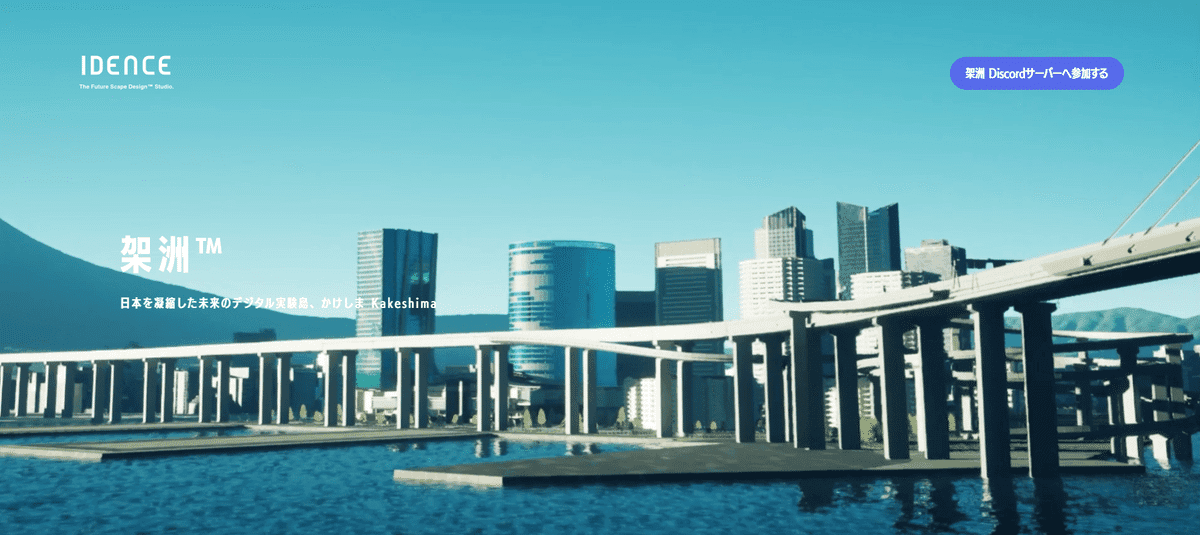
FIG.7
Kasu is a fictional “experimental island” that condenses every aspect of Japan’s unique characteristics, and it will be developed and operated as our in-house IP. The island spans approximately 15 km in diameter and features a diverse range of environments—from a major metropolitan center (modeled after Marunouchi) to remote villages—all within a 30-minute drive.It is not merely a fictional town; its evolution has been traced back to Meiji-era maps, and it has been meticulously designed down to the finest details—including the Metropolitan Expressway, bridges, road schedules, and one-way traffic regulations. This realistic setting condenses scenery that feels “truly plausible,” creating a high level of immersion.
Mr. Itaya began creating this virtual world out of a need to produce a vision video for his company, but he now believes that this world itself has become a core asset for Future Scape Design Studio’s activities—and a powerful competitive advantage.
“What is the meaning of our existence in this society?” As an answer to that question, Mr. Itaya is pooling technical expertise and creativity to visualize a future that no one could have imagined. We look forward to his continued success.
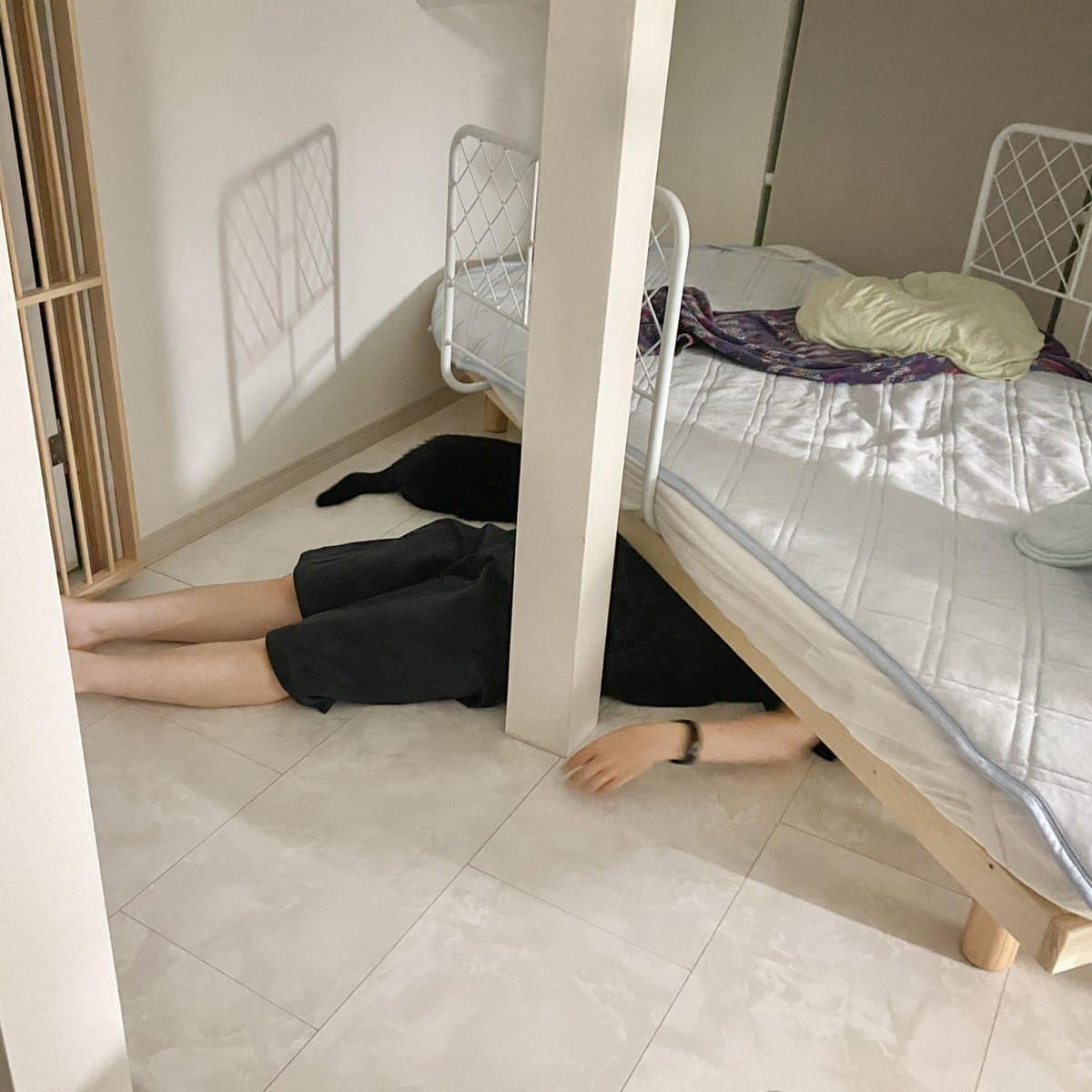
FIG.8
Yuri Nakahashi, Artist/Design Researcher: Engages in practices that rethink human lifestyles based on the behavior of the cats she lives with.Her works include “h(cat),” an installation that uses thread to trace the movement paths of people and cats within a space modeled after a living room, and “The Adventure of Comfort,” a 24-day record of a person sleeping in the sleeping spots chosen by their cat.Major awards include the WIRED CREATIVE HACK AWARD (2022, 2024) and the GOOD DESIGN NEW HOPE AWARD Excellence Prize (2023). https://nyuri.myportfolio.com/about
Drawing on her background in design engineering and interdisciplinary information studies, Nakahashi creates works as an artist and design researcher.
She values the philosophy that “research is found in everyday life.” Rather than relying solely on mental processes or existing knowledge, she identifies questions through experiences gained through her own body and presents this process as art.
In her design research, Nakahashi engages in practices that reexamine how we perceive and experience things, using the characteristics of her own body as a starting point. One example of this is the research she conducted while working on an undergraduate project to redesign an alarm clock.
Nakahashi, who is nearsighted (0.03 diopters), noticed that her vision was blurry and unclear, especially upon waking up. So, she spent a day without her glasses—in her “uncorrected” state—and kept records focusing on what stood out to her and what caught her attention, both at home and when out and about.
Nakahashi does not view poor eyesight itself as a problem. Rather, she takes the stance that it is sufficient to observe the unique way of seeing that comes with not wearing glasses and use that as a basis for her design. In this research, rather than trying to overcome the “state of not seeing clearly,” she drew on the sensations and experiences arising from that state to derive a new design perspective.
“The Adventure of Comfort” is a work based on the practice of letting a cat choose where to sleep each night.
Nakahashi paused to reflect on her own daily routines and developed the questions that arose from them into a practical experiment. Rather than starting with a specific research topic or expected outcome, she began by reexamining the very acts that were repeated in her daily life.
As the time spent at home increased during the COVID-19 pandemic, Nakahashi noticed that she often found herself falling asleep next to her cat. This led to a simple question: “Might the places my cat chooses also be comfortable for humans?”To explore this question, she carried out a practice of sleeping in the same spot where her cat slept every night for about a month.
Through this practice, Ms. Nakahashi’s definition of “what constitutes a comfortable sleeping spot for me” began to shift.By resting her body not only in conventional sleeping spots like beds and futons, but also in spaces she had never before consciously considered as places to sleep—such as the floor, gaps between furniture, and along walls—her perception of her familiar living quarters and living spaces began to shift.“The Adventure of Comfort” can be seen as an attempt to redefine her relationship with her environment by physically confirming the sensations hidden within her everyday actions.
Click here for details
Inspired by how her own use and perception of space had transformed through “The Adventure of Comfort,” Nakahashi developed these insights into an installation. In this work, she tracked the movements of people and cats living in a home and visualized their paths of movement within the living space.
During the research, the movement paths of both people and cats were recorded and not only represented as data on a screen but also rendered three-dimensionally using thread within an exhibition space modeled after a living room.By stretching threads not only near the floor but also under and over furniture, as well as in places beyond eye level, the installation allows visitors to physically grasp how cats routinely navigate spaces that humans are usually unaware of.
Viewers observe the space using their own life-size perspective and bodies—bending down to peek under chairs or looking up to follow threads located higher than their own height. Through this physical experience, the work encourages viewers to reconsider how they can use their everyday living spaces and the environments around them.
Nakahashi explains that her creative style of “trying things out using her body” has been shaped by the sense that “our daily lives themselves are experienced through the body.” Rather than a special method, it has been continued as an extension of her daily life.
Although she is sometimes called a “designer who puts her body on the line” by those around her, her work can be positioned as a practice that carefully captures the actions and sensations found in everyday life and poses questions with the body as the starting point.
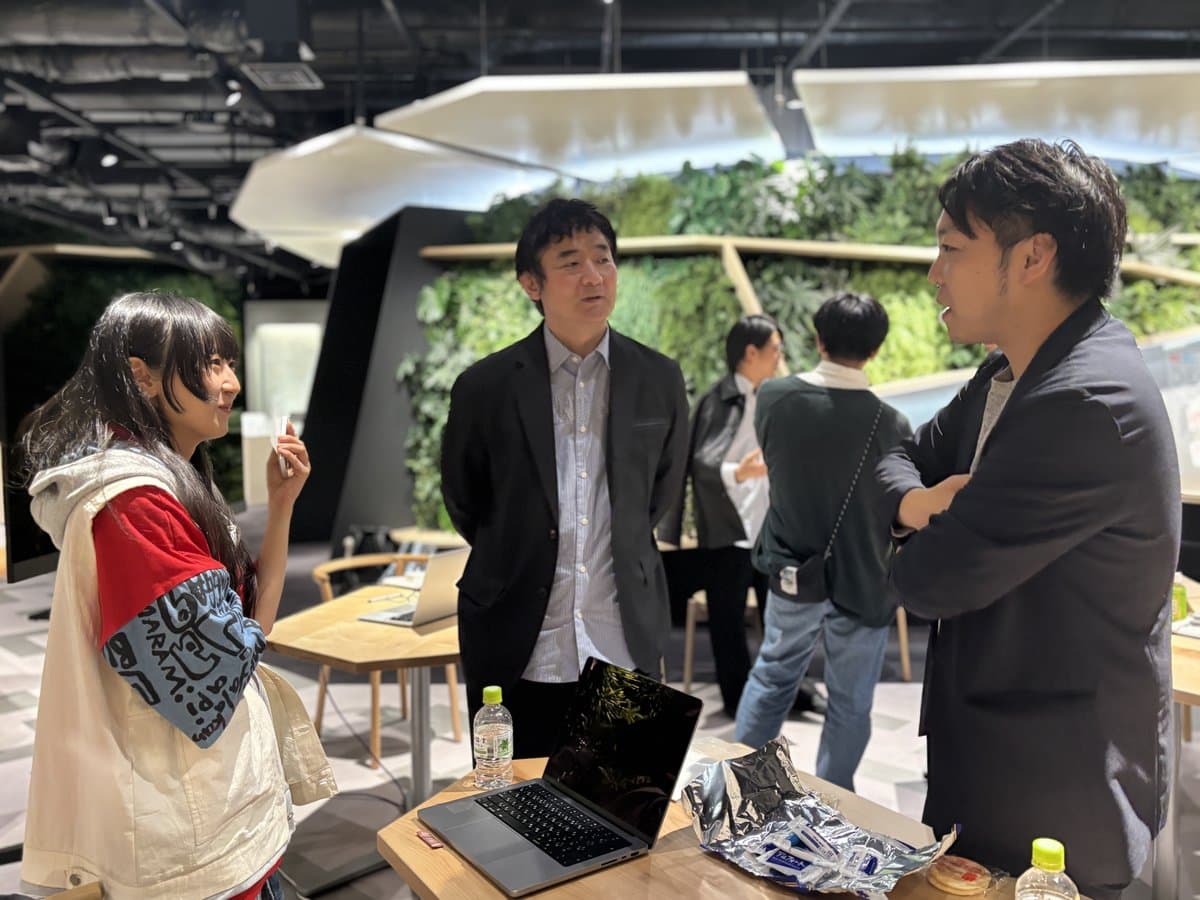
FIG.9
Creative-LAB. Open TALK #3: The Back-and-Forth Between the
Everyday and the Extraordinary, and Perspectives on Creation
Theme: Creative LAB. Open TALK is an interactive talk series featuring guests who, through their own expressive activities and creative work, have broken free from existing frameworks and forged their own paths of expression and ways of life driven by their own impulses. The theme for this session is “The Back-and-Forth Between the Everyday and the Extraordinary, and the Perspective on Creation.” Creativity is not something found far away; rather, it lies hidden within the “daily routines” we take for granted and the “challenges of the extraordinary” we tend to turn a blind eye to. Two young talents who freely navigate these two opposing worlds to generate new value will take the stage. Date & Time: Thursday, October 23, 6:30 PM – 8:30 PM Location: TODA BUILDING, 8th Floor (1-7-1 Kyobashi, Chuo-ku, Tokyo 104-0031) & Online (to be streamed via Zoom) Program: 6:00–6:30 PM Doors Open / Registration 6:30–7:30 PM Lectures by Two Guests 7:30–8:00 PM Cross-Talk / Q&A 8:00–8:30 PM Networking
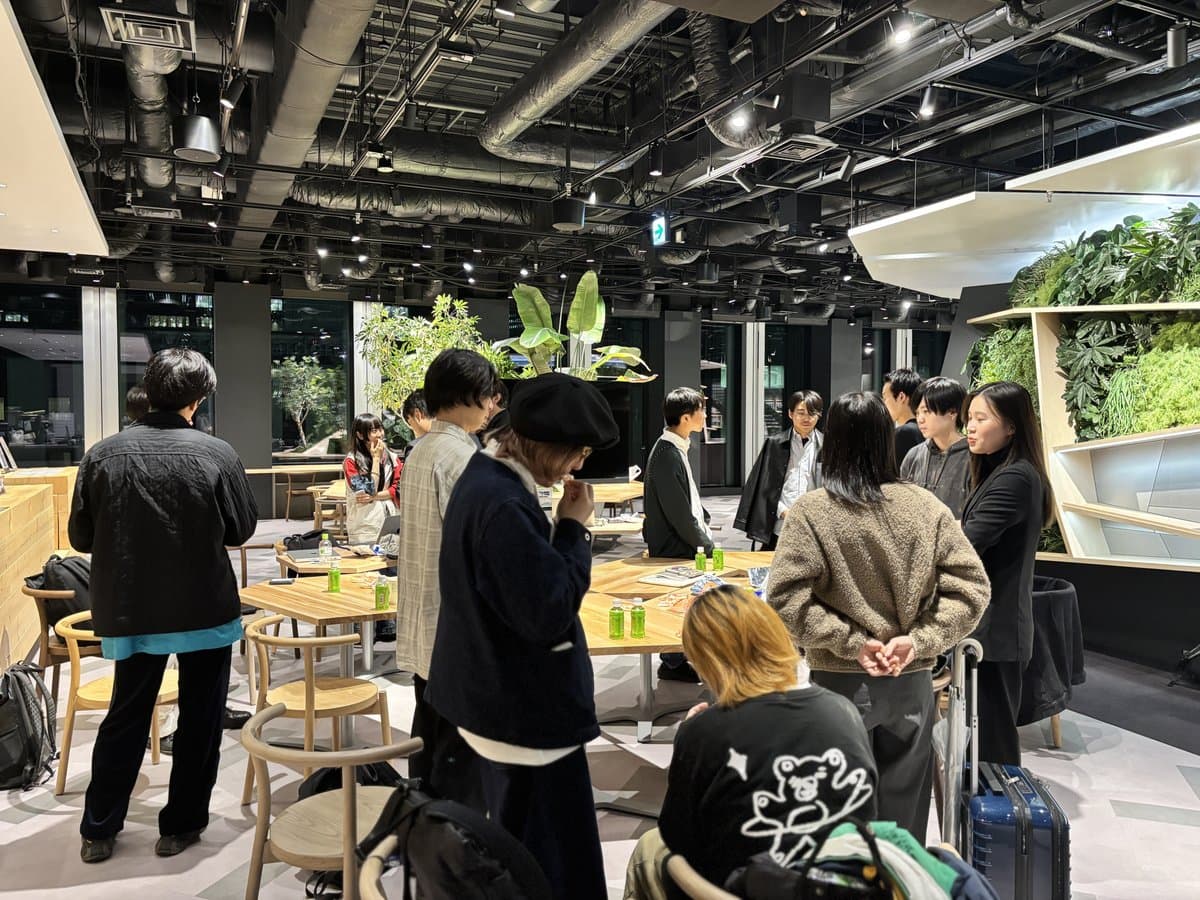
FIG.10
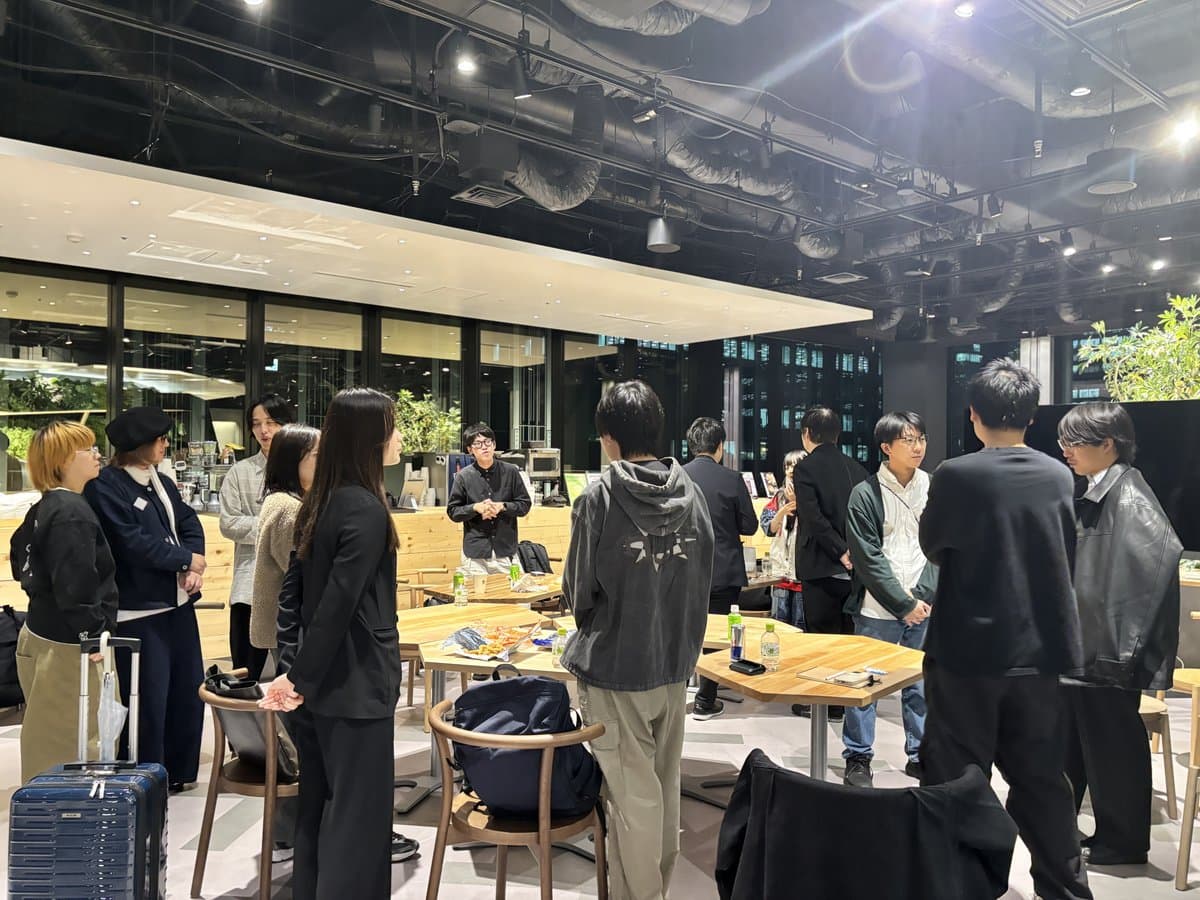
FIG.11
Credit
Related Works
Related Texts
Creative-LAB. 2nd Term Program Report #1
REPORT
2025.10.07.