Living Lens: An Introduction to Urban Design with Living Creatures
A hands-on multispecies-design program that reconsiders urban space from the perspective of other living creatures
A four-part design research program that reconsiders urban space from the perspective of other living creatures. Starting from a discomfort with “human-centered problem solving,” the program asks how we might coexist with a complex ecosystem rather than manage the city as an object we can fully control. To question urban space through the lens of other species (Cross Species Design), the program invited a range of experts and developed discussions connecting ecology and pluriversal thought to architecture and product design. Beyond classroom-style learning, participants also experienced their relationship with other living creatures physically through fieldwork, aiming to update our very “perception” of the city.

FIG.1 © Tamao Nishiyama
Welcoming the Excluded into the City
Cities have been designed for humans. But from what perspective do the creatures living quietly within the city view this space?
There is a term called the “exclusion bench .” These are benches intentionally designed with handrails or altered shapes to prevent homeless people from lying down. Created as a direct response to the client’s needs, this product sharply raises the question of what design excludes and what it includes.This program begins by directing that question toward “living creatures.”
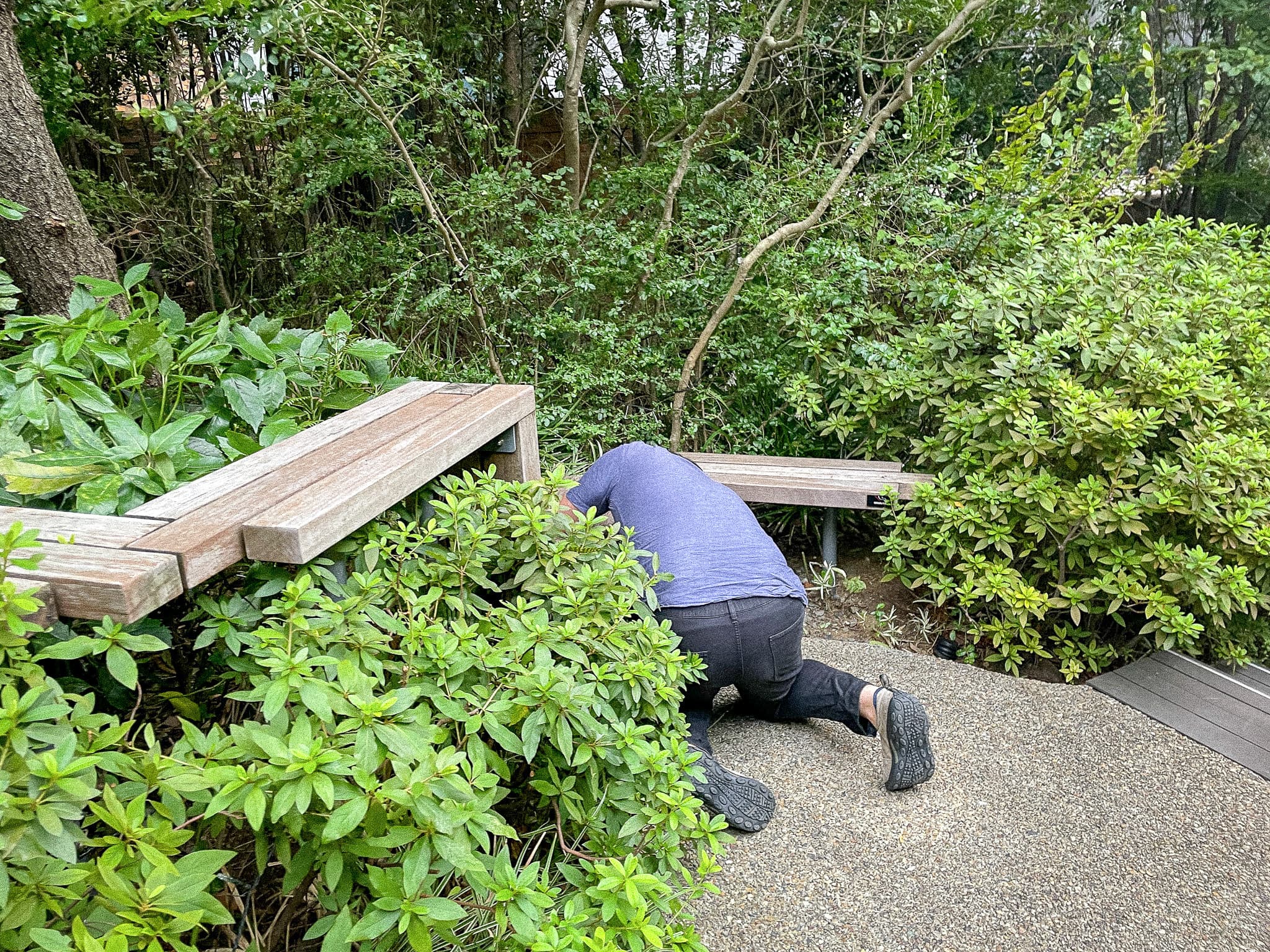
FIG.2
From whose perspective does technology emerge?
If we continue to think about technology solely from a human perspective, a certain blind spot emerges. What do we consider a problem, and what do we call a solution? That very framework for judgment is, without our realizing it, defined by Western modern rationalism and capitalist logic.Efficiency, optimization, management. When these terms function as self-evident truths, it becomes difficult to notice what falls through the cracks.
Could we “install” the perspective of living beings? In *The Companion Species Manifesto*, Donna Haraway argued that humans and non-humans construct the world while relating to one another as equal “significant others.” By incorporating this perspective into urban design, living beings—who have until now been subjects of control and exclusion—emerge as agents who co-create space.
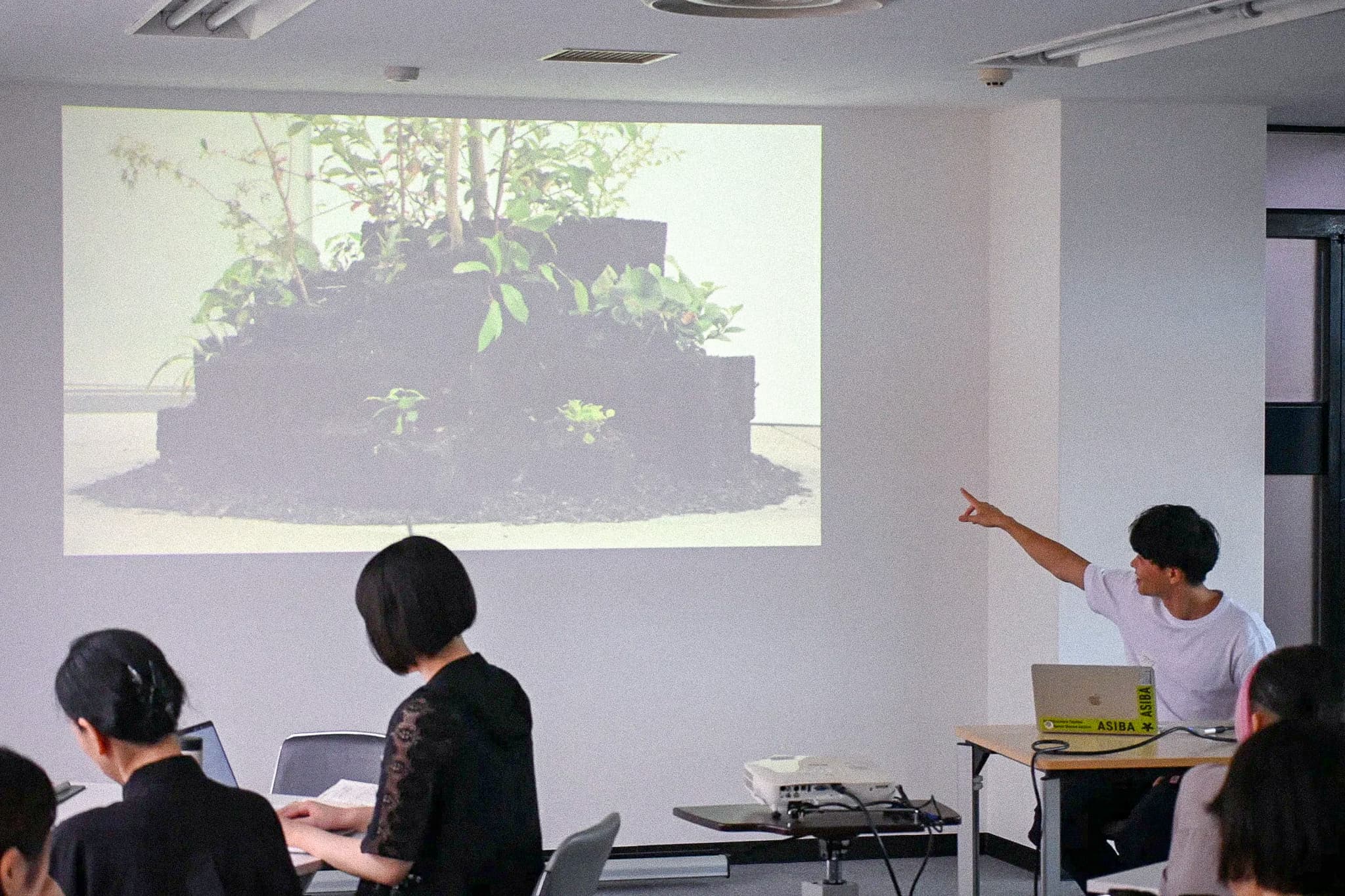
FIG.3
The Perspective of Living Beings as Part of Our Everyday Lives
This four-part program, launched in collaboration with Nippon Steel & Sumikin Real Estate and Taisei Corporation, was designed as a forum to reexamine these premises.
What is crucial is not to view biodiversity as a distant technical challenge.While issues such as the management of planted forests and the degradation of rocky shores are certainly serious, they lie beyond the scale that individuals or designers can influence. This program aims for something prior to that: changing our own perceptions. We want to engage with living creatures not as third-person objects of management, but through a second-person relationship.
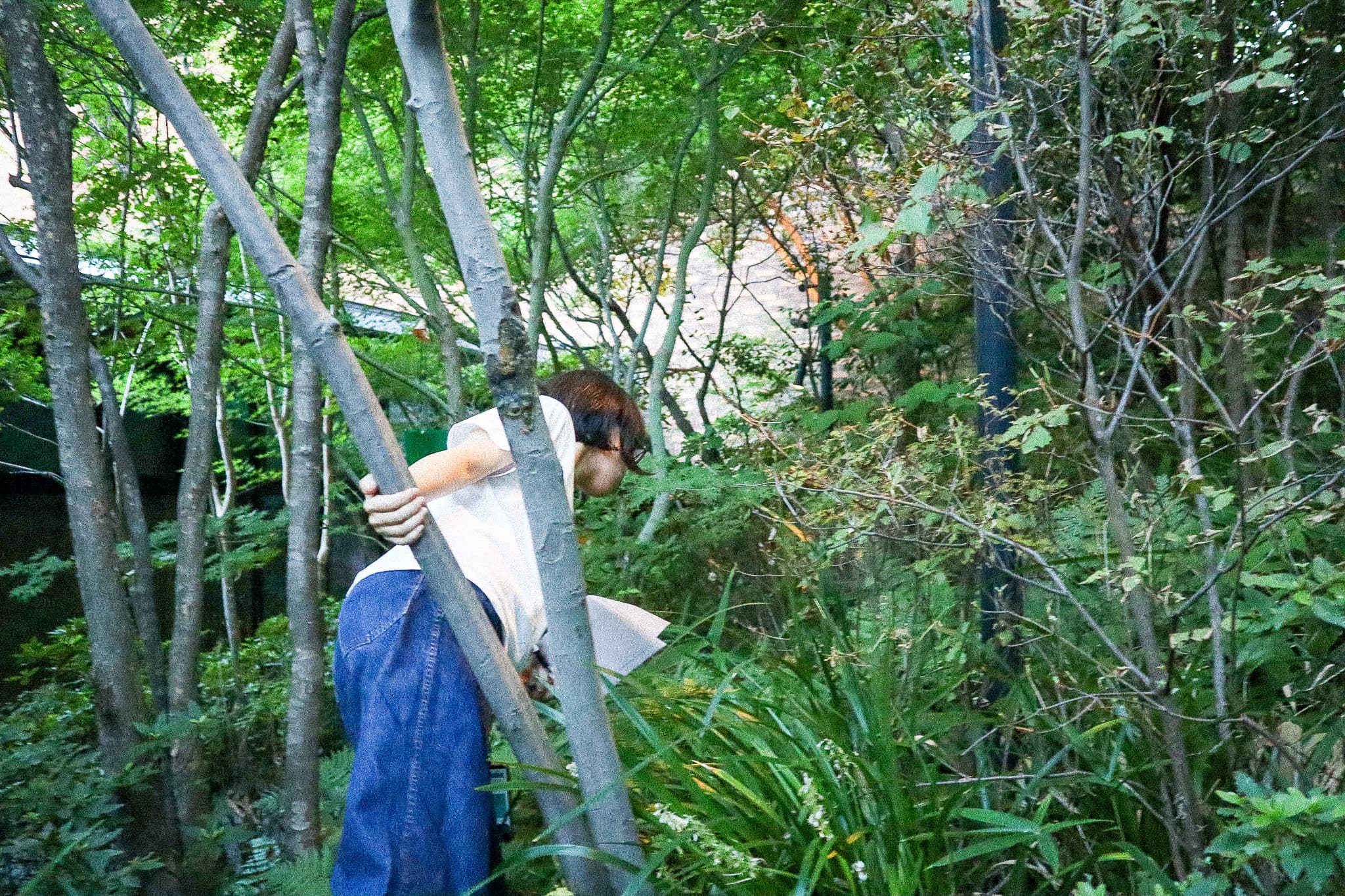
Fieldwork is the method for achieving this. By using our own eyes and bodies to observe how living things live within the city, our very perspective on the city changes. This is not a matter of adding new knowledge, but rather an experience that rewrites the very circuits through which we see. We would like to reexamine the “modern” view of technology that we have unconsciously adopted, alongside living things.
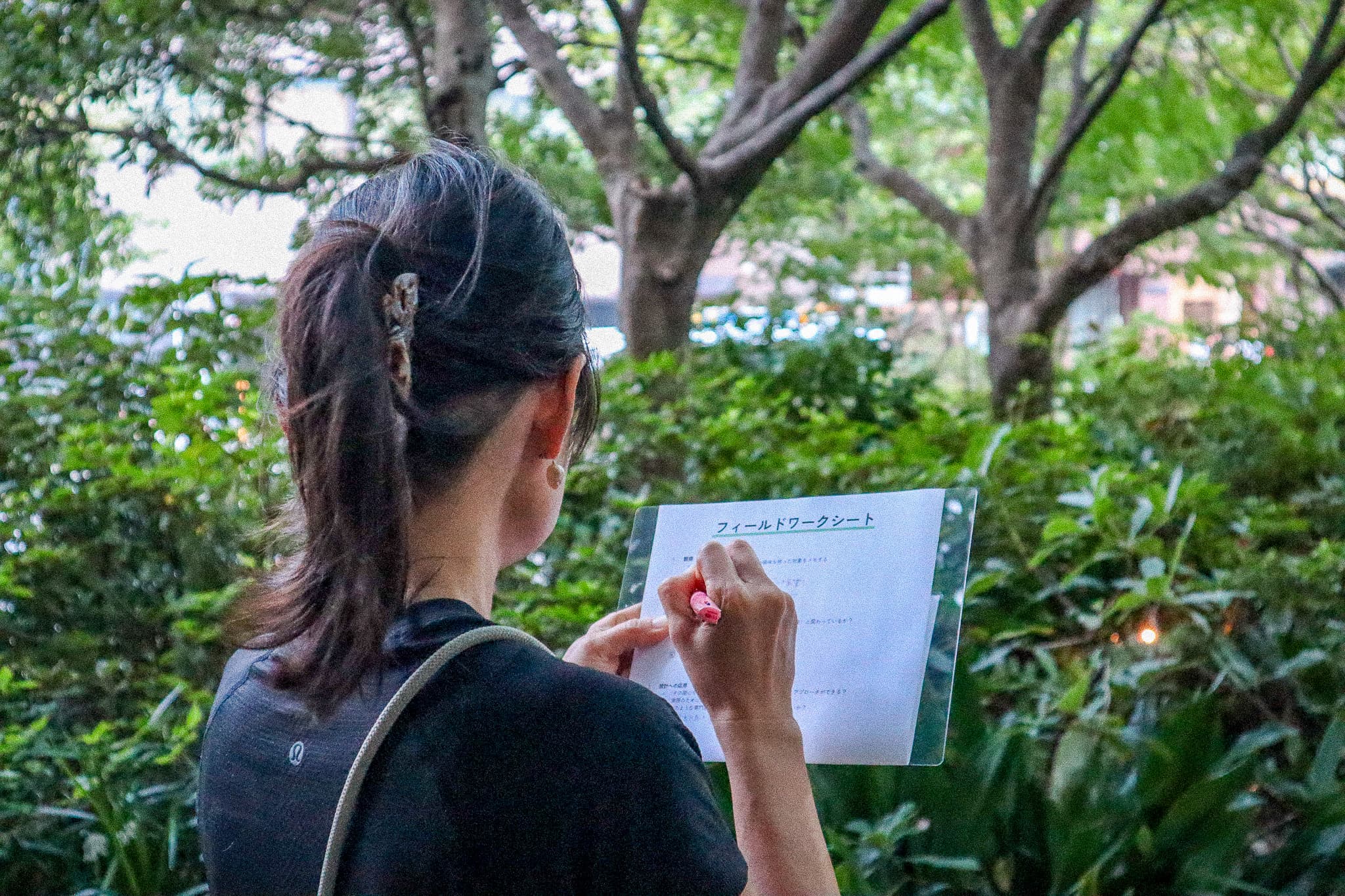
FIG.4
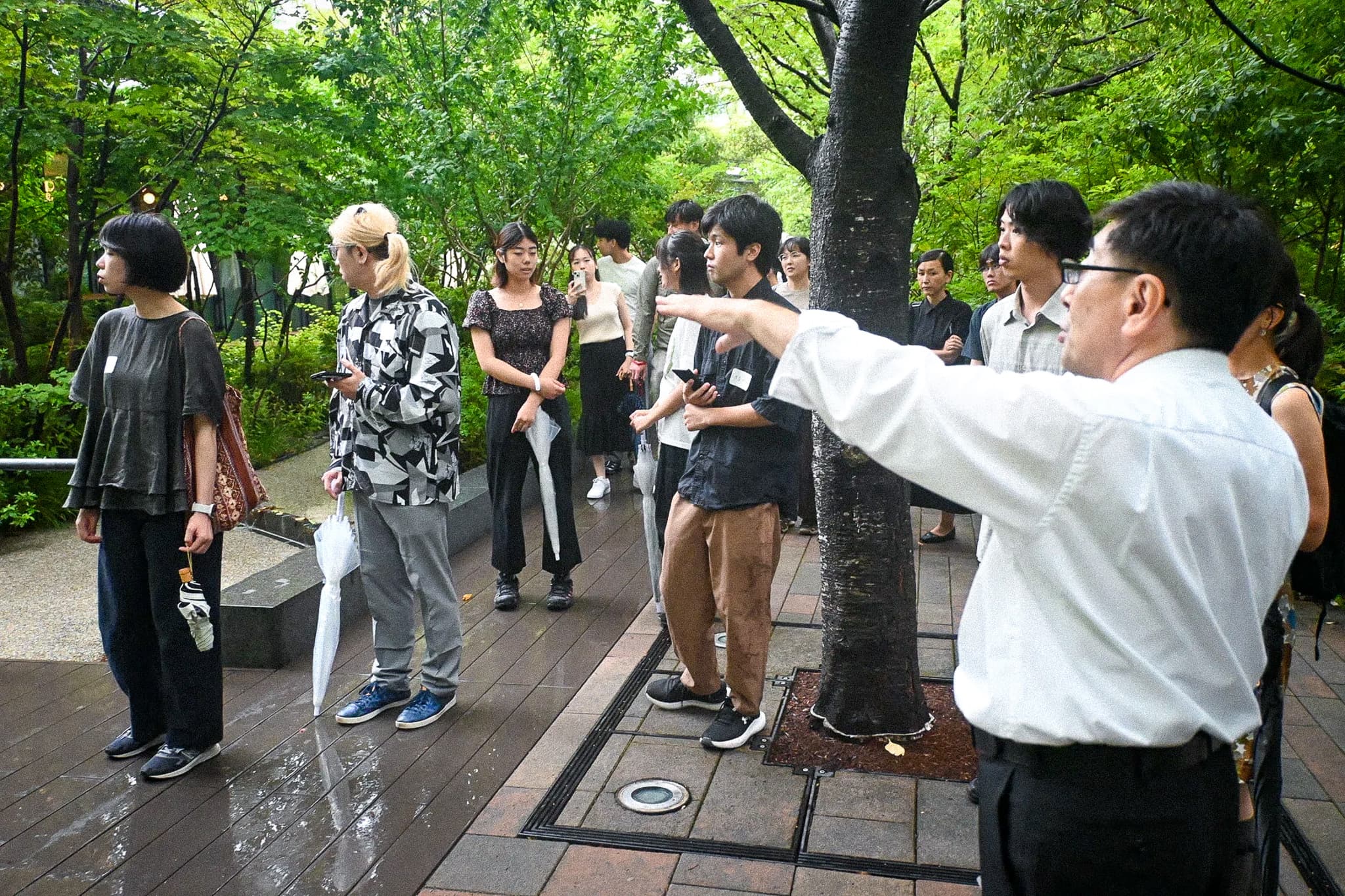
FIG.5
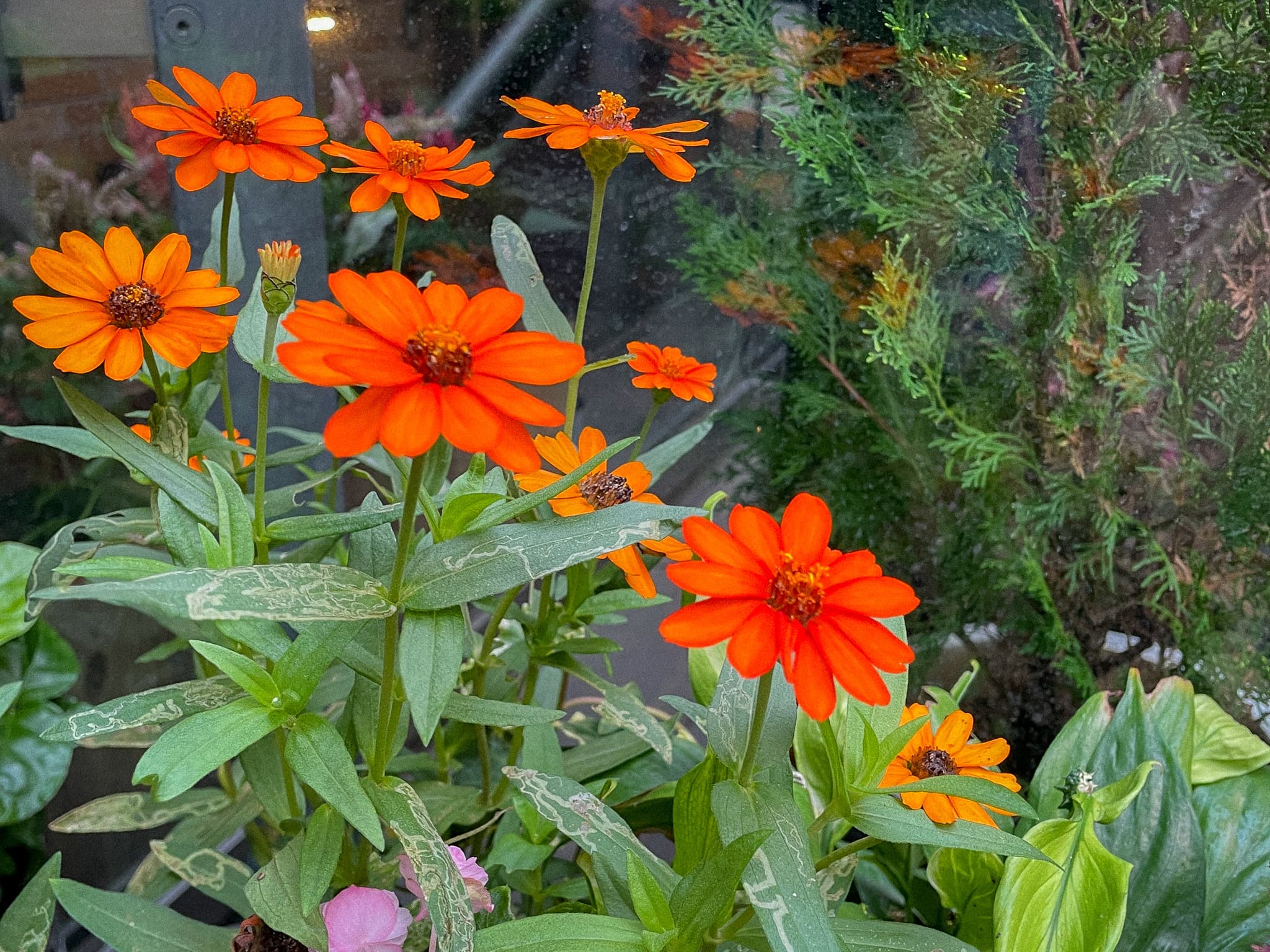
FIG.6
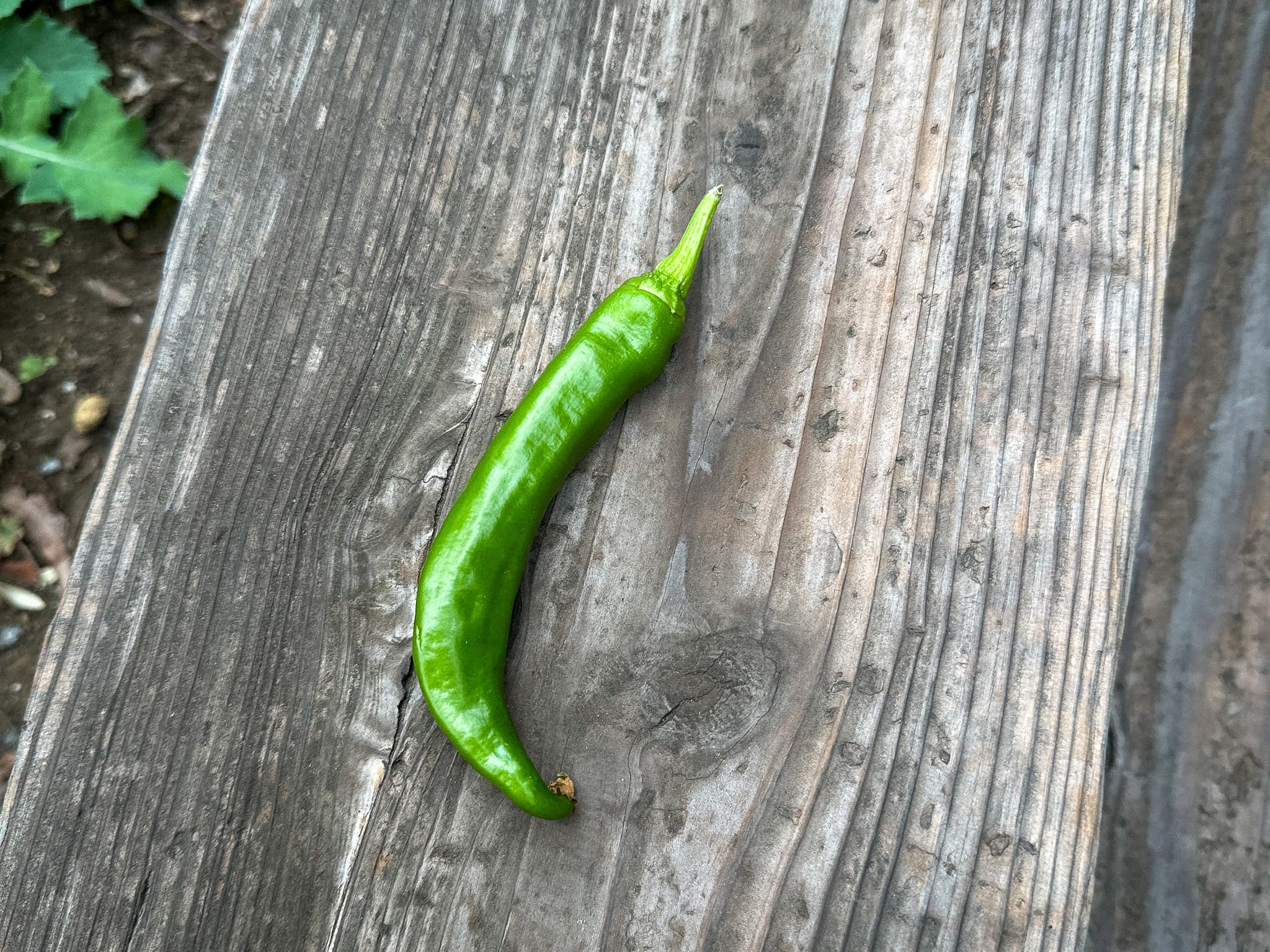
FIG.7
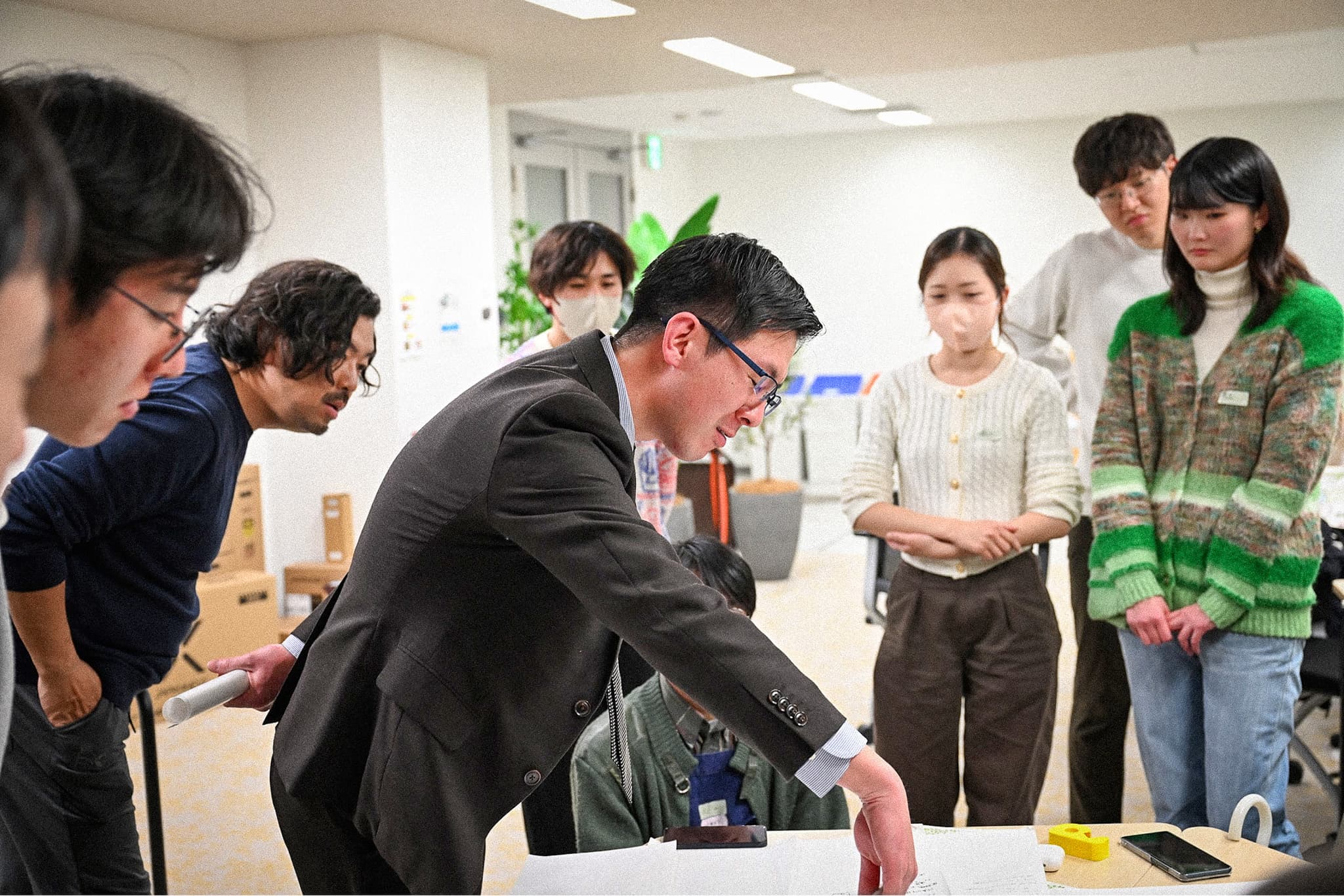
FIG.8
FIG.9
Session List
Part 1
March 5, 2025
: Rintaro Nakajo (CEO and Representative Director, LearnWiz, Inc.; Researcher), Masahisa Okabe (Representative, Kuro Mats Project; Landscape Architect; Garden Designer), Hiroki Taga (Director and COO, Biome Co., Ltd.), Yuki Igeta (Project Researcher, Graduate School of Frontier Sciences, The University of Tokyo)
- Input Talk: Understanding the Reality of Living Organisms and the Environment Through Data
- Fieldwork: Walking the Site from the Perspective of Living Organisms to Find Clues
- Main Workshop: Designing Spaces Where Diverse “Selves”—Including Humans—Interact
- Feedback Session
Part 2
- KICKOFF Talk (September 11, 2025)
Yusato Okuda (Co-Representative, Poietica LLC) - Field Research / Collecting Data | Exploring and Researching the Site’s Context (September 28, 2025) Kosuke
Katano (Landscape Unit veig), Hiroki Taga (Biome Co., Ltd.) - Collecting Data / Quick Prototyping | Gathering Data and New Insights to Rapidly Validate Ideas (October 9, 2025) Rintaro
Nakajo (Researcher) - Advancement | Developing the insights gained and translating them into concrete designs (October 22, 2025)
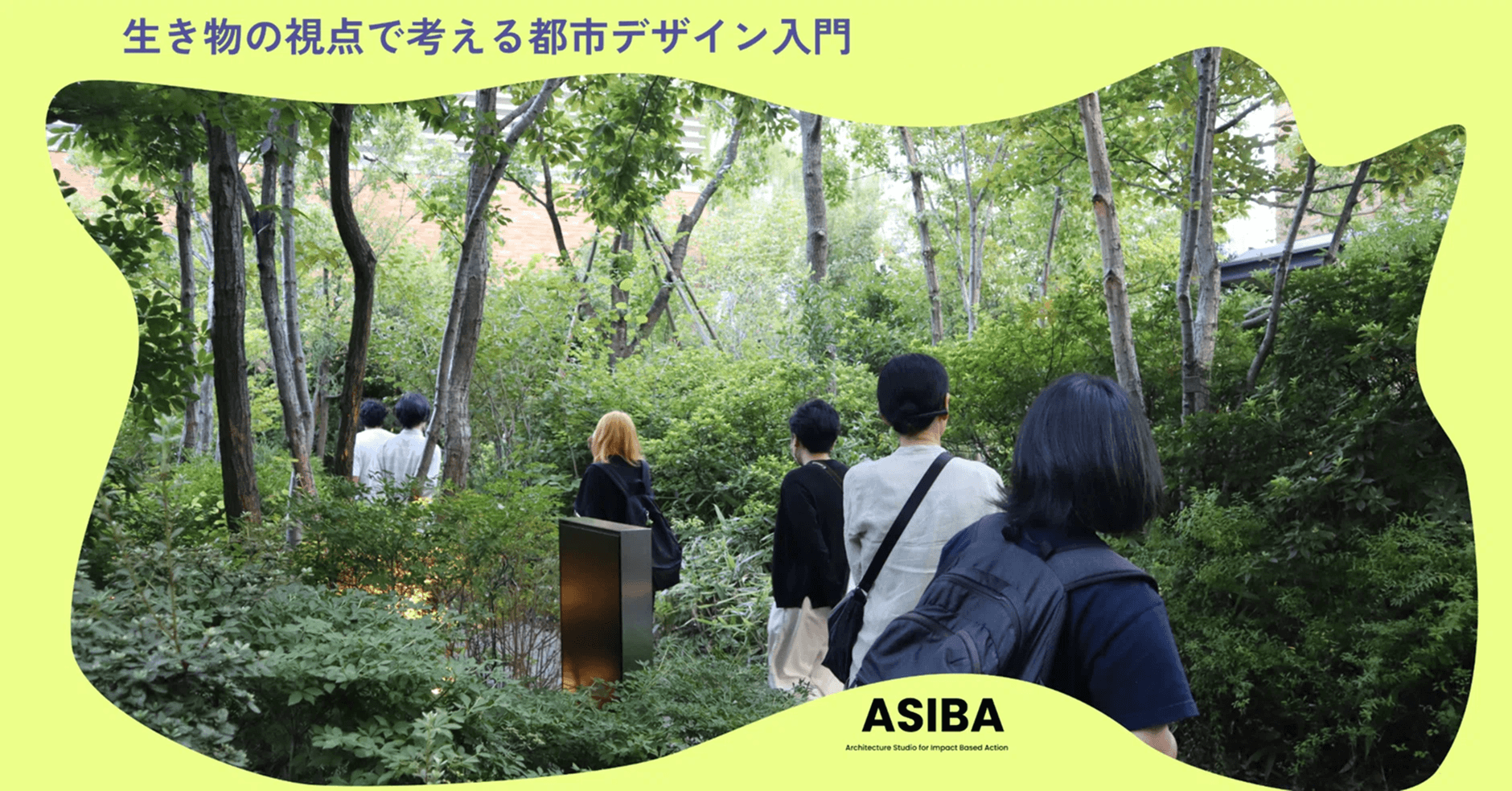
FIG.10
RELATED TEXTS
Report on the Third Session: Introduction to Urban Design from a Biological Perspective #3
Living Lens Report #3
REPORT
2025.10.16.
Report on the Second Session: Introduction to Urban Design from the Perspective of Living Organisms #2
Living Lens Report #2
REPORT
2025.10.14.
Special Interview: Essential Skills in the AI Era, What is Rapid Prototyping? - Interview with Mr. Nakajo - | ASIBA
Living Lens Special Interview #2
INTERVIEW
2025.10.07.
Special Interview: The Intersection of Ecology and Urban Design with Veig's Katano
Living Lens Special Interview #1
INTERVIEW
2025.09.20.
Report on the First Session: Introduction to Urban Design from the Perspective of Living Creatures - Kickoff
Living Lens Report #1
REPORT
2025.09.15.
Now Open: Introduction to Urban Design from the Perspective of Living Creatures (Four-Part Series)!
Living Lens Program Announcement
INTERVIEW
2025.09.03.
CREDIT
inhouse
collaborator
external