FIG.1
Here is a report on the “ASIBA-Hosted Architecture Thesis Workshop 2024: ‘Share, Appreciate, and Spread the Word,’” held on Wednesday, February 21! Although it was unfortunately raining that day, a large number of people attended, and the event was a huge success. A heartfelt thank you to everyone who participated! The event was held at PYNT, the workspace at Nikken Sekkei’s headquarters. We’ve had the privilege of using this space numerous times since last year for ASIBA classes and project exhibitions, and we received tremendous support once again this time. Thank you as always!
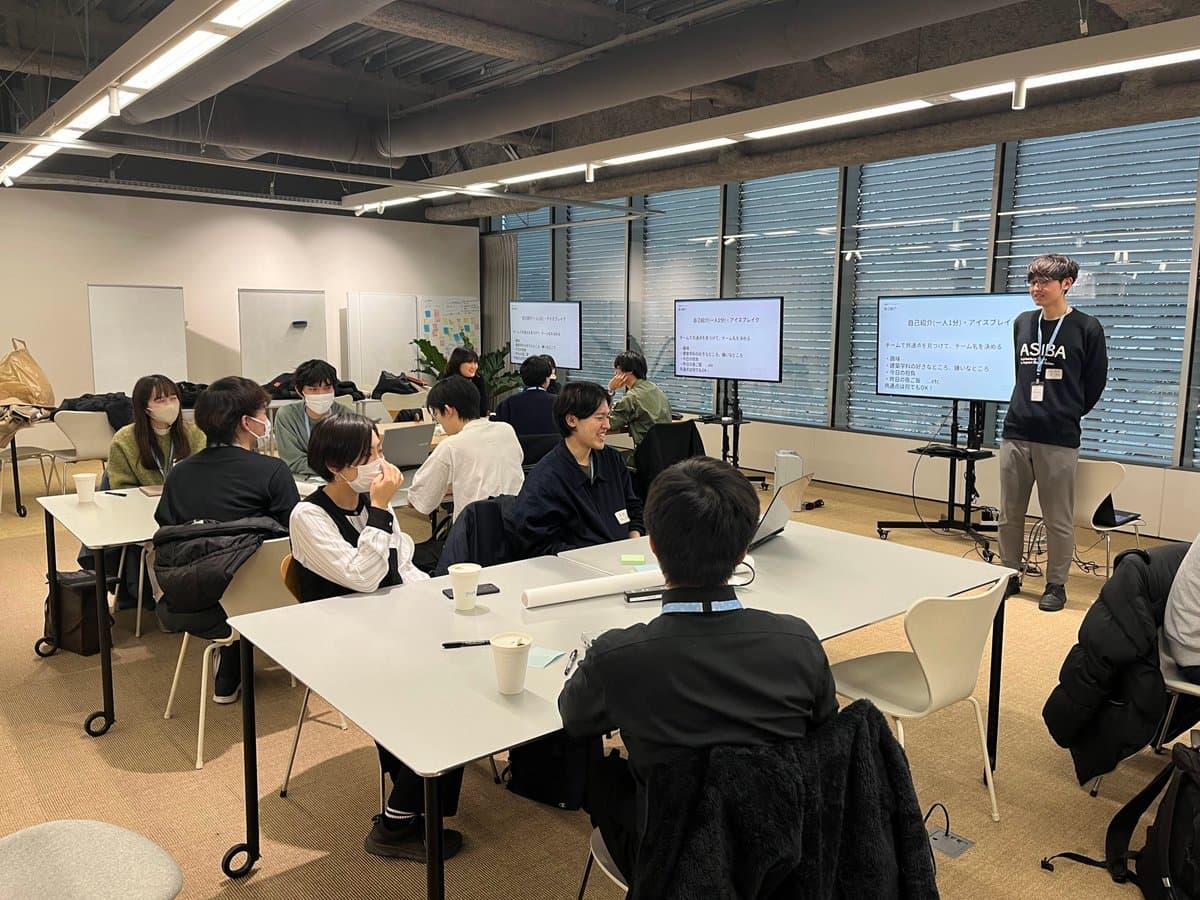
FIG.2
First, we split into groups to share the graduation theses we had written.The themes of the graduation theses presented this time spanned a wide range—from architectural history, construction methods, and production to landscape, environment, and structural engineering—resulting in a collection of fascinating content. Furthermore, the event was attended not only by fourth-year students but also by many students in their third year or below who are about to begin their graduation research. This meant participants were asked to explain their work in an easy-to-understand manner, taking the audience’s background into account and avoiding overly technical jargon as much as possible.
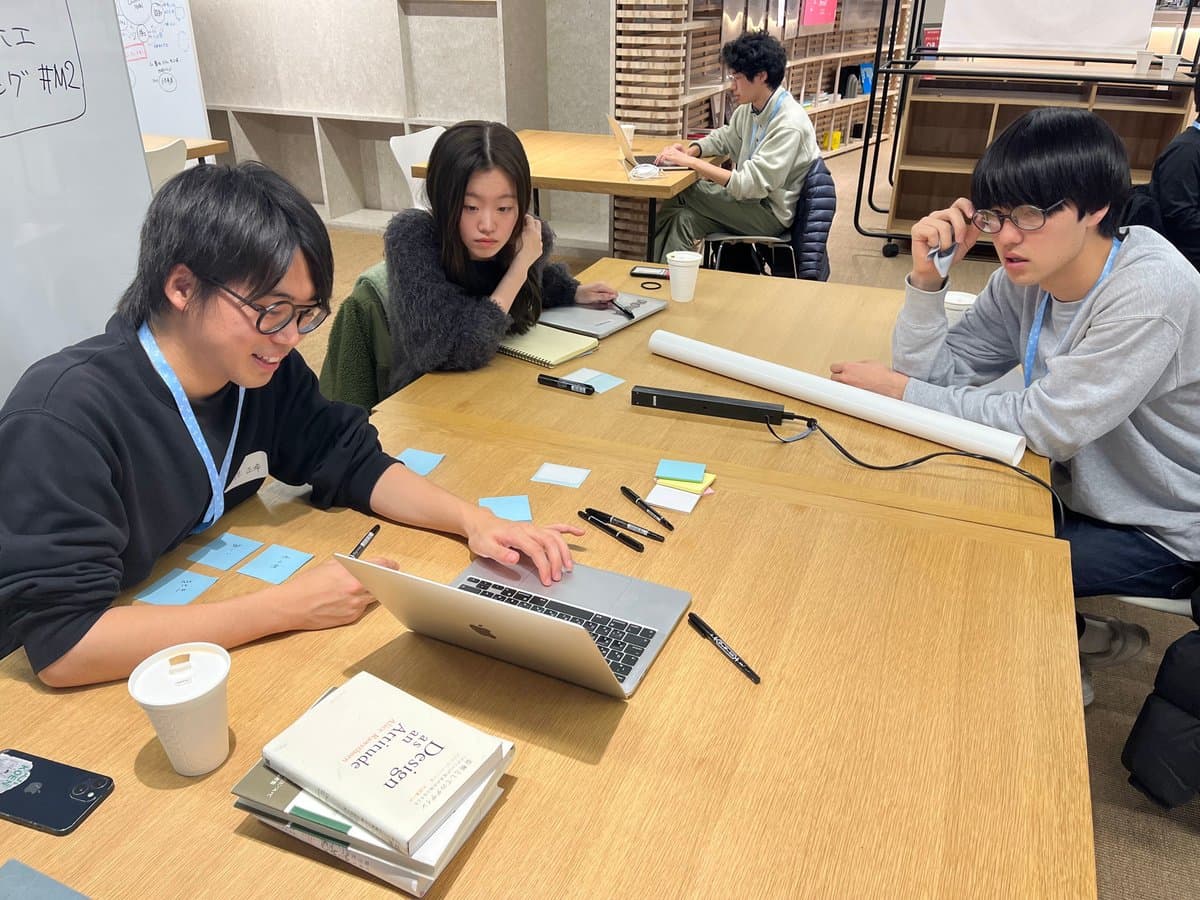
FIG.3
Next, our guest for the day—Daisho Yamaguchi, who also spoke at the final conference for the first cohort—introduced his own research and projects. Mr. Yamaguchi serves as a technical advisor at SAKIYA and as an assistant professor at the Institute of Industrial Science at the University of Tokyo, where he tackles various challenges through practical applications in society.In the PENTA-SOFT project—a self-built experimental house he has been working on since his master’s program—he devised flexible geometric modules to create a space-frame structure that can be freely constructed and transformed to meet specific needs.Furthermore, in his professional work, he is leading initiatives to accurately assess the value of buildings by evaluating the durability of wooden houses using millimeter-wave non-destructive testing technology, thereby promoting the reuse of vacant homes. Mr. Yamaguchi also participated in the subsequent group work and feedback session. Thank you very much for your cooperation!
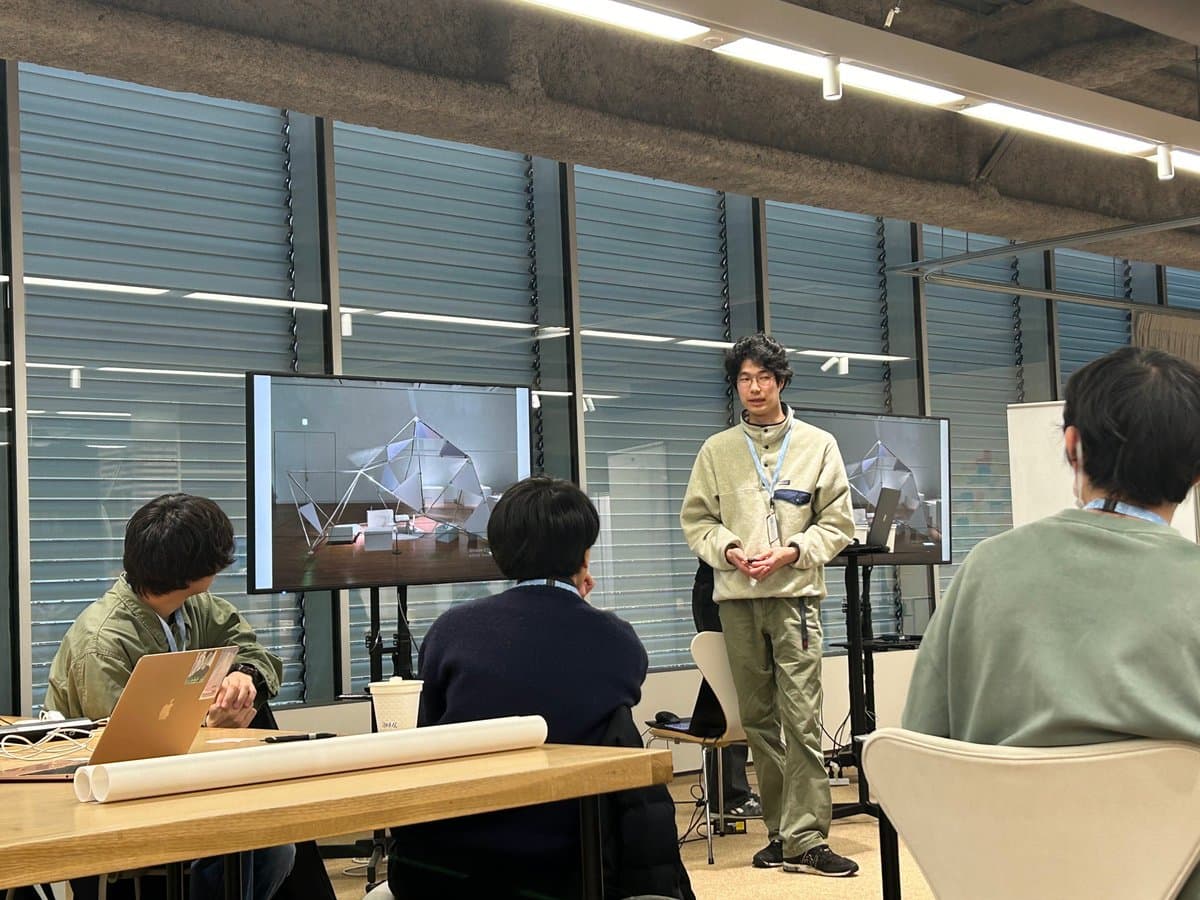
FIG.4
In Chapter 2, we worked collaboratively in groups on an ideathon, divided into first and second halves. First, in the first half, we used Post-it notes to organize our thoughts and create a framework. We delved deeper into the content of the fourth-year students’ theses, focusing on the underlying circumstances and individual perspectives. What was the social context behind the research? What prompted the choice of the theme?What were their motivations for writing it? As we moved to the left side of the framework, we noted elements that became increasingly internal in nature. At the same time, it was also important to broaden the scope of the thesis and consider the world beyond it. How did this thesis expand knowledge in the field? Conversely, what questions still need to be unraveled?As you deepen these reflections, the connection between your research and society—as well as concrete ways to solve social issues—will gradually come into focus. Don’t let your thesis end with the thesis itself; use it as a springboard to consider your next goals. Through this process, I believe each of you has begun to see a single, overarching vision that runs through the entire project.
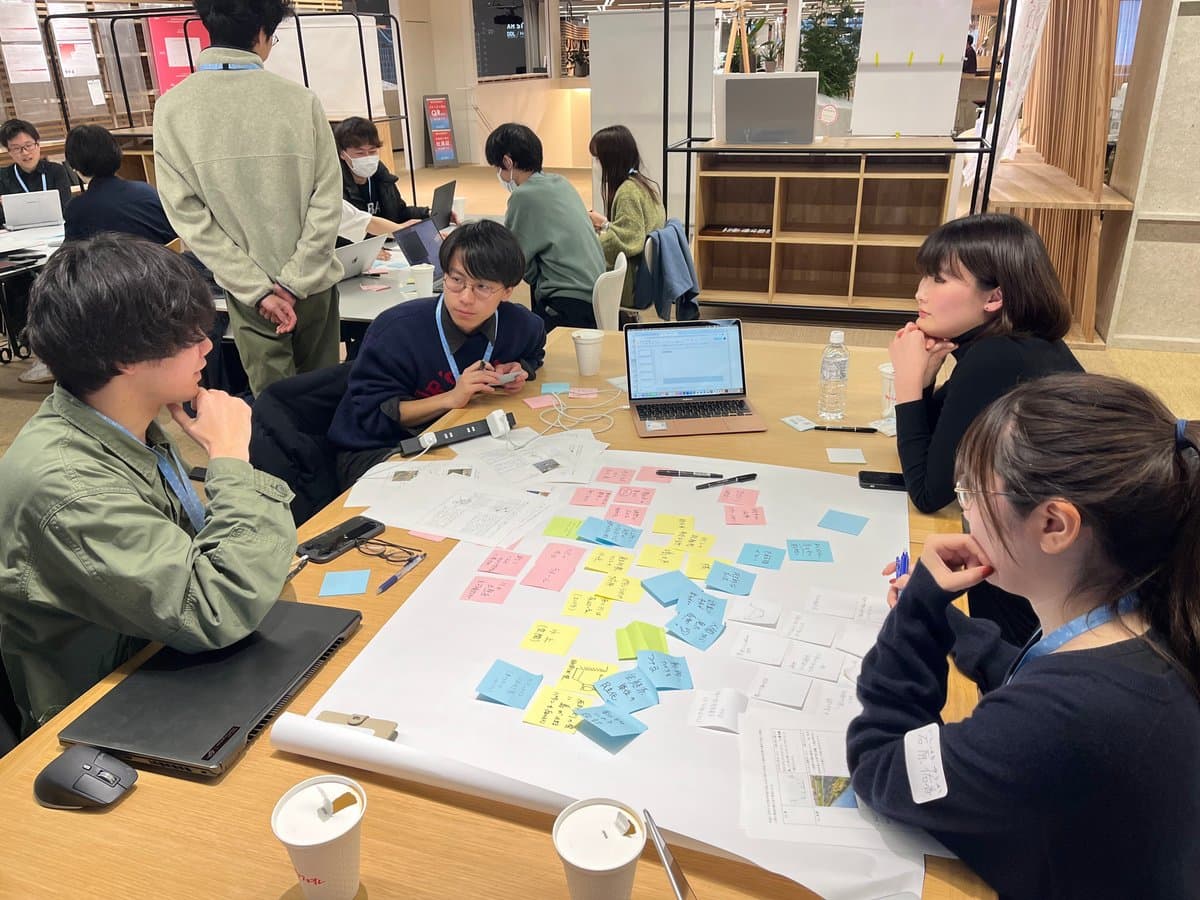
FIG.5
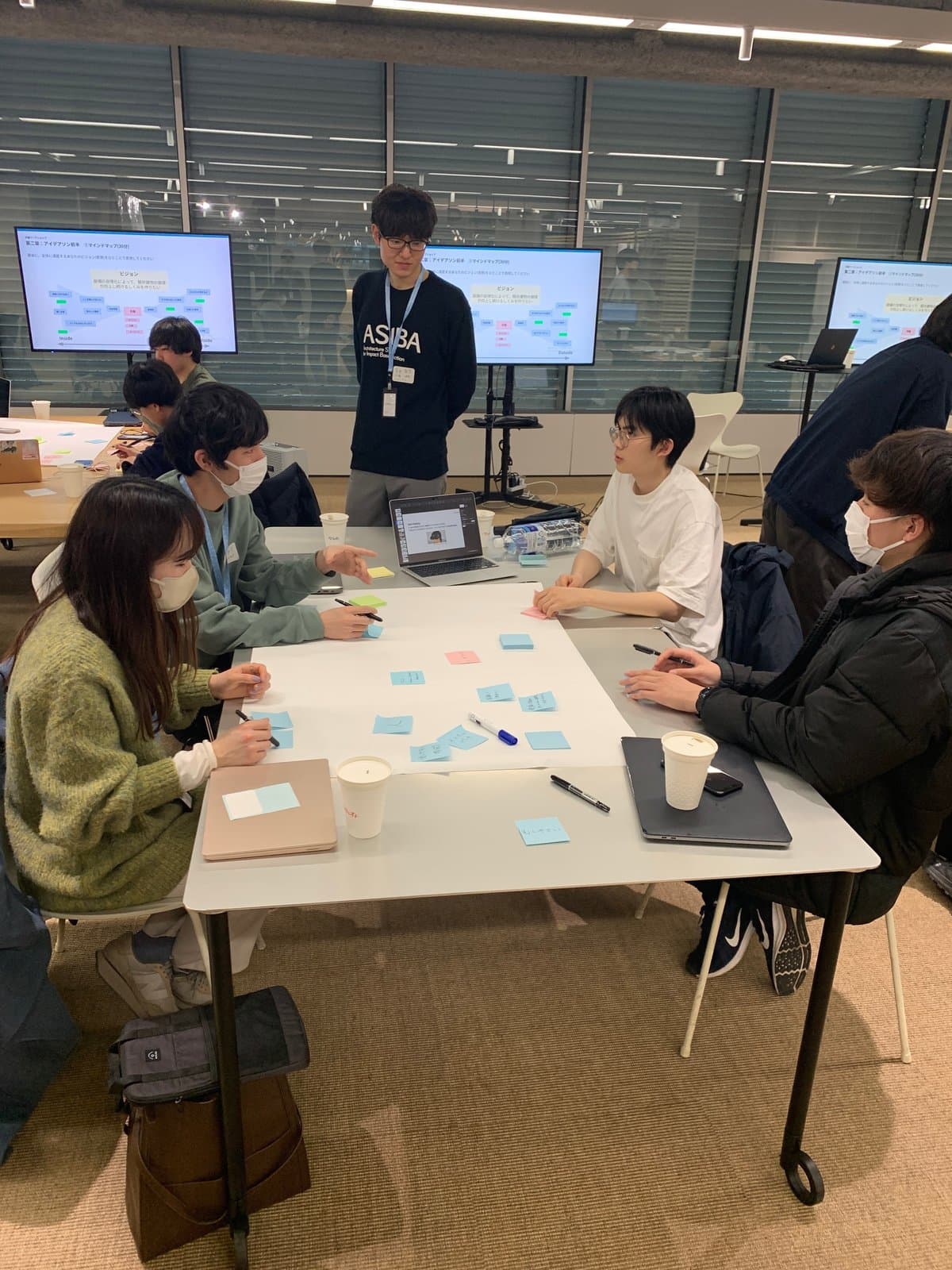
FIG.6
In the second half, based on the mind maps we created in the first half, we summarized our group discussions into a single slide.The difference from presentations at academic conferences or on-campus review panels is that this presentation needed to have a narrative quality—one that would captivate even those outside the field—rather than being a mere list of facts. Although we were working under tight time constraints, we didn’t limit ourselves to the content of the thesis itself; ultimately, we took a big leap forward from there, generating many ambitious ideas.
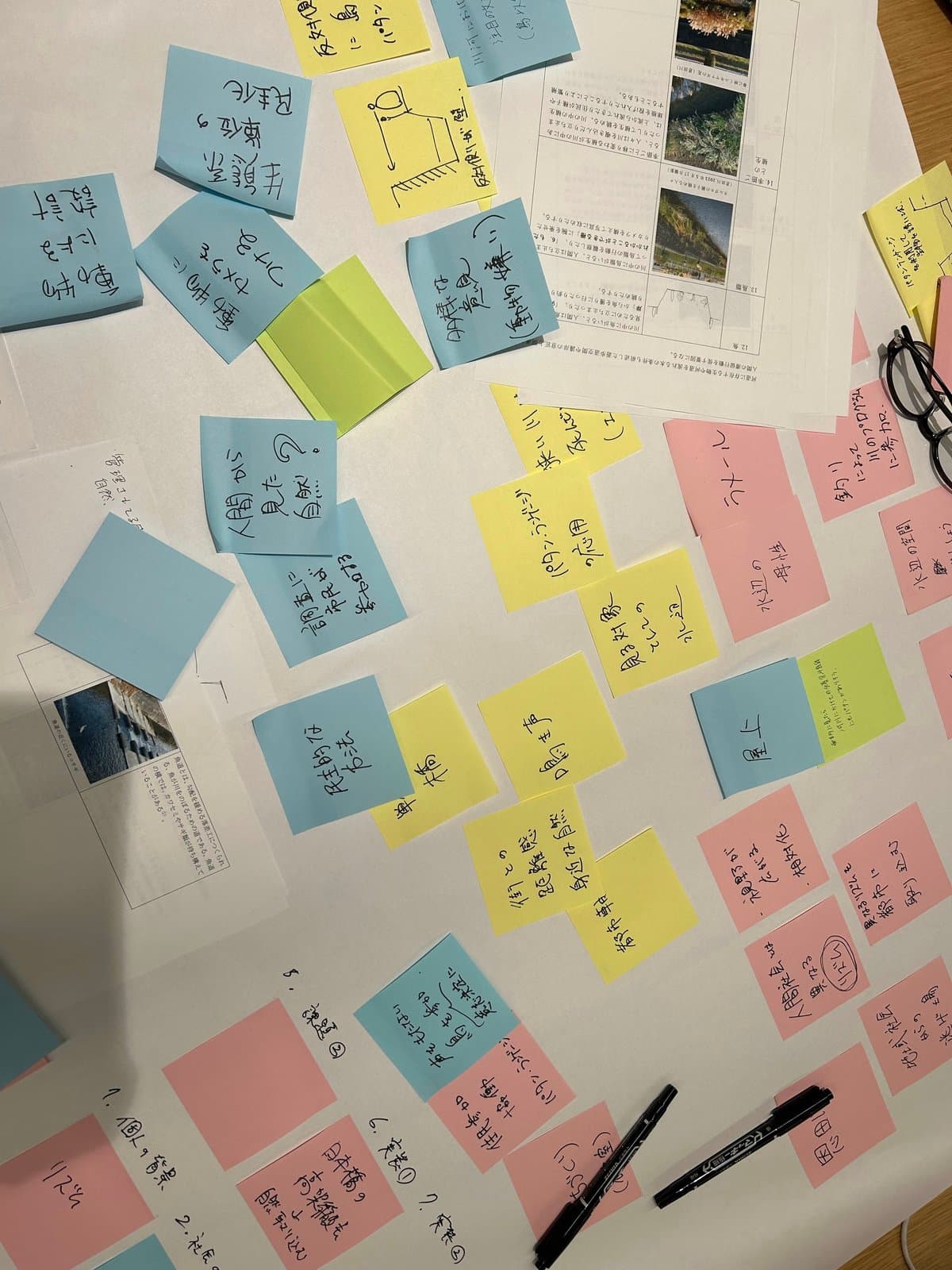
FIG.7
Representatives from each group presented their final projects. Mr. Yamaguchi also joined the feedback session and provided valuable insights, including challenges that arise when translating research into practical applications. The Audience Award went to the group “Avengers,” whose presentation utilized a thesis on riverine landscapes, ecosystems, and pattern language!Participants who submitted a thesis will be granted the right to join the second ASIBA Incubation Program! While the thesis workshop has now concluded, we, the organizers, sincerely hope that this experience will serve as a catalyst for participants to take the next step forward, guided by the grand vision they conceived through their thesis work. (Text by Tatsuya Miyata)
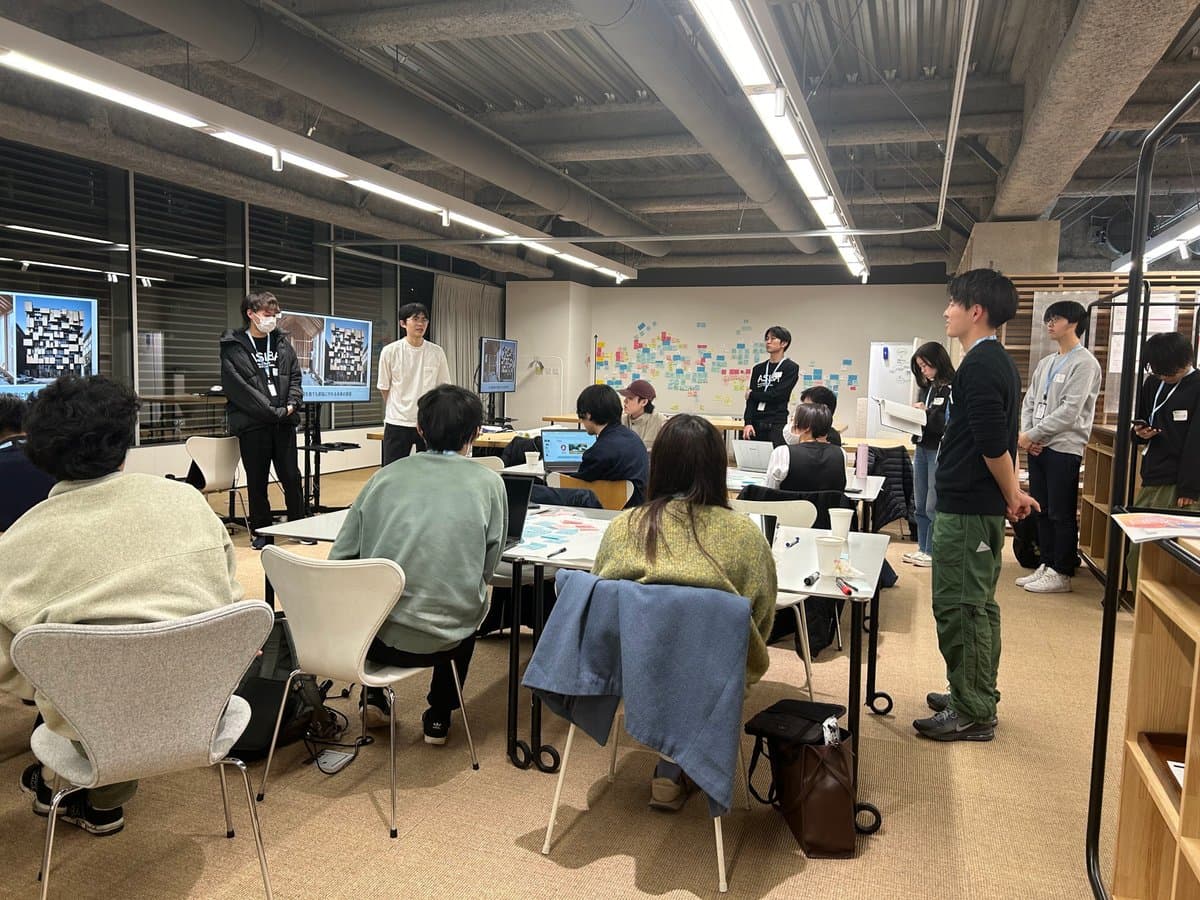
FIG.8
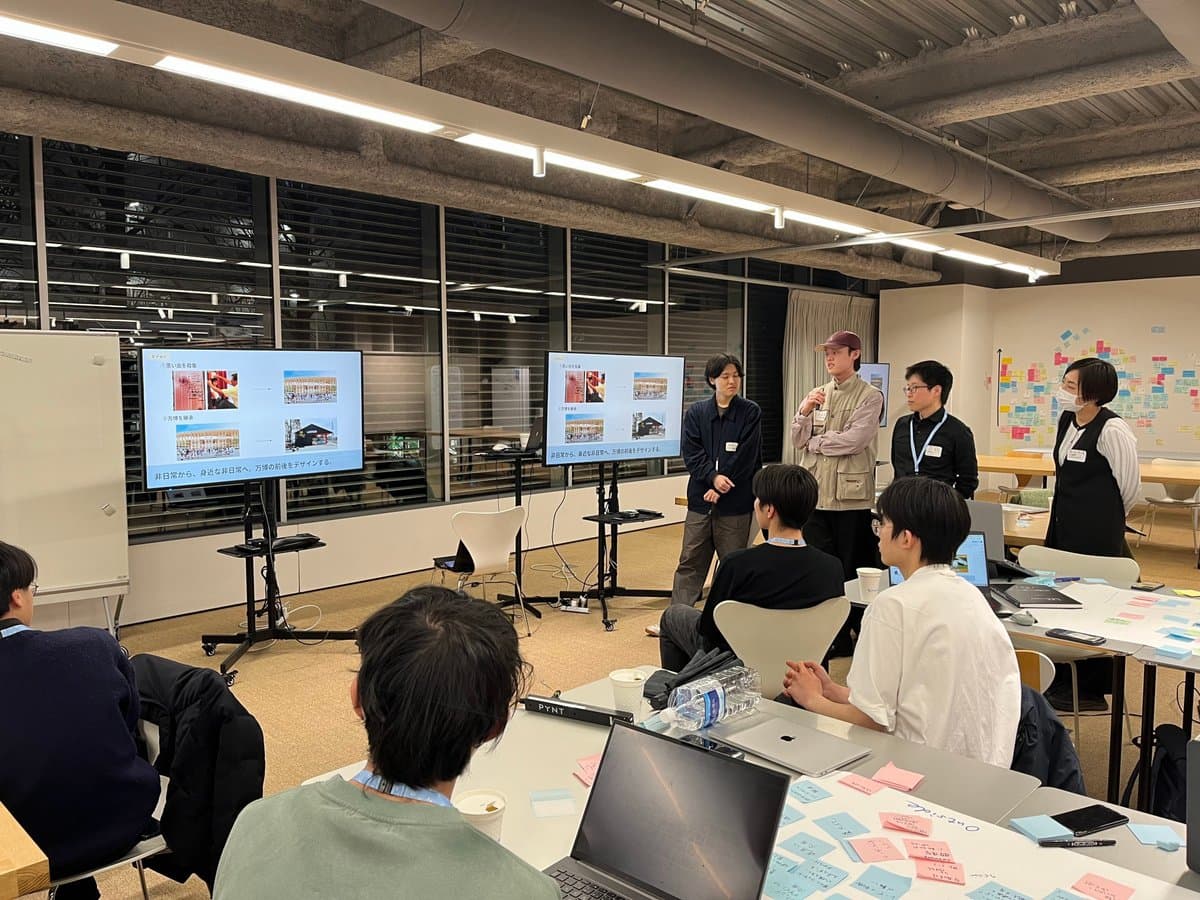
FIG.9
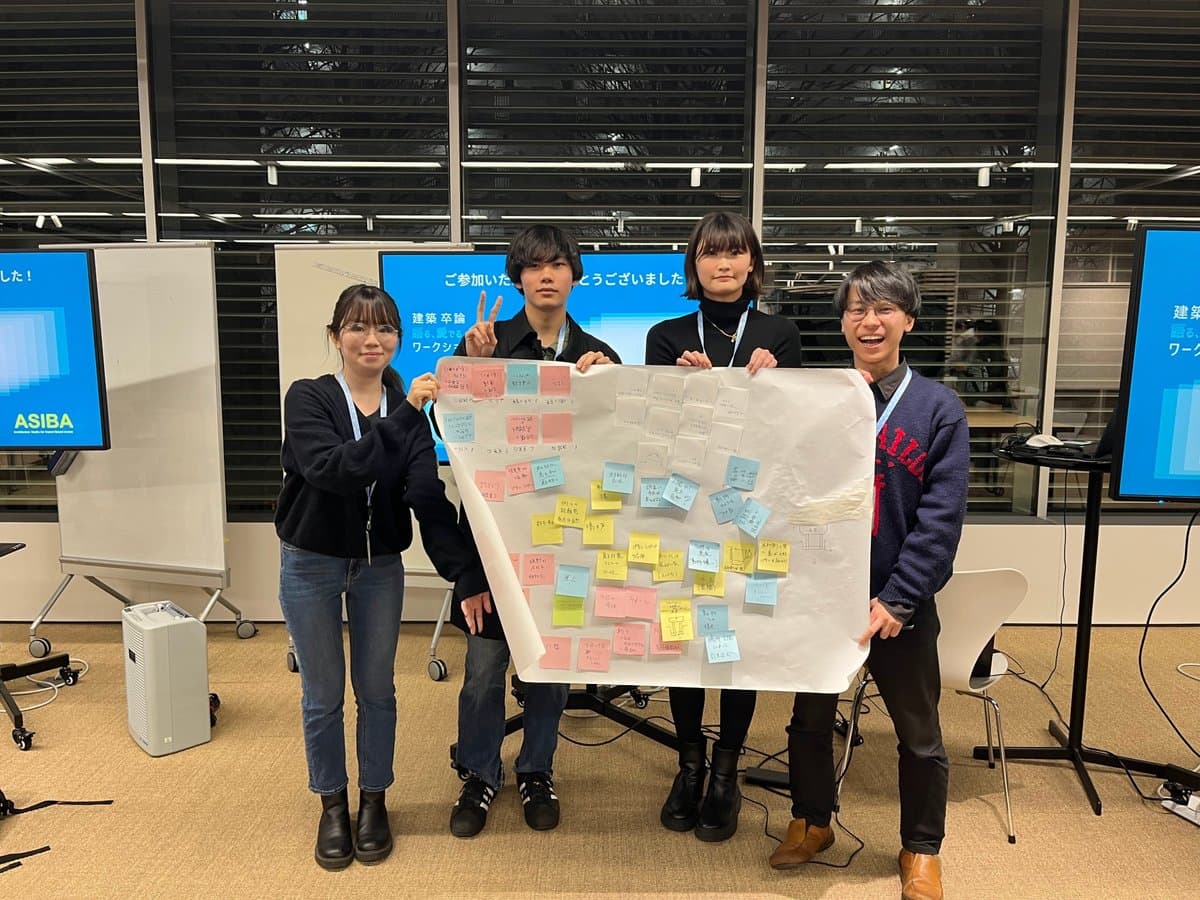
FIG.10
Please contact us here for inquiries. We also welcome inquiries from companies, universities, government agencies, and the media—please feel free to reach out. ASIBA is currently preparing to launch the second session of our studio program. If you’re interested, please feel free to contact us via Twitter or email.
Credit