FIG.1
Here is a report on the “New Node: Designing Mobility and Nodes” workshop, part of the “new verb design studio” series, jointly hosted by the General Incorporated Association ASIBA and the voluntary organization ND3M on Tuesday, March 12!We were delighted to welcome a large number of attendees from a wide range of fields—not limited to architecture and urban planning—and the event was a huge success. A heartfelt thank you to everyone who participated! The event was held at Takenaka Corporation’s COT-Lab Shimbashi. We are truly grateful for their support!
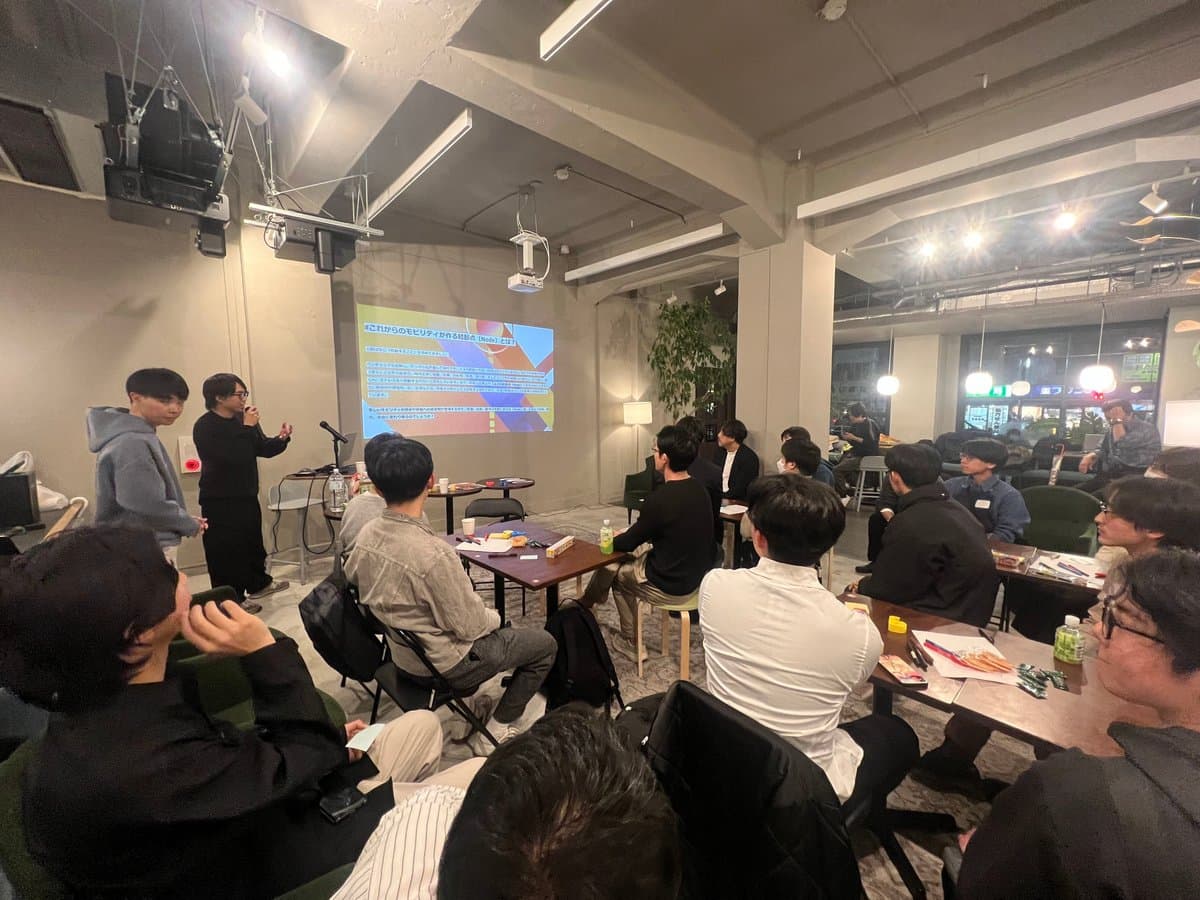
FIG.2
First, short lectures were given by Kie Yoshiharu and Takuya Nakagawa, who are dedicated to “creating new services and businesses related to mobility by viewing social systems as part of their business domain.” They explained the future of mobility and the role of nodes based on social trends and emerging signs.
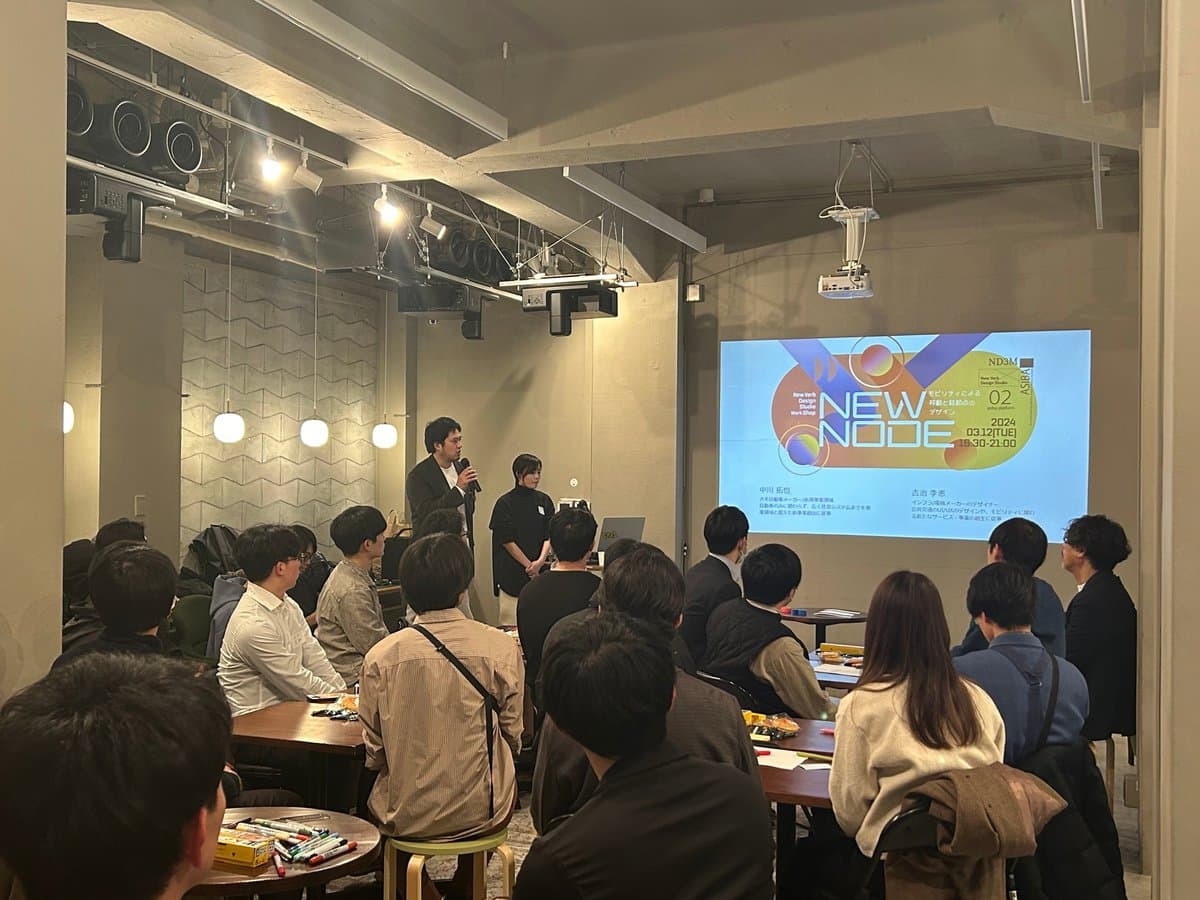
FIG.3
The goal of Part 1 was to set aside considerations of technological feasibility and market needs for the moment and freely imagine scenarios and activities related to future mobility that participants themselves would enjoy or hope to see realized.
First, each participant formulated one key question that piqued their interest regarding “mobility and hubs.” For example,
These were among the key questions raised.
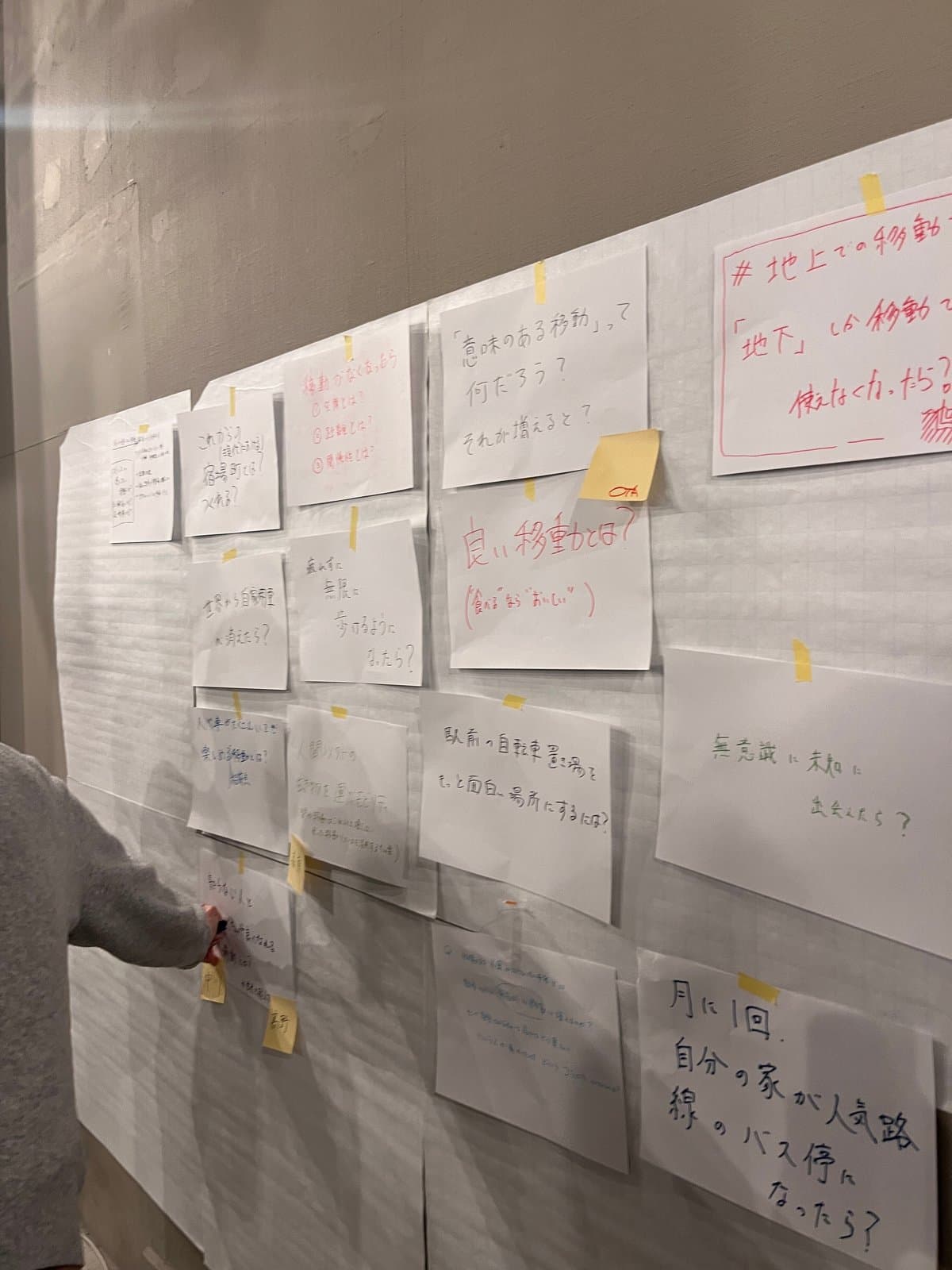
FIG.4
Next, we mapped out the key questions on a whiteboard. Participants who were interested in a particular key question then formed groups.
Once a key question was raised, each participant freely wrote down their answers or opinions regarding that question on A4 paper, using drawings or text. The goal was to generate ideas freely in an analog manner, without worrying about technical constraints. Through this exercise, each participant’s vision and ideals for the future of mobility should have gradually become clearer in their minds.
Next, several areas emerged, each centered around a key question and the responses associated with it. Participants interested in each area then gathered, forming groups based on those specific areas of interest. Additionally, one mentor was assigned to each group.The mentors provided support and advice to help participants develop their ideas freely. We would like to express our sincere gratitude to everyone who participated as mentors for their cooperation!
In this way, during Part 1, we moved from analog brainstorming through group formation, ultimately enabling each participant to develop a vision of ideal future mobility—one that was detached from technical considerations. This served as crucial preparatory work leading into the more in-depth discussions and deliberations in Part 2 and beyond.
In Part 2, using the key questions established by each group in Part 1 as a starting point, we created narratives about how future mobility and society will change.
First, participants discussed the societal changes suggested by the key questions and wrote them down on flip charts.
Next, we explored new forms of mobility (means of transportation) that would fulfill these mobility needs.
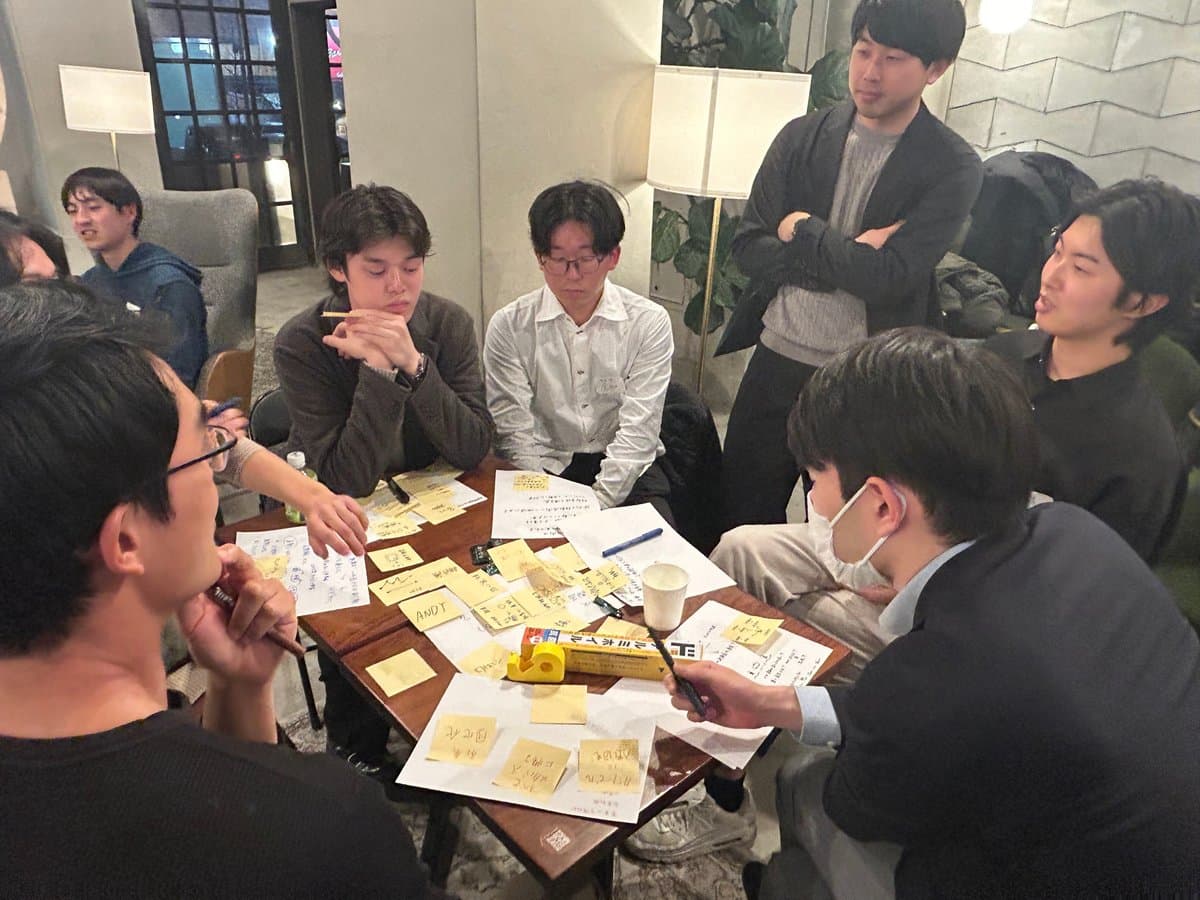
FIG.5
Furthermore, we brainstormed ideas regarding the functions and designs of the hubs (places where people gather) that would support such mobility.
In this way, as we expanded our ideas from these key questions, we wrote out a story about future mobility and hubs as a single narrative on a large sheet of paper.
In Part 3, we further developed the stories we had sketched out in Part 2 and expressed specific spatial and mobility concepts as artistic works.
Each group produced the following spatial and sculptural outputs:
We brought our ideas to life in three dimensions by combining sketches, clay, and existing materials. By actually getting our hands dirty to create physical works—rather than relying solely on drawings or blueprints—we were able to explore our ideas more deeply and refine them further.
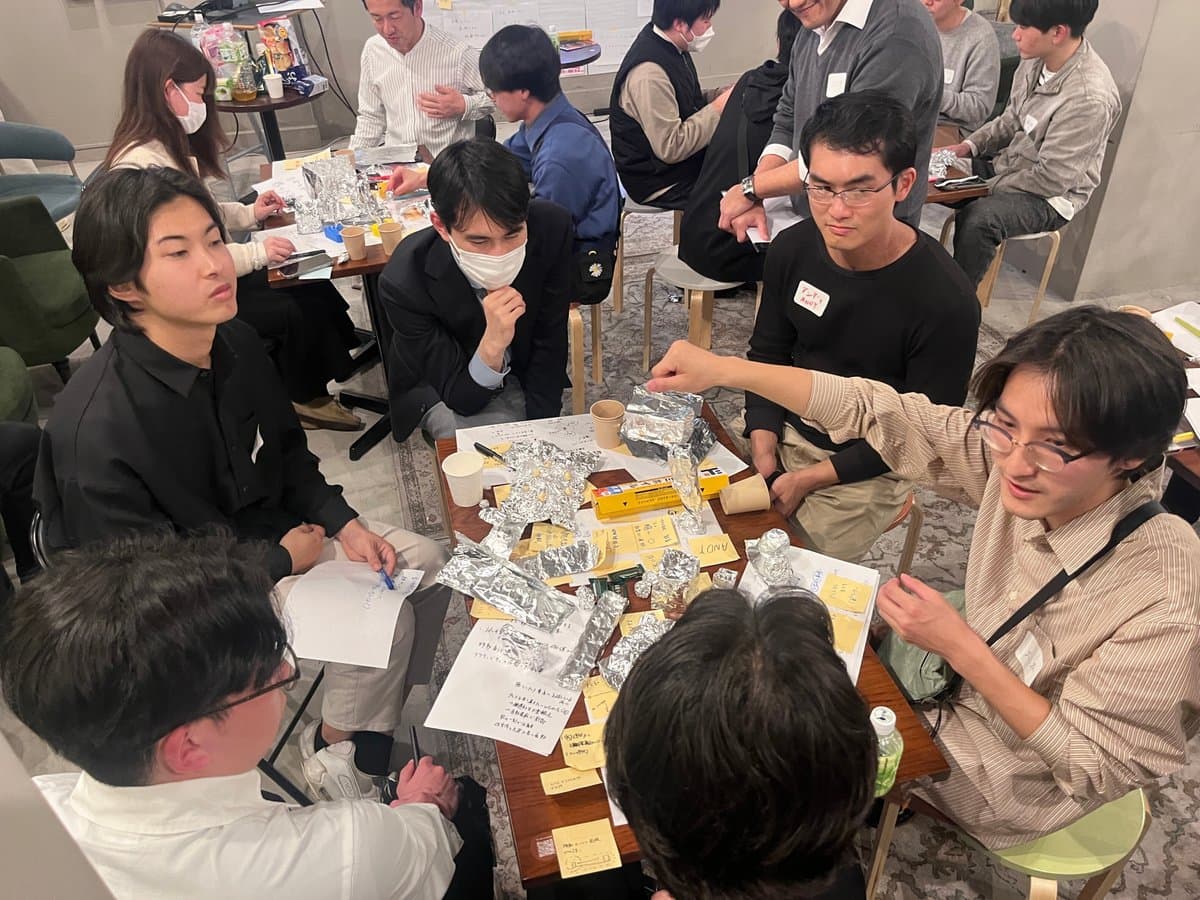
FIG.6
In this way, by designing everything from the stories developed in Part 2 to specific spatial layouts and the forms of mobility, the program broadened the scope of each participant’s imagination and greatly stimulated their creativity regarding future mobility and transportation hubs.
Finally, each group gave a presentation, and the reviewers provided feedback on elements such as originality, feasibility, and potential for further development.
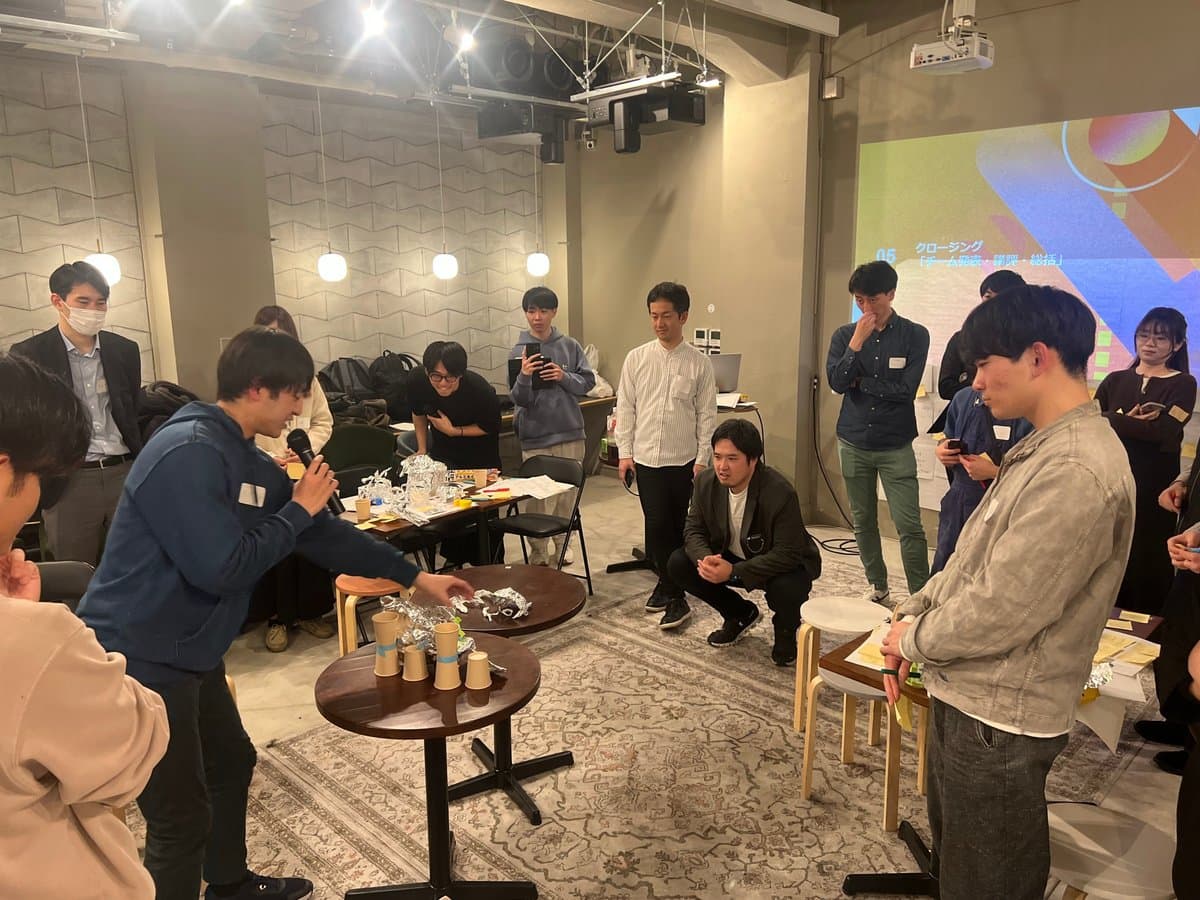
FIG.7
Overall Assessment
By encouraging each participant’s free thinking and fostering mutual creative inspiration, the workshop generated numerous new insights into future mobility and transportation hubs.To ensure that ideas didn’t end as mere proposals but were put into practice, opportunities for participants to network with one another were also provided. While this workshop has now concluded, we hope that those who participated will use this experience as a starting point to take an interest in the mobility that surrounds us in daily life, continue to envision the future through discussion with one another, and actively work to implement these ideas in society!
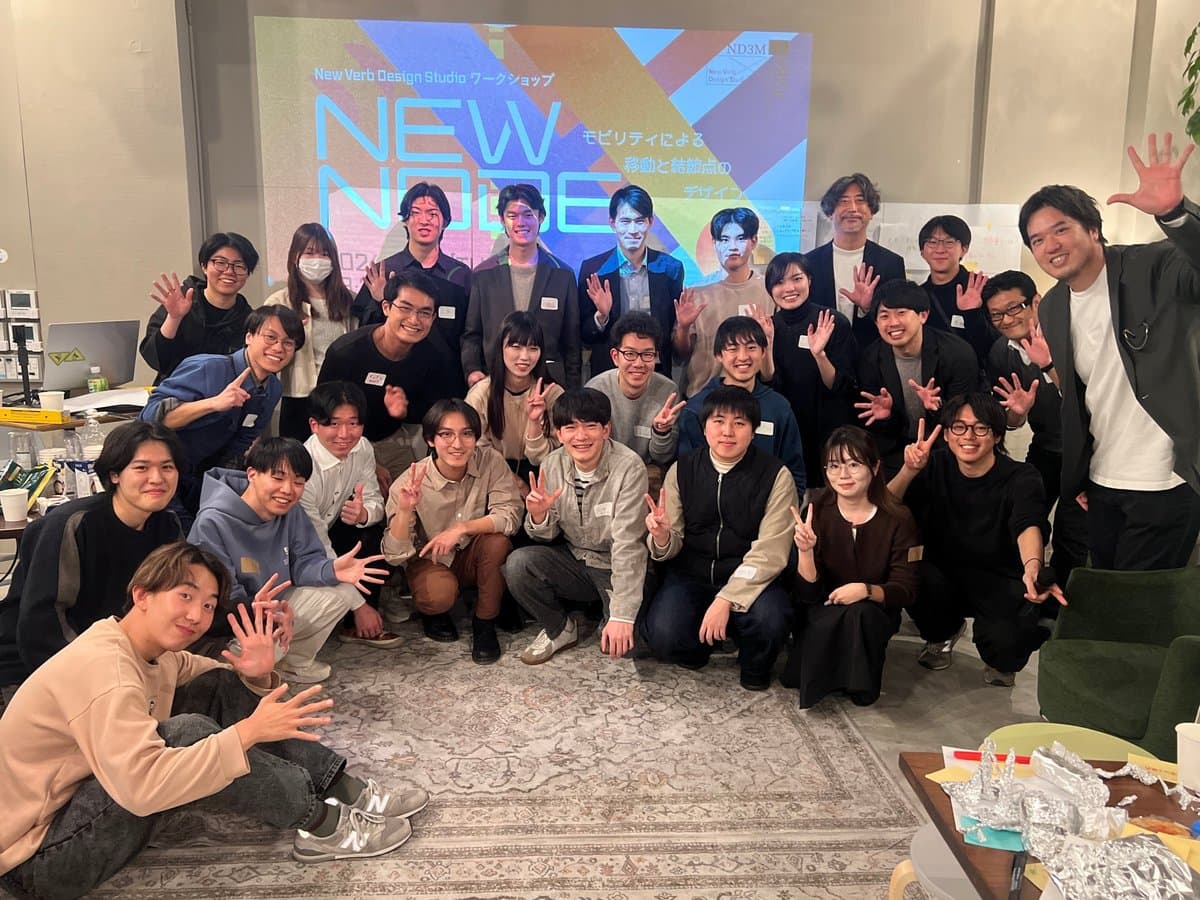
FIG.8
Please contact us here for inquiries. We also welcome inquiries from companies, universities, government agencies, and the media—please feel free to reach out. ASIBA is currently preparing to launch the second session of the studio. If you’re interested, please feel free to contact us via Twitter or email.
[ASIBA Studio: Second Cohort Recruitment 🚀]
ASIBA, a 12-week incubation program designed to bring architecture students’ proposals to life, will launch its second session in April! If you don’t want your design and drafting proposals to remain just ideas, if you’d like to bring the themes you’ve explored during your master’s program to life, if you simply want to get your hands dirty, or if you’re eager to take on a challenge for society on your own—we strongly encourage you to join us.
Senior professionals, corporate representatives, and individuals from other industries who support our mission to transform the current industry are working with us to create new options for job hunting, work styles, and product development—and we’ve already secured significant backing! We look forward to seeing you there.
Application Deadline: March 31, 12:00 a.m. Pre-program Information Session: March 28, 9:00 a.m.–
Details & Application Form 👇
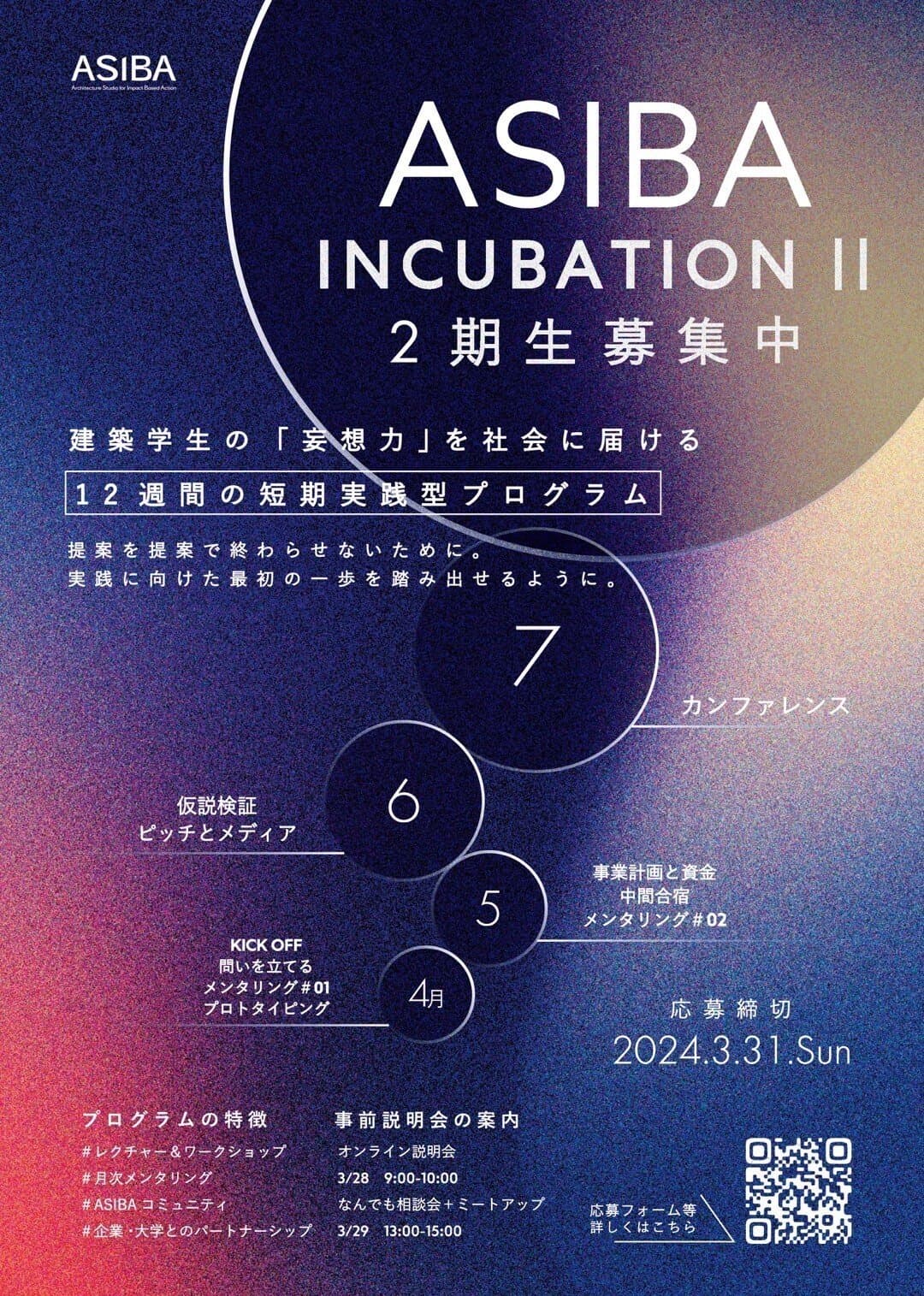
FIG.9